Doublefile Viburnum (Viburnum plicatum f. tomentosum ‘Shasta’): A Comprehensive Guide
Doublefile viburnum, scientifically known as Viburnum plicatum f. tomentosum ‘Shasta’, is a stunning and versatile shrub that is cherished by gardeners for its outstanding ornamental features. This plant offers a plethora of qualities, making it an excellent addition to diverse landscapes. In this comprehensive guide, we will delve into the fundamental aspects of doublefile viburnum, including its cultural requirements, uses, care, common diseases and pests, propagation, and much more. Whether you are a seasoned horticulturist or a novice plant enthusiast, this guide will equip you with the knowledge to cultivate and appreciate the beauty of doublefile viburnum to the fullest.
What is Doublefile Viburnum (Viburnum plicatum f. tomentosum ‘Shasta’)?
Doublefile viburnum, a cultivar of Viburnum plicatum f. tomentosum, is a deciduous multi-stemmed shrub that belongs to the Adoxaceae family. It is renowned for its distinctive horizontal branching pattern, which creates a delightful layered effect and an eye-catching floral display. The ‘Shasta’ variety is particularly esteemed for its superior characteristics, making it a popular choice among gardening enthusiasts.
Key Takeaways
Before delving into the comprehensive details about doublefile viburnum, let’s first highlight the key takeaways of this plant.
- Scientific Name: Viburnum plicatum f. tomentosum ‘Shasta’
- Common Name: Doublefile Viburnum
- Family: Adoxaceae
- Cultural Use: Ornamental
- Native Habitat: Japan, Korea, and China
- Growth Habit: Deciduous shrub with a spreading, horizontal branching pattern
- Flowering Season: Late spring to early summer
Now, let’s explore the various aspects of doublefile viburnum, encompassing its cultural requirements, uses, care guidelines, common diseases and pests, propagation techniques, and more.
Culture
The cultural requirements of doublefile viburnum encompass its needs for water, sunlight, fertilizer, soil, pruning, propagation, and container care. Understanding and fulfilling these requirements is crucial for ensuring the optimal growth and development of this exquisite shrub.
Water
Doublefile viburnum typically thrives in well-draining soil that is kept consistently moist but not waterlogged. It is essential to establish a regular watering routine, especially during dry spells, to support its growth and promote the lush foliage and abundant blooms for which it is renowned.
Sunlight
In terms of sunlight requirements, doublefile viburnum flourishes in partial to full sun. It is advisable to provide the plant with approximately 6 hours of direct sunlight daily to facilitate robust growth and prolific flowering.
Fertilizer
To promote the health and vitality of doublefile viburnum, it is recommended to fertilize the plant with a balanced, slow-release fertilizer in early spring. This aids in supporting vigorous growth and enhancing the overall aesthetic appeal of the plant.
Soil
The ideal soil for doublefile viburnum is well-draining with a slightly acidic to neutral pH. It thrives in moist, fertile soil that is rich in organic matter. The addition of organic mulch around the base of the plant helps maintain soil moisture and supports the shrub’s nutrient requirements.
Pruning
Doublefile viburnum benefits from occasional pruning to manage its shape and encourage the development of a robust framework. Pruning is typically carried out in late spring or immediately after the flowering period to shape the plant and remove any damaged or overgrown branches.
Propagation
Propagation of doublefile viburnum can be achieved through various methods, including hardwood cuttings, softwood cuttings, and seed propagation. Each method offers its own set of advantages and challenges, and the choice of propagation technique often depends on the specific preferences and expertise of the gardener.
Container
While doublefile viburnum is primarily grown as a landscape shrub, it is also suitable for container cultivation. When grown in containers, it is vital to ensure adequate drainage and provide the plant with the necessary care to support its growth within a confined environment.
Uses
Doublefile viburnum is treasured for its myriad uses in the landscape, making it a versatile and valued addition to gardens, parks, and other outdoor spaces. Let’s explore some of the notable uses of this exceptional shrub.
-
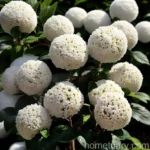
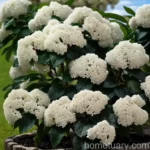
Ornamental Display: The captivating beauty of doublefile viburnum, characterized by its horizontal branching structure and abundant blooms, makes it a spectacular ornamental specimen in garden settings. It adds a touch of elegance and charm to the landscape, particularly during the flowering season.
-
Hedging and Screening: Due to its spreading growth habit and dense foliage, doublefile viburnum is well-suited for hedging and screening purposes. It offers an effective and visually appealing way to delineate outdoor spaces and provide privacy.
-
Wildlife Attraction: The rich nectar and abundant blooms of doublefile viburnum attract pollinators, including bees and butterflies, contributing to the support of local ecosystems.
-
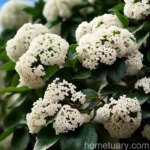
Cut Flower Arrangements: The showy, lacecap-like blooms of doublefile viburnum are prized for their suitability in cut flower arrangements, adding a touch of natural beauty to floral displays.
-
Fragrance: Some varieties of doublefile viburnum exhibit a delightful fragrance, enhancing the sensory experience of outdoor spaces and captivating the senses with their alluring scent.
Popularity
In the realm of ornamental shrubs, doublefile viburnum holds a position of distinction and popularity among gardening enthusiasts. Its allure and versatility make it a highly sought-after plant for diverse landscape applications.
Common Varieties
Several noteworthy varieties of doublefile viburnum have gained acclaim for their unique attributes and exceptional ornamental appeal. Some popular varieties include:
- Viburnum plicatum f. tomentosum ‘Mariesii’
- Viburnum plicatum f. tomentosum ‘Summer Snowflake’
- Viburnum plicatum f. tomentosum ‘Pink Beauty’
Each of these varieties showcases distinct features, such as flower color, growth habit, and foliage texture, contributing to their individual charm and desirability in garden settings.
Common Diseases and Pest
While doublefile viburnum is generally resilient, it is susceptible to certain diseases and pests that can potentially impact its health and vigor. Understanding these potential challenges is essential for effective management and proactive measures to preserve the well-being of the plant.
Disease Diagnosis
Some common diseases that may affect doublefile viburnum include:
- Powdery Mildew
- Leaf Spot
- Canker Diseases
- Bacterial Blight
These diseases may manifest as visible symptoms on the foliage, stems, or overall health of the plant. Proper diagnosis and timely intervention are crucial for addressing these issues and preventing their spread.
Common Pests
Doublefile viburnum may be subject to infestations by various pests, including:
- Aphids
- Scale Insects
- Spider Mites
- Viburnum Beetle
These pests can have detrimental effects on the plant by feeding on the foliage, causing deformities, and weakening its overall condition. Implementing suitable pest management strategies is vital for mitigating their impact and preserving the health of doublefile viburnum.
Botanist’s Tips
For aspiring gardeners and enthusiasts looking to cultivate doublefile viburnum, the following tips from seasoned botanists can offer valuable insights and guidance for successful cultivation and appreciation of this exceptional shrub.
-
Selecting a Suitable Location: When planting doublefile viburnum, choose a site with well-draining soil and ample sunlight to provide an optimal growing environment for the plant.
-
Monitoring Moisture Levels: Regularly monitor the soil moisture levels, particularly during periods of intense heat or drought, to ensure adequate hydration for the shrub.
-
Pruning Techniques: Familiarize yourself with proper pruning techniques for doublefile viburnum, and conduct pruning activities with care to maintain its natural form and promote healthy growth.
-
Pest and Disease Vigilance: Keep a watchful eye for signs of pests and diseases, and promptly address any issues to prevent their escalation and minimize potential damage to the plant.
-
Appreciating Seasonal Changes: Observe and appreciate the seasonal changes of doublefile viburnum, from its captivating blooms in spring to the rich foliage display in summer and the potential fall coloration in autumn.
Fun Facts
As we celebrate the remarkable qualities of doublefile viburnum, here are some fun and intriguing facts about this beloved shrub that illuminate its charm and appeal.
-
Doublefile viburnum is native to East Asia, including regions of Japan, Korea, and China, where it thrives in natural woodland settings and forest margins.
-
The distinctive horizontal branching pattern of doublefile viburnum provides visual interest and creates an enchanting layered effect, adding architectural charm to garden landscapes.
-
In addition to its captivating floral display, some cultivars of doublefile viburnum exhibit striking fall foliage, showcasing hues of red, burgundy, and purple, enhancing the autumn landscape.
-
Certain varieties of doublefile viburnum emit a delightful fragrance, infusing the surrounding atmosphere with an alluring scent that adds to the sensory appeal of garden spaces.
Links to External Resources
For further information and resources on doublefile viburnum, including detailed care guides, cultivation tips, and horticultural insights, consider exploring the following links:
-
University of Florida IFAS Extension: Viburnum plicatum f. tomentosum ‘Shasta’ – A comprehensive guide to the ‘Shasta’ variety of doublefile viburnum, offering detailed insights into its characteristics and cultivation requirements.
-
Missouri Botanical Garden: Viburnum plicatum f. tomentosum – An in-depth resource outlining the botanical aspects and landscape uses of Viburnum plicatum f. tomentosum, shedding light on its diverse applications in horticulture.
-
Royal Horticultural Society: Viburnum plicatum f. tomentosum ‘Shasta’ – A valuable resource providing insights into the ‘Shasta’ variety of doublefile viburnum, including its growth habits, cultural requirements, and ornamental attributes.
-
North Carolina State University Extension: Viburnum Leaf Beetle – An informative guide addressing the Viburnum Leaf Beetle, a potential pest that can impact the health of doublefile viburnum and related species, offering management strategies and control measures.
Conclusion
Doublefile viburnum, particularly the ‘Shasta’ variety, stands as a testament to the enduring allure and ornamental value of this exceptional shrub. Its captivating blooms, elegant form, and versatility in landscaping applications make it a cherished addition to gardens and outdoor spaces. By understanding its cultural requirements, embracing its uses, and addressing potential challenges, gardeners can foster the beauty and vitality of doublefile viburnum, creating captivating outdoor environments that are enriched by the presence of this remarkable plant.
As we conclude this comprehensive guide, I hope that the insights and information provided have deepened your appreciation and understanding of doublefile viburnum, empowering you to cultivate and enjoy the splendor of this exceptional shrub in your own outdoor spaces.