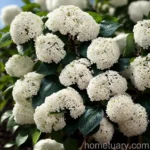
Sandankwa Viburnum (Viburnum suspensum): A Complete Guide
Table of Contents
- What is Sandankwa Viburnum?
- Key Takeaways
- Culture
- Uses
- Water
- Sunlight
- Fertilizer
- Soil
- Pruning
- Propagation
- Container Popularity
- Container Common Diseases
- Disease Diagnosis
- Common Pests
- Botanist’s Tips
- Fun Facts
- Links to External Resources
1. What is Sandankwa Viburnum?
The Sandankwa Viburnum, scientifically known as Viburnum suspensum, is a versatile and attractive evergreen shrub that belongs to the Adoxaceae family. Native to Japan, this plant is popular for its lush foliage, showy clusters of flowers, and versatility in landscaping.
2. Key Takeaways – Sandankwa Viburnum (Viburnum suspensum)
Here are some key takeaways about the Sandankwa Viburnum:
- Scientific Name: Viburnum suspensum
- Common Name: Sandankwa Viburnum
- Plant Type: Evergreen Shrub
- Native Range: Japan
- Uses: Landscaping, hedging, and ornamental purposes
- Key Features: Lustrous leaves, fragrant flowers, and dense growth habit
- Special Characteristics: Deer resistant and drought tolerant
- Landscaping Uses: Hedges, screens, and foundation plantings
3. Culture
The Sandankwa Viburnum is relatively easy to grow and care for, making it a favorite among amateur gardeners and professional landscapers alike. When it comes to its cultural requirements, the following factors should be considered:
- Hardiness Zone: Suitable for USDA Hardiness Zones 8-11
- Temperature Tolerance: Moderately heat and cold tolerant
- Watering: Moderate water needs; drought tolerant once established
- Pruning: Responds well to regular pruning; can be shaped into hedges
- Soil Type: Well-draining, fertile soil is ideal
- pH Level: Slightly acidic to neutral soil pH range (6.0-7.5)
- Fertilization: Benefits from regular feeding during the growing season
- Sunlight: Thrives in full sun to partial shade conditions
4. Uses
The Sandankwa Viburnum is a versatile plant with various uses in landscaping and gardening. Some of its primary uses include:
- Hedging: Its dense foliage and natural growth habit make it an excellent choice for creating formal or informal hedges.
- Landscaping: It can be used as a specimen plant, in group plantings, or as a backdrop to other flowering plants.
- Privacy Screening: Its dense growth and moderate height make it an effective privacy screen when planted closely together.
- Potted Plant: Can be grown in containers for patio or balcony gardens.
5. Water
Proper watering is essential for the health and vigor of the Sandankwa Viburnum. Although it is drought tolerant once established, consistent moisture is crucial, especially during the establishment phase. Here are some key points to note regarding its water requirements:
- Establishment: Water deeply immediately after planting to encourage root establishment.
- Young Plants: Regular watering is essential for young plants, especially during dry spells.
- Mature Plants: Once established, can withstand occasional dry periods, but regular watering is still beneficial, especially in hot climates.
- Watering Frequency: Water deeply 1-2 times per week during the growing season, more frequently during hot and dry periods.
- Soil Moisture: Ensure the soil is well-draining to prevent waterlogging, but retain sufficient moisture for healthy growth.
6. Sunlight
The Sandankwa Viburnum is adaptable to various light conditions, making it suitable for a range of landscaping settings. Understanding its sunlight preferences is vital for optimal growth and performance:
- Full Sun: Thrives in full sun conditions, resulting in dense growth and abundant flowering.
- Partial Shade: Tolerates partial shade, making it suitable for areas with filtered sunlight or dappled shade.
- Light Requirements: Ideally, it should receive at least 4-6 hours of direct sunlight daily for best results.
- Sun Exposure: South or west-facing locations are ideal for maximizing sunlight exposure.
7. Fertilizer
Feeding the Sandankwa Viburnum with the right nutrients is vital for promoting healthy growth, lush foliage, and abundant flowering. Here are some key considerations for fertilizing this versatile shrub:
- Fertilizer Type: Use a balanced, slow-release fertilizer formulated for shrubs and trees.
- Application Time: Fertilize in early spring before new growth begins, and again in late spring or early summer if needed.
- Application Rate: Follow the recommended application rates based on the manufacturer’s instructions.
- Avoid Overfeeding: Excessive fertilizer can lead to excessive foliage growth at the expense of flower production.
- Organic Options: Organic compost and well-decomposed manure can also be used as a natural fertilizer alternative.
8. Soil
The soil quality and composition play a significant role in the overall health and development of the Sandankwa Viburnum. Understanding its soil requirements is crucial for successful cultivation:
- Soil Type: Well-draining, loamy soil is ideal for optimal growth.
- Soil Structure: Loose, friable soil with good aeration and drainage is preferred.
- Organic Matter: Adding compost or organic matter during planting can improve soil fertility and structure.
- Soil pH: Aim for a slightly acidic to neutral pH range between 6.0 and 7.5 for best results.
- Soil Amendments: If the soil is heavy or compacted, amending it with sand or perlite can improve drainage.
9. Pruning
Pruning is an important aspect of Sandankwa Viburnum care, especially for maintaining its desired shape, controlling size, and promoting flowering. Here are some key points to consider regarding pruning:
- Timing: Prune in late winter to early spring before new growth emerges.
- Method: Use sharp, clean pruning shears to make clean cuts, and remove dead, damaged, or overgrown branches.
- Shaping: Can be pruned and shaped into formal hedges or left to grow naturally as a specimen plant.
- Thinning: Regular thinning of older branches can improve airflow and light penetration, promoting overall health.
- Caution: Avoid heavy pruning during the growing season, as it can affect flower bud production for the following year.
10. Propagation
Propagating the Sandankwa Viburnum allows gardeners to expand their plant collection or share this beautiful shrub with others. Here are some common methods of propagation for this plant:
- Softwood Cuttings: Take 4-6 inch cuttings from the current season’s growth in late spring or early summer. Remove the lower leaves and dip the cut ends in a rooting hormone before planting in a well-draining potting mix.
- Hardwood Cuttings: Collect mature, woody cuttings in late winter and plant them in a potting mix or directly in the ground. Keep the soil consistently moist until roots develop.
- Layering: Bend a low-growing branch to the ground, wound a small section of the stem, and cover it with soil. Roots should develop at the wounded area, and the rooted section can be separated and transplanted once established.
11. Container Popularity
The Sandankwa Viburnum’s adaptability and ornamental value make it a popular choice for container gardening. Here are some key points to consider when growing this plant in containers:
- Container Size: Use a large, sturdy container that accommodates the mature size of the plant and provides ample root space.
- Soil Mix: Use a well-draining, high-quality potting mix enriched with organic matter for optimal growth.
- Drainage: Ensure the container has adequate drainage holes to prevent waterlogging.
- Placement: Position the container in a location that receives at least 4-6 hours of direct sunlight daily for best results.
12. Container Common Diseases
While container cultivation can protect plants from some soil-borne diseases, certain common diseases can still affect the Sandankwa Viburnum when grown in containers:
- Root Rot: Overwatering or poor drainage can lead to root rot, causing wilting, yellowing foliage, and overall decline.
- Powdery Mildew: Humid conditions and poor air circulation can lead to powdery mildew on the leaves, resulting in a white powdery coating and leaf distortion.
- Leaf Spot: Fungal leaf spot diseases can occur in excessively moist conditions, causing dark spots or lesions on the foliage.
13. Disease Diagnosis
Diagnosing and addressing diseases promptly is crucial for preventing the spread of infections and preserving the health of the Sandankwa Viburnum. Here are some common symptoms and diagnostic tips for diseases that can affect this plant:
- Visual Inspection: Regularly inspect the foliage for any signs of discoloration, wilting, or abnormal growth.
- Leaf Examination: Look for spots, lesions, or powdery coatings on the leaves, which can indicate fungal diseases.
- Root Inspection: Check the roots for any signs of rotting, darkening, or foul odor, which may indicate root rot.
14. Common Pests
The Sandankwa Viburnum is generally resistant to most pests, but certain insects can still pose a threat to its health. Here are some common pests to watch out for:
- Aphids: These small, soft-bodied insects can cluster on the new growth, sucking sap and causing distorted leaves.
- Scale Insects: Armored or soft scale insects can attach to the stems and leaves, feeding on plant juices and excreting sticky honeydew.
- Whiteflies: These tiny, moth-like insects can infest the undersides of the leaves, causing yellowing and stunted growth.
15. Botanist’s Tips
As a plant scientist, it’s important to offer valuable tips and insights for cultivating the Sandankwa Viburnum successfully. Here are some expert tips for growing and caring for this versatile shrub:
- Mulching: Apply a layer of organic mulch around the base of the plant to conserve moisture, suppress weeds, and improve soil structure.
- Companion Planting: Pair the Sandankwa Viburnum with other drought-tolerant, deer-resistant plants for a low-maintenance landscape.
- Wildlife Attraction: The fragrant flowers can attract pollinators, adding biodiversity to the garden while enhancing its ornamental value.
16. Fun Facts
Uncovering intriguing and lesser-known facts about plants adds a sense of wonder and curiosity to gardening. Here are some fun facts about the Sandankwa Viburnum:
- Fragrant Flowers: The clusters of small, white flowers emit a pleasant, sweet fragrance that attracts pollinators.
- Winter Interest: The evergreen foliage provides year-round interest in the landscape, adding color and texture during the cooler months.
- Historical Uses: Viburnum species have been used in traditional medicine for various purposes, including treating fevers and promoting overall wellness.
17. Links to External Resources
For further information and resources on Sandankwa Viburnum (Viburnum suspensum) care and cultivation, please refer to the following links:
- Gardening Know How – Sandankwa Viburnum Plant Care
- University of Florida IFAS Extension – Viburnum suspensum
- North Carolina State University Extension – Viburnum suspensum Landscape Uses
- The Spruce – Growing Viburnum Shrubs
In conclusion, the Sandankwa Viburnum (Viburnum suspensum) is a versatile and attractive shrub that offers year-round interest, fragrant flowers, and low-maintenance care requirements. By understanding its cultural needs, uses, and potential challenges, gardeners and landscapers can confidently incorporate this plant into their outdoor spaces, adding beauty and functionality to their landscapes.