American Cranberrybush Viburnum (Viburnum Trilobum)
Plants are a vital part of our environment, providing us with essential resources and adding natural beauty to our surroundings. Among the plethora of.
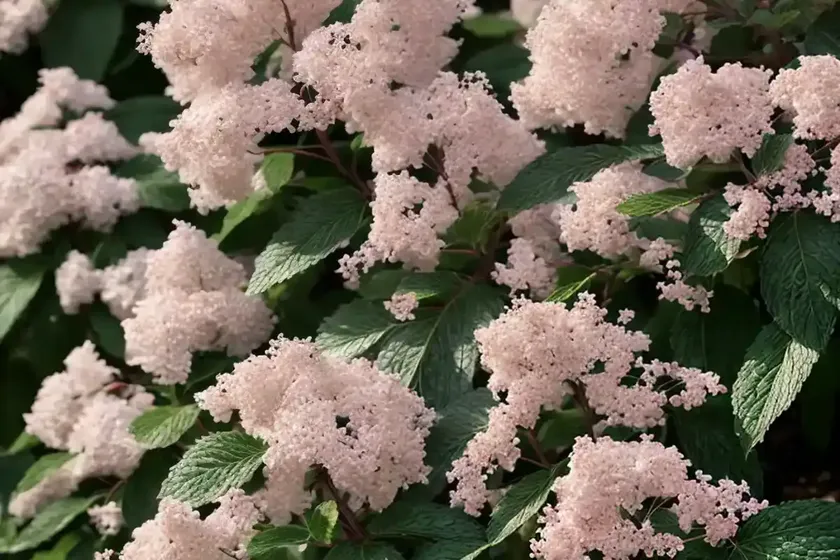
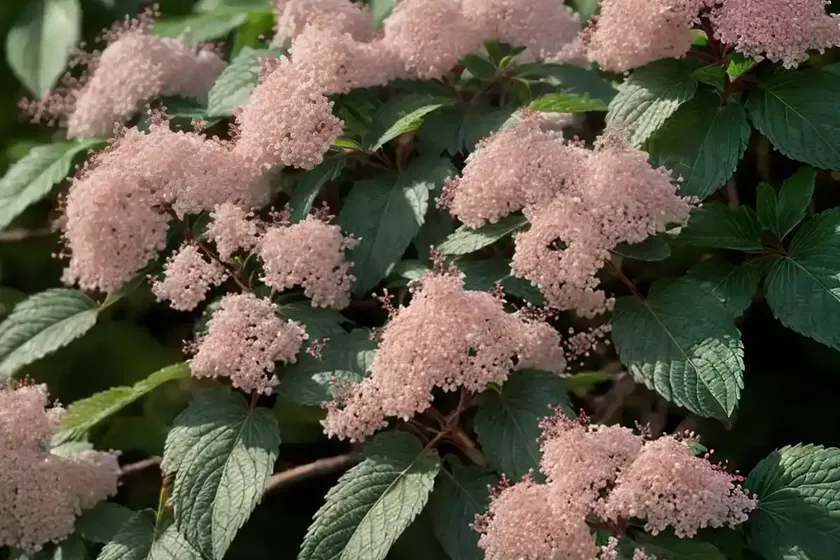
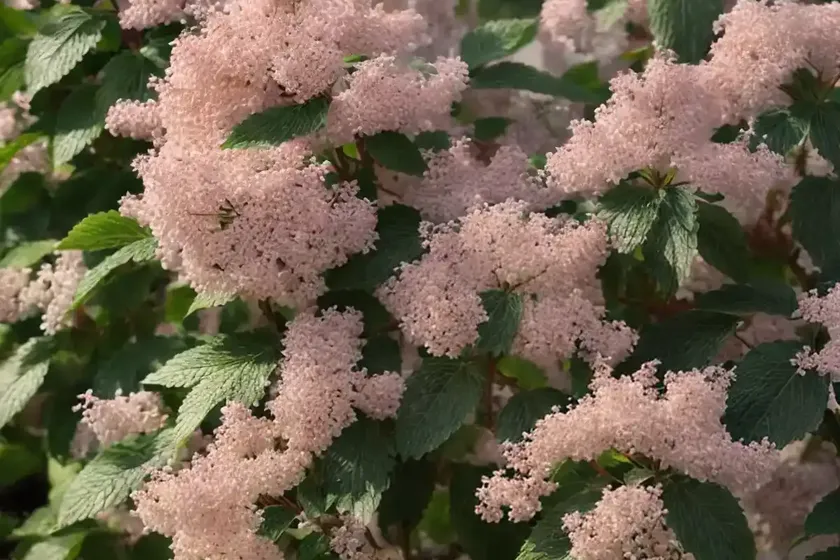
Plants are a vital part of our environment, providing us with essential resources and adding natural beauty to our surroundings. Among the plethora of plant species, the American Cranberrybush Viburnum (Viburnum trilobum) stands out for its remarkable features and diverse uses. In this comprehensive guide, we will delve into the world of the American Cranberrybush Viburnum, exploring its characteristics, uses, cultivation techniques, and much more. Whether you’re a seasoned gardener or a plant enthusiast, this guide will equip you with valuable insights into this captivating plant.
What is the American Cranberrybush Viburnum (Viburnum Trilobum)?
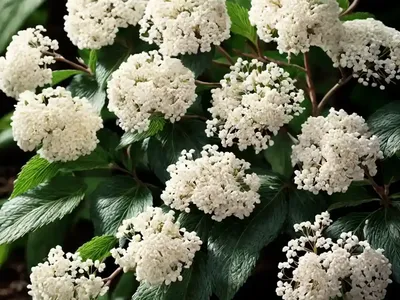
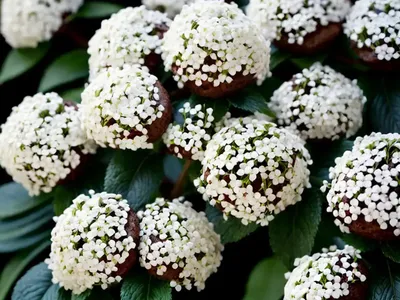
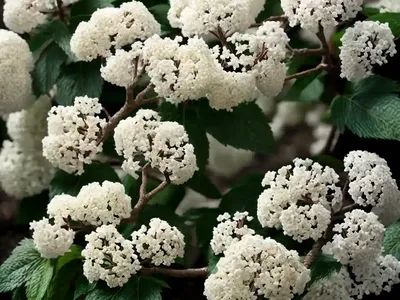
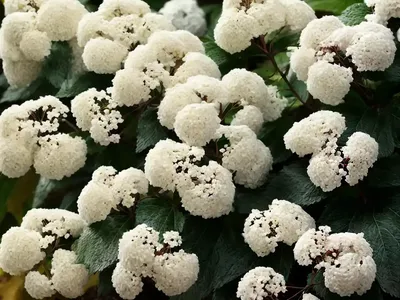
The American Cranberrybush Viburnum, scientifically known as Viburnum trilobum, is a deciduous shrub that belongs to the honeysuckle family (Adoxaceae). Native to North America, this plant is known for its outstanding ornamental features, including clusters of white flowers, vibrant fall foliage, and bright red berries. It is a versatile shrub that is commonly used for landscaping, wildlife support, and even culinary purposes.
Key Takeaways – American Cranberrybush Viburnum (Viburnum Trilobum)
Let’s start by summarizing the key takeaways about the American Cranberrybush Viburnum to provide a comprehensive view of its attributes and uses.
| Key Takeaways |
|---|
| Benefits |
| 1. Adds aesthetic appeal to landscapes |
| 2. Attracts wildlife like birds and butterflies |
| 3. Produces edible berries with potential health benefits |
| Uses: |
| 1. Ornamental landscaping |
| 2. Wildlife habitat support |
| 3. Culinary utilization of berries |
| Health Benefits: |
| 1. Potential medicinal properties of the berries |
| 2. Wildlife attraction enhances ecosystem health |
| 3. Aesthetically pleasing landscapes promote mental well-being |
Now, let’s delve deeper into each aspect, focusing on the cultural requirements, uses, care tips, common diseases, pests, and other significant details related to the American Cranberrybush Viburnum.
Culture
The successful cultivation of the American Cranberrybush Viburnum relies on understanding its specific cultural requirements. From water and sunlight needs to soil and fertilizer preferences, every aspect of its culture plays a crucial role in nurturing a healthy and vibrant plant.
Water
Proper watering is essential for the initial establishment and long-term growth of the American Cranberrybush Viburnum. Here are the key points to keep in mind regarding its water requirements:
- Establishment: During the initial planting phase, provide regular watering to ensure that the plant’s root system develops effectively. This is particularly crucial during dry spells to support the establishment of the shrub.
- Mature Plants: Once established, the American Cranberrybush Viburnum is relatively drought-tolerant. However, during prolonged dry periods, it’s beneficial to supplement natural rainfall with additional watering, especially for optimal berry production and overall plant health.
Sunlight
Sunlight is a vital factor that directly influences the growth, flowering, and fruiting of the American Cranberrybush Viburnum. Understanding its sunlight preferences is crucial for ensuring robust growth and blooming.
- Full Sun to Partial Shade: The American Cranberrybush Viburnum thrives in a variety of light conditions, ranging from full sun to partial shade. However, it tends to exhibit the best flowering and fruiting performance when planted in full sun or partial shade.
- Optimal Sun Exposure: Providing the plant with around 6-8 hours of direct sunlight per day is ideal for ensuring healthy growth and prolific flowering.
Fertilizer
While the American Cranberrybush Viburnum is generally adaptable to various soil types, providing appropriate fertilization can further enhance its growth and overall vigor.
- Balanced Fertilizer: During the plant’s active growing season in spring, applying a balanced slow-release fertilizer can provide essential nutrients to support robust growth and the development of vibrant foliage and flowers.
- Organic Amendments: Incorporating organic matter, such as compost or well-rotted manure, into the soil during planting or as a top dressing can enhance soil fertility and contribute to the long-term health of the shrub.
Soil
Understanding the soil preferences of the American Cranberrybush Viburnum is instrumental in creating an optimal growing environment for the plant.
- Well-Drained Soil: This shrub prefers well-drained soil and is adaptable to a range of soil types, including loamy, sandy, or clay soils. Avoid waterlogged or excessively compacted soil to prevent issues such as root rot.
- pH Range: The American Cranberrybush Viburnum thrives in slightly acidic to neutral soil with a pH range of 5.5 to 7.5. Conducting a soil test and amending the pH as needed can ensure an ideal growing environment for the plant.
Pruning
Pruning is essential for maintaining the shape, vigor, and flowering potential of the American Cranberrybush Viburnum. Proper pruning techniques can help control the plant’s size, promote abundant blooming, and rejuvenate older shrubs.
Pruning Time
- Early Spring: Conduct major pruning, such as shaping and rejuvenation, during early spring before the plant enters its active growth phase. This allows for optimal recovery and regrowth following pruning.
- Deadheading: Removing spent flowers after the blooming period not only enhances the plant’s appearance but also promotes energy allocation towards vegetative growth and potential berry production.
Pruning Techniques
- Thinning Outward Growth: Encourage air circulation and sunlight penetration by selectively removing overcrowded branches, especially those growing towards the center of the shrub.
- Size Control: To maintain the desired size and shape, selectively prune the tallest or widest branches, ensuring to make clean cuts just above a set of healthy outward-facing buds.
Propagation
The propagation of the American Cranberrybush Viburnum allows for the expansion of its presence in gardens and landscapes. Understanding the various propagation methods can empower gardeners to multiply this captivating shrub effectively.
Propagation Methods
- Softwood Cuttings: During the early summer months, take softwood cuttings from the current season’s growth and root them in a suitable growing medium under controlled conditions to establish new plants.
- Division: Dividing mature clumps of the American Cranberrybush Viburnum can be done during the dormant season, with each division containing a portion of the root system and with multiple shoots for successful establishment.
Container Popularity
The American Cranberrybush Viburnum’s adaptability to container cultivation has gained popularity among urban gardeners, balcony enthusiasts, and those looking to add ornamental value to outdoor living spaces.
- Space Utilization: Containers offer the flexibility to grow this shrub in various outdoor settings, including patios, balconies, and small gardens, where in-ground planting may not be feasible.
- Aesthetic Appeal: The vibrant foliage, showy flowers, and colorful berries of the American Cranberrybush Viburnum make it a visually appealing addition to container gardens, providing seasonal interest and ornamental value.
Container Care Tips
- Container Selection: Choose a spacious container with adequate drainage holes to accommodate the plant’s root system and provide essential air circulation to the roots.
- Regular Watering: Containers generally require more frequent watering than in-ground plantings, especially during hot and dry periods. Monitor the soil moisture and water the plant when the top inch of the soil becomes dry.
Common Diseases
While the American Cranberrybush Viburnum is relatively resistant to diseases, certain environmental conditions and pathogens can occasionally lead to disease issues. Being aware of common diseases and their management can help maintain the plant’s health and vigor.
Disease Diagnosis
Here are some common diseases that may affect the American Cranberrybush Viburnum and their identifying symptoms:
- Powdery Mildew: This fungal disease presents as a white, powdery growth on the leaves, often leading to leaf distortion and premature defoliation.
- Leaf Spot: Circular or irregular dark spots on the leaves, often surrounded by a yellow halo, may indicate a leaf spot disease, caused by various fungal pathogens.
- Anthracnose: Dark, sunken lesions on the stems and leaves, often accompanied by wilting and dieback, can be indicative of anthracnose infection.
Disease Management
- Cultural Practices: Implementing proper cultural practices, such as adequate spacing between plants, promoting good air circulation, and avoiding overhead watering, can help minimize disease incidence.
- Fungicidal Treatments: In cases of severe or recurrent fungal diseases, applying appropriate fungicidal treatments according to label instructions can help control the spread of the pathogens.
Common Pests
Pests can occasionally pose challenges to the American Cranberrybush Viburnum, affecting its foliage, flowers, and overall vitality. Identifying common pests and adopting suitable pest management strategies is essential for preserving the plant’s health and aesthetic appeal.
Common Pests
- Aphids: These small, soft-bodied insects may congregate on the new growth and undersides of leaves, causing deformation, yellowing, and stunted growth.
- Scale Insects: Scale insects can appear as small, immobile bumps on the stems and leaves, often leading to yellowing, wilting, and the weakening of the plant.
- Viburnum Leaf Beetle: The larvae of this beetle feed on the foliage, resulting in skeletonized leaves and potential defoliation if left unchecked.
Pest Control
- Biological Control: Natural predators and parasitoids, such as ladybugs and predatory wasps, can assist in controlling aphid and scale insect populations in an organic and sustainable manner.
- Horticultural Oils: Applying horticultural oils during the dormant season can help smother overwintering pests, such as scale insects, before they become active in the spring.
Botanist’s Tips
Maximizing Wildlife Support
The American Cranberrybush Viburnum’s attractive features make it an excellent addition to wildlife-friendly landscapes, providing essential resources and habitat for various species.
- Bird Attraction: The bright red berries of this shrub serve as a valuable food source for birds during the fall and winter, attracting a diverse array of avian species to the garden.
- Butterfly Support: The nectar-rich flowers of the American Cranberrybush Viburnum entice butterflies and other pollinators, contributing to the overall biodiversity of the landscape.
Environmental Benefits
Beyond its ornamental and ecological significance, this plant offers several environmental benefits that contribute to sustainable and resilient landscapes.
- Erosion Control: The dense root system and robust growth habit of the American Cranberrybush Viburnum make it an effective choice for stabilizing soil on slopes and preventing erosion.
- Air Quality Improvement: Like many other plants, this shrub contributes to the purification of the air by absorbing carbon dioxide and releasing oxygen, enhancing the overall air quality of its surroundings.
Fun Facts
- The American Cranberrybush Viburnum is also known by alternate common names, including Highbush Cranberry and Cranberrybush Viburnum.
- Native American tribes historically utilized various parts of the plant for medicinal and culinary purposes, recognizing its valuable attributes.
- The striking fall foliage of this shrub often manifests in hues of deep red, burgundy, and purple, adding a dramatic touch to autumn landscapes.
- While the plant’s berries are edible when fully ripe, they are typically quite tart and are often used in preserves, sauces, and jellies after sweetening.
Links to External Resources
For further exploration and in-depth information on the American Cranberrybush Viburnum, the following external resources are valuable references:
- Native Plant Database – American Cranberrybush Viburnum
- USDA Plants Database – Viburnum trilobum
- Missouri Botanical Garden – Viburnum trilobum
- The Morton Arboretum – Highbush Cranberry
By thoroughly understanding the cultural requirements, uses, care tips, diseases, pests, and fascinating aspects of the American Cranberrybush Viburnum, we can truly appreciate the remarkable value and significance of this plant in our natural and cultivated landscapes. Whether adorning gardens with its beauty, providing sustenance for wildlife, or enhancing the overall biodiversity, the American Cranberrybush Viburnum undoubtedly holds a special place in the world of horticulture and environmental stewardship.