Summer Grape (Vitis Aestivalis)
Vitis aestivalis, commonly known as summer grape, is a species of grape native to the eastern United States. This plant has a rich cultural history.
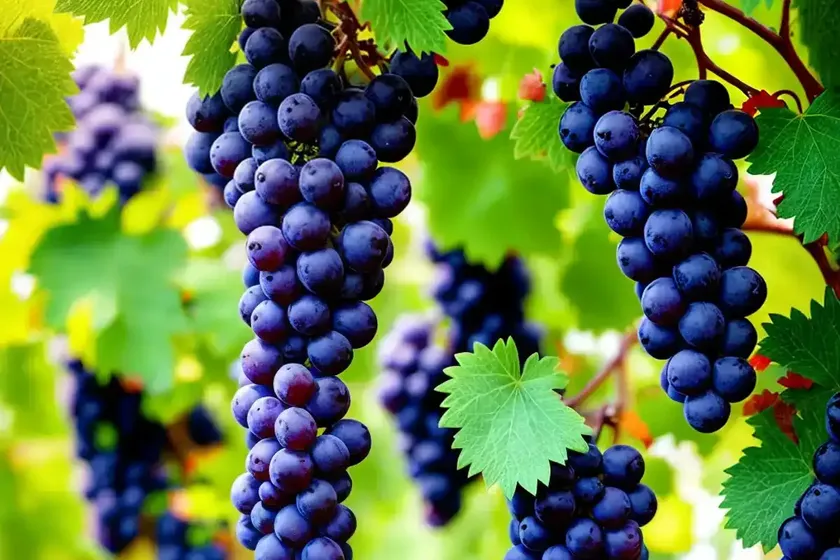
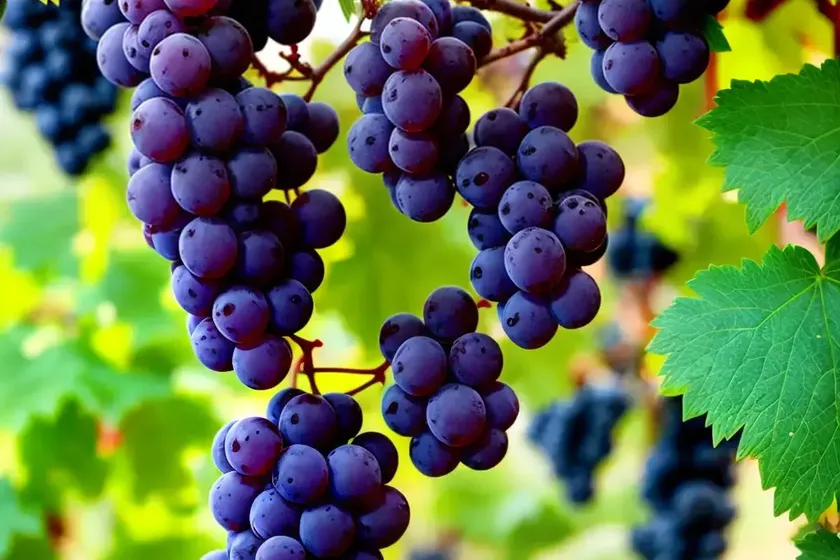
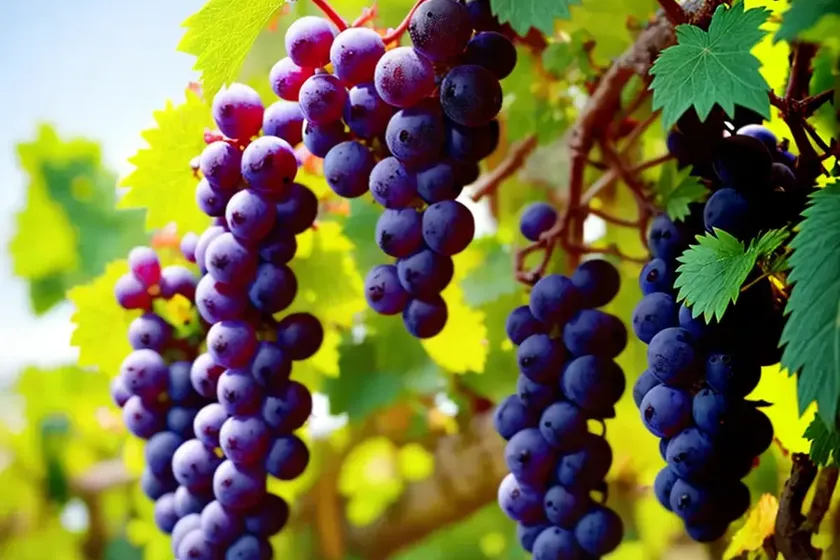
Vitis aestivalis, commonly known as summer grape, is a species of grape native to the eastern United States. This plant has a rich cultural history, extensive uses, and versatile cultivation requirements. As a plant scientist deeply passionate about vine cultivation, I find the summer grape to be an intriguing subject with its wealth of characteristics and benefits. In this comprehensive guide, we will explore the culture, uses, care tips, diseases, and much more related to Vitis aestivalis.
What is the Summer Grape (Vitis aestivalis)?
Vitis aestivalis is a species of grapevine in the Vitaceae family. It is a deciduous woody vine known for its small, flavorful grapes and resilience to various climatic conditions. The plant’s leaves are alternate, palmately lobed, and its fruit ripens from late summer to early fall. Cultivated primarily for its fruit, summer grape vines are also valued for their ornamental foliage and as wildlife attractants.
Key Takeaways – Summer Grape (Vitis aestivalis)
Before diving into the specifics of growing and caring for summer grape vines, let’s summarize the key takeaways about this versatile plant:
- Botanical Name: Vitis aestivalis
- Common Names: Summer grape
- Cultivation: Versatile, adaptable to a range of climates
- Uses: Culinary, ornamental, wildlife attractant, medicinal
- Characteristics: Small, flavorful grapes, deciduous woody vine
- Cultural Significance: Native to the eastern United States
- Challenges: Susceptible to certain diseases and pests
- Growth Habit: Climbing vine suitable for trellising
- Harvest Time: Late summer to early fall
Now that we have an overview of the summer grape, let’s delve into the specifics of its culture, uses, and care requirements for successful cultivation.
Culture
Water
Proper irrigation is essential for the healthy growth and development of summer grapevines. Adequate water supply during the growing season, particularly during fruit development, is crucial. However, it is equally important to avoid overwatering, which can lead to waterlogged soil and root rot.
To gauge the vine’s water needs, consider the following factors:
- Soil Moisture: Check the soil moisture regularly and water when the top few inches of soil feel dry to the touch.
- Climate: Adjust the frequency and volume of watering based on the local climate, taking into account rainfall patterns and temperature.
Sunlight
Summer grapevines thrive in full sunlight. Select a planting site that receives at least 6-8 hours of direct sunlight per day. Adequate sunlight is essential for the vines to produce healthy foliage and develop flavorful grapes.
When planning the vineyard layout or choosing a site for home cultivation, consider the following sunlight requirements:
- Orientation: Plant vines in a north-south orientation to ensure even sunlight exposure on both sides.
- Shading: Avoid planting near structures or tall trees that may cast shade on the vines during the day.
Fertilizer
Proper fertilization supports the growth, fruit production, and overall health of summer grapevines. Before applying any fertilizers, conducting a soil test can provide valuable insights into the vineyard’s nutrient needs. Choose a balanced fertilizer specifically formulated for grapevines or use organic alternatives such as compost or well-rotted manure.
Consider the following guidelines for fertilizing summer grapevines:
- Timing: Apply fertilizers in early spring before new growth begins and again in late spring or early summer if necessary.
- Nutrient Balance: Ensure the fertilizer provides a balanced mix of essential nutrients, including nitrogen, phosphorus, and potassium.
- Organic Options: Utilize organic fertilizers to improve soil health and foster sustainable vineyard practices.
Soil
The soil composition and structure play a significant role in the growth and productivity of summer grapevines. Well-drained soil with good fertility and a slightly acidic to neutral pH range (pH 6.0-6.5) is ideal for cultivating Vitis aestivalis. Additionally, soil rich in organic matter supports root development and water retention.
When preparing the soil for planting summer grapevines, consider the following soil-related factors:
- Drainage: Ensure the planting site has adequate drainage to prevent waterlogging, which can harm the vine’s roots.
- Soil pH: Test the soil pH and make amendments if necessary to achieve the optimal pH range for grapevines.
- Organic Matter: Incorporate organic amendments such as compost or well-rotted manure to improve soil structure and fertility.
Pruning
Pruning is a vital cultural practice for maintaining vine health, regulating growth, and promoting fruit production in summer grapevines. Proper pruning helps manage the vine’s canopy, improve air circulation, and facilitate sunlight exposure to the grape clusters.
Key considerations for pruning summer grapevines include:
- Timing: Prune dormant vines during the late winter or early spring to encourage vigorous new growth in the upcoming season.
- Techniques: Utilize appropriate pruning techniques, such as spur pruning or cane pruning, based on the vine’s age and training system.
- Sanitation: Use clean, sharp pruning tools and follow proper sanitation practices to minimize the risk of disease transmission.
Propagation
Propagation of summer grapevines allows for the expansion of vineyards, the preservation of desirable genetic traits, and the establishment of new plants for research or ornamental purposes. Vitis aestivalis can be propagated through various methods, including hardwood cuttings, softwood cuttings, and grafting.
When propagating summer grapevines, consider the following factors relevant to successful propagation:
- Propagation Method: Select the most suitable propagation method based on the intended purpose and the availability of resources.
- Timing: Time propagation activities to coincide with the plant’s natural growth cycle and favorable environmental conditions.
- Rooting Medium: Provide a suitable rooting medium and environmental conditions to promote the establishment of new roots and the successful development of propagated plants.
Container Popularity
In addition to traditional vineyard cultivation, summer grapevines are increasingly popular for container gardening. Growing grapevines in containers offers flexibility in terms of placement, makes it easier to control growing conditions, and is well-suited for small gardens, patios, or urban settings.
When considering container cultivation for summer grapevines, keep the following factors in mind:
- Container Size: Use large, sturdy containers with adequate drainage and support for the vigorous growth of grapevines.
- Growing Medium: Select a well-draining potting mix rich in organic matter to support healthy root development and water retention.
- Training and Support: Provide suitable trellising or support structures to guide the vine’s growth and manage its canopy within the confines of the container.
Common Diseases
Despite its resilience, summer grapevines are susceptible to certain diseases and disorders that can impact vine health and fruit quality. Familiarizing oneself with common grapevine diseases and their management strategies is essential for maintaining a productive and healthy vineyard.
Common diseases that affect Vitis aestivalis include:
- Powdery Mildew: A fungal disease that presents as a powdery white coating on leaves and can impact fruit quality.
- Downy Mildew: Another fungal disease that causes yellow or brown spots on leaves and can lead to defoliation and reduced fruit yield.
- Black Rot: A fungal disease that affects the fruit, causing dark, sunken lesions and leading to fruit decay.
- Anthracnose: Known for causing irregular tan to brown lesions on leaves and fruit, impacting overall vine health.
Understanding the symptoms, causal agents, and management strategies for these and other grapevine diseases is crucial for effective disease prevention and control.
Disease Diagnosis
Timely and accurate diagnosis of grapevine diseases is fundamental for implementing appropriate management strategies. Visual symptoms, laboratory testing, and the expertise of plant pathologists and viticulturists are valuable in diagnosing specific diseases and identifying causal agents.
Key steps in disease diagnosis for summer grapevines include:
- Symptom Observation: Carefully observe the visual symptoms on leaves, shoots, and fruit, noting any changes in color, texture, or overall appearance.
- Laboratory Analysis: When in doubt, collect and submit plant samples for laboratory analysis to identify pathogens or confirm disease presence.
- Professional Consultation: Seek guidance from experienced professionals in the field of viticulture to obtain accurate diagnosis and tailored recommendations for disease management.
Common Pests
In addition to diseases, summer grapevines can be affected by various pests that can impact vine health, fruit quality, and overall productivity. Pests such as grapevine phylloxera, grape berry moth, and grape leafhoppers pose challenges to grape growers and necessitate proactive pest management strategies.
Some common pests that may affect Vitis aestivalis include:
- Grapevine Phylloxera: Small, yellow insects that feed on roots and leaves, causing damage and negatively affecting vine vigor.
- Grape Berry Moth: Larvae of this moth feed on grape clusters, leading to fruit damage and potential crop loss if left uncontrolled.
- Grape Leafhoppers: These pests feed on plant sap, causing stippling on leaves and potentially transmitting phytoplasmas and viruses to grapevines.
Understanding the biology, behavior, and lifecycle of these and other pests is essential for implementing effective pest management measures.
Botanist’s Tips
As a plant scientist deeply invested in the field of viticulture, I would like to offer the following tips for cultivating and maintaining healthy summer grapevines:
- Soil Preparation: Prior to planting, invest in soil preparation to ensure that the growing site provides optimal conditions for vine establishment and growth.
- Vine Training: Implement proper vine training techniques to guide growth, manage canopy density, and optimize sunlight exposure for grape clusters.
- Integrated Pest Management: Embrace an integrated approach to pest management, incorporating biological, cultural, and chemical control methods as needed.
- Disease Monitoring: Regularly monitor vine health and be proactive in disease management to minimize the impact of potential disease outbreaks.
- Harvest Timing: Time the harvest based on the desired grape characteristics, such as sugar content, acidity, and flavor profile, to achieve the best quality yield.
Fun Facts
To enrich our understanding of the summer grape and its cultivation, let’s explore some intriguing and lesser-known fun facts about Vitis aestivalis:
- Historical Significance: Native American tribes historically used summer grapevines for both culinary and medicinal purposes, valuing their fruit and leaves.
- Wildlife Habitat: The vine’s foliage and fruit provide valuable habitat and food for diverse wildlife, contributing to biodiversity conservation.
- Genetic Diversity: Vitis aestivalis exhibits genetic diversity, with different varieties showcasing unique flavors, coloration, and growth habits.
- Ornamental Appeal: Beyond its culinary and viticultural utility, the foliage of summer grapevines lends itself to ornamental use in landscapes and gardens.
These fun facts offer a glimpse into the multifaceted nature of the summer grape and its broader ecological and cultural significance.
Links to External Resources
For further exploration of Vitis aestivalis and grapevine cultivation, consider exploring the following external resources:
- Vitis aestivalis Varieties – USDA Agricultural Research Service
- Summer Grape Plants and Cultivation – The Ohio State University Extension
- Grapes and Grapevines – University of California Integrated Pest Management Program
- Summer Grapevine Propagation and Training – Penn State College of Agricultural Sciences
- Viticulture and Enology Resources – American Society for Enology and Viticulture
These resources offer valuable insights, research findings, and practical guidance related to Vitis aestivalis cultivation, vineyard management, and grape production.
In conclusion, the summer grape (Vitis aestivalis) stands as a captivating and versatile vine species with a rich history, diverse uses, and intriguing cultivation requirements. Whether for culinary enjoyment, landscape enhancement, or viticultural pursuits, the summer grape offers a wealth of possibilities and rewards for enthusiasts and professionals alike. By understanding and embracing the intricacies of grapevine cultivation, we can unlock the full potential of this remarkable botanical treasure.
I hope this comprehensive guide has sparked your curiosity and provided valuable insights into the world of summer grape cultivation. May this knowledge inspire you to explore, appreciate, and engage with the remarkable diversity of grapevines and the art of viticulture.
Happy Growing!


