The Fascinating World of Possumhaw (Ilex decidua ‘Warren’s Red’)
Plants are an essential part of our natural world. They provide us with food, medicine, and oxygen while adding beauty to our surroundings. One such fascinating plant is the possumhaw (Ilex decidua ‘Warren’s Red’). In this blog post, I will delve into the nuances of this remarkable plant, exploring its cultural significance, uses, care requirements, and much more. So, let’s embark on an educational journey into the world of the possumhaw.
What is Possumhaw (Ilex decidua ‘Warren’s Red’)?
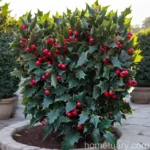
The possumhaw, scientifically known as Ilex decidua ‘Warren’s Red,’ is a deciduous holly native to the southeastern United States. It belongs to the Aquifoliaceae family and is known for its vibrant red berries that adorn the plant, creating a striking visual display during the fall and winter months. This species is valued for its ornamental features and its ecological contributions as a wildlife-friendly plant.
Key Takeaways – Possumhaw (Ilex decidua ‘Warren’s Red’)
Before we delve into the specifics of possumhaw care and cultivation, let’s outline some key takeaways about this remarkable plant:
- Possumhaw shrub:
- Ilex decidua ‘Warren’s Red’ is a deciduous shrub known for its vibrant red berries and ornamental foliage.
- Possumhaw tree:
- In favorable conditions, possumhaw can develop into a small tree, adding diversity to the landscape.
- Possumhaw holly:
- The common name “possumhaw holly” reflects its holly-like leaves and berry-bearing characteristics.
- Deciduous holly:
- As a deciduous species, possumhaw sheds its leaves annually, exhibiting seasonal changes in its appearance.
- Possumhaw growth habits:
- Possumhaw exhibits distinct growth patterns, which can be tailored through proper care and maintenance.
- Possumhaw flowering:
- The plant produces small, inconspicuous flowers that precede the formation of its iconic red berries.
- Possumhaw characteristics:
- Unique foliage, vibrant berries, and wildlife-friendly attributes are characteristic features of possumhaw.
- Possumhaw disease resistance:
- The plant exhibits resilience against certain diseases, contributing to its overall hardiness.
Culture of Possumhaw (Ilex decidua ‘Warren’s Red’)
Understanding the cultural requirements of possumhaw is essential for successfully growing and maintaining it in various landscapes. Let’s explore the critical cultural aspects that contribute to the well-being of this plant.
Water
Water Requirements:
Possumhaw thrives in moist, well-drained soils, particularly during its establishment phase. Adequate watering is crucial for promoting healthy root development and overall growth. However, once established, possumhaw displays a remarkable tolerance to periodic drought conditions, making it a resilient addition to gardens and naturalized landscapes.
Watering Guidelines:
– Provide regular watering during the initial phase after planting to facilitate root establishment.
– Monitor soil moisture and water as needed, particularly during prolonged dry periods.
– Ensure proper drainage to prevent waterlogging, which can adversely impact the plant’s health.
Sunlight
Sun Exposure:
Possumhaw benefits from full sun to partial shade, adapting well to a variety of light conditions. Optimal sunlight exposure contributes to robust growth, vibrant foliage, and abundant berry production.
Sunlight Recommendations:
– Select planting sites that offer full to partial sunlight for best results.
– Adjust the positioning of the plant according to regional climate and light availability.
– Provide protection from intense afternoon sun in extremely hot climates to prevent stress on the plant.
Fertilizer
Fertilization Practices:
Feeding possumhaw with a balanced, slow-release fertilizer can support its growth and enhance its ornamental appeal. However, these plants generally thrive in nutrient-rich soils and may not require frequent fertilization if planted in suitable locations.
Fertilizer Guidelines:
– Apply a complete, slow-release fertilizer in early spring, following manufacturer recommendations for dosage and application frequency.
– Monitor plant vigor and adjust fertilization based on growth response and soil nutrient levels.
– Prioritize organic fertilizers to promote soil health and microbial activity, benefiting the overall ecosystem.
Soil
Soil Preferences:
Possumhaw exhibits adaptability to a range of soil types, provided they offer good drainage and adequate aeration. Loamy, slightly acidic soils are particularly favorable for promoting optimal growth and development.
Soil Considerations:
– Conduct soil tests to assess pH levels and nutrient composition, amending the soil as needed to create a hospitable growth environment.
– Incorporate organic matter such as compost or well-rotted manure to enhance soil structure and fertility.
– Ensure proper soil drainage to prevent waterlogging and root suffocation, which can compromise plant health.
Pruning Possumhaw (Ilex decidua ‘Warren’s Red’)
Pruning is an essential aspect of possumhaw maintenance, allowing for shape control, rejuvenation, and the removal of damaged or undesirable growth. With proper pruning techniques, the plant can maintain its appealing form and vitality, ensuring enduring beauty in the landscape.
Pruning Guidelines
- Timing:
- Prune possumhaw during late winter or early spring before the onset of new growth.
-
Avoid heavy pruning during the growing season, as it may diminish the following year’s berry production.
-
Techniques:
- Remove dead, diseased, or crossing branches to enhance air circulation and overall plant health.
- Shape the plant to maintain a balanced and aesthetically pleasing form, complementing its natural growth habit.
-
Use clean, sharp pruning tools to make precise cuts and minimize the risk of damage and infection.
-
Cautions:
- Exercise care when pruning to avoid excessive removal of flower buds or berry-producing branches.
-
Prune selectively to preserve the plant’s natural beauty and minimize stress on the specimen.
-
Safety Measures:
- Wear appropriate protective gear, such as gloves and eye protection, when engaging in pruning activities.
- Practice safe pruning techniques to prevent accidents and injuries while working with cutting tools.
Propagation of Possumhaw (Ilex decidua ‘Warren’s Red’)
Propagation Methods:
Possumhaw can be propagated through various techniques, including seed propagation, softwood or hardwood cuttings, and division. Each method offers unique advantages and challenges, allowing growers to select the most suitable approach based on their specific requirements and resources.
Seed Propagation
- Seed Collection:
- Gather ripe berries from the plant, extracting the seeds and cleaning away the pulp before sowing.
-
Ensure thorough cleaning and drying of the seeds to facilitate successful germination.
-
Sowing Process:
- Plant the cleaned seeds in a well-prepared seed-starting mix at the recommended depth.
-
Provide consistent moisture and warmth to support germination, maintaining optimal conditions for seedling establishment.
-
Care:
- Monitor the seedlings for steady growth, providing appropriate light and nutrition as they develop.
- Transplant the seedlings into individual containers or prepared garden beds once they attain sufficient size and vigor.
Cutting Propagation
- Selection of Cuttings:
- Collect softwood or hardwood cuttings from healthy, disease-free branches during the appropriate season.
-
Ensure that the cuttings possess several nodes and display vigorous growth potential.
-
Preparation:
- Remove excess foliage from the lower portion of the cuttings, preparing them for planting.
-
Apply rooting hormone to the basal ends of the cuttings to stimulate root development.
-
Planting and Care:
- Plant the prepared cuttings in a well-draining rooting medium, maintaining consistent moisture and humidity.
- Monitor the cuttings for root development and overall health, transferring them to individual containers once they establish a robust root system.
Possumhaw propagation through division involves the separation of established rhizomes or root clumps, creating new plantings that mirror the characteristics of the parent specimen. Each propagation method offers an opportunity to expand the presence of possumhaw in diverse landscapes while preserving its distinctive attributes.
Possumhaw in Containers
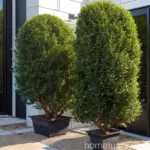
Possumhaw can be successfully cultivated in containers, offering an adaptable and space-efficient option for incorporating this charming plant into various settings. Container gardening allows for greater control over environmental conditions, positioning, and mobility, making it an appealing choice for enthusiasts and landscape designers alike.
Container Popularity
- Urban Gardens:
- Possumhaw’s compatibility with containers makes it a favored choice for urban and small-space gardens, balconies, and patios.
-
Its ornamental value and wildlife-friendly nature contribute to its popularity in urban landscapes, fostering biodiversity and visual interest.
-
Versatile Décor:
-
The distinctive foliage and captivating berries of possumhaw create eye-catching visual displays in container arrangements, enhancing outdoor and indoor décor.
-
Seasonal Accents:
- Containers planted with possumhaw can be easily repositioned to highlight seasonal changes, offering dynamic accents throughout the year.
Container Care Considerations
- Pot Selection:
- Choose spacious, well-draining containers to accommodate possumhaw’s root system and facilitate healthy growth.
-
Opt for containers with adequate drainage holes to prevent waterlogging and root suffocation.
-
Growing Medium:
-
Use a high-quality, moisture-retentive potting mix enriched with organic matter to provide essential nutrients and support plant health.
-
Watering and Maintenance:
- Monitor soil moisture regularly, watering the plant as needed to maintain optimal growing conditions.
- Incorporate a layer of mulch to conserve soil moisture and prevent rapid drying in container plantings.
Possumhaw’s adaptability to container cultivation offers an innovative approach to integrating this species into diverse environments, demonstrating its versatility and allure in both traditional and contemporary settings.
Common Diseases of Possumhaw (Ilex decidua ‘Warren’s Red’)
While possumhaw exhibits resilience to many environmental stressors, it can be susceptible to certain diseases that warrant diligent monitoring and proactive management. Familiarizing oneself with common diseases and their associated symptoms empowers growers to implement timely interventions and protect the plant’s well-being.
Disease Diagnosis
- Leaf Spot Diseases:
- Fungal pathogens such as Phyllosticta ileicola and Dipcella galligena can cause unsightly leaf spots and blemishes on possumhaw foliage.
-
Monitor the plant for early signs of leaf discoloration, irregular lesions, or leaf drop, indicating potential infection.
-
Anthracnose:
- Anthracnose, caused by various Colletotrichum species, may affect possumhaw, leading to leaf blight, stem cankers, and berry rot.
- Maintain proper air circulation, sanitation, and vigilant observation to identify and address anthracnose issues promptly.
Disease Management
- Cultural Practices:
- Implement proper watering practices and soil drainage to reduce conditions favoring fungal disease development.
-
Remove and dispose of infected plant material to minimize disease spread and prevent recurring infections.
-
Fungicidal Treatments:
- Consider applying a targeted fungicide following recommended guidelines if disease severity warrants intervention.
- Select appropriate fungicidal products based on disease type, timing, and compatibility with possumhaw cultivation.
Vigilant observation, cultural adjustments, and proactive management strategies contribute to mitigating the impact of common diseases on possumhaw, promoting its vigor and long-term health.
Common Pests Affecting Possumhaw (Ilex decidua ‘Warren’s Red’)
Possumhaw may encounter pest threats that necessitate careful monitoring and appropriate pest control measures. Recognizing the signs of pest infestation and understanding effective intervention strategies allows for the preservation of possumhaw’s vitality and aesthetic appeal.
Pest Identification
- Scale Insects:
- Infestations of armored or soft scale insects on possumhaw can lead to weakened plant vigor, leaf yellowing, and the presence of sticky honeydew.
-
Inspect the plant for scale insect colonies, particularly on the undersides of leaves and along stems.
-
Aphids:
- Aphids may target various parts of possumhaw, causing distorted growth, leaf curling, and the transmission of viral diseases.
- Monitor new growth for signs of aphid infestation and the associated presence of honeydew and sooty mold.
Pest Control Measures
- Horticultural Oils:
-
Use horticultural oils to suffocate scale insects, applying the product during the dormant season or as recommended for effective control.
-
Insecticidal Soaps:
-
Apply insecticidal soaps to target aphid populations, ensuring thorough coverage of affected plant parts for optimal efficacy.
-
Biological Control Agents:
- Introduce natural predators of scale insects, such as lady beetles or parasitic wasps, to manage infestations in an eco-friendly manner.
Effective pest management integrates cultural practices, mechanical controls, and targeted treatments to mitigate pest pressure and maintain possumhaw’s resilience in diverse growing environments.
Botanist’s Tips for Possumhaw (Ilex decidua ‘Warren’s Red’)
Experienced botanists and horticulturists offer valuable insights and recommendations for cultivating and appreciating possumhaw in gardens, landscapes, and naturalized settings. Their knowledge and expertise enrich the understanding of this remarkable species, providing guidance for successful cultivation and enjoyment.
Expert Advice
- Selecting Planting Locations:
-
Choose well-drained, fertile sites with adequate sunlight exposure to optimize possumhaw’s growth and ornamental value.
-
Seasonal Care:
-
Tailor watering, pruning, and fertilization practices according to seasonal requirements, aligning care with the plant’s dynamic life cycle.
-
Wildlife Interaction:
-
Embrace possumhaw as a wildlife-friendly plant, observing and appreciating the diverse animal visitors it attracts throughout the year.
-
Landscape Integration:
- Incorporate possumhaw into diverse landscape designs, considering its form, color, and ecological contributions when planning and planting.
Fun Facts about Possumhaw (Ilex decidua ‘Warren’s Red’)
Uncovering fascinating and lesser-known facts about possumhaw adds an element of intrigue and appreciation for this captivating species. From its cultural significance to its ecological role, possumhaw’s allure extends beyond its ornamental appeal.
Curious Tidbits
- Ethnobotanical Uses:
-
Possumhaw has historical medicinal significance in certain cultures, with various parts of the plant utilized for traditional remedies.
-
Seasonal Transformations:
-
The plant undergoes striking changes throughout the year, exhibiting vibrant colors and textures in different seasons.
-
Wildlife Support:
- Possumhaw serves as a valuable resource for diverse wildlife, offering food, shelter, and nesting sites for numerous species.
Links to External Resources
For further exploration of possumhaw (Ilex decidua ‘Warren’s Red’) and related topics, the following external resources offer in-depth information, insights, and practical guidance:
- USDA Plants Database
- North Carolina State University Extension – Deciduous Holly
- Lady Bird Johnson Wildflower Center – Ilex decidua
- Missouri Botanical Garden – Ilex decidua ‘Warren’s Red’
Conclusion
In the realm of horticulture and botanical fascination, possumhaw (Ilex decidua ‘Warren’s Red’) stands out as an emblem of natural beauty, ecological significance, and ornamental charm. Its distinctive features, cultural versatility, and wildlife-friendly character contribute to its enduring appeal among plant enthusiasts, designers, and conservationists. By embracing the unique qualities and care considerations associated with possumhaw, individuals can cultivate and cherish this remarkable species, fostering its presence and ecological contributions within diverse landscapes and natural habitats.