Japanese Holly (Ilex Crenata ‘Farrowone’ SKY POINTER)
Japanese holly (Ilex crenata ‘Farrowone’ SKY POINTER) is a beautiful, versatile shrub that has gained popularity among gardeners and landscapers for its.
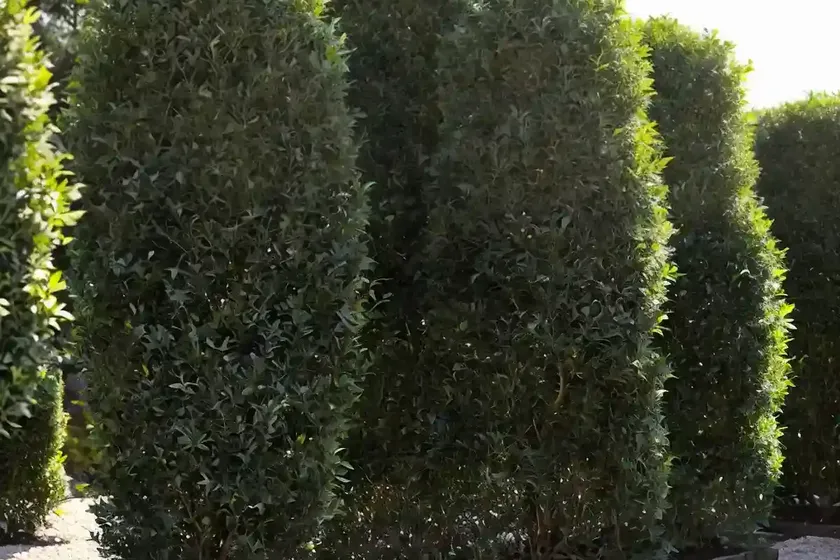
Japanese holly (Ilex crenata ‘Farrowone’ SKY POINTER) is a beautiful, versatile shrub that has gained popularity among gardeners and landscapers for its numerous landscaping, ornamental, and practical uses. In this comprehensive guide, we will delve into the characteristics, cultivation, uses, and maintenance of this remarkable plant, shedding light on its many virtues and how to care for it effectively.
What is Japanese Holly (Ilex crenata ‘Farrowone’ SKY POINTER)?
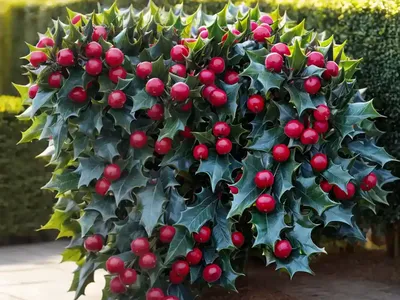
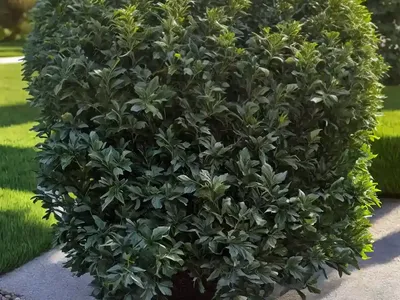
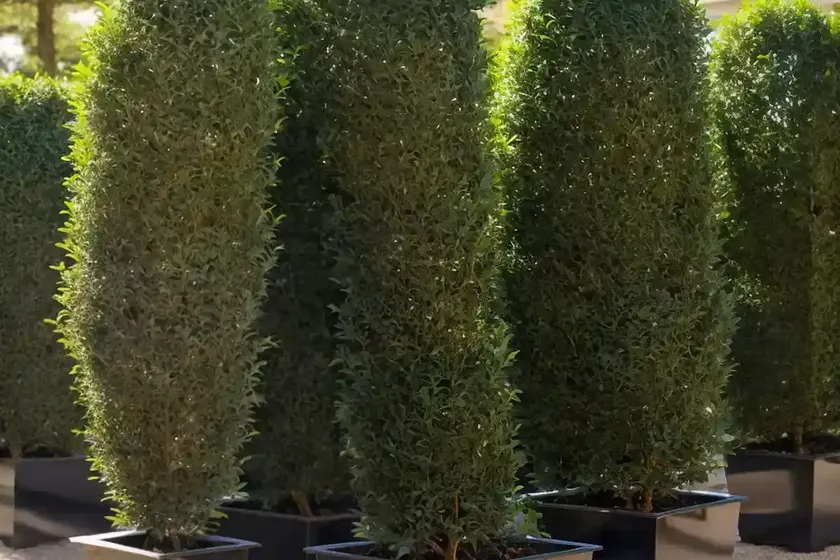
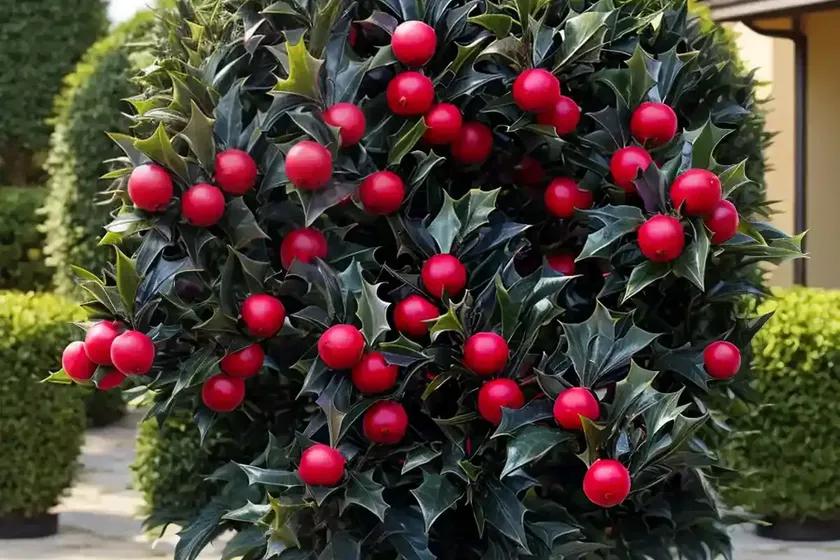
Japanese holly, scientifically known as Ilex crenata, is a species of holly native to eastern Asia, including Japan, Korea, and China. The cultivar ‘Farrowone’ SKY POINTER is a selection of Japanese holly that exhibits a narrow, columnar growth habit, making it an excellent choice for vertical accents in landscapes and gardens. This evergreen shrub belongs to the Aquifoliaceae family and is prized for its dense, small, dark green foliage, compact form, and adaptability to different growing conditions.
The ‘Farrowone’ SKY POINTER cultivar is particularly valued for its upright, dense growth, which suits it for use as a privacy screen, hedge, or focal point in garden designs. Its compact size and distinctive appearance make it a versatile and attractive addition to residential and commercial landscapes, providing year-round interest and structure.
Key Takeaways – Japanese Holly (Ilex crenata ‘Farrowone’ SKY POINTER)
Before we delve into the detailed aspects of Japanese holly, let’s summarize some key takeaways about this remarkable plant:
- Plant Name: Japanese Holly (Ilex crenata ‘Farrowone’ SKY POINTER)
- Cultivar Type: Columnar, upright with dense foliage
- Foliage: Small, dark green, evergreen leaves
- Growth Habit: Narrow, compact, reaching a mature height of 8-10 feet and a width of 2-3 feet
- Uses: Suitable for hedges, screens, accents, and container planting
- Maintenance: Low-maintenance, adaptable, and versatile
- Growth Rate: Slow to moderate
Culture of Japanese Holly (Ilex crenata ‘Farrowone’ SKY POINTER)
Understanding the culture requirements of Japanese holly is essential for successfully cultivating and maintaining this plant. From soil preferences to planting techniques, it’s crucial to provide the optimal growing conditions to ensure the health and vigor of the ‘Farrowone’ SKY POINTER cultivar.
Water
Japanese holly prefers consistently moist, well-draining soil, especially during its establishment phase. Adequate watering is essential to help the plant establish a healthy root system. Once established, Japanese holly is relatively drought-tolerant, but regular watering during prolonged dry spells can encourage optimal growth and foliage health.
Sunlight
This cultivar thrives in partial to full sun, making it suitable for a range of light conditions. When grown in full sun, Japanese holly tends to exhibit denser growth and more compact form, while plants grown in partial shade may have slightly looser growth habits. The adaptability to different light conditions makes ‘Farrowone’ SKY POINTER an excellent choice for various landscape situations.
Fertilizer
When it comes to fertilization, Japanese holly benefits from a balanced, slow-release fertilizer applied in spring or early summer. A fertilizer specifically formulated for acid-loving plants can provide the necessary nutrients for healthy growth and vibrant foliage. It’s important to follow the recommended application rates and avoid over-fertilization, which can lead to excessive vegetative growth at the expense of overall plant health.
Soil
Japanese holly prefers slightly acidic to neutral, well-draining soil. Amending the planting area with organic matter, such as compost or peat moss, can improve soil structure and water retention while providing essential nutrients. A soil pH in the range of 5.0 to 6.5 is ideal for Japanese holly, ensuring that the plant can access the necessary nutrients from the soil.
Pruning Japanese Holly (Ilex crenata ‘Farrowone’ SKY POINTER)
Pruning is a crucial aspect of maintaining the desired form and size of Japanese holly, particularly for the ‘Farrowone’ SKY POINTER cultivar, known for its upright and narrow growth habit. Proper pruning helps to encourage dense growth, remove dead or damaged branches, and shape the plant according to its intended use in the landscape.
Propagation of Japanese Holly
Propagating Japanese holly, including the ‘Farrowone’ SKY POINTER cultivar, can be achieved through various methods, including stem cuttings, layering, and seed propagation. Each method has its advantages and challenges, and selecting the most suitable approach depends on the specific goals and resources available. Stem cuttings are commonly used for propagating selected cultivars, allowing for the creation of new plants that retain the desirable characteristics of the parent plant.
Container Planting and Care for Japanese Holly
The compact size and upright growth habit of the ‘Farrowone’ SKY POINTER cultivar make it well-suited for container planting, adding vertical interest and greenery to patios, decks, and entryways. When growing Japanese holly in containers, several considerations can help ensure the plant’s health and vigor, from selecting the right container size to providing appropriate growing conditions.
Popularity in Container Planting
Japanese holly, including the ‘Farrowone’ SKY POINTER cultivar, has gained popularity in container planting due to its adaptability, aesthetic appeal, and suitability for vertical accents in outdoor spaces. The compact form of this holly cultivar makes it an excellent choice for creating elegant, low-maintenance container displays, whether used individually or in combination with other plants.
Container Size and Growing Medium
When selecting a container for Japanese holly, it’s crucial to choose a size that provides ample space for root development while preventing excessive moisture retention. A well-draining growing medium, such as a quality potting mix formulated for woody plants, can support healthy growth and ensure proper aeration for the roots.
Sunlight and Watering
Placing the container in a location that receives partial to full sun is ideal for Japanese holly, promoting lush foliage and vibrant growth. Regular watering is essential for container-grown plants, as they are more susceptible to drying out compared to those planted in the ground. Checking the moisture level regularly and adjusting the watering frequency based on environmental conditions can help maintain optimal growing conditions.
Common Diseases of Japanese Holly
Despite its resilience, Japanese holly, including the ‘Farrowone’ SKY POINTER cultivar, can be susceptible to certain diseases that can impact its overall health and appearance. Recognizing the symptoms and understanding how to address these diseases is crucial for effective disease management and maintaining the plant’s vigor.
Disease Diagnosis and Management
Several common diseases that affect Japanese holly, such as leaf spot, powdery mildew, and root rots, can lead to foliage discoloration, wilting, and overall decline if left unchecked. Proper cultural practices, including providing adequate airflow, avoiding overhead watering, and maintaining overall plant health, can help mitigate the risk of these diseases. In cases where disease symptoms are observed, timely intervention with appropriate fungicides or cultural adjustments can help manage the issue and prevent further spread.
Common Pests Affecting Japanese Holly
In addition to diseases, Japanese holly, including the ‘Farrowone’ SKY POINTER cultivar, may face challenges from various pests that can impact its growth and appearance. Recognizing the signs of pest infestations and implementing effective pest control measures is essential for protecting the plant and ensuring its long-term health.
Common Pests and Control Measures
Pests such as scale insects, mites, and weevils can affect Japanese holly, causing issues such as leaf stippling, distorted growth, and diminished plant vigor. Regular monitoring of the plant, promoting natural predators, and using targeted insecticidal treatments when necessary can help manage pest populations and minimize their impact on the plant.
Botanist’s Tips for Japanese Holly Care
For aspiring and experienced gardeners alike, understanding some key tips and best practices for Japanese holly care can enhance the experience of cultivating this versatile and attractive shrub. From selecting the right planting location to ensuring proper maintenance, these tips can contribute to the success and vitality of the ‘Farrowone’ SKY POINTER cultivar and other Japanese holly varieties.
Botanist’s Tips for Successful Japanese Holly Care:
-
Selecting the Planting Site: Choose a location that provides the appropriate light conditions, ensuring that the plant receives sufficient sunlight for optimal growth and foliage density.
-
Soil Preparation: Amend the planting area with organic matter and ensure well-draining soil to support healthy root development and nutrient uptake.
-
Pruning Techniques: Employ proper pruning techniques to maintain the desired shape and size of the plant while promoting dense, lush growth.
-
Consistent Watering: Establish a regular watering schedule, especially during the establishment phase, to support healthy root development and foliage vigor.
-
Monitoring for Pests and Diseases: Regularly inspect the plant for signs of pests and diseases, implementing appropriate management strategies if issues arise.
Fun Facts about Japanese Holly
While Japanese holly, including the ‘Farrowone’ SKY POINTER cultivar, is renowned for its ornamental and practical uses, there are some fascinating facts and trivia about this plant that further highlight its appeal and significance in horticulture and landscaping.
Interesting Facts about Japanese Holly:
-
Cultural Significance: In Japanese culture, holly is associated with the winter season and is often used in traditional decorations during the New Year.
-
Wildlife Habitat: Japanese holly can provide important cover and food for wildlife, including birds, during the winter months, contributing to ecological diversity.
-
Symbolism and Folklore: In folklore and traditions, holly has been associated with various symbolic meanings, including protection, fertility, and eternal life.
-
Medicinal Uses: In traditional medicine, holly leaves have been used to create herbal remedies for conditions such as fever, coughs, and rheumatism.
Links to External Resources
For further information and resources on Japanese holly, the ‘Farrowone’ SKY POINTER cultivar, and related topics such as plant care, propagation, and landscaping, the following external links provide valuable insights, references, and perspectives:
-
American Holly Society: The American Holly Society offers a wealth of information on holly species, cultivation practices, and conservation efforts, providing a valuable resource for enthusiasts and experts alike.
-
The Holly Society of America: The Holly Society of America is dedicated to the appreciation, study, and conservation of hollies, offering educational resources, publications, and networking opportunities for holly enthusiasts.
-
Royal Horticultural Society (RHS) – Holly: The RHS provides comprehensive information on hollies, including plant profiles, cultivation advice, and guidance on pest and disease management.
-
University of Florida IFAS Extension – Ilex crenata: This publication from the University of Florida offers valuable insights into the botany, cultivation, and landscape uses of Ilex crenata, including pruning guidelines and pest management recommendations.
-
Missouri Botanical Garden – Ilex crenata: The Missouri Botanical Garden provides a detailed plant profile for Ilex crenata, encompassing botanical information, cultural requirements, and uses in landscape design.
-
Plant Care Today – Holly Bush Care: Grow and Care for Holly Bushes: This resource offers practical tips and guidance on caring for holly bushes, covering aspects such as planting, watering, and maintenance.
-
Gardening Know How – Ilex crenata Care: This article from Gardening Know How provides insights into the care and cultivation of Ilex crenata, addressing topics such as planting, pruning, and common issues.
In conclusion, Japanese holly, notably the ‘Farrowone’ SKY POINTER cultivar, is a remarkable and adaptable plant with a wide range of landscape and ornamental applications. Its unique characteristics, low maintenance requirements, and aesthetic appeal make it a valuable addition to gardens, public spaces, and container displays. By understanding the cultural requirements, uses, and best practices for care, gardeners and landscaping professionals can harness the full potential of Japanese holly, enriching outdoor environments and creating enduring greenery that enhances the natural beauty of the surroundings. Whether used as a privacy screen, accent plant, or container specimen, Japanese holly continues to captivate and inspire with its enduring charm and versatility.
The comprehensive nature of this guide can serve as an invaluable resource for plant enthusiasts, horticulture professionals, and anyone seeking in-depth knowledge about Japanese holly and its ‘Farrowone’ SKY POINTER cultivar. The integration of practical tips, fun facts, and external resources provides a well-rounded perspective on this versatile shrub, catering to a diverse range of readers and interests. Different sections, such as culture, propagation, and container planting, offer detailed insights that enhance the reader’s understanding and appreciation of Japanese holly, demonstrating its significance in horticulture and landscaping.