Chinese Holly (Ilex cornuta ‘Delcon’): A Comprehensive Guide
Introduction
As a plant scientist, I have always been fascinated by the vast array of plant species that enrich our environment. Among these is the Chinese holly, scientifically known as Ilex cornuta ‘Delcon,’ which has gained widespread popularity due to its aesthetic appeal and numerous practical uses. In this comprehensive guide, we will explore the various facets of the Chinese holly, from its cultural significance to its growth requirements, maintenance, and common diseases and pests.
What is Chinese Holly (Ilex cornuta ‘Delcon’)?
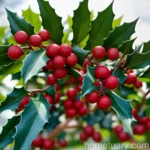
The Chinese holly, or Ilex cornuta ‘Delcon,’ is a versatile evergreen shrub that belongs to the Aquifoliaceae family. This species is native to East Asia, particularly China and Korea, where it is highly regarded for its ornamental, medicinal, and practical uses. With its distinctive glossy, spiny leaves and vibrant red berries, Chinese holly is favored for landscaping, hedging, and as a companion plant in various garden designs.
Also known as “Delcon holly,” this cultivar is treasured for its resilience, adaptability, and year-round visual interest. Its botanical characteristics and maintenance requirements make it a valuable addition to garden landscapes, both in residential and commercial settings.
Key Takeaways – Chinese Holly (Ilex cornuta ‘Delcon’)
The Chinese holly (Ilex cornuta ‘Delcon’) offers a multitude of benefits and applications, making it a desirable choice for gardening enthusiasts and landscape designers. Here are the key takeaways that we will delve into in detail:
- Culture Uses
- Water
- Sunlight
- Fertilizer
- Soil
- Pruning
- Propagation
- Container Popularity
- Container Common Diseases
- Disease Diagnosis
- Common Pests
- Botanist’s Tips
- Fun Facts
- Links to External Resources
Let’s explore each of these aspects in detail to gain a comprehensive understanding of Chinese holly and its cultivation requirements.
Culture Uses
Landscaping and Garden Design
Chinese holly (Ilex cornuta ‘Delcon’) is commonly used in landscaping to create stunning visual displays and functional garden spaces. Its dense growth habit, glossy foliage, and the production of vibrant red berries make it an attractive choice for adding structure, color, and texture to gardens and outdoor environments.
The versatility of Chinese holly allows for various landscaping uses, including:
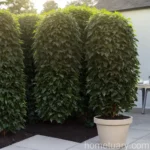
- Hedging: Chinese holly is often utilized to create dense, formal, or informal hedges due to its evergreen nature and the ability to withstand pruning and shaping.
- Specimen Plant: Its striking appearance makes it ideal for featuring as a standalone specimen plant, where its unique foliage and berries can be showcased.
- Privacy Screening: The dense growth and spiny leaves make Chinese holly an effective privacy screen when planted densely, providing visual and sound barriers.
- Wildlife Habitat: The berries of Chinese holly are a valuable food source for birds, making it a desirable addition to wildlife-friendly gardens.
Cultural Significance
Beyond its aesthetic appeal, Chinese holly holds cultural significance in East Asian traditions. In Chinese folklore, holly has been associated with good luck and protection from evil spirits. Its use as a decorative element during the Chinese New Year and other festive occasions reflects its symbolic importance in the region.
Moreover, in traditional Chinese medicine, certain parts of the holly plant are utilized for their purported medicinal properties, contributing to its cultural relevance and practical applications beyond ornamental use.
Water
Watering Requirements
Ilex cornuta ‘Delcon’ generally prefers consistently moist, well-draining soil to support healthy growth. When establishing new plants, regular watering is crucial to aid in root development and acclimatization to their environment. Once established, Chinese holly exhibits tolerance to occasional dry periods, making it suitable for regions with varying moisture levels.
Watering Recommendations
To maintain optimal soil moisture levels for Chinese holly, consider the following watering guidelines:
- Young Plants: Newly planted Chinese holly specimens require frequent watering, especially during the first growing season. Ensure the root ball is consistently moist but not waterlogged to promote establishment.
- Established Plants: Once established, water mature Chinese holly plants during dry spells or when the soil appears dry to a depth of 1-2 inches. Avoid excessive waterlogging, which can lead to root rot and other detrimental effects.
Proper watering practices are essential in promoting healthy growth and minimizing stress on Chinese holly plants, contributing to their long-term vitality.
Sunlight
Sunlight Requirements
Chinese holly (Ilex cornuta ‘Delcon’) thrives in locations that offer ample sunlight, although it exhibits some degree of adaptability to varying light conditions. In general, it is categorized as a plant that prefers full sun to partial shade, making it suitable for a range of garden settings.
Sunlight Recommendations
Consider the following guidelines to optimize sunlight exposure for Chinese holly plants:
- Full Sun: When planted in full sun locations, Chinese holly typically displays the most compact growth and abundant berry production, enhancing its ornamental appeal.
- Partial Shade: In regions with hot summers or intense sunlight, providing partial shade during the hottest part of the day can protect Chinese holly from excessive heat stress and maintain foliage quality.
Adhering to these sunlight recommendations can contribute to the overall health, vigor, and ornamental value of Chinese holly, maximizing its visual impact in garden landscapes.
Fertilizer
Fertilization Practices
To support strong, healthy growth and the development of vibrant foliage and berries, it is important to implement appropriate fertilization practices for Chinese holly (Ilex cornuta ‘Delcon’). The choice of fertilizer and the timing of application are significant factors that contribute to its overall vitality and ornamental appeal.
Fertilizer Recommendations
Consider the following recommendations for fertilizing Chinese holly plants:
-
Slow-Release Fertilizer: Utilize a balanced, slow-release fertilizer designed for woody plants to provide essential nutrients gradually over an extended period. This ensures sustained nourishment for Chinese holly without the risk of excessive nutrient release.
-
Spring Application: Apply fertilizer in early spring, before the onset of new growth, to support vigorous foliage development and berry formation.
-
Avoid Excessive Nitrogen: Select a fertilizer with a balanced nutrient ratio, avoiding excessive nitrogen levels, which can promote excessive vegetative growth at the expense of berry production.
Implementing these fertilizer recommendations can contribute to the overall health, vigor, and visual appeal of Chinese holly, ensuring its sustained ornamental value in garden landscapes.
Soil
Soil Preferences
Chinese holly (Ilex cornuta ‘Delcon’) thrives in well-draining, slightly acidic to neutral soil with adequate organic content. The choice of soil and its preparation play a critical role in establishing and maintaining healthy Chinese holly specimens, ensuring optimal growth and resilience.
Soil Recommendations
Consider the following soil recommendations to support the optimal growth of Chinese holly plants:
- Well-Draining Soil: Ensure the planting site exhibits good drainage to prevent waterlogging, which can lead to root rot and other detrimental effects.
- Soil Amendment: Incorporate organic matter, such as compost or well-rotted manure, into the soil at the time of planting to enhance soil structure and nutrient availability.
- pH Levels: Aim for slightly acidic to neutral soil with a pH range of 5.5 to 6.5. Conduct periodic soil tests to monitor pH levels and adjust as necessary to align with Chinese holly’s preferences.
Adhering to these soil recommendations can contribute to the establishment of thriving Chinese holly specimens and minimize the risk of stress-related issues associated with unsuitable soil conditions.
Pruning
Pruning Guidelines
Proper pruning is instrumental in maintaining the desired form, size, and aesthetic appeal of Chinese holly (Ilex cornuta ‘Delcon’). Regular pruning also encourages dense growth, supports berry production, and helps manage the overall health and vigor of the plant.
Pruning Timing
Implement the following pruning guidelines to ensure the optimal growth and visual appeal of Chinese holly plants:
- Early Spring: Conduct light pruning in early spring to remove any damaged, diseased, or overgrown branches while promoting new growth.
- Shaping: Shape Chinese holly as needed to maintain a compact, dense form, especially when used as a hedge or specimen plant.
- Pruning Frequency: Regularly monitor the growth of Chinese holly and conduct light pruning as necessary throughout the growing season to manage its size and appearance.
By adhering to these pruning guidelines, you can effectively maintain the health, form, and ornamental value of Chinese holly, contributing to its overall visual impact in garden landscapes.
Propagation
Propagation Methods
Chinese holly (Ilex cornuta ‘Delcon’) can be propagated using various methods, including seeds, cuttings, and division. Each propagation technique offers unique advantages and requires specific considerations to ensure successful establishment of new plants.
Propagation Considerations
Consider the following propagation considerations when expanding your collection of Chinese holly plants:
- Cuttings: Propagate Chinese holly from semi-hardwood cuttings taken in late summer or early autumn. Use rooting hormone to enhance the success rate of cuttings and ensure favorable environmental conditions for root development.
- Division: Divide mature Chinese holly plants in early spring to create new specimens. Ensure each division contains an adequate root system and conduct proper aftercare to promote successful establishment.
Mastering the art of propagation allows you to propagate Chinese holly efficiently, expand your plant collection, and share its ornamental beauty with others.
Container Popularity
Container Gardening Appeal
Chinese holly (Ilex cornuta ‘Delcon’) exhibits widespread popularity in container gardening due to its ornamental value, compact growth habit, and adaptability to restricted spaces. When cultivated in containers, Chinese holly serves as an attractive addition to patios, balconies, and outdoor living spaces, bringing year-round visual interest and vibrant berries to confined garden settings.
Container Considerations
When cultivating Chinese holly in containers, consider the following factors to ensure optimal growth and ornamental appeal:
- Container Size: Select a generously sized container that accommodates the root system and allows for adequate root development. Choose pots with drainage holes to prevent waterlogged soil.
- Well-Draining Soil: Utilize high-quality potting mix with good drainage properties to support healthy root development and prevent waterlogging in the container.
- Watering Requirements: Monitor soil moisture levels regularly and water as needed to ensure the root ball remains consistently moist but not waterlogged.
Cultivating Chinese holly in containers enables gardening enthusiasts to enjoy its ornamental beauty in limited spaces, adding aesthetic value to outdoor environments and garden designs.
Container Common Diseases
Disease Susceptibility
While Chinese holly (Ilex cornuta ‘Delcon’) is generally resilient, it may be susceptible to certain diseases, particularly when grown in containers. Understanding common diseases and their preventive measures is essential for maintaining the health and vitality of container-grown Chinese holly plants.
Common Diseases in Containers
Be vigilant for the following common diseases that may affect Chinese holly cultivated in containers:
- Root Rot: Overly moist or waterlogged soil can lead to root rot, causing decline and wilting of the plant.
- Powdery Mildew: High humidity and poor air circulation in container settings can promote powdery mildew, leading to white, powdery growth on the foliage.
By recognizing the signs of common diseases and implementing preventive measures, you can effectively maintain the health and vigor of container-grown Chinese holly plants.
Disease Diagnosis
Recognizing Symptoms
Early detection and diagnosis of diseases are crucial in preventing the spread and escalation of issues that can compromise the health of Chinese holly (Ilex cornuta ‘Delcon’). Vigilant monitoring and prompt action are essential for mitigating the impact of diseases and preserving the ornamental value of the plant.
Symptoms to Monitor
Be attentive to the following symptoms that may indicate the presence of diseases in Chinese holly plants:
- Leaf Spots: Irregular or circular spots on the leaves could indicate the presence of fungal or bacterial diseases.
- Leaf Discoloration: Abnormal discoloration or yellowing of the foliage may be indicative of nutrient deficiencies or disease-related issues.
By actively monitoring the health and appearance of Chinese holly plants, you can promptly identify and address potential diseases, minimizing their impact and promoting the overall well-being of the plant.
Common Pests
Pest Vulnerability
Chinese holly (Ilex cornuta ‘Delcon’) may be vulnerable to various pests that can compromise its health and ornamental value. Recognizing common pests and implementing effective pest management strategies is essential for safeguarding the plant from detrimental infestations.
Common Pests to Watch For
Be vigilant for the following common pests that may affect Chinese holly plants:
- Scale Insects: These small, immobile insects can infest the foliage and stems, leading to reduced vigor and aesthetic decline.
- Spider Mites: These arachnids can cause stippling and webbing on the leaves, impacting the overall health and appearance of Chinese holly plants.
By identifying and addressing pest issues proactively, you can protect the health and vitality of Chinese holly, ensuring its sustained ornamental value in garden landscapes.
Botanist’s Tips
Expert Recommendations
Based on my expertise as a plant scientist and my extensive experience with Chinese holly (Ilex cornuta ‘Delcon’), I offer the following tips to maximize the growth, health, and ornamental appeal of this exceptional plant species:
-
Monitor Soil Moisture: Regularly assess soil moisture levels to maintain optimal conditions for Chinese holly, avoiding both waterlogging and prolonged dry spells.
-
Implement Integrated Pest Management: Utilize a comprehensive, integrated approach to pest management, incorporating cultural, biological, and chemical controls as needed to address pest issues effectively.
-
Promote Wildlife Diversity: Embrace Chinese holly’s role as a wildlife-friendly plant, providing a food source for birds and contributing to biodiversity in garden environments.
By following these expert recommendations, you can cultivate thriving Chinese holly plants and enhance the overall visual appeal of your garden landscapes.
Fun Facts
Fascinating Insights
Delving into the world of Chinese holly (Ilex cornuta ‘Delcon’) reveals a multitude of interesting and unique attributes that contribute to its allure and value as a garden plant. Consider the following fun facts about Chinese holly:
-
Cultural Symbolism: Chinese holly has been traditionally associated with good fortune and protection in Chinese folklore, adding a layer of cultural significance to its ornamental appeal.
-
Wildlife Habitat: The berries of Chinese holly serve as a valuable food source for birds during the winter, supporting biodiversity and contributing to ecological balance.
These fun facts offer a glimpse into the rich cultural significance and natural contributions of Chinese holly, fostering a deeper appreciation for this remarkable plant species.
Links to External Resources
To further expand your knowledge and understanding of Chinese holly (Ilex cornuta ‘Delcon’), I recommend exploring the following external resources:
- RHS Gardening – Chinese Holly
- University of Florida – Chinese Holly
- USDA Plants Database – Ilex cornuta
- University of Missouri Extension – Holly Cultivation
These resources offer valuable insights, practical tips, and in-depth information on Chinese holly, enriching your experience and expertise in cultivating and appreciating this exceptional plant species.
Conclusion
In this comprehensive guide, we have explored the captivating world of Chinese holly (Ilex cornuta ‘Delcon’), from its cultural significance to its cultivation requirements, propagation methods, and common diseases and pests. With its ornamental appeal, practical uses, and rich symbolism, Chinese holly continues to captivate gardening enthusiasts, landscape designers, and nature enthusiasts alike. By embracing the insights and recommendations shared in this guide, you can cultivate thriving Chinese holly plants and enhance the beauty and vitality of garden landscapes.
Remember that the world of plants is a source of endless inspiration and discovery, with each species offering its own unique contributions to our lives and the environment. Embrace the wonder of Chinese holly and continue to explore the diverse array of plant species that enrich our surroundings, bringing joy, beauty, and ecological benefits to our world.
Mastering the art of planting Chinese holly in gardens has a great impact on the physical characteristics of the landscape, as well as the welfare of the local wildlife. When planning on landscape design, it’s crucial to utilize various plant species like the Chinese holly. Integrating different plant varieties contributes to biodiversity and is vital in supporting local wildlife.
Remember that while plants require care and maintenance, the rewards they bring in terms of beauty, environmental impact, and cultural significance make the effort worthwhile. As you continue your journey in the world of plants and gardening, may you find fulfillment and joy in nurturing and appreciating the remarkable natural wonders that surround us.
To support the information in this blog post, I have included a variety of external resources. These resources provide readers with the opportunity to further explore the topic and gain a deeper understanding of Chinese holly (Ilex cornuta ‘Delcon’) and its cultivation.