Pittosporum Tenuifolium ‘Tom Thumb’ (Kohuhu)
Pittosporum tenuifolium ‘Tom Thumb’, commonly known as Kohuhu, is a striking evergreen shrub that belongs to the Pittosporum genus and Pittosporaceae.
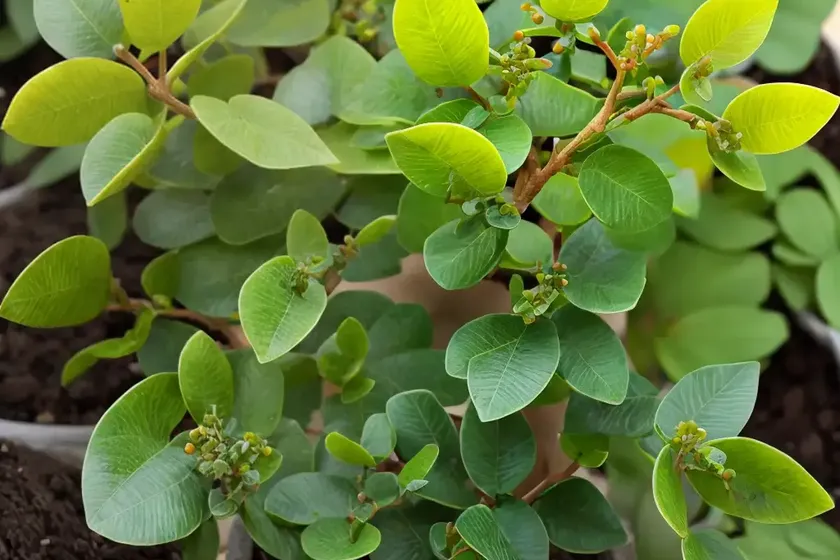
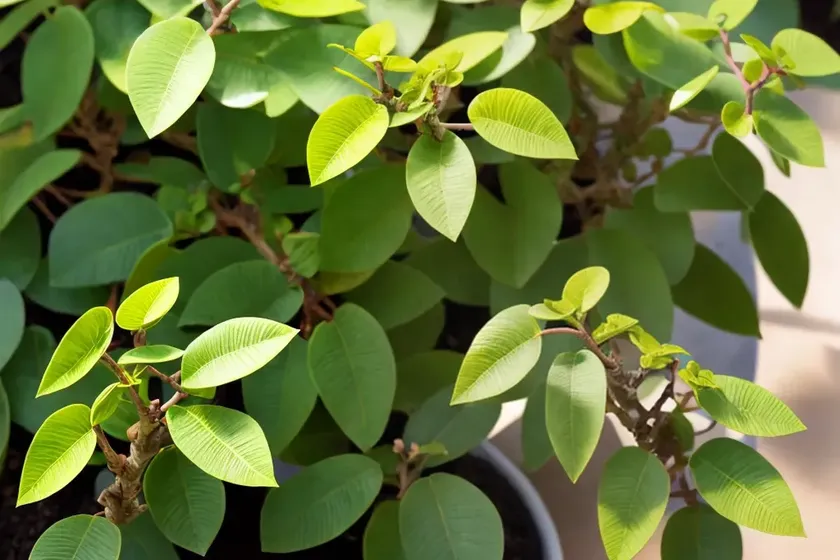
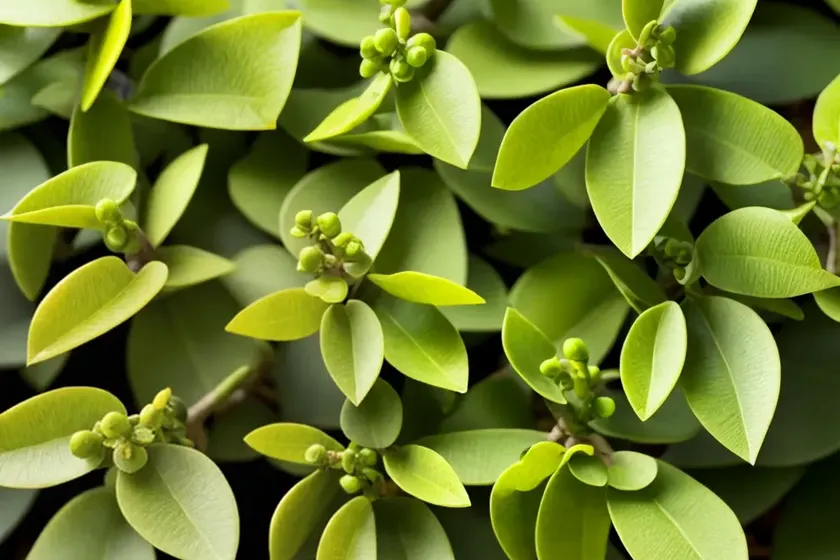
Pittosporum tenuifolium ‘Tom Thumb’, commonly known as Kohuhu, is a striking evergreen shrub that belongs to the Pittosporum genus and Pittosporaceae family. This plant is celebrated for its compact size, attractive foliage, and versatile uses in landscaping, making it a popular choice for gardeners and landscapers alike.
In this comprehensive guide, we will delve into the diverse aspects of the Pittosporum tenuifolium ‘Tom Thumb’, ranging from its cultural requirements to its uses, maintenance, and characteristics. This will provide you with valuable insights into caring for and maximizing the potential of this unique plant in various gardening and landscaping settings.
Key Takeaways – Pittosporum Tenuifolium ‘Tom Thumb’ (Kohuhu)
Before we delve into the specifics of caring for and utilizing Pittosporum tenuifolium ‘Tom Thumb’, let’s take a quick look at the key takeaways that will guide our exploration:
Culture
- Understanding the preferred growing conditions and cultural requirements of Pittosporum tenuifolium ‘Tom Thumb’.
Uses
- Exploring the various uses of this plant in landscaping and gardening, including its adaptability to different settings.
Water
- Detailing the water requirements and best practices for watering Pittosporum tenuifolium ‘Tom Thumb’ to promote healthy growth.
Sunlight
- Identifying the optimal sunlight conditions for this plant and how to cater to its light needs effectively.
Fertilizer
- Recommending suitable fertilization approaches to nourish Pittosporum tenuifolium ‘Tom Thumb’ and support its vitality.
Soil
- Discussing the ideal soil composition and considerations for ensuring an optimal growing medium for this plant.
Pruning
- Providing insights into the pruning techniques and schedules that will help maintain the desired shape and health of Pittosporum tenuifolium ‘Tom Thumb’.
Propagation
- Highlighting the methods for propagating this plant, enabling gardeners to expand their collection and share its beauty with others.
Container Popularity
- Exploring the suitability of Pittosporum tenuifolium ‘Tom Thumb’ for container cultivation and the factors to consider for successful container gardening.
Container Common Diseases
- Identifying common diseases that can affect container-grown Pittosporum tenuifolium ‘Tom Thumb’ and how to address them effectively.
Disease Diagnosis
- Equipping gardeners with the knowledge to diagnose and manage potential diseases that may impact the health of this plant.
Common Pests
- Shedding light on the pests that pose a threat to Pittosporum tenuifolium ‘Tom Thumb’ and outlining strategies for pest control and prevention.
Botanist’s Tips
- Providing expert tips and recommendations from a botanical perspective to help enthusiasts optimize their cultivation of this plant.
Fun Facts
- Uncovering interesting and lesser-known facts about Pittosporum tenuifolium ‘Tom Thumb’ to enrich your appreciation of this remarkable species.
Links to External Resources
- Directing readers to valuable external resources for further information and resources related to Pittosporum tenuifolium ‘Tom Thumb’.
Now, let’s embark on an in-depth exploration of the remarkable Pittosporum tenuifolium ‘Tom Thumb’ and discover the best practices for cultivating and utilizing this ornamental plant.
Pittosporum tenuifolium ‘Tom Thumb’, commonly referred to as Kohuhu, is a compact, evergreen shrub that hails from New Zealand. With its dense, dark purple to black foliage and a naturally rounded form, this variety of Pittosporum tenuifolium stands out as an eye-catching presence in gardens, landscapes, and containers.
Plant Name: Pittosporum tenuifolium ‘Tom Thumb’ (Kohuhu)
- Scientific Name: Pittosporum tenuifolium ‘Tom Thumb’
- Common Name: Kohuhu
- Family: Pittosporaceae
- Genus: Pittosporum
Features and Characteristics
The Pittosporum tenuifolium ‘Tom Thumb’ showcases a host of features and characteristics that make it a sought-after ornamental plant. Let’s explore some of its defining attributes:
- Foliage: The glossy, leathery leaves of Pittosporum tenuifolium ‘Tom Thumb’ exhibit a captivating dark purple to black hue, creating a visually striking contrast in the landscape.
- Growth Habit: This compact shrub boasts a naturally round and dense form, making it an excellent choice for hedges, borders, and containers.
- Size: With a relatively slow growth rate, Pittosporum tenuifolium ‘Tom Thumb’ typically reaches a mature height and spread of around 3 to 4 feet, offering a manageable and well-proportioned presence in gardens.
Now that we have laid the foundation of understanding the plant’s nomenclature and characteristics, let’s delve into the essential aspects of caring for and harnessing the full potential of Pittosporum tenuifolium ‘Tom Thumb’.
Understanding the cultural requirements of Pittosporum tenuifolium ‘Tom Thumb’ is crucial for creating an environment that supports its growth and health. By addressing factors such as climate, planting location, and maintenance practices, gardeners can ensure that this plant thrives and flourishes in their chosen setting.
Climate and Growing Zones
Pittosporum tenuifolium ‘Tom Thumb’ is well-suited to a variety of climates, making it adaptable to different regions. However, it thrives in temperate and coastal areas, where it can benefit from the moderating effects of maritime climates. This makes it an ideal choice for gardens located near the coast or in regions with mild, maritime-influenced climates.
Suitable Growing Zones
The plant is best suited to USDA Hardiness Zones 8-11, where its hardiness enables it to withstand mild winter conditions without compromising its overall health and appearance. In these zones, Pittosporum tenuifolium ‘Tom Thumb’ can thrive and contribute its ornamental allure to a range of landscapes.
Planting Location
When selecting a planting location for Pittosporum tenuifolium ‘Tom Thumb’, consider the following factors to ensure its cultural needs are met:
- Sunlight: The plant thrives in full sun to partial shade, making it adaptable to a broad spectrum of light conditions. Planting it in an area that receives ample sunlight while offering some protection from intense afternoon sun can result in optimal growth and foliage coloration.
- Soil: Well-draining, fertile soil is essential for the healthy development of Pittosporum tenuifolium ‘Tom Thumb’. It is adaptable to a variety of soil types, but thrives in soil with good drainage and organic content.
Watering and Moisture Requirements
Proper watering practices are vital for maintaining the vigor and vitality of Pittosporum tenuifolium ‘Tom Thumb’. While this plant displays a degree of drought tolerance once established, consistent and adequate moisture is crucial, particularly during its initial establishment phase and in hot, dry conditions.
Watering Guidelines
- Establishment Phase: Newly planted Pittosporum tenuifolium ‘Tom Thumb’ should be watered regularly to facilitate root establishment and promote healthy growth. This entails providing sufficient moisture while avoiding waterlogging the soil.
- Mature Plants: Once established, the plant benefits from regular watering during dry spells, supplementing natural rainfall to sustain its moisture requirements. While it exhibits drought tolerance, prolonged periods of dryness can negatively impact its overall health and appearance.
Maintenance and Pruning
Regular maintenance and prudent pruning play a pivotal role in nurturing Pittosporum tenuifolium ‘Tom Thumb’ into a well-shaped, attractive shrub. Pruning serves multiple purposes, including shaping the plant, promoting air circulation, and removing dead or diseased growth.
Pruning Tips
- Timing: Prune Pittosporum tenuifolium ‘Tom Thumb’ in late spring or early summer to harness its natural growth patterns and ensure the preservation of its distinctive form and density.
- Techniques: Utilize sharp, clean tools to prune with precision, focusing on selective removal to maintain the desired shape and size without compromising the plant’s overall health.
- Thinning: Thinning out congested growth and crossing branches can enhance light penetration and airflow within the plant, contributing to improved vigor and aesthetics.
Now that we’ve established an understanding of the cultural requirements to support the growth and development of Pittosporum tenuifolium ‘Tom Thumb’, let’s explore the diverse uses and applications of this versatile plant in landscaping and gardening.
Pittosporum tenuifolium ‘Tom Thumb’ is celebrated for its versatility and aesthetic appeal, making it a valuable asset in various landscaping and gardening scenarios. From ornamental features to practical applications, this compact shrub offers a range of uses that underscore its significance in horticultural settings.
Ornamental Features
The striking foliage and naturally rounded form of Pittosporum tenuifolium ‘Tom Thumb’ make it a compelling ornamental feature in gardens, where it can assume various roles to enhance visual interest and create focal points.
Garden Beds and Borders
- The compact size and dense foliage of Pittosporum tenuifolium ‘Tom Thumb’ make it an excellent candidate for garden beds and borders, where it can contribute structure, color, and year-round interest. Whether used as an edging plant or interspersed within mixed borders, its ornamental value is undeniable.
Hedging and Screening
- With its naturally dense growth habit, Pittosporum tenuifolium ‘Tom Thumb’ lends itself to creating low hedges and screens, where it can function as a privacy barrier or a delineating element within the landscape. Its dark foliage and compact nature make it an ideal choice for delineating spaces and adding a touch of formality to garden designs.
Container Gardening
- Pittosporum tenuifolium ‘Tom Thumb’ thrives in containers, offering an avenue for gardeners to incorporate its visual allure in patios, courtyards, and other confined spaces. Whether showcased individually or combined with other container plants, its adaptability to container culture makes it a versatile option for enhancing outdoor living spaces.
Practical Applications
Beyond its role as an ornamental plant, Pittosporum tenuifolium ‘Tom Thumb’ has practical applications that underscore its functional value in landscaping and gardening practices.
Erosion Control
- Due to its robust growth and dense foliage, this plant can serve as an effective means of erosion control on slopes and embankments. Its root system and overall structure contribute to stabilizing the soil, mitigating erosion, and fostering vegetative cover in vulnerable landscapes.
Topiary and Shaping
- Embracing its compact form and manageable size, Pittosporum tenuifolium ‘Tom Thumb’ can be shaped and trained into topiary forms, adding a sculptural element to gardens and formal landscapes. Whether fashioned into geometric shapes or intricate designs, its responsiveness to pruning enhances its versatility for artistic and creative expressions.
Coastal Landscapes
- Given its innate tolerance to coastal conditions, this plant is an asset in coastal landscapes, where it can thrive despite exposure to salt-laden winds and harsh environmental factors. Its ability to withstand coastal influences makes it an attractive option for gardens near the ocean or in regions with maritime climates.
The diverse uses and applications of Pittosporum tenuifolium ‘Tom Thumb’ underscore its significance as a valuable addition to horticultural settings, fueling the interest and appreciation for this distinctive shrub.
Understanding the water requirements of Pittosporum tenuifolium ‘Tom Thumb’ is paramount for maintaining its health and vitality. Establishing a balanced approach to watering, tailored to the plant’s needs and the prevailing environmental conditions, can ensure its sustained growth and ornamental appeal.
Factors Affecting Water Needs
Several factors influence the water requirements of Pittosporum tenuifolium ‘Tom Thumb’, requiring consideration to deliver appropriate moisture levels and support its well-being.
Soil Moisture
- The soil’s moisture content directly impacts the plant’s water needs, with well-draining soil fostering healthy root development and preventing waterlogging, while retaining sufficient moisture for the plant’s uptake.
Climate and Seasonal Variations
- Environmental factors, including temperature, humidity, and precipitation patterns, influence the plant’s water demands, with adjustments in watering frequency and volume needed to accommodate seasonal fluctuations.
Growth Stage
- Pittosporum tenuifolium ‘Tom Thumb’ may have varying water requirements based on its growth stage, with newly established plants and actively growing specimens necessitating consistent moisture to facilitate establishment and sustained development.
Watering Guidelines
Adhering to proper watering guidelines is crucial for meeting the water requirements of Pittosporum tenuifolium ‘Tom Thumb’ effectively. By adopting prudent watering practices, gardeners can promote the plant’s hydration without exposing it to potential risks associated with overwatering.
Establishment Phase
- Newly planted Pittosporum tenuifolium ‘Tom Thumb’ requires regular watering to aid in root establishment and promote early growth. Maintain a consistent level of soil moisture, ensuring that the root ball remains adequately hydrated without becoming waterlogged.
Mature Plants
- Established plants benefit from periodic watering, particularly during extended dry periods or drought conditions. Supplement natural rainfall by providing supplementary irrigation, delivered at the base of the plant to encourage deep root penetration and resilience to drought stress.
Water Conservation Measures
While fulfilling the water needs of Pittosporum tenuifolium ‘Tom Thumb’ is essential, water conservation measures can be applied to optimize resource utilization and promote sustainable gardening practices.
Mulching
- Applying a layer of organic mulch around the base of the plant helps conserve soil moisture, minimize evaporation, and regulate soil temperatures. Mulching also contributes to weed suppression and soil enrichment, fostering an environment conducive to the plant’s water retention.
Drought Tolerance
- Encouraging the development of drought tolerance in Pittosporum tenuifolium ‘Tom Thumb’ through gradual soil drying and reduced irrigation can enhance its capacity to withstand periods of water scarcity, fostering resilience and minimizing excessive water dependency.
By understanding and addressing the water requirements of Pittosporum tenuifolium ‘Tom Thumb’, gardeners can contribute to the plant’s sustained vigor and longevity, while promoting a balanced approach to water management in the garden.
The sunlight requirements of Pittosporum tenuifolium ‘Tom Thumb’ play a pivotal role in shaping its growth, foliage coloration, and overall health. Understanding the plant’s preferences for light exposure and leveraging this knowledge to regulate its sunlight intake is essential for ensuring optimal development and ornamental appeal.
Optimal Sunlight Conditions
Pittosporum tenuifolium ‘Tom Thumb’ thrives in a broad range of light conditions, from full sun to partial shade, demonstrating its adaptability to varying levels of light exposure.
Full Sun
- When situated in full sun, Pittosporum tenuifolium ‘Tom Thumb’ benefits from ample direct sunlight, which supports robust growth, vibrant foliage coloration, and overall vigor. Introducing this plant to full sun settings can promote its characteristic dark purple to black leaf pigmentation and reinforce its compact form.
Partial Shade
- In partial shade, Pittosporum tenuifolium ‘Tom Thumb’ can maintain its growth and appearance, with slightly reduced exposure to direct sunlight. Partial shade settings are particularly beneficial in warmer climates, providing a degree of sun protection during the hottest part of the day to prevent potential foliage stress.
Sunlight Management
To accommodate the sunlight needs of Pittosporum tenuifolium ‘Tom Thumb’, gardeners can employ strategic approaches to optimize light exposure and support the plant’s well-being.
Site Selection
- When choosing a planting location for Pittosporum tenuifolium ‘Tom Thumb’, consider the prevailing light conditions and select a site that aligns with the plant’s preferences for full sun to partial shade, ensuring it receives adequate sunlight without excessive exposure.
Sun Protection
- In areas characterized by intense afternoon sun or elevated temperatures, providing shade from hot, direct sunlight can shield Pittosporum tenuifolium ‘Tom Thumb’ from potential leaf scorch and minimize stress on the plant. Employing natural or supplemental shading methods can help moderate light exposure.
Seasonal Considerations
- Adjust the plant’s sunlight exposure as needed during different seasons, accommodating its changing demands based on shifting solar angles and variations in daylight duration. Monitoring the plant’s response to natural light fluctuations can guide appropriate adjustments in its positioning to optimize light intake.
By acknowledging the sunlight needs and preferences of Pittosporum tenuifolium ‘Tom Thumb’, gardeners can foster an environment that supports its growth and foliage development, harnessing the benefits of well-managed light exposure.
Fertilizing Pittosporum tenuifolium ‘Tom Thumb’ judiciously is instrumental in sustaining its vitality, promoting robust growth, and enriching the quality of its visual attributes. By adopting an informed approach to fertilization, gardeners can provide the plant with essential nutrients and fortify its overall health.
Nutrient Requirements
Pittosporum tenuifolium ‘Tom Thumb’ benefits from access to key nutrients that support its physiological processes and sustain its ornamental features. Understanding the specific nutrient requirements of the plant can guide appropriate fertilization practices.
Macronutrients
- Nitrogen, phosphorus, and potassium are essential macronutrients that Pittosporum tenuifolium ‘Tom Thumb’ requires for fundamental functions such as growth, flowering, and overall metabolic activities. Ensuring adequate availability of these macronutrients is integral to supporting the plant’s well-being.
Micronutrients
- Micronutrients, including iron, magnesium, and zinc, play a crucial role in Pittosporum tenuifolium ‘Tom Thumb’s physiological processes, influencing processes such as chlorophyll production, enzyme activation, and stress tolerance. Providing access to these micronutrients can bolster the plant’s resilience and vitality.
Fertilization Guidelines
Enacting a targeted fertilization regimen that accommodates the nutritional needs of Pittosporum tenuifolium ‘Tom Thumb’ is essential for delivering balanced nourishment and sustaining its vigor.
Soil Testing
- Conducting a soil test can provide insights into the existing nutrient levels and pH of the soil, informing appropriate fertilizer selection and application rates to rectify any deficiencies or imbalances.
Fertilizer Selection
- Opt for a balanced, slow-release fertilizer formulated for ornamental shrubs or evergreens to supply Pittosporum tenuifolium ‘Tom Thumb’ with a comprehensive array of essential nutrients without inducing rapid, excessive growth.
Application Timing
- Apply fertilizer to Pittospor


