Caucasian Stonecrop (Sedum spurium ‘John Creech’): A Comprehensive Plant Care Guide
Caucasian stonecrop, scientifically known as Sedum spurium ‘John Creech’ is a delightful, low-growing perennial plant that belongs to the Crassulaceae family. The intriguing characteristics and versatile nature of this plant make it a popular choice among gardeners and landscaping enthusiasts.
In this comprehensive guide, we will delve into every aspect of caring for Caucasian stonecrop, covering its cultural requirements, uses, water and sunlight needs, fertilizer and soil preferences, pruning techniques, propagation methods, container gardening, common diseases, pest control, and much more. By the end of this guide, you will possess a deep understanding of how to cultivate and maintain this beautiful plant to enhance the aesthetic appeal of your garden.
What is Caucasian Stonecrop (Sedum spurium ‘John Creech’)?
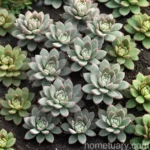
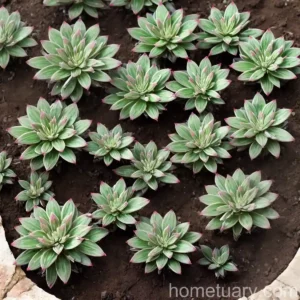
Caucasian stonecrop, also known as John Creech stonecrop, is a perennial plant native to the Caucusus region. It is characterized by its mat-forming growth habit, forming a dense carpet of succulent foliage. The botanical name Sedum spurium is derived from the Latin word “sedere,” which means to sit, alluding to the plant’s low, spreading nature.
The ‘John Creech’ variety is a cultivar of Sedum spurium that is particularly valued for its vigorous growth, charming pink flowers, and year-round interest. This hardy stonecrop is cultivated for its ability to thrive in various growing conditions and its low maintenance requirements, making it a sought-after choice for ground cover, rock gardens, containers, and mixed borders.
As we explore the care and maintenance of this beautiful plant, it is essential to consider its inherent characteristics, growth habits, and seasonal attributes to ensure optimal cultivation success.
Key Takeaways – Caucasian Stonecrop (Sedum spurium ‘John Creech’)
Before delving into the specific cultural requirements and care guidelines for Caucasian stonecrop, let’s outline some key takeaways that encapsulate the essential aspects of this plant:
- Botanical Name: Sedum spurium ‘John Creech’
- Common Name: Caucasian Stonecrop, John Creech Stonecrop
- Growth Habit: Mat-forming, low-spreading
- Foliage Color: Green, sometimes with reddish tinge in cooler temperatures
- Flower Color: Pink
- Season of Interest: Year-round
- Plant Type: Perennial
- Water Needs: Low to Moderate
- Sunlight Requirements: Full Sun to Partial Shade
- Soil Preferences: Well-draining, nutrient-rich
- Hardiness Zone: 3-9
- Uses: Ground cover, rock gardens, containers, borders
- Special Features: Drought-tolerant, low maintenance, wildlife-friendly
These key takeaways provide a comprehensive overview of the fundamental aspects of Caucasian stonecrop, setting the stage for a detailed exploration of its care and cultivation.
Culture
Caucasian stonecrop can be cultivated with relative ease, provided that its cultural requirements are met. From the type of soil it prefers to its water and sunlight needs, understanding the cultural aspects of this plant is essential for successful growth and development.
Uses
The versatile nature of Caucasian stonecrop lends itself to a wide array of uses in various garden settings. Some of the primary uses of this plant include:
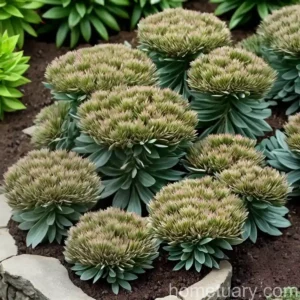
- Ground Cover: Its low-spreading growth habit and dense foliage make it an excellent choice for ground cover, creating a lush carpet of greenery.
- Rock Gardens: The low-maintenance and drought-tolerant nature of this plant makes it well-suited for rock garden environments, adding texture and visual interest.
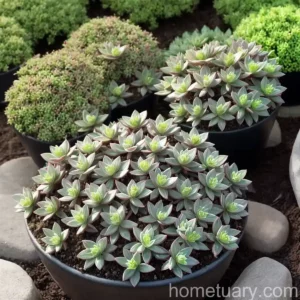
- Containers: The compact growth and attractive foliage of Caucasian stonecrop make it a popular choice for container gardening, adding a touch of greenery to patio spaces and outdoor areas.
- Mixed Borders: When combined with other perennials and annuals, the vibrant foliage and delicate flowers of this plant contribute to charming mixed border displays.
Understanding the various uses of Caucasian stonecrop provides insight into its versatility and adaptability in different garden settings.
Water
The water needs of Caucasian stonecrop are relatively low, making it well-suited for environments where drought tolerance is essential. When establishing this plant and during prolonged dry spells, regular watering is advisable to promote healthy growth and prevent dehydration. However, it is crucial to ensure proper drainage to prevent waterlogged conditions, which can be detrimental to the plant’s health.
Sunlight
Caucasian stonecrop thrives in full sun to partial shade conditions, making it adaptable to a range of light intensities. When grown in full sun, the plant typically exhibits more compact growth and vibrant foliage colors, while partial shade conditions may result in slightly lusher growth and a moderate reduction in flowering.
Fertilizer
As a relatively low-maintenance plant, Caucasian stonecrop generally requires minimal fertilization. A balanced, slow-release fertilizer applied in early spring can provide the necessary nutrients for robust growth and blooming. It is important to avoid excessive fertilization, as this can lead to overly lush foliage at the expense of compact growth and prolific flowering.
Soil
The ideal soil for Caucasian stonecrop is well-draining and nutrient-rich, allowing for proper moisture retention without becoming waterlogged. A slightly acidic to neutral pH range is suitable for this plant, and incorporating organic matter into the soil can enhance its overall quality. Additionally, ensuring good air circulation in the root zone is crucial for preventing potential issues such as root rot.
Pruning
Pruning plays a significant role in maintaining the health and aesthetic appeal of Caucasian stonecrop. While this plant is generally low-maintenance, periodic pruning can help manage its growth, rejuvenate the foliage, and promote abundant flowering. The following pruning guidelines can be followed to ensure the optimal care of this plant:
- Deadheading: Removing spent flowers can encourage continuous blooming and prevent the formation of seed heads, redirecting the plant’s energy into new growth and flower production.
- Thinning: Thinning out dense areas of growth can improve air circulation and light penetration, minimizing the risk of disease and promoting the overall vigor of the plant.
- Rejuvenation: If the plant becomes overly dense or shows signs of decline, rejuvenation pruning can be employed by cutting back the stems to encourage fresh growth from the base.
By incorporating these pruning practices, gardeners can help maintain the attractive appearance and vitality of Caucasian stonecrop throughout the growing season.
Propagation
Propagation of Caucasian stonecrop can be carried out using several methods, allowing for the expansion of this delightful plant in the garden or landscape. The primary propagation techniques for this species include:
- Division: Dividing established clumps of Caucasian stonecrop in early spring can yield new plants, each with a strong root system and the potential for vigorous growth.
- Stem Cuttings: Taking stem cuttings from healthy, non-flowering shoots and rooting them in a well-draining, sterile growing medium provides a reliable method for propagating this plant.
- Leaf Cuttings: Individual leaves can be carefully removed from the plant, allowed to callus, and then placed in a suitable rooting medium to develop into new plants.
Each propagation method offers its own advantages and can be employed to suit the specific requirements and preferences of the gardener.
Container Popularity
Caucasian stonecrop is widely appreciated for its suitability for container gardening, adding a touch of elegance and greenery to outdoor spaces. The compact growth habit, charming foliage, and delicate pink flowers make this plant an excellent choice for containers of various sizes, including:
- Pots and Planters: By planting Caucasian stonecrop in pots and planters, gardeners can create appealing focal points on patios, decks, and balconies, and introduce the beauty of this plant to small spaces.
- Hanging Baskets: When cascading varieties of Sedum spurium ‘John Creech’ are utilized, they can gracefully spill over the edges of hanging baskets, adding a vertical dimension and softening the appearance of the container.
When selecting containers for Caucasian stonecrop, it is essential to ensure proper drainage to prevent waterlogging, and to choose a growing medium that promotes healthy root development and moisture retention.
Common Diseases
While Caucasian stonecrop is relatively resistant to diseases, certain environmental conditions and cultural practices can predispose it to specific issues. Understanding the common diseases that may affect this plant is essential for their timely identification and effective management.
Disease Diagnosis
Some of the common diseases that may impact Caucasian stonecrop include:
- Powdery Mildew: This fungal disease can manifest as a white, powdery coating on the foliage, leading to reduced vigor and unsightly appearance. Adequate air circulation and the use of fungicidal treatments can help prevent and control powdery mildew.
- Root Rot: Excessive moisture and poor drainage can lead to root rot, causing the plant to exhibit wilting, yellowing foliage, and overall decline. Improving soil drainage and avoiding overwatering are crucial for preventing this issue.
Vigilant monitoring of the plant’s health, coupled with prompt intervention when symptoms arise, can mitigate the impact of diseases and ensure the continued well-being of Caucasian stonecrop.
Common Pests
In addition to diseases, certain pests may pose a threat to the health and vitality of Caucasian stonecrop. Being able to identify and address these potential pests is essential in safeguarding the plant from damage and ensuring its long-term success.
Botanist’s Tips
Some of the common pests that may affect Caucasian stonecrop include:
- Aphids: These small, sap-sucking insects can congregate on the new growth of the plant, causing distortion of the foliage and the potential spread of viral diseases. Control measures such as spraying with insecticidal soap can effectively manage aphid infestations.
- Snails and Slugs: These herbivorous pests can feed on the succulent foliage of Caucasian stonecrop, leaving behind unsightly holes and damage. Physical barriers, such as copper tape or diatomaceous earth, can be employed to deter these pests from reaching the plant.
By implementing integrated pest management strategies and maintaining a well-balanced ecosystem, gardeners can minimize the impact of pests on Caucasian stonecrop while promoting a thriving and harmonious garden environment.
Fun Facts
- The specific epithet “spurium” in Sedum spurium refers to plants that were considered false or counterfeit by ancient herbalists, alluding to their fascinating botany and folklore.
- Caucasian stonecrop is a valuable source of nectar for pollinators such as bees and butterflies, contributing to the ecological diversity of garden habitats.
- In some regions, Sedum spurium ‘John Creech’ is used as a dynamic and water-wise alternative to traditional lawn grass, reducing the need for extensive irrigation and mowing.
Links to External Resources
For further information, guidance, and visual references related to the care and cultivation of Caucasian stonecrop, refer to the following external resources:
- The Royal Horticultural Society – Sedum spurium ‘John Creech’
- University of California – Sedum spurium Fact Sheet
- Missouri Botanical Garden – Sedum spurium ‘John Creech’
- Gardening Know How – Sedum spurium Growing Tips
External resources provide valuable insights, research-based recommendations, and expert perspectives that can enrich the understanding and cultivation of Caucasian stonecrop.
In conclusion, the allure and adaptability of Caucasian stonecrop (Sedum spurium ‘John Creech’) make it an exceptional choice for enhancing garden landscapes, creating captivating ground cover, and introducing charm to container displays. By incorporating the insights and guidelines outlined in this comprehensive plant care guide, gardeners can cultivate and enjoy the beauty of this resilient and versatile plant, promoting its flourishing presence in diverse garden environments.# Conclusion
Caucasian stonecrop, or Sedum spurium ‘John Creech’, embodies a harmonious blend of beauty and resilience, making it a cherished addition to garden landscapes and outdoor spaces. As we have explored in this comprehensive plant care guide, the cultural requirements, uses, propagation methods, and potential challenges associated with this plant have been detailed to empower gardeners with the knowledge and insight needed to cultivate and maintain this captivating perennial with confidence.
By understanding the nuanced aspects of Caucasian stonecrop care, including its water and sunlight needs, soil preferences, and pest and disease management strategies, gardeners can foster the robust growth and enduring beauty of this plant. Its versatility in ground cover, rock gardens, mixed borders, and container displays offers endless possibilities for incorporating a touch of nature’s elegance into outdoor environments.
Armed with the expertise gained from this comprehensive guide and the valuable references to external resources, gardeners can embark on a rewarding journey of cultivating and enjoying the captivating allure of Caucasian stonecrop, adding a touch of sophistication and natural splendor to their outdoor spaces.
In closing, let the vibrant foliage and delicate pink flowers of Sedum spurium ‘John Creech’ inspire your gardening pursuits, inviting the enduring charm of this resilient perennial to flourish and enrich the beauty of your garden landscape.