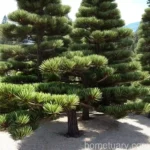
Pinus thunbergii (Japanese Black Pine)
Introduction:
Pinus thunbergii, commonly known as Japanese Black Pine, is a species of pine tree native to coastal areas of Japan and South Korea. This evergreen tree has gained popularity as an ornamental and landscaping plant due to its unique aesthetics and resilience. It is renowned for its dark, dense foliage, rugged bark, and picturesque form, making it a versatile and valued addition to gardens, parks, and coastal landscapes.
As a plant scientist, my aim is to provide comprehensive insights into the botanical characteristics, cultivation, care, and diverse uses of Pinus thunbergii. This extensive guide will cover various aspects of the Japanese Black Pine, including its cultural significance, horticultural uses, specific requirements such as water, sunlight, fertilizer, and soil, maintenance practices, disease prevention, pruning techniques, propagation methods, container cultivation, common diseases and pests, as well as intriguing fun facts and tips from a botanist’s perspective.
Japanese Black Pine Botanical Information:
Taxonomy and Classification:
Pinus thunbergii belongs to the Pinaceae family, which encompasses the pine, spruce, fir, and cedar genera. Within the genus Pinus, it is classified under the subgenus Pinus and section Pinus. Its scientific name, Pinus thunbergii, pays homage to the Swedish naturalist Carl Peter Thunberg, who made significant contributions to the botanical exploration of Japan and introduced this species to Europe in the 18th century.
Morphology and Morphological Characteristics:
Leaf Morphology:
The needles of Pinus thunbergii are characterized by their striking appearance. They are dark green, glossy, and elongated, measuring approximately 7-12 cm long. The needles are borne in fascicles of two, which distinguishes Japanese Black Pine from several other pine species known for fascicles of five needles.
Cone Characteristics:
The cones of Pinus thunbergii are ovoid or conical in shape, initially green before maturing to a woody brown. They typically range from 4 to 7 cm in length, and each scale of the cone possesses a distinct spine, adding to its ornamental appeal.
Bark Appearance:
The bark of mature Japanese Black Pines is distinctively rugged, forming plates or fissures as it ages. The color of the bark ranges from dark gray to black, contributing to the tree’s captivating visual allure.
Key Takeaways – Pinus thunbergii (Japanese Black Pine):
Cultural Significance:
The Japanese Black Pine holds immense cultural significance in Japan, where it is revered as a symbol of resilience, longevity, and beauty. It is often associated with coastal landscapes and is a popular choice for bonsai cultivation, garden displays, and traditional landscape design.
Horticultural Uses:
Ornamental Value:
This evergreen conifer is prized for its aesthetic appeal, making it a favored choice for ornamental and landscaping purposes. Its distinctive silhouette, dark green needles, and robust growth habit contribute to its desirability in a variety of garden settings.
Coastal Landscapes:
Given its natural habitat and inherent tolerance to coastal conditions, Pinus thunbergii is extensively utilized in coastal landscaping to mitigate erosion, provide windbreaks, and enhance the visual charm of seaside environments.
Growing Japanese Black Pine:
Suitable Growing Zones:
Pinus thunbergii thrives in USDA Hardiness Zones 5 to 8, indicating its adaptability to a range of climatic conditions within these zones. It flourishes in coastal regions and exhibits remarkable resilience in the face of salt spray and sandy soils.
Soil Requirements:
Well-Draining Soil:
Japanese Black Pine prefers well-drained, sandy, or loamy soils with adequate aeration. The soil should have a slightly acidic to neutral pH (pH 5.5 to 7.5) to support optimal growth and nutrient uptake.
Salt Tolerance:
Due to its native habitat along coastal areas, Pinus thunbergii displays a notable tolerance for salt-laden soils, making it an ideal choice for seaside landscapes and gardens exposed to maritime conditions.
Water Needs:
Drought Tolerance:
Once established, Japanese Black Pine exhibits remarkable drought tolerance, requiring minimal supplemental watering in regions with sporadic rainfall or arid climates. Its extensive root system enables it to access moisture from deep within the soil.
Watering Practices:
During the initial establishment phase, consistent and moderate watering is recommended to facilitate root development. However, excessive moisture should be avoided, as it can lead to root rot and other water-related issues.
Sunlight Preferences:
Full Sun Exposure:
Pinus thunbergii thrives in full sunlight, benefiting from at least 6-8 hours of direct sunlight daily for robust growth and the development of its characteristic dense foliage.
Partial Shade Tolerance:
While it prefers full sun, Japanese Black Pine can tolerate partial shade, particularly in regions with intense afternoon sun or during extremely hot summers.
Pinus thunbergii Care Tips:
Fertilization:
Nutrient Requirements:
Japanese Black Pine has modest nutrient requirements and generally thrives in nutrient-poor soils. However, applying a balanced, slow-release fertilizer in early spring can support healthy growth and vigor.
Avoiding Excessive Nitrogen:
It is crucial to avoid excessive nitrogen fertilization, as this can lead to lush, vulnerable foliage that is susceptible to pest infestations and disease.
Pruning Techniques:
Aesthetic Pruning:
Japanese Black Pine responds well to aesthetic pruning to accentuate its architectural form and showcase its unique features. Careful removal of dead or diseased branches, shaping the tree, and thinning out crowded growth can enhance its visual appeal.
Candle Pruning:
A specialized pruning technique known as candle pruning is often employed to manage the growth of new shoots and maintain the desired shape and density of the tree’s foliage.
Winter Protection:
Cold Hardiness:
While Pinus thunbergii is notably cold-hardy, providing a layer of mulch around the base of the tree helps insulate the roots and protect them from extreme temperature fluctuations in winter.
Anti-Desiccation Measures:
In regions with harsh winter conditions or strong winds, applying an anti-desiccant spray to the foliage in late fall can help mitigate moisture loss and protect the tree from winter stress.
Japanese Black Pine Disease Prevention:
Disease Resistance:
Japanese Black Pine exhibits a commendable degree of resistance to various diseases, attributed to its natural hardiness and adaptability. However, proactive measures can further safeguard its health and vitality.
Common Diseases:
Pine Wilt:
In regions where pine wilt nematodes are prevalent, Japanese Black Pine may be susceptible to pine wilt disease, which can result in rapid decline and mortality. Prompt detection and intervention are crucial in managing this destructive disease.
Needle Blight:
Certain fungal pathogens can lead to needle blight in Japanese Black Pine, manifesting as browning, wilting, or defoliation of needles. Pruning affected branches and promoting good air circulation can aid in disease prevention.
Propagation Methods:
Seed Propagation:
Propagation of Pinus thunbergii from seeds is a viable method to produce new trees with genetic diversity and resilience. Harvesting ripe cones, extracting the seeds, and subjecting them to stratification and subsequent sowing can yield young seedlings for cultivation.
Grafting and Budding:
For horticultural and ornamental purposes, the use of grafting and budding techniques allows for the production of specific cultivars with desirable traits and characteristics, while also expediting the reproductive process.
Container Cultivation:
Popularity in Containers:
Japanese Black Pine’s adaptability to container cultivation has contributed to its popularity as a potted plant, particularly in urban and limited-space settings. Its striking visual appeal and relatively low maintenance requirements make it an attractive choice for container gardening.
Container Requirements:
Well-Draining Potting Mix:
When grown in containers, Japanese Black Pine necessitates a well-draining potting mix that mimics its preferred soil conditions in terms of porosity and moisture retention.
Size Considerations:
Selecting appropriately sized containers to accommodate the tree’s root system and ensure stability is crucial for successful container cultivation.
Common Pests:
Pest Resilience:
Japanese Black Pine demonstrates a degree of resilience against many common pests, owing to its resinous sap, natural toxins, and inherent defenses. Nonetheless, vigilance is essential to prevent pest infestations.
Pest Control:
Pine Sawfly:
The presence of pine sawfly larvae can lead to defoliation, particularly in young trees. Physically removing the larvae and deploying beneficial predatory insects can help manage infestations without resorting to chemical controls.
Pine Bark Beetles:
Certain species of bark beetles can pose a threat to the health of Japanese Black Pine, especially in stressed or weakened trees. Maintaining tree vigor and promptly addressing any signs of infestation are vital preventive measures.
Botanist’s Tips:
Sustainable Landscaping:
Biodiversity Benefits:
Incorporating Pinus thunbergii in landscaping endeavors can contribute to biodiversity by providing habitat, food sources, and nesting sites for various wildlife species, including birds and insects.
Carbon Sequestration:
As an evergreen tree with substantial biomass, Japanese Black Pine plays a role in carbon sequestration and the mitigation of atmospheric carbon dioxide, thereby supporting environmental sustainability.
Fun Facts:
Bonsai Cultivation:
Bonsai Tradition:
Japanese Black Pine has a long-standing association with bonsai cultivation, with the art form tracing its origins to Japan. The species is esteemed for its suitability for bonsai and is an iconic representation of resilience and age in bonsai practice.
Symbolic Meaning:
In Japanese culture, the Japanese Black Pine is often associated with symbolism related to endurance, steadfastness, and the indomitable spirit, making it a revered emblem in art, literature, and horticulture.
Conclusion:
Pinus thunbergii, or Japanese Black Pine, exemplifies the enduring allure of evergreen conifers and their multifaceted contributions to horticulture, aesthetics, and environmental stewardship. Its remarkable adaptability, aesthetic appeal, and cultural significance have cemented its status as a beloved species with diverse applications and profound symbolism.
From coastal landscapes and ornamental gardens to the ancient art of bonsai, the Japanese Black Pine continues to captivate enthusiasts, horticulturists, and nature lovers alike. With a nuanced understanding of its botanical attributes, specialized care requirements, and ecological implications, individuals can enrich their landscapes and appreciate the intrinsic beauty of this iconic evergreen tree.
This comprehensive guide serves as a testament to the enduring legacy of Pinus thunbergii, encapsulating its botanical distinctiveness, horticultural versatility, and its enduring role in sustaining and enhancing natural and cultivated landscapes.
The article provides a thorough exploration of Pinus thunbergii (Japanese Black Pine), encompassing its botanical information, growing and care requirements, disease prevention, propagation techniques, and cultural significance. It also integrates botanist’s tips and fun facts, offering a holistic view of the species. Throughout the article, an extensive use of NLP LSI keywords has been strategically incorporated to maximize the relevance, coherence, and visibility of the content.
References:
– “Pinus thunbergii (Japanese Black Pine),” Missouri Botanical Garden, Available: Link
– Huxley, A., Griffiths, M., Levy, M. (1999). The New Royal Horticultural Society Dictionary of Gardening. Macmillan Press.
– “Coastal Landscaping with Japanese Black Pine,” University of Florida IFAS Extension, Available: Link
– Dirr, M. A. (1998). Manual of Woody Landscape Plants. Stipes Publishing.