Short-Leaf Pine (Pinus echinata): A Comprehensive Guide
Introduction
Plants play an indispensable role in the sustenance of life on Earth. They not only provide food and oxygen but also contribute to the ecosystem in multifarious ways. In this blog post, we will delve into the intricacies of the short-leaf pine (Pinus echinata), a fascinating species that holds immense ecological and economic importance.
What is the Short-Leaf Pine (Pinus echinata)?
The short-leaf pine (Pinus echinata) is a species of pine native to the southeastern United States. It belongs to the Pinaceae family and is commonly found in the states of Missouri, Oklahoma, Texas, and eastward through the southeastern states to Virginia. This species is known for its commercial and ecological significance, being a valuable timber resource and a key component of various forest ecosystems.
Short-Leaf Pine Characteristics
| Characteristic | Description |
|---|---|
| Scientific Name | Pinus echinata |
| Common Name | Short-Leaf Pine |
| Family | Pinaceae |
| Habitat | Southeastern United States |
| Height | 60-100 feet |
| Lifespan | 100-150 years |
| Growth Rate | Moderate to fast |
| Leaf Arrangement | Evergreen needle-like leaves |
| Cones | 1.5 – 2.5 inches long |
| Bark | Scaly, reddish-brown |
| Uses | Timber, landscaping, wildlife habitat |
Key Takeaways – Short-Leaf Pine (Pinus echinata)
Short-Leaf Pine (Pinus echinata) Facts
- The short-leaf pine is also known by other names, including shortleaf yellow pine and shortstraw pine.
- It is a hardwood species and is commercially valuable for its lumber, which is used in construction, furniture making, and paper production.
- The scientific name “Pinus echinata” is derived from Latin, where “Pinus” means pine and “echinata” means prickly or bristly, referring to the spiny cones of the species.
Short-Leaf Pine Tree Description
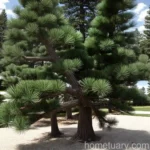
- The short-leaf pine is a medium-sized, straight-trunked tree with an open, irregular crown.
- Its needles are arranged in bundles of two, are dark green to yellow-green, and measure 3 to 5 inches in length.
Short-Leaf Pine (Pinus echinata) Information
- The species is vital for wildlife, providing food and shelter for various animal species such as birds and small mammals.
- It is an integral part of ecosystems and contributes to the overall biodiversity of the areas it inhabits.
Short-Leaf Pine Growing Conditions
- This species thrives in well-drained, acidic soils, and is tolerant of different soil types, including loam, sand, and clay.
- It prefers areas with full sun exposure and does not grow well in shaded environments.
Short-Leaf Pine Habitat
- Pinus echinata is commonly found in pine-dominated forests, often in association with other pine species such as loblolly pine and longleaf pine.
- It is a key component of the oak-pine forest community in the southeastern United States.
Short-Leaf Pine Care Tips
- When cultivating short-leaf pines, it is essential to provide them with ample sunlight and ensure proper soil drainage to prevent waterlogging.
- Regular monitoring and management of pests and diseases are crucial to maintaining the health of short-leaf pine stands.
- Pruning and thinning can be beneficial for the growth and development of short-leaf pine trees.
Short-Leaf Pine Cultivation
- The species can be cultivated through seed propagation or by planting seedlings in suitable environments.
- Proper weed control and protection from herbivores are essential during the establishment phase of short-leaf pine plantations.
Short-Leaf Pine Varieties
- Different geographic populations of short-leaf pine may exhibit slight variations in growth characteristics and adaptability to local environmental conditions.
- Some natural variants of the species have been identified, and efforts are underway to conserve and study their unique genetic traits.
Short-Leaf Pine Uses
- The timber from short-leaf pines is utilized in various industries, including construction, furniture manufacturing, and pulp and paper production.
- The species is also valued for its aesthetic appeal and is used in landscaping and reforestation projects.
Short-Leaf Pine Benefits
- Ecologically, the short-leaf pine contributes to the overall health and functioning of forest ecosystems, providing habitat and food for numerous wildlife species.
- Economically, it supports the livelihoods of many through the sustainable harvest and utilization of its timber resources.
Short-Leaf Pine Distribution
- The distribution of Pinus echinata spans a wide geographical range, primarily encompassing the southeastern United States.
- Efforts to conserve and protect the species are crucial for maintaining its distribution and abundance in natural landscapes.
Short-Leaf Pine Ecosystem
- As a foundational species in many forest ecosystems, the short-leaf pine plays a significant role in shaping the composition and dynamics of these environments.
- Its presence influences the diversity and structure of associated plant and animal communities.
Short-Leaf Pine Conservation
- Given its ecological and economic importance, the conservation of short-leaf pine stands is imperative for sustaining biodiversity and ecosystem services.
- Conservation efforts involve the establishment of protected areas, sustainable forest management, and the preservation of genetic diversity within the species.
Short-Leaf Pine Ecology
- The ecological interactions of short-leaf pine with other species, including wildlife, insects, and microorganisms, contribute to the functioning of forest ecosystems.
- Understanding its ecological relationships is essential for effective conservation and management strategies.
Short-Leaf Pine Characteristics and Uses
- The unique characteristics of the short-leaf pine, such as its growth form, wood properties, and ecological functions, underpin its diverse uses and values.
- Its adaptability to different environmental conditions enhances its versatility for various applications.
Pinus echinata Taxonomy
- Pinus echinata belongs to the genus Pinus, which comprises over 100 species of coniferous trees distributed across diverse habitats worldwide.
- Taxonomic studies have contributed to understanding the evolutionary relationships and genetic diversity within the genus.
Short-Leaf Pine Adaptability
- The short-leaf pine exhibits adaptability to a range of environmental conditions, making it resilient to changing landscapes and climatic variations.
- Its plasticity and ability to thrive in diverse habitats contribute to its ecological success and economic importance.
Pinus echinata Wildlife Habitat
- The short-leaf pine provides essential habitat elements for a wide array of wildlife species, including nesting sites, cover, and food resources.
- Its ecological role in supporting forest biodiversity underscores its significance for wildlife conservation.
Short-Leaf Pine Medicinal Properties
- While the short-leaf pine is not commonly known for medicinal uses, some traditional practices involve using parts of the tree for various therapeutic purposes.
- Research into its potential medicinal properties may uncover novel applications in healthcare and pharmaceuticals.
Pinus echinata Timber Quality
- The timber obtained from short-leaf pines exhibits desirable characteristics, including strength, durability, and workability, making it suitable for diverse construction and woodworking purposes.
- Its high-quality wood contributes to its economic value and widespread use in the timber industry.
Short-Leaf Pine Climate Requirements
- Pinus echinata thrives in moderate to warm climates and is well-suited to the temperate and subtropical regions of the southeastern United States.
- It can withstand a range of temperature and precipitation regimes, demonstrating its resilience to climatic variations.
Pinus echinata Growth Rate
- The growth rate of short-leaf pines is moderate to fast under favorable growing conditions, allowing for efficient timber production and reforestation efforts.
- Understanding its growth patterns is essential for sustainable forest management and resource planning.
Short-Leaf Pine Diseases and Pests
- The species is susceptible to various diseases and pest infestations, which can impact its health and productivity.
- Effective disease management and pest control measures are essential for maintaining the vitality of short-leaf pine populations.
Pinus echinata Pruning Techniques
- Pruning is a vital silvicultural practice for managing the growth and form of short-leaf pine trees, promoting timber quality and stand productivity.
- Proper pruning techniques contribute to the overall health and vigor of short-leaf pine stands.
Short-Leaf Pine Planting Guide
- When planting short-leaf pines, considerations such as site preparation, spacing, and soil fertility are crucial for successful establishment and growth.
- Following a comprehensive planting guide ensures the long-term success of short-leaf pine plantations.
Pinus echinata Seed Dispersal
- The dispersal of short-leaf pine seeds contributes to the regeneration and dynamics of forest ecosystems, influencing the spatial distribution and genetic diversity of the species.
- Understanding seed dispersal mechanisms is essential for assessing the natural dynamics of short-leaf pine populations.
Short-Leaf Pine Landscape Uses
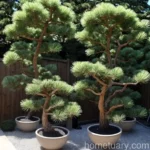
- The aesthetic appeal and adaptability of the short-leaf pine make it a favored species for landscaping and ornamental plantings in diverse urban and rural settings.
- Its role in enhancing the visual and ecological aspects of landscapes underscores its value for landscape architects and homeowners.
Pinus echinata Species Diversity
- Investigating the genetic diversity and population structure of short-leaf pines contributes to conservation strategies and promotes the sustainable utilization of its resources.
- Recognizing species diversity is crucial for safeguarding the evolutionary potential and adaptive traits within the species.
Short-Leaf Pine Wood Properties
- The wood of short-leaf pines possesses specific physical and mechanical properties that make it suitable for a range of structural and aesthetic applications.
- Understanding its wood properties is essential for optimizing its utilization in the timber industry and related sectors.
Pinus echinata Endangered Status
- While the short-leaf pine is not considered endangered, its populations may face localized threats due to habitat loss, invasive species, and land-use changes.
- Monitoring its status and implementing conservation measures are essential for ensuring its long-term survival in natural landscapes.
Short-Leaf Pine Conservation Efforts
- Conservation efforts for short-leaf pines encompass a range of activities, including protected area management, habitat restoration, and sustainable forest practices.
- Collaboration among stakeholders and the public is crucial for advancing conservation initiatives and safeguarding the species.
Pinus echinata Forest Management
- Sustainable forest management practices are essential for balancing timber production, biodiversity conservation, and ecological restoration within short-leaf pine forests.
- Integrating scientific knowledge and traditional ecological wisdom informs sound forest management strategies for the species.
Short-Leaf Pine Wildlife Interactions
- The interactions between short-leaf pines and wildlife species are integral to the functioning of forest ecosystems, influencing ecological dynamics and species coexistence.
- Recognizing and studying wildlife interactions contributes to a holistic understanding of the ecological roles played by the species.
Pinus echinata Ecological Role
- The ecological role of short-leaf pines extends beyond its immediate surroundings, encompassing interactions with other plants, animals, and ecological processes.
- Understanding its ecological role is fundamental for assessing the broader impacts of its presence within forest ecosystems.
Short-Leaf Pine Restoration Projects
- Restoration projects aimed at recovering degraded short-leaf pine habitats contribute to the conservation of biodiversity and the restoration of ecosystem functions.
- Engaging in ecological restoration efforts is vital for enhancing the resilience and ecological integrity of short-leaf pine landscapes.
Pinus echinata Seed Production
- The production of high-quality seeds from short-leaf pine trees is essential for supporting reforestation, timber production, and ecological restoration initiatives.
- Seed production techniques and seedling quality play pivotal roles in the success of afforestation and reforestation programs.
Short-Leaf Pine Soil Requirements
- Understanding the soil preferences and nutritional needs of short-leaf pines is crucial for optimizing their growth and productivity in different environments.
- Soil management practices contribute to the health and vitality of short-leaf pine stands, influencing their long-term sustainability.
Pinus echinata Natural Regeneration
- The natural regeneration of short-leaf pines contributes to maintaining healthy forest ecosystems and supports the genetic diversity and resilience of the species.
- Encouraging natural regeneration processes is essential for promoting self-sustaining short-leaf pine populations.
Short-Leaf Pine Pollination Process
- The pollination biology of short-leaf pines influences their reproductive success and the genetic variability within their populations.
- Investigating pollination processes contributes to understanding the reproductive ecology and evolutionary dynamics of the species.
Pinus echinata Economic Value
- The economic value of short-leaf pines encompasses their contributions to timber production, ecosystem services, and recreational and aesthetic amenities.
- Recognizing its economic significance is vital for sustainable resource management and the equitable valuation of its diverse benefits.
Short-Leaf Pine Seedling Care
- Proper care and management of short-leaf pine seedlings are essential for ensuring their survival and establishment in afforestation and reforestation programs.
- Providing favorable growth conditions and protection from biotic and abiotic stressors supports the successful regeneration of short-leaf pine stands.
Pinus echinata Bark Characteristics
- The bark of short-leaf pines exhibits specific features and functions that contribute to the health and resilience of the trees against environmental stressors and disturbances.
- Understanding its bark characteristics is crucial for diagnosing tree health and ecological interactions within forest ecosystems.
Short-Leaf Pine Root System
- The root system of short-leaf pines plays a critical role in anchoring the trees, accessing water and nutrients, and interacting with soil microorganisms.
- Investigating root system dynamics contributes to understanding the belowground ecological processes and responses of short-leaf pine populations.
Pinus echinata Fire Adaptations
- Fire adaptations in short-leaf pines confer resilience to periodic wildfires, contributing to the ecological dynamics and persistence of the species in fire-prone landscapes.
- Understanding its adaptations to fire is essential for informing fire management and conservation strategies.
Short-Leaf Pine Growth Patterns
- The growth patterns of short-leaf pines encompass developmental stages, growth rates, and structural characteristics that influence their ecological functions and economic value.
- Recognizing growth patterns contributes to assessing the health and productivity of short-leaf pine stands over time.
Pinus echinata Lumber Uses
- The lumber obtained from short-leaf pines finds diverse uses in the construction of buildings, furniture, and various wood products, reflecting its versatility and utility.
- Leveraging its lumber uses contributes to sustainable resource utilization and the promotion of local and regional economies.
Short-Leaf Pine Foliage Appearance
- The foliage of short-leaf pines exhibits specific visual and functional attributes that contribute to their aesthetic appeal and ecological functions within forest environments.
- Recognizing its foliage appearance enhances the appreciation and stewardship of short-leaf pine landscapes.
Pinus echinata Wildlife Interactions
- Wildlife interactions with short-leaf pines encompass a wide range of ecological relationships, including foraging, shelter, and nesting, that support forest biodiversity and dynamics.
- Studying wildlife interactions contributes to understanding the multifaceted roles of short-leaf pines in supporting diverse animal communities.
Botanist’s Tips
1. Site Selection
When planting or managing short-leaf pine stands, carefully select sites with well-drained, acidic soils and ample sunlight to promote optimal growth and vigor of the trees.
2. Disease Monitoring
Regularly monitor short-leaf pines for signs of diseases such as brown spot needle blight and fusiform rust, and promptly implement appropriate management strategies to mitigate their impact.
3. Wildlife Habitat Enhancement
Incorporate diverse habitat elements, such as snags and woody debris, to improve the ecological value of short-leaf pine forests for supporting wildlife and enhancing biodiversity.
4. Silvicultural Practices
Implement silvicultural techniques, including thinning and prescribed burning, to optimize stand health, regeneration, and timber quality within short-leaf pine ecosystems.
Fun Facts
- The short-leaf pine is the state tree of Arkansas, recognizing its significance and widespread presence within the state’s natural landscapes.
- The resin from short-leaf pines has been historically used for various purposes, including waterproofing, sealing, and medicinal applications.
Links to External Resources
To further explore the world of short-leaf pines (Pinus echinata), consider visiting the following resources:
- USDA Plants Database: Pinus echinata
- The Shortleaf Pine Initiative
- Missouri Department of Conservation: Shortleaf Pine
- The Longleaf Alliance
- Arkansas Forestry Commission: Shortleaf Pine
In conclusion, the short-leaf pine (Pinus echinata) exemplifies the intricate connections between plants, ecosystems, and human societies. Its ecological adaptability, economic value, and intrinsic beauty underscore its enduring importance within the natural world. By understanding and valuing the diverse characteristics and uses of the short-leaf pine, we can contribute to its conservation and the sustainability of forest landscapes for generations to come.