Paeonia lactiflora ‘Gardenia’ (Peony) – A Comprehensive Guide
As a plant scientist, I have had the privilege of studying and researching various plants, their characteristics, and requirements. Paeonia lactiflora ‘Gardenia,’ commonly known as the peony, is a magnificent flowering plant that has captured the hearts of gardeners and horticulturists for centuries. In this comprehensive guide, we will delve into the world of Paeonia lactiflora ‘Gardenia,’ exploring its cultural significance, uses, propagation techniques, maintenance requirements, common diseases, pests, and much more.
This guide is a culmination of extensive research, practical knowledge, and a deep understanding of the needs of Paeonia lactiflora ‘Gardenia.’ Whether you are an experienced gardener, a landscaping enthusiast, or someone with a budding interest in horticulture, this article aims to provide you with valuable insights and practical tips for cultivating and caring for this beautiful plant.
What is Paeonia lactiflora ‘Gardenia’ (Peony)?
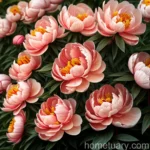
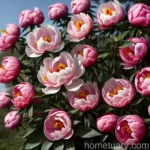
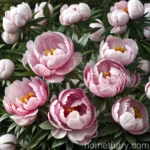
Paeonia lactiflora, commonly known as the Chinese peony or garden peony, is a perennial flowering plant native to eastern Asia, particularly China. It belongs to the family Paeoniaceae and is revered for its large, showy blossoms and lush, attractive foliage. Paeonia lactiflora ‘Gardenia’ is a specific cultivar within the species, cherished for its pristine white petals and captivating fragrance.
The peony holds immense cultural and symbolic significance in many societies around the world. In Chinese culture, it is regarded as the “king of flowers” and is esteemed for its association with wealth, prosperity, and honor. Additionally, the peony holds a special place in traditional Chinese medicine, where its roots are used for their potential medicinal properties.
In Western cultures, the peony is also highly esteemed and is often associated with romance, prosperity, and good fortune. It has been a popular subject in art, literature, and horticulture throughout history, earning a place as one of the most beloved ornamental plants.
Key Takeaways – Paeonia lactiflora ‘Gardenia’ (Peony)
Before we delve into the specific care and cultivation practices for Paeonia lactiflora ‘Gardenia,’ let’s outline the key takeaways that will be elaborated upon in this guide:
-
Culture: The cultural significance and traditional uses of Paeonia lactiflora ‘Gardenia.’
-
Uses: The diverse uses of the peony in landscaping, floral arrangements, and traditional medicine.
-
Water: Understanding the water requirements and best practices for watering Paeonia lactiflora ‘Gardenia.’
-
Sunlight: Sunlight requirements for optimal growth and flowering.
-
Fertilizer: Selecting the right fertilizers and applying them to promote healthy growth and abundant blooms.
-
Soil: Understanding the soil preferences and preparing an ideal growing medium for Paeonia lactiflora ‘Gardenia.’
-
Pruning: Pruning techniques to promote vigorous growth, shape the plant, and encourage abundant flowering.
-
Propagation: Methods for propagating peonies, including division and seed propagation.
-
Container: Guidelines for growing Paeonia lactiflora ‘Gardenia’ in containers, including suitable potting mixes and container sizes.
-
Popularity: The enduring popularity of Paeonia lactiflora ‘Gardenia’ in horticulture and landscaping.
-
Common Diseases: Identifying and addressing common diseases that affect peonies.
-
Disease Diagnosis: Techniques for diagnosing diseases and implementing effective treatments.
-
Common Pests: Identification of common pests that may infest peonies and strategies for pest control.
-
Botanist’s Tips: Practical tips and insights from a plant scientist for successful peony cultivation.
-
Fun Facts: Intriguing and lesser-known facts about the peony that add to its charm and allure.
-
Links to External Resources: Curated resources for further exploration and research on Paeonia lactiflora ‘Gardenia.’
Now that we have outlined the key components of our guide, let’s embark on a comprehensive journey into the world of Paeonia lactiflora ‘Gardenia’ and uncover the secrets to successful cultivation and care.
Culture and Traditional Uses of Paeonia lactiflora ‘Gardenia’
In various cultures, the peony holds deep-rooted cultural and traditional significance. Let’s explore the cultural and traditional uses of Paeonia lactiflora ‘Gardenia,’ shedding light on the plant’s historical and symbolic importance.
Cultural Significance:
The peony’s cultural significance dates back thousands of years and spans across different civilizations. In China, the peony is not only celebrated for its aesthetic beauty but also revered for its cultural symbolism. It is often associated with honor, riches, and prosperity, and is regarded as a symbol of good fortune and happiness. In Chinese art, the peony is a recurring motif, gracing paintings, ceramics, and textiles with its elegant blooms.
In Western cultures, particularly in Europe, the peony has been a cherished ornamental plant since ancient times. Its association with romance, prosperity, and compassion has made it a popular choice for bridal bouquets, garden borders, and decorative floral arrangements.
Traditional Uses:
Beyond its ornamental appeal, the peony has also been used in traditional medicine across various cultures. In traditional Chinese medicine, the roots of Paeonia lactiflora have been utilized for their potential medicinal properties. They are believed to possess anti-inflammatory, antispasmodic, and analgesic properties, and are used in herbal remedies for conditions such as pain, muscle cramps, and menstrual irregularities.
In Western herbal medicine, peony roots have also been traditionally employed for their therapeutic benefits, including their use in addressing gynecological disorders and promoting overall well-being. While modern scientific research is ongoing to validate these traditional uses, the historical importance of the peony in traditional medicine is undisputed.
Water Requirements for Paeonia lactiflora ‘Gardenia’
Proper watering is essential for the health and vitality of Paeonia lactiflora ‘Gardenia.’ Understanding the water requirements and implementing best practices for watering are crucial for promoting robust growth and abundant flowering.
Watering Guidelines:
Peonies generally prefer evenly moist, well-draining soil. During the growing season, it is essential to monitor soil moisture to ensure that the plant receives an adequate water supply without becoming waterlogged. A general guideline for watering peonies is to provide approximately 1 inch of water per week, either through rainfall or manual watering.
In the absence of rainfall, it is advisable to water deeply and infrequently, allowing the soil to dry out slightly between waterings. Avoid overwatering, as excessive moisture can lead to root rot and other moisture-related issues. During periods of prolonged drought or high temperatures, it may be necessary to adjust the watering frequency to meet the plant’s increased moisture needs.
Watering Tips:
– Water in the early morning to allow the foliage to dry before evening, reducing the risk of foliar diseases.
– Use a soaker hose or drip irrigation system to deliver water directly to the base of the plant, minimizing water waste and reducing the potential for leaf wetness.
– Apply a layer of mulch around the base of the plant to help retain soil moisture and reduce water evaporation from the soil surface.
By adhering to these watering guidelines and tips, you can ensure that Paeonia lactiflora ‘Gardenia’ receives the appropriate hydration to thrive and display its spectacular blooms.
Sunlight Requirements for Paeonia lactiflora ‘Gardenia’
As with many flowering plants, sunlight plays a crucial role in the growth, flowering, and overall health of Paeonia lactiflora ‘Gardenia.’ Understanding the sunlight requirements of peonies is essential for selecting an ideal planting location and providing the necessary light conditions for optimal performance.
Sun Exposure:
Peonies thrive in areas with full sun to partial shade. In regions with cooler climates, they benefit from full sun exposure, which promotes robust growth and abundant flowering. In warmer climates, providing partial shade during the hottest part of the day can help protect the plant from excessive heat and sun stress.
Planting Location:
When selecting a planting location for Paeonia lactiflora ‘Gardenia,’ choose a spot that receives at least 6-8 hours of direct sunlight per day. Avoid areas that are excessively shaded or overcrowded by tall trees or structures, as this can significantly reduce the amount of sunlight reaching the plant.
Sunlight Tips:
– If planting peonies in warmer climates, consider providing morning sun and afternoon shade to help protect the plant from intense midday heat.
– Regularly monitor the sunlight conditions in your garden or landscape to ensure that the peonies receive the appropriate light exposure throughout the growing season.
By ensuring that Paeonia lactiflora ‘Gardenia’ receives the right balance of sunlight and shade, you can promote vigorous growth and encourage the development of stunning, long-lasting blooms.
Fertilizing Paeonia lactiflora ‘Gardenia’
Fertilizing peonies is an essential aspect of their care, as it provides the necessary nutrients for healthy growth, strong stems, and abundant flowering. Selecting the right fertilizers and applying them at the appropriate times are key factors in promoting the overall vigor and beauty of Paeonia lactiflora ‘Gardenia.’
Fertilizer Selection:
When choosing a fertilizer for peonies, opt for a balanced, slow-release fertilizer or one specifically formulated for flowering perennials. Look for a fertilizer with an N-P-K ratio (nitrogen, phosphorus, and potassium) of approximately 10-10-10 or similar, which provides a balanced supply of essential nutrients.
Fertilizing Schedule:
In early spring, as the new growth emerges, apply a granular, slow-release fertilizer around the base of the plant, following the recommended application rates on the product label. Avoid applying excessive amounts of fertilizer, as this can lead to lush foliage growth at the expense of flower production.
Additional Fertilizing Tips:
– Water the area thoroughly after applying fertilizer to help incorporate the nutrients into the soil and prevent potential fertilizer burn on the roots.
– Refrain from fertilizing peonies in late summer or early fall, as this can stimulate late-season growth that is susceptible to cold damage.
By providing Paeonia lactiflora ‘Gardenia’ with the appropriate fertilization at the right times, you can support robust growth, lush foliage, and a profusion of breathtaking blooms.
Soil Preferences for Paeonia lactiflora ‘Gardenia’
Creating an optimal growing medium for Paeonia lactiflora ‘Gardenia’ is essential for ensuring the plant’s health, vigor, and performance. Understanding the soil preferences of peonies and preparing a suitable planting site are pivotal for successful cultivation.
Soil Type:
Peonies thrive in well-draining, fertile soil with a slightly acidic to neutral pH. A loamy soil with good structure and moisture retention is ideal for peonies, allowing for both sufficient drainage and moisture availability.
Soil Preparation:
Before planting Paeonia lactiflora ‘Gardenia,’ prepare the soil by incorporating organic matter such as compost, well-rotted manure, or peat moss into the planting area. This enriches the soil, improves its texture, and provides essential nutrients for the plant’s growth.
Soil Testing:
Consider conducting a soil test to assess the pH and nutrient levels of the soil in the planting area. This information can guide you in making any necessary amendments to create an ideal growing environment for peonies.
Additional Soil Tips:
– Avoid planting peonies in heavy, compacted soils prone to waterlogging, as this can lead to root rot and other moisture-related issues.
– Apply a layer of organic mulch around the base of the plant to help maintain soil moisture, suppress weed growth, and regulate soil temperature.
By cultivating a well-prepared planting site and providing Paeonia lactiflora ‘Gardenia’ with an optimal growing medium, you can create the foundation for healthy, vigorous growth and an abundance of striking blooms.
Pruning Techniques for Paeonia lactiflora ‘Gardenia’
Pruning is an essential aspect of peony care, as it helps promote strong, healthy growth, shape the plant, and encourage prolific flowering. Understanding the proper pruning techniques for Paeonia lactiflora ‘Gardenia’ is crucial for maintaining the plant’s vitality and aesthetic appeal.
Spring Pruning:
In early spring, as new growth emerges, inspect the plant for any dead or damaged stems and remove them at ground level. This helps eliminate any potentially diseased or weakened growth and promotes the development of robust, healthy shoots.
Deadheading:
After the peony has finished flowering, deadhead the spent blooms by removing them at the base of the stem. This prevents the plant from expending energy on seed production and encourages the redirection of resources into the development of new growth and flower buds.
Pruning Tips:
– Avoid overpruning peonies, as excessive cutting can reduce the plant’s ability to store energy reserves in its underground rhizomes, potentially impacting future growth and flowering.
– Use clean, sharp pruning shears to make clean cuts, minimizing the risk of introducing pathogens into the plant.
By employing these pruning techniques and adhering to best practices for peony maintenance, you can help Paeonia lactiflora ‘Gardenia’ thrive and adorn your garden with a bountiful display of enchanting blossoms.
Propagation Methods for Paeonia lactiflora ‘Gardenia’
Propagating Paeonia lactiflora ‘Gardenia’ is an exciting way to expand your collection of these exquisite plants or share their beauty with others. Understanding the various propagation methods, including division and seed propagation, opens up opportunities for cultivating new peony plants and preserving desirable cultivars.
Division:
Division is a common and reliable method for propagating peonies. It involves separating an established clump of peonies into smaller sections, each containing a portion of the root system and several growing points. Division is typically carried out in early fall when the plant is dormant.
Seed Propagation:
Growing peonies from seed is a rewarding but time-consuming process. This method involves sowing mature peony seeds, stratifying them to break dormancy, and nurturing the resulting seedlings until they are ready to be transplanted into the garden.
Propagation Tips:
– When dividing peonies, ensure that each division has several healthy, vigorous stems and a portion of the root system to support its growth.
– When collecting and sowing peony seeds, be patient, as germination may take several months, and the resulting seedlings will require attentive care during their early stages of growth.
By mastering the art of peony propagation and experimenting with different methods, you can expand your garden’s peony collection and contribute to the conservation of these captivating plants.
Growing Paeonia lactiflora ‘Gardenia’ in Containers
While peonies are often associated with traditional garden borders and expansive landscapes, they can also be successfully grown in containers, allowing enthusiasts with limited space to enjoy their captivating beauty. Understanding the requirements for growing Paeonia lactiflora ‘Gardenia’ in containers is essential for creating an optimal environment for these plants in confined spaces.
Container Selection:
Choose a large, sturdy container with ample drainage holes to accommodate the peony’s root system and allow for proper moisture management. A 5-gallon container or larger is generally recommended to provide sufficient space for the plant to thrive.
Potting Mix:
Select a high-quality, well-draining potting mix that provides a balance of moisture retention and aeration. Consider blending the potting mix with perlite or coarse sand to enhance drainage and prevent waterlogging.
Container Care:
– Position the container in a location that receives at least 6-8 hours of sunlight per day, ensuring that the peony has access to the appropriate light conditions.
– Monitor the soil moisture regularly and water the container when the top inch of the soil feels dry to the touch.
– Apply a layer of mulch or decorative stones on the soil surface to help conserve soil moisture and maintain a more consistent soil temperature.
By following these guidelines for growing Paeonia lactiflora ‘Gardenia’ in containers, you can create a stunning, space-saving display of peonies on patios, balconies, or other limited garden spaces.
The Enduring Popularity of Paeonia lactiflora ‘Gardenia’
Gardeners Favorit: As a cherished ornamental plant, Paeonia lactiflora ‘Gardenia’ continues to captivate the hearts of gardeners and horticulturists around the world. Its stunning blooms, resilience, and timeless appeal have secured its place as a beloved favorite in gardens, landscapes, and floral arrangements.
Traditional Symbolism: The enduring popularity of peonies is also rooted in their rich symbolism and cultural significance. As symbols of love, honor, and prosperity, peonies continue to be included in special occasions, ceremonies, and rituals, carrying their timeless meanings into the modern era.
Landscape Versatility: Beyond their ornamental beauty, peonies are prized for their landscape versatility. Whether showcased in formal garden beds, mixed perennial borders, or as standalone specimens, Paeonia lactiflora ‘Gardenia’ adds a touch of elegance and allure to any outdoor setting.
As we celebrate the enduring popularity of Paeonia lactiflora ‘Gardenia,’ we recognize its remarkable impact on horticulture, art, and culture around the world, solidifying its status as a timeless botanical treasure.
Common Diseases Affecting Paeonia lactiflora ‘Gardenia’
While generally resilient, peonies are susceptible to certain diseases that can compromise their health and vigor. Recognizing the signs of common diseases that affect Paeonia lactiflora ‘Gardenia’ and implementing effective disease management strategies are essential for preserving the plant’s beauty and vitality.
Botrytis Blight: This fungal disease, caused by the pathogen Botrytis cinerea, can lead to the development of gray mold on the plant’s foliage and flowers, particularly in cool, humid conditions. Infected plant parts may exhibit browning, wilting, or a fuzzy, grayish growth.
Root Rot: Excessive soil moisture, particularly in poorly drained or waterlogged soil, can result in root rot, caused by various soilborne pathogens. Affected peonies may display wilting, yellowing foliage, and declining vigor, often accompanied by a foul odor from the roots.
Powdery Mildew: Powdery mildew is characterized by the formation of powdery, white fungal growth on the surface of the plant’s leaves and stems. This common fungal disease thrives in warm, dry conditions and can affect the overall health and aesthetic appeal of the peony.
Disease Diagnosis and Management
Diagnosing and effectively managing diseases affecting Paeonia lactiflora ‘Gardenia’ is essential for maintaining the plant’s health and preventing the spread of infections. Prompt intervention and appropriate treatments can help mitigate the impact of diseases and preserve the plant’s beauty.
Symptom Recognition: Familiarize yourself with the characteristic symptoms of common