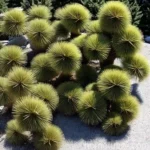
Pinus flexilis (Limber Pine): A Comprehensive Guide
Pinus flexilis, commonly known as the Limber Pine, is a unique and fascinating species of tree that holds significant ecological, cultural, and aesthetic value. As plant scientists, it is essential to understand the various aspects of Pinus flexilis, including its characteristics, uses, habitat, maintenance, diseases, and more. In this comprehensive guide, we will delve into the world of Pinus flexilis, providing valuable insights into its cultivation, care, and ecological importance.
What is Pinus flexilis (Limber Pine)?
Pinus flexilis, a member of the pine family (Pinaceae), is a hardy and long-lived tree species native to the mountainous regions of western North America. These trees are renowned for their remarkable adaptability to harsh environmental conditions, making them a vital component of alpine and subalpine ecosystems. The name “Limber Pine” originates from the tree’s flexible, limber branches that set it apart from other pine species.
Key Takeaways – Pinus flexilis (Limber Pine)
Before delving into the intricacies of Pinus flexilis, let’s highlight the key takeaways associated with this remarkable tree species.
- Scientific Name: Pinus flexilis
- Common Name: Limber Pine
- Family: Pinaceae
- Native Range: Western North America
- Characteristics: Flexible branches, long needles, and large pinecones
- Ecological Importance: Keystone species in alpine ecosystems
- Cultural Significance: Utilized in landscaping, woodworking, and traditional medicine
- Challenges: Susceptible to certain diseases and pests
Now, let’s explore the various aspects of Pinus flexilis in detail, providing insights into its culture, uses, habitat, maintenance, diseases, and more.
Culture of Pinus flexilis
Cultivating Pinus flexilis requires an understanding of its specific cultural requirements, including water, sunlight, fertilizer, soil, and pruning practices. By providing the optimal cultural conditions, one can promote the health and vitality of Limber Pines in various environments.
Water
Pinus flexilis, due to its natural adaptation to dry mountainous regions, exhibits a moderate tolerance to drought. However, adequate watering is crucial, especially during the establishment phase. Once established, Limber Pines typically require minimal irrigation, as they can access moisture from deeper soil layers.
Watering Tips for Pinus flexilis:
– Provide regular watering during the initial establishment phase, ensuring the soil remains consistently moist but not waterlogged.
– Once established, water deeply but infrequently to encourage deep root growth and drought tolerance.
– Monitor the tree for signs of water stress, such as wilting or browning of needles, and adjust the watering frequency accordingly.
Sunlight
Limber Pines thrive in full sun or partial shade, making them suitable for a wide range of landscapes and garden settings. When grown in full sun, Pinus flexilis exhibits vigorous growth and robust development, contributing to its iconic characteristic of a well-formed, symmetrical canopy.
Sunlight Requirements for Pinus flexilis:
– Plant in a location that receives at least 6-8 hours of direct sunlight per day for optimal growth.
– In regions with intense summer heat, provide some afternoon shade to prevent sunscald and excessive moisture loss.
– Avoid planting in areas prone to waterlogging or standing water, as this can lead to root rot and other moisture-related issues.
Fertilizer
While Pinus flexilis is adapted to nutrient-poor mountain soils, supplemental fertilization can benefit the tree, especially in urban or residential settings where soil quality may vary. When applying fertilizer, it is crucial to use products specifically formulated for coniferous trees to avoid nutrient imbalances and potential damage.
Fertilization Guidelines for Pinus flexilis:
– Apply a balanced granular fertilizer designed for coniferous trees in early spring before new growth begins.
– Avoid over-fertilization, as excessive nutrients can lead to rapid but weak growth, making the tree more susceptible to environmental stressors.
– Monitor the tree’s growth and overall vigor, adjusting the fertilization regimen based on its response and the soil nutrient levels.
Soil
The soil preferences of Pinus flexilis are closely tied to its natural habitat in mountainous regions. Well-drained, slightly acidic soils with good aeration and water infiltration capacity are ideal for the successful cultivation of Limber Pines.
Optimal Soil Characteristics for Pinus flexilis:
– Plant in well-drained, loamy soils with a slightly acidic pH range of 5.5 to 6.5 for optimal nutrient uptake and root health.
– Avoid compacted or heavy clay soils, as they can restrict root growth and lead to waterlogging issues.
– Consider amending the soil with organic matter, such as compost or pine bark mulch, to improve its structure and fertility.
Pruning
Effective pruning plays a crucial role in maintaining the aesthetics and structural integrity of Pinus flexilis. Proper pruning practices can help manage the tree’s growth, remove dead or diseased branches, and create a well-balanced canopy.
Pruning Considerations for Pinus flexilis:
– Perform light pruning during the dormant season to remove dead, damaged, or crossed branches, promoting overall tree health.
– Avoid severe pruning or excessive branch removal, as this can lead to stress and potential susceptibility to pests and diseases.
– Prune selectively to maintain the natural shape and form of the Limber Pine, allowing it to showcase its distinctive characteristics.
Uses of Pinus flexilis
The versatile nature of Pinus flexilis lends itself to a wide range of uses, encompassing landscaping, ecological restoration, traditional practices, and woodworking applications. Understanding the myriad uses of Limber Pines illuminates the tree’s significance in various cultural, ecological, and industrial contexts.
Landscape Design
Pinus flexilis, with its graceful form and distinctive foliage, is highly valued in landscape design and horticulture. From residential gardens to public parks and commercial landscapes, Limber Pines contribute to the visual appeal and environmental sustainability of diverse settings.
Landscape Applications of Pinus flexilis:
– Utilize as a specimen tree in spacious garden settings, allowing the Limber Pine to showcase its unique trunk and branching pattern.
– Incorporate in mixed coniferous plantings to create a visually dynamic and diverse landscape composition.
– Employ as a windbreak or privacy screen in regions where its tolerance to harsh conditions can provide long-term solutions to landscape challenges.
Woodworking and Timber Uses
The wood of Pinus flexilis, known for its durability and lightness, has been historically used in various woodworking and construction applications. While not as widely utilized as other pine species, the wood of Limber Pines holds distinctive qualities that make it valuable in certain contexts.
Wood Products and Applications:
– Craft durable and lightweight furniture, such as outdoor tables and chairs, using the rot-resistant wood of Pinus flexilis.
– Utilize the wood in specialty construction projects, including interior paneling, trim, and decorative elements.
– Consider the use of Limber Pine timber in artistic woodworking, creating unique pieces that showcase the wood’s natural grain and color variations.
Traditional and Medicinal Uses
In indigenous and traditional practices, Pinus flexilis holds cultural significance, with various parts of the tree being utilized for medicinal and ceremonial purposes. Understanding these traditional uses provides a deeper appreciation for the cultural heritage and ecological interconnectedness associated with Limber Pines.
Traditional Uses of Pinus flexilis:
– Explore the traditional medicinal uses of the tree’s resin and needles, which are believed to possess antibacterial and anti-inflammatory properties.
– Consider the cultural and ceremonial significance of Pinus flexilis in indigenous communities, where the tree holds spiritual and symbolic value.
– Promote the sustainable harvesting and ethical utilization of Limber Pine resources in line with traditional knowledge and conservation practices.
Propagation and Maintenance
In the propagation and maintenance of Pinus flexilis, specific techniques and considerations are necessary to ensure successful establishment and long-term tree health. By understanding the best practices for propagation and ongoing maintenance, plant scientists can contribute to the conservation and proliferation of this valuable tree species.
Propagation Methods
Propagating Pinus flexilis can be achieved through both sexual (seed-based) and asexual (cutting-based) methods, each requiring attention to detail and environmental conditions conducive to successful germination and establishment.
Propagation Techniques for Pinus flexilis:
– Collect mature, healthy seeds from local Limber Pine specimens, ensuring genetic diversity and adherence to local regulations for seed collection.
– Employ stratification techniques to mimic natural environmental cues, such as cold/moist treatment, to enhance seed germination rates and vigor.
– Explore vegetative propagation methods, including softwood cuttings or grafting, for the production of genetically identical clones with desirable traits.
Maintenance Considerations
Once established, ongoing maintenance practices are essential to support the long-term health and vitality of Pinus flexilis, addressing key aspects such as pruning, pest management, and ecological stewardship.
Maintenance Guidelines for Pinus flexilis:
– Monitor the tree for signs of stress, such as needle discoloration, dieback, or pest infestations, and take proactive measures to address underlying issues.
– Implement integrated pest management (IPM) strategies to mitigate potential threats from invasive insects and diseases, prioritizing biological and cultural control methods.
– Promote ecological stewardship by supporting forest conservation efforts and participating in reforestation initiatives that include the planting of native Pinus flexilis specimens.
Common Diseases of Pinus flexilis
As with any tree species, Pinus flexilis is susceptible to certain diseases that can impact its overall health and vigor. Understanding the common diseases and their associated symptoms is crucial in devising effective disease management strategies.
Disease Diagnosis
Diagnosing diseases in Pinus flexilis involves careful observation of symptoms, understanding environmental triggers, and, in certain cases, laboratory testing to confirm specific pathogens or physiological disorders.
Common Diseases of Pinus flexilis:
1. White Pine Blister Rust: A fungal disease causing cankers on branches and stems, leading to dieback and reduced growth.
2. Dothistroma Needle Blight: Characterized by browning and premature shedding of needles, often leading to defoliation and reduced photosynthetic capacity.
3. Pine Wilt Disease: Caused by nematodes, resulting in wilting, browning, and dieback of needles and branches, ultimately leading to tree death.
4. Lophodermium Needle Cast: Manifests as purplish-brown spots on needles, leading to premature shedding and reduced aesthetic value.
5. Armillaria Root Rot: A soil-borne pathogen causing root and collar rot, leading to a decline in tree health and eventual mortality.
Disease Management and Prevention
Managing and preventing diseases in Pinus flexilis involves a multifaceted approach, integrating cultural, biological, and chemical techniques to enhance tree resilience and minimize the impact of pathogens.
Integrated Disease Management Strategies:
– Encourage proper cultural practices, including adequate spacing, watering, and mulching, to reduce stress and enhance tree vigor, making it less susceptible to diseases.
– Utilize disease-resistant varieties and promote genetic diversity in cultivated landscapes to minimize the risk of widespread disease outbreaks.
– Consider targeted fungicide applications in high-risk situations, ensuring a thorough understanding of the specific disease and its life cycle to maximize effectiveness while minimizing environmental impact.
Common Pests Affecting Pinus flexilis
In addition to diseases, Pinus flexilis can be impacted by various pests, including insects and mites, which can compromise tree health and disrupt ecological balance.
Pest Identification
Identifying common pests affecting Pinus flexilis involves recognizing characteristic symptoms, understanding seasonal dynamics, and implementing proactive monitoring to detect and address pest infestations.
Common Pests of Pinus flexilis:
1. Mountain Pine Beetle: Known for the devastation of pine forests, the mountain pine beetle can infest and kill individual Limber Pines, especially in stressed or weakened trees.
2. Pine Needle Scale: This sap-feeding insect can cause yellowing and premature shedding of needles, affecting the tree’s appearance and photosynthetic capacity.
3. Pine Needle Weevils: Larvae of these weevils can tunnel into and damage developing shoots and buds, leading to distorted growth and reduced vigor.
4. Pine Sawfly larvae: These foliage-feeding larvae can cause defoliation and reduced growth in susceptible Pinus flexilis specimens, especially during outbreaks.
5. Spider Mites: These tiny arachnids can infest the foliage of Limber Pines, causing stippling and discoloration of needles, impacting overall tree aesthetics.
Pest Control and Management
Implementing effective pest control and management strategies is crucial in maintaining the health and vitality of Pinus flexilis, while minimizing the reliance on chemical treatments and their associated environmental impact.
Integrated Pest Management (IPM) for Pinus flexilis:
– Encourage natural predators and beneficial insects, such as ladybugs and lacewings, that can help control pest populations without the need for chemical interventions.
– Utilize targeted insecticidal treatments when pest populations exceed tolerable thresholds, considering the potential impact on non-target organisms and beneficial insects.
– Monitor tree health and pest dynamics regularly, implementing early interventions to prevent widespread infestations and minimize potential damage to Limber Pines.
Botanist’s Tips for Pinus flexilis
As botanists and plant scientists, our understanding and stewardship of Pinus flexilis encompass a range of best practices and insightful tips aimed at promoting the health and sustainability of this iconic tree species.
Botanist’s Guidance for Pinus flexilis:
- Promote biodiversity: Encourage the cultivation and preservation of native Pinus flexilis specimens in diverse landscapes, contributing to ecological resilience and species conservation.
- Emphasize cultural significance: Enhance public awareness of the cultural and ecological significance of Limber Pines, highlighting their role in diverse traditions and their intrinsic value in natural ecosystems.
- Foster tree health: Prioritize proactive tree care and maintenance practices, emphasizing the importance of promoting overall plant health to minimize the impact of diseases and pests.
- Champion ecological stewardship: Advocate for sustainable conservation and management of natural Pinus flexilis habitats, contributing to the preservation of alpine and subalpine ecosystems.
- Support research and education: Facilitate scientific inquiry and public engagement regarding Pinus flexilis, encompassing topics such as climate adaptation, genetic diversity, and ecological interactions.
Fun Facts about Pinus flexilis
In addition to its ecological and cultural significance, Pinus flexilis embodies a rich tapestry of unique characteristics and fascinating attributes that capture the imagination and underscore its intrinsic value.
Fascinating Insights into Pinus flexilis:
- Ancient longevity: Some individuals of Pinus flexilis are known to live for over a thousand years, with ancient specimens serving as enduring symbols of alpine ecosystems.
- Ecological resilience: Limber Pines demonstrate remarkable adaptability to extreme environmental conditions, thriving in harsh climates and high-elevation landscapes.
- Iconic cones: The large, woody cones of Pinus flexilis exhibit a distinctive shape and size, contributing to the tree’s aesthetic allure and ecological role in seed dispersal.
- Wildlife associations: The presence of Pinus flexilis in alpine habitats supports diverse wildlife, including birds, mammals, and insects, contributing to complex ecological food webs.
- Symbolism and heritage: Within indigenous cultures and traditions, Pinus flexilis holds symbolic significance, embodying resilience, adaptability, and enduring connections to natural landscapes.
Links to External Resources
For further exploration and in-depth information about Pinus flexilis, we recommend exploring the following external resources:
-
The Role of Pinus flexilis in Alpine Ecosystems: Comprehensive database featuring ecological and botanical information about Pinus flexilis.
-
Conservation and Management of Limber Pines: Detailed overview of conservation strategies, cultivation tips, and conservation status of Limber Pines.
-
Alpine Tree Diversity and Pinus flexilis: National Park Service resource highlighting the diversity and ecological importance of alpine trees, including Pinus flexilis.
By delving into these external resources, you can gain a comprehensive understanding of Pinus flexilis, encompassing its role in alpine ecosystems, cultivation guidelines, conservation status, and ecological interactions.
In conclusion, Pinus flexilis, or the Limber Pine, stands as a testament to the resilience and adaptability of tree species inhabiting mountainous landscapes. By unraveling the intricate tapestry of its characteristics, uses, diseases, and cultural significance, we can deepen our appreciation for this remarkable tree and its invaluable contributions to diverse ecosystems and human societies. As plant scientists and stewards of natural landscapes, our ongoing commitment to understanding and safeguarding Pinus flexilis is essential in preserving its legacy for future generations.
In this comprehensive guide, we explored the world of Pinus flexilis, providing valuable insights into its cultivation, care, and ecological importance. By understanding its characteristics, uses, habitat, maintenance, diseases, and more, we can elevate our appreciation for this remarkable species and contribute to its conservation and sustainability.
Would you like me to explore another plant species in a similar detailed manner?