Pinus parviflora ‘Tempelhof’ (Japanese White Pine) – A Comprehensive Guide
Plants play an essential role in the environment, providing oxygen, food, and habitat for various organisms. As a plant scientist, I have always been fascinated by the diversity and unique characteristics of different plant species. In this extensive guide, we will delve into the world of Pinus parviflora ‘Tempelhof’, also known as the Japanese White Pine. From its cultural requirements to its uses, propagation methods, and potential diseases, we will explore the various aspects of this remarkable plant.
What is Pinus parviflora ‘Tempelhof’?
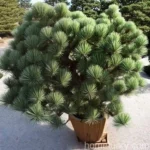
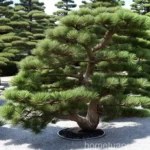
Pinus parviflora ‘Tempelhof’, commonly known as the Japanese White Pine, is a captivating evergreen conifer that is native to Japan. It is celebrated for its picturesque appearance, making it a sought-after choice for ornamental and landscaping purposes. The ‘Tempelhof’ variety is particularly prized for its distinctive blue-green needles and compact growth habit, making it an excellent addition to gardens, parks, and various outdoor settings.
As an esteemed member of the Pinaceae family, Pinus parviflora ‘Tempelhof’ belongs to the genus Pinus, which comprises over 100 species of conifers, including pines, firs, and spruces. Its unique characteristics and resilience have made it a favorite among horticulturists, gardeners, and plant enthusiasts worldwide.
Key Takeaways – Pinus parviflora ‘Tempelhof’
Before we delve into the specific aspects of Pinus parviflora ‘Tempelhof’, let’s highlight some key takeaways that will guide our exploration of this exceptional plant:
- Latin Name: Pinus parviflora ‘Tempelhof’
- Common Name: Japanese White Pine
- Family: Pinaceae
- Plant Type: Evergreen Conifer
- Native Habitat: Japan
- Distinctive Features: Blue-green needles, compact growth habit
- Uses: Ornamental, landscaping, bonsai
With these key takeaways in mind, we will now embark on a comprehensive journey to understand the cultural requirements, uses, maintenance, and potential challenges associated with Pinus parviflora ‘Tempelhof’.
Culture
Understanding the cultural requirements of Pinus parviflora ‘Tempelhof’ is essential for successfully cultivating and maintaining this captivating plant. From water and sunlight needs to soil preferences and growth habits, the cultural aspects play a crucial role in nurturing the Japanese White Pine.
Water
Proper watering is vital for the health and vigor of Pinus parviflora ‘Tempelhof’. While this species exhibits some level of drought tolerance once established, consistent and adequate moisture during its early stages of growth is essential. Here are some key considerations regarding watering:
- Establishment Phase: Newly planted Japanese White Pines should receive regular watering, especially during dry periods. Proper soil moisture is crucial for encouraging healthy root development and overall establishment.
- Mature Trees: Once established, Pinus parviflora ‘Tempelhof’ demonstrates moderate drought tolerance. However, it is essential to provide supplemental watering during prolonged dry spells, particularly in warmer climates or during periods of low rainfall.
To ensure optimal watering practices, it is advisable to monitor the moisture levels of the soil around the Japanese White Pine. A balance between maintaining adequate moisture without creating waterlogged conditions is crucial for its long-term health and growth.
Sunlight
As an evergreen conifer, Pinus parviflora ‘Tempelhof’ thrives in locations with ample sunlight. Providing the appropriate sun exposure is essential for promoting vigorous growth and maintaining the plant’s desirable appearance. Here are some considerations regarding sunlight requirements:
- Full Sun: Japanese White Pines prefer full sun, where they can receive direct sunlight for the majority of the day. This exposure encourages robust growth and helps develop the characteristic blue-green hue of its needles.
- Shade Tolerance: While Pinus parviflora ‘Tempelhof’ predominantly thrives in full sun, it can exhibit some tolerance to partial shade. However, to ensure optimal growth and vitality, it is advisable to prioritize locations with abundant sunlight.
By placing the Japanese White Pine in a sunny location, gardeners and horticulturists can harness its full potential and enjoy its striking visual presence throughout the year.
Fertilizer
As with many ornamental plants, providing appropriate nutrients is essential for supporting the growth and vitality of Pinus parviflora ‘Tempelhof’. While Japanese White Pines typically have modest fertilizer requirements, understanding the principles of fertilization can contribute to their overall health and vigor.
When considering fertilizer application for Pinus parviflora ‘Tempelhof’, it is essential to prioritize products specifically formulated for acid-loving plants. Given the plant’s preference for slightly acidic soil, a balanced and specialized fertilizer blend can provide the necessary nutrients while maintaining the soil pH within the desired range.
Here are some tips for effectively fertilizing Pinus parviflora ‘Tempelhof’:
- Timing: Fertilize Japanese White Pines in early spring before the onset of new growth. This timing allows the plant to benefit from the nutrients as it enters the active growing season.
- Formulation: Select a fertilizer designed for acid-loving plants, preferably one with a balanced N-P-K ratio suitable for conifers. Avoid excessive nitrogen, especially in the form of quick-release fertilizers, as it can lead to soft growth and potential damage.
- Application: Carefully apply the fertilizer around the drip line of the tree, avoiding direct contact with the trunk. Lightly incorporate the fertilizer into the topsoil and water thoroughly to facilitate nutrient absorption.
By adhering to these fertilizer recommendations, gardeners and horticulturists can provide the necessary nutrients to support the healthy growth and vitality of Pinus parviflora ‘Tempelhof’.
Soil
Understanding the soil preferences of Pinus parviflora ‘Tempelhof’ is fundamental for creating an environment conducive to its growth and development. Japanese White Pines have specific soil requirements, particularly concerning texture and pH levels.
Here are some key considerations regarding soil preferences for Pinus parviflora ‘Tempelhof’:
- Well-Drained Soil: Japanese White Pines thrive in well-drained soil that prevents waterlogging and promotes healthy root conditions. Soil with good drainage characteristics is vital for preventing root rot and other moisture-related issues.
- Acidic pH: Pinus parviflora ‘Tempelhof’ prefers slightly acidic soil, ideally with a pH ranging from 5.5 to 6.5. This preference aligns with its status as an acid-loving plant, and maintaining the appropriate pH level is crucial for nutrient uptake and overall health.
By selecting well-drained, slightly acidic soil for Pinus parviflora ‘Tempelhof’, gardeners and landscapers can create an environment that supports the plant’s vitality and longevity.
Pruning
Pruning is an essential aspect of maintaining the health, shape, and aesthetic appeal of Pinus parviflora ‘Tempelhof’. While this Japanese White Pine variety exhibits a naturally compact and symmetrical growth habit, occasional pruning can help preserve its form and promote optimal branching structure.
When approaching the pruning of Pinus parviflora ‘Tempelhof’, it is essential to consider the following guidelines:
- Timing: Conduct routine pruning during the dormant season to minimize stress and potential sap loss. Early spring, just before the onset of new growth, is an ideal time for pruning Japanese White Pines.
- Sanitation: Use clean, sharp pruning tools to make precise cuts and minimize the risk of disease transmission. Proper sanitation practices help maintain the plant’s health and reduce the likelihood of introducing pathogens.
- Techniques: Focus on selective pruning to remove dead, damaged, or overcrowded branches while preserving the plant’s natural form. Avoid excessive pruning, as Japanese White Pines tend to have limited capacity for regrowth on old wood.
By adhering to these principles and approaching pruning with care and consideration, gardeners and horticulturists can effectively maintain the health and aesthetic appeal of Pinus parviflora ‘Tempelhof’ over time.
Propagation
While the propagation of Pinus parviflora ‘Tempelhof’ is often carried out through traditional methods such as grafting and budding, understanding the basics of reproduction can provide valuable insights into the plant’s life cycle and cultivation. Here are some essential considerations regarding the propagation of Japanese White Pines:
Grafting
Grafting is a widely practiced method for propagating Pinus parviflora ‘Tempelhof’, particularly when maintaining the characteristics of specific cultivars is vital. The following steps outline the basic process of grafting Japanese White Pines:
- Rootstock Selection: Identify a suitable rootstock with compatible growth habits and disease resistance. The rootstock serves as the foundation for the grafted plant’s root system.
- Scion Collection: Select healthy, disease-free shoots from the desired Pinus parviflora ‘Tempelhof’ specimen to serve as the scion. The scion carries the genetic material and desirable traits of the parent plant.
- Grafting Procedure: Utilize an appropriate grafting technique, such as cleft grafting or side veneer grafting, to unite the scion with the rootstock. The successful fusion of the scion and rootstock promotes the growth of a new plant with the desired characteristics.
By mastering the art of grafting, horticulturists and plant enthusiasts can perpetuate the unique traits of Pinus parviflora ‘Tempelhof’ and expand its presence in diverse landscapes and gardens.
Container Popularity
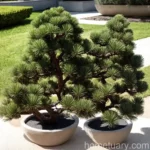
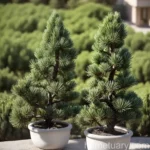
The compact growth habit and captivating appearance of Pinus parviflora ‘Tempelhof’ make it an excellent candidate for container gardening. Its suitability for container cultivation opens up various opportunities for showcasing this Japanese White Pine in both outdoor and indoor settings.
Outdoor Containers
When considering outdoor container gardening with Pinus parviflora ‘Tempelhof’, here are essential factors to keep in mind:
- Container Size: Select a spacious container that accommodates the plant’s root system while allowing room for growth. Adequate container size contributes to the plant’s stability and vitality.
- Drainage: Ensure that the container has sufficient drainage holes to prevent waterlogging and root suffocation. Proper drainage is crucial for the health of Japanese White Pines in containers.
- Soil Selection: Use a well-draining, acidic soil mix to provide optimal growing conditions. Incorporating organic matter and perlite can enhance soil structure and moisture retention.
Indoor Containers
For indoor settings, Pinus parviflora ‘Tempelhof’ can serve as a captivating addition to various living spaces, providing a touch of natural elegance. When cultivating Japanese White Pines indoors:
- Light: Select a well-lit area that receives ample indirect sunlight. Placing the container near a south-facing window can provide the necessary light exposure.
- Humidity: Consider the indoor humidity levels, as Japanese White Pines benefit from moderate to high humidity. Maintaining an appropriate humidity range can support the plant’s health and vigor.
- Temperature: Ensure that the indoor environment aligns with the plant’s temperature preferences. Avoid extreme fluctuations and provide stable, moderate temperatures for the best results.
By embracing container gardening, enthusiasts can elevate the presence of Pinus parviflora ‘Tempelhof’ in diverse settings, from spacious outdoor landscapes to intimate indoor spaces.
Common Diseases
While Pinus parviflora ‘Tempelhof’ is generally resilient to many environmental stressors, it is important to be aware of potential diseases that can affect its health. Understanding common diseases and their associated symptoms is essential for implementing proactive measures and timely interventions to safeguard the plant’s well-being.
Pine Wilt
Pine wilt, caused by the pine wood nematode, is a significant concern for various pine species, including Pinus parviflora ‘Tempelhof’. The disease is characterized by the following symptoms:
- Needle Discoloration: Browning and discoloration of needles, often starting at the tips and progressing downward.
- Wilting: Progressive wilting and browning of branch tips and foliage, leading to overall decline in the tree’s appearance.
- Tree Death: In advanced stages, pine wilt can result in the death of the tree, posing a significant threat to affected specimens.
Preventative measures such as promoting overall tree health, using nematode-resistant rootstocks, and implementing proper cultural practices can help mitigate the risk of pine wilt.
Needle Blight
Needle blight diseases, caused by various pathogens such as fungi, can impact the foliage of Pinus parviflora ‘Tempelhof’. Common symptoms of needle blight diseases include:
- Needle Lesions: Formation of lesions or discoloration on the needles, often accompanied by premature needle drop.
- Fungal Spores: Presence of fungal spores on the affected needles, visible upon close inspection.
- Reduced Vigor: Decline in overall tree vigor, manifested through stunted growth and diminished visual appeal.
Implementing proper sanitation practices, promoting good air circulation, and utilizing disease-resistant cultivars can contribute to the prevention and management of needle blight diseases.
Disease Diagnosis
When diagnosing potential diseases affecting Pinus parviflora ‘Tempelhof’, it is crucial to assess the symptoms, conduct thorough observations, and consider environmental factors that may contribute to the plant’s health status. Here are essential steps for disease diagnosis:
- Symptom Identification: Observe and document the specific symptoms exhibited by the tree, such as discoloration, wilting, or lesions on the needles and branches.
- Environmental Assessment: Consider environmental conditions, including moisture levels, soil quality, and overall plant health. Identifying potential stressors can provide valuable insights into the plant’s susceptibility to diseases.
- Professional Consultation: If uncertain about the diagnosis, seek the expertise of a qualified arborist or plant pathologist to conduct a thorough evaluation and provide targeted recommendations.
By approaching disease diagnosis with diligence and a systematic approach, practitioners can effectively address potential disease issues and safeguard the health of Pinus parviflora ‘Tempelhof’.
Common Pests
While Pinus parviflora ‘Tempelhof’ is generally resilient to many pests, it is important to be vigilant for potential insect invaders that can compromise the plant’s health and vigor. Understanding common pests and their associated symptoms is essential for implementing timely interventions and pest management strategies.
Pine Sawfly
Pine sawflies are a group of insects that can impact various pine species, including Pinus parviflora ‘Tempelhof’. Common symptoms of pine sawfly infestations include:
- Defoliation: Sawfly larvae can consume the needles of the tree, leading to noticeable defoliation and diminished aesthetic appeal.
- Sawfly Larvae: Identification of the sawfly larvae on the foliage, often congregating in groups and exhibiting distinct feeding behavior.
- Reduced Growth: Infested trees may display reduced growth and diminished vitality as a result of sawfly feeding damage.
Implementing targeted pest control measures, including the use of insecticidal treatments, natural predators, and cultural practices, can help manage pine sawfly populations and protect Japanese White Pines from their impact.
Scale Insects
Scale insects are another potential pest concern for Pinus parviflora ‘Tempelhof’, particularly in landscapes with a history of scale infestations. Common symptoms associated with scale insects include:
- Sticky Residue: Presence of sticky honeydew residue on the foliage, often accompanied by the development of sooty mold.
- Scale Coverings: Identification of scale coverings on the needles or branches, manifesting as small, immobile structures that provide protection for the insects.
- Reduced Vigor: Scale infestations can lead to reduced tree vigor, stunted growth, and aesthetic decline.
Implementing targeted pest monitoring, biological control methods, and horticultural oils can aid in managing scale insect populations and promoting the health of Pinus parviflora ‘Tempelhof’.
Botanist’s Tips
Drawing from botanical insights and practical experience, here are some expert tips for cultivating and maintaining Pinus parviflora ‘Tempelhof’:
- Environmental Considerations: Prioritize planting locations with well-drained soil, ample sunlight, and good air circulation to promote the health and vigor of Japanese White Pines.
- Watering Practices: Implement a regular monitoring regimen to assess soil moisture levels and provide supplemental watering as needed, especially during periods of extended dryness.
- Pruning Techniques: Emphasize selective pruning to preserve the natural form and structure of Pinus parviflora ‘Tempelhof’ while addressing any dead or damaged branches.
- Disease Prevention: Focus on preventive measures such as promoting overall tree health and utilizing disease-resistant cultivars to minimize the risk of common diseases.
- Pest Management: Monitor for potential pest issues and consider integrated pest management strategies, including natural predators and targeted treatments, to address pest concerns effectively.
By integrating these botanical tips into the cultivation and maintenance of Pinus parviflora ‘Tempelhof’, practitioners can enhance the plant’s resilience and visual appeal in various settings.
Fun Facts
Discovering intriguing and captivating facts about Pinus parviflora ‘Tempelhof’ adds depth to our appreciation of this remarkable plant. Here are some fun facts that showcase the unique attributes and cultural significance of the Japanese White Pine:
- Bonsai Tradition: Pinus parviflora ‘Tempelhof’ is highly valued in the art of bonsai, where its compact growth habit and aesthetic qualities make it a prized subject for bonsai enthusiasts.
- Symbolism: In Japanese culture, the Japanese White Pine is associated with resilience, longevity, and beauty, often featured in historic gardens and symbolic representations.
- Winter Interest: The blue-green needles of Pinus parviflora ‘Tempelhof’ retain their color throughout the winter months, contributing to its visual impact in cold-weather landscapes.
Uncovering these fun facts enriches our understanding of Pinus parviflora ‘Tempelhof’ and underscores its enduring appeal across various cultural contexts and garden traditions.
Links to External Resources
For further exploration and in-depth information about Pinus parviflora ‘Tempelhof’, consider the following external resources:
- The American Conifer Society
- Royal Horticultural Society – Japanese White Pine
- University of Florida IFAS Extension – Pine Wilt Disease
- Missouri Botanical Garden – Plant Finder
These resources provide valuable insights, expert guidance, and botanical knowledge that can enrich your exploration of Pinus parviflora ‘Tempelhof’ and contribute to your horticultural pursuits.
In conclusion, Pinus parviflora ‘Tempelhof’, the Japanese White Pine, captivates with its striking visual presence, resilience, and cultural significance. By understanding its cultural requirements, uses, potential challenges, and enrichment through fun facts and external resources, we deepen our appreciation for this remarkable plant. Whether