Eastern White Pine (Pinus strobus ‘Contorta’) – A Unique and Beautiful Cultivar
Eastern white pine (Pinus strobus ‘Contorta’) is a captivating and distinctive cultivar of the eastern white pine. With its twisted branches and unique growth habit, it has become a popular choice for landscape designers and gardening enthusiasts. In this comprehensive guide, we will explore everything you need to know about this fascinating plant, from its cultural requirements and uses to its common diseases and propagation methods.
What is Eastern White Pine (Pinus strobus ‘Contorta’)?
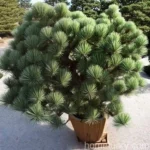
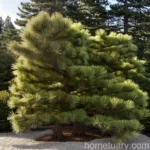
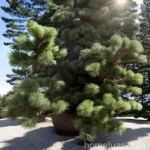
Eastern white pine (Pinus strobus) is a majestic evergreen conifer that is native to eastern North America. The ‘Contorta’ cultivar, also known as contorted or twisted eastern white pine, is a unique form of the species characterized by its contorted, twisted branches and irregular growth pattern. This cultivar’s distinct appearance sets it apart from the typical straight branches of the species.
Key Takeaways – Eastern White Pine (Pinus strobus ‘Contorta’)
- Eastern White Pine Cultivar: ‘Contorta’ is a cultivar of the eastern white pine (Pinus strobus).
- Eastern White Pine Varieties: The ‘Contorta’ cultivar exhibits a unique contorted growth habit compared to other varieties of Pinus strobus.
- Twisted Branches: One of the defining features of the ‘Contorta’ cultivar is its twisted and irregular branches.
- Cultural Requirements: Proper care and maintenance are essential for the healthy growth of this cultivar.
- Landscape Uses: ‘Contorta’ is widely used in landscaping for its ornamental and distinctive appearance.
Now that we have an overview of this captivating cultivar, let’s delve deeper into its cultural requirements, uses, and maintenance tips.
Culture
Cultivating and nurturing eastern white pine (Pinus strobus ‘Contorta’) requires a good understanding of its specific cultural needs. From water and sunlight requirements to soil conditions and fertilizer application, providing the right environment is crucial for the health and vitality of this unique cultivar.
Water
Proper irrigation is essential for the optimal growth of eastern white pine ‘Contorta.’ While it is important not to overwater, ensuring an adequate and consistent moisture level is key, especially during the establishment phase. Once established, this cultivar exhibits good drought tolerance, but regular watering during dry periods is beneficial.
Water Needs:
Eastern white pine ‘Contorta’ prefers well-draining soil.
– Establishment Phase: Water deeply and regularly during the first year after planting.
– Mature Trees: Provide supplemental watering during dry spells, especially in the absence of natural rainfall.
Sunlight
Like most pine species, eastern white pine ‘Contorta’ thrives in full sun to partial shade. However, to maintain the characteristic twisted form and promote even growth, it is essential to provide adequate sunlight.
Sun Requirements:
– Full Sun: Ideal for promoting compact growth and enhancing the unique contorted branches.
– Partial Shade: Tolerated, but prolonged periods of shade may affect the overall growth and appearance of the cultivar.
Fertilizer
Proper fertilization contributes to the vigor and resilience of eastern white pine ‘Contorta.’ The selection of fertilizers and the timing of application play vital roles in ensuring the plant’s nutritional needs are met.
Fertilizer Application:
– Timing: Apply a balanced fertilizer in early spring before new growth begins.
– Formulation: Use a slow-release or organic fertilizer to promote steady growth and minimize the risk of nutrient leaching.
Soil
The choice of soil and its preparation significantly influences the overall health and growth of eastern white pine ‘Contorta.’ Well-draining soil with adequate nutrient content provides an ideal growing medium for this cultivar.
Soil Requirements:
– Well-Draining: Ensure the soil has good drainage to prevent waterlogging.
– Acidic to Neutral pH: Eastern white pine ‘Contorta’ prefers slightly acidic to neutral soil pH levels.
Pruning
Pruning plays a pivotal role in shaping and maintaining the unique form of eastern white pine ‘Contorta.’ Proper pruning techniques not only enhance its ornamental appeal but also contribute to its overall health and longevity.
Pruning Techniques:
– Selective Pruning: Remove dead, damaged, or congested branches to promote air circulation and an open growth habit.
– Training: Careful training of young branches can help accentuate the contorted form.
Propagation
The propagation of eastern white pine ‘Contorta’ can be achieved through several methods, including seed propagation and vegetative propagation.
Propagation Methods:
– Seed Propagation: Collect seeds from mature cones and follow germination procedures.
– Cuttings: Softwood or hardwood cuttings can be used for vegetative propagation under controlled conditions.
Container Popularity
The unique and ornamental appearance of eastern white pine ‘Contorta’ has made it a popular choice for container gardening. It adds a distinctive and eye-catching element to outdoor spaces and can thrive in large containers on patios, decks, or in garden landscapes.
Container Gardening Tips:
– Choose a large container with adequate drainage holes.
– Use a well-draining potting mix with added organic matter.
– Regular watering and occasional fertilization are essential for container-grown specimens.
Common Diseases
Despite its overall resilience, eastern white pine ‘Contorta’ is susceptible to certain diseases and pests. Being aware of common diseases and their symptoms is crucial for early detection and effective management.
Disease Diagnosis
Common Diseases:
– Needle Blight: Look for browning or wilting of needles, often accompanied by fungal fruiting bodies.
– Canker Diseases: Sunken or swollen areas on branches and trunks may indicate canker infections.
– Root Rot: Symptoms include wilting, yellowing, and dieback of foliage, often associated with waterlogged soil.
Common Pests
In addition to diseases, eastern white pine ‘Contorta’ may face infestations from various pests, including pine sawflies, adelgids, and pine tip moths.
Pest Management:
– Monitoring: Regularly inspect the foliage and stems for signs of pest activity.
– Integrated Pest Management (IPM): Incorporate cultural and biological control methods to manage pest populations effectively.
Botanist’s Tips
Drawing from my experience and expertise as a botanist, here are some valuable tips for caring for eastern white pine ‘Contorta’:
- Site Selection: Choose a well-drained and open location with adequate sunlight for optimum growth.
- Pruning: Regular and selective pruning can help maintain the desired form and structure of the cultivar.
- Mulching: Apply a layer of organic mulch around the base of the tree to conserve moisture and suppress weed growth.
- Monitor for Pests and Diseases: Regularly monitor the plant for signs of pests or diseases and take prompt action if necessary.
- Winter Protection: Consider sheltering young plants or sensitive specimens from harsh winter winds to minimize desiccation.
Fun Facts
Eastern white pine ‘Contorta’ has several fascinating characteristics and uses. Here are some intriguing and noteworthy facts about this unique cultivar:
- The twisted branches and irregular form of ‘Contorta’ make it a captivating specimen for landscape design and ornamental planting.
- The distinctive silhouette of this cultivar adds visual interest to gardens and provides a unique focal point in various settings.
- Eastern white pine ‘Contorta’ is known to attract wildlife, including birds, due to its dense foliage and protective canopy.
Links to External Resources
For further information on eastern white pine ‘Contorta’ and related topics, consider exploring the following resources:
- The American Conifer Society: A valuable source for conifer enthusiasts, offering information on pine species and cultivars.
- USDA Plant Profile for Pinus strobus: Detailed botanical information and distribution data for the eastern white pine species.
- Gardening Know How: A comprehensive guide on twisted white pine trees and their cultivation in home landscapes.
In conclusion, eastern white pine ‘Contorta’ is an exceptional cultivar that brings a unique and captivating presence to gardens, landscapes, and container settings. Understanding its cultural requirements, ornamental features, and potential challenges is essential for successfully integrating this striking pine cultivar into diverse horticultural environments.
I hope this comprehensive guide has provided valuable insights into the care, uses, and distinctive characteristics of eastern white pine ‘Contorta’. Embracing the individuality of this cultivar and harnessing its ornamental potential can enrich gardens and outdoor spaces with an unparalleled sense of natural beauty and intrigue.