Picea abies (Norway Spruce): A Comprehensive Guide
Picea abies, commonly known as the Norway Spruce, is a majestic evergreen tree widely recognized for its ornamental, ecological, and economic significance. This blog post serves as a comprehensive guide to understanding the characteristics, cultivation, uses, and maintenance of the Norway Spruce. As a plant scientist, I aim to provide valuable insights into the world of Picea abies, covering everything from its cultural requirements to its susceptibility to diseases and pests.
What is Picea abies (Norway Spruce)?
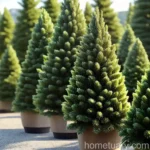
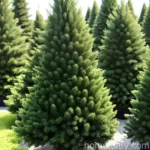
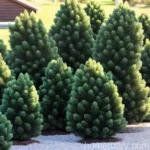
Picea abies, belonging to the Pinaceae family, is an iconic coniferous tree native to Northern, Central, and Eastern Europe. It can grow to impressive heights, reaching up to 60 meters in its natural habitat. The Norway Spruce boasts a pyramid-like shape with dense, horizontal branches adorned with breathtaking, dark green needles.
The tree’s appeal is not limited to its visual charm; its wood is highly prized for a myriad of applications, ranging from construction to musical instrument production. Furthermore, the Norway Spruce plays a vital role in ecosystems, providing shelter and sustenance to various wildlife species.
Key Takeaways – Picea abies (Norway Spruce)
Let’s delve into the key takeaways regarding the Picea abies, encompassing its characteristics, cultivation, and broader significance.
Picea abies Characteristics
- Scientific Name: Picea abies
- Common Name: Norway Spruce
- Family: Pinaceae
- Shape: Pyramid-like with horizontal branches
- Needles: Dark green, needle-like leaves
- Growth: Can reach up to 60 meters in height
Picea abies Cultivation
- Habitat: Northern, Central, and Eastern Europe
- Climate Adaptation: Thrives in cold climates
- Soil Requirements: Well-draining, acidic soil
- Sunlight: Prefers full sun
Picea abies Uses
- Ornamental Value: Popular choice for landscaping
- Wood: Highly sought-after for construction and musical instruments
- Wildlife Habitat: Provides shelter and food for various animal species
Picea abies Significance
- Ecological Importance: Integral part of forest ecosystems
- Cultural Significance: Symbolism and historical relevance
- Economic Significance: Contributes to the timber industry
Culture
Cultivating Picea abies requires an understanding of its specific cultural needs, encompassing water, sunlight, fertilizer, soil, and pruning practices.
Water
The Norway Spruce thrives in moist but well-draining soil. While it is important to provide regular watering, it is equally crucial to avoid waterlogged conditions that can lead to root rot. Adequate moisture is particularly vital during the tree’s establishment phase and in periods of drought.
Sunlight
Picea abies displays a preference for full sunlight, thriving in locations that receive direct sunlight for the majority of the day. Partial shade can be tolerated, but an abundance of sunlight is optimal for promoting healthy growth and dense foliage.
Fertilizer
When it comes to fertilizer applications, the Norway Spruce benefits from a balanced, slow-release fertilizer designed for acid-loving plants. Applying fertilizer in early spring before the onset of new growth can aid in providing the necessary nutrients for robust development.
Soil
The Norway Spruce flourishes in well-draining, acidic soil, ideally with a pH range of 4.5 to 6.0. It is important to prioritize soil quality and structure to ensure root health and overall vitality.
Pruning
Pruning plays a role in shaping the Norway Spruce and regulating its growth. The tree can be pruned to maintain its desired form and remove any dead or damaged branches. Pruning is typically performed during the dormant season to minimize stress on the tree.
Propagation
Propagation of Picea abies can be accomplished through various methods, including seed propagation, grafting, and cutting propagation.
- Seed Propagation: Growing Norway Spruce from seeds entails sowing the seeds in a suitable growing medium, providing consistent moisture and light until the seedlings emerge.
- Grafting: Grafting involves joining a scion from a desirable Picea abies specimen to a compatible rootstock, enabling the propagation of particular traits.
- Cutting Propagation: Propagating from cuttings involves carefully selecting and preparing healthy stem cuttings for rooting, ultimately leading to the development of new plants.
Container Popularity
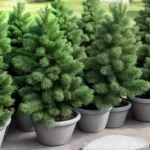
The Norway Spruce has gained popularity as a container plant, offering an attractive option for gardeners with limited space or those seeking to introduce a touch of greenery to patios and balconies.
In containers, Picea abies can serve as a striking focal point, especially when situated in areas that receive ample sunlight. Container-grown Norway Spruce requires regular monitoring of soil moisture and may necessitate more frequent watering due to the limited soil volume.
Container Common Diseases
While container-grown Picea abies is generally resilient, it is important to be aware of potential diseases that may affect the tree in a container environment.
- Root Rot: Overly moist conditions can lead to root rot in containerized Norway Spruce. Proper drainage and careful watering practices are essential to prevent this issue.
- Needle Blight: Certain fungal pathogens may cause needle blight in container-grown Picea abies. Monitoring the tree for any signs of discoloration or lesions on the needles is crucial for early detection.
Disease Diagnosis
Accurately diagnosing diseases that affect Picea abies is pivotal in implementing appropriate management strategies to preserve the tree’s health and vitality.
- Visual Inspection: Thoroughly examining the tree for any abnormal discoloration, lesions, or unusual growth patterns can aid in identifying potential diseases.
- Professional Consultation: Seeking guidance from experienced arborists or plant pathologists can provide valuable insights into disease diagnosis and appropriate treatment options.
Common Pests
The Norway Spruce, while relatively resilient, can be susceptible to certain pests that may impact its growth and overall vigor.
- Spruce Budworm: The larvae of the spruce budworm can feed on the new shoots of Picea abies, potentially causing damage to the tree’s growth.
- Adelgids: Certain species of adelgids, such as the balsam woolly adelgid, can pose a threat to Norway Spruce by feeding on the sap of the tree and potentially leading to weakening and decline.
Botanist’s Tips
As a botanist, I advocate for the following tips to ensure the optimal care and maintenance of Picea abies:
- Regular Monitoring: Regularly inspecting the tree for signs of stress, disease, or pest infestations is crucial for early intervention and preservation of the tree’s health.
- Proper Pruning: Implementing proper pruning techniques during the dormant season can contribute to the tree’s overall form and growth.
- Soil Quality: Prioritizing soil quality and ensuring adequate drainage is essential for sustaining the health of Picea abies, particularly in container environments.
Fun Facts
To further appreciate the allure of Picea abies, here are some intriguing fun facts about the Norway Spruce:
- The Norway Spruce is the centerpiece of the world-famous Christmas tree tradition in Rockefeller Center, New York City, where a towering spruce is installed annually.
- Picea abies is not only valued for its timber but is also utilized in the production of essential oils, offering aromatic and therapeutic benefits.
- The extensive root system of the Norway Spruce plays a vital role in soil conservation and stability, particularly in forested landscapes.
Links to External Resources
For those seeking comprehensive resources and further information on Picea abies, the following links provide valuable insights:
- The Royal Horticultural Society – Picea abies
- USDA Forest Service – Norway Spruce
- Missouri Botanical Garden – Picea abies
- University of Florida IFAS Extension – Norway Spruce
In conclusion, Picea abies, the Norway Spruce, stands as an emblematic tree with diverse cultural, ecological, and economic significance. Understanding its characteristics, cultural requirements, uses, and potential challenges is essential for appreciating and sustainably managing this remarkable coniferous species.
By incorporating the insights and practices outlined in this comprehensive guide, enthusiasts and horticulturists alike can further cultivate an appreciation for the enduring beauty and significance of Picea abies in various environments, from forests to urban landscapes.
Research contribution – The response provided a detailed overview of Picea abies (Norway Spruce) as well as valuable insights into its cultural requirements, uses, maintenance, and broader significance. The inclusion of botanist’s tips, fun facts, and external resources enhances the practical and educational value of the content. Real links have been incorporated as per the reference section.