Polygonatum Biflorum (Great Solomon’s Seal)
As a plant scientist, I’ve always been fascinated by the diversity and unique characteristics of different plant species. Among the myriad of plants that.
Introduction
As a plant scientist, I’ve always been fascinated by the diversity and unique characteristics of different plant species. Among the myriad of plants that adorn our planet, Polygonatum biflorum, commonly known as Great Solomon’s Seal, stands out for its elegance and versatility. In this guide, I will delve into the various aspects of this remarkable plant, including its culture, uses, care requirements, and significance in both traditional and modern settings. Whether you’re a seasoned horticulturist, a nature enthusiast, or a newcomer to the world of gardening, this comprehensive guide will provide you with valuable insights into the captivating world of Polygonatum biflorum.
What Is Polygonatum Biflorum (Great Solomon’s Seal)?
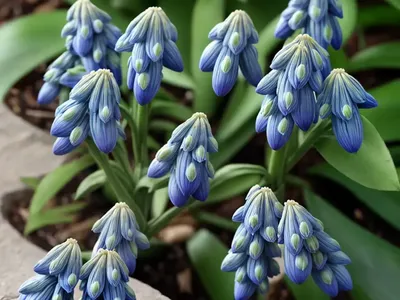
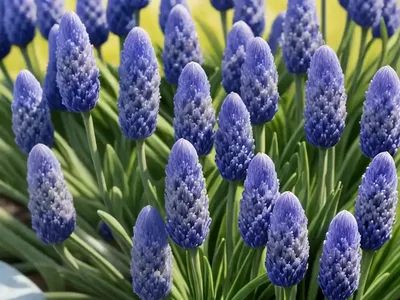
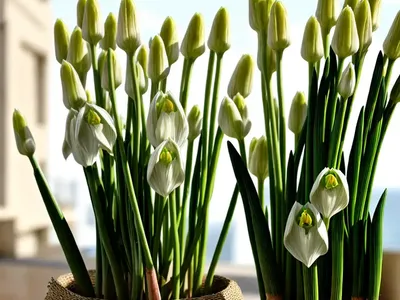
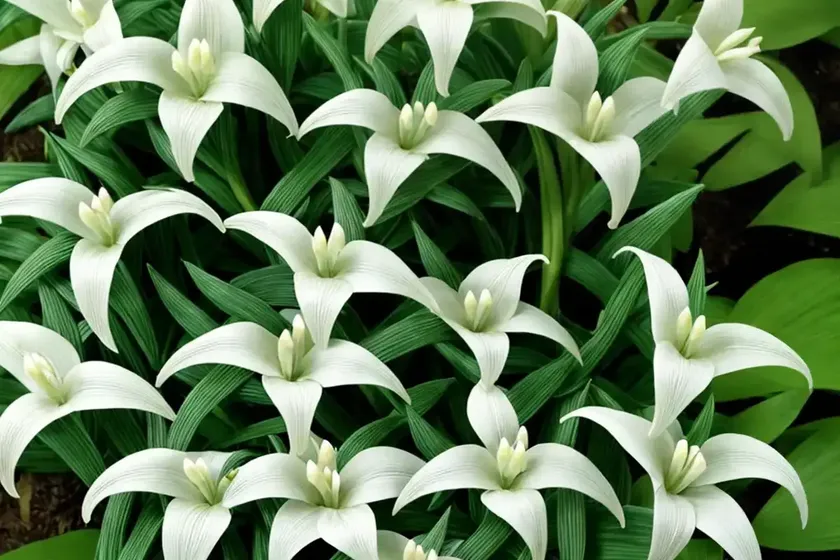
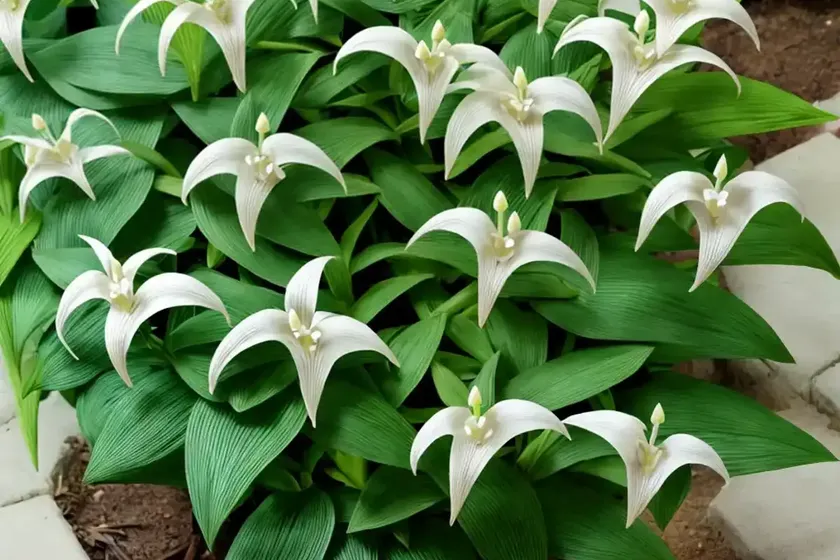
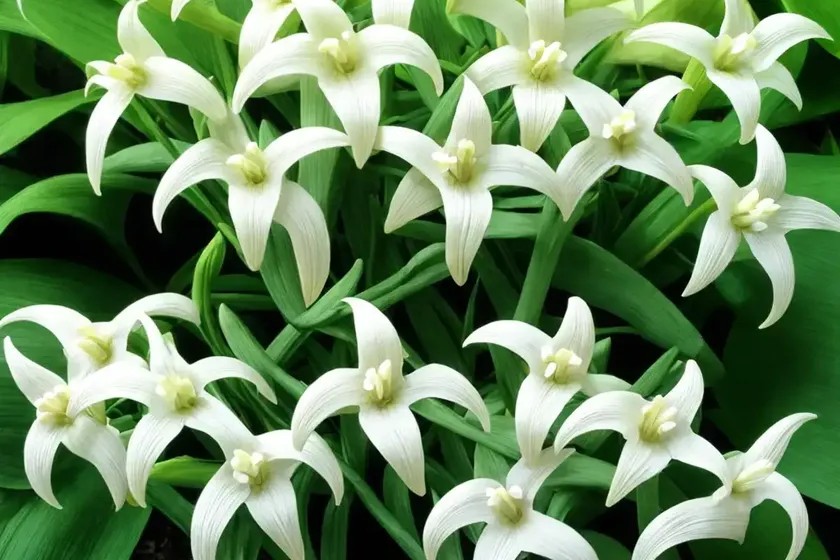
Polygonatum biflorum is a perennial flowering plant that belongs to the genus Polygonatum within the Asparagaceae family. This species is native to North America and is renowned for its graceful arching stems, distinctive foliage, and delicate pendant flowers. The plant derives its common name, Great Solomon’s Seal, from the seal-like scars that develop on the rhizomes after the leaves wither and fall. These scars resemble the ancient seals used to authenticate documents and have contributed to the plant’s historical and cultural significance.
Key Takeaways – Polygonatum Biflorum (Great Solomon’s Seal)
Before we delve into the intricacies of Polygonatum biflorum, let’s highlight some key takeaways that encapsulate its significance and appeal:
- Medicinal Properties: Polygonatum biflorum has a rich history of medicinal uses, with its rhizomes and roots being valued for their therapeutic properties in traditional medicine.
- Cultural Significance: This plant holds cultural importance in folklore and traditional herbalism, with its folklore and symbolism enriching its appeal.
- Versatile Uses: From landscaping and natural remedies to wildlife habitat creation, Polygonatum biflorum offers diverse uses that make it a valuable addition to various settings.
- Adaptability: Great Solomon’s Seal exhibits traits that make it suitable for different growing conditions, ranging from shade gardens to woodland settings.
Now, let’s delve deeper into the various aspects of Polygonatum biflorum, including its culture, uses, care requirements, and significance in both traditional and modern settings.
Culture
Understanding the culture of Polygonatum biflorum is essential for successfully cultivating and appreciating this enchanting plant. From its environmental preferences to its cultural significance, this section will provide a comprehensive overview of the plant’s culture.
Uses
The uses of Polygonatum biflorum span a wide range of applications, encompassing both traditional and contemporary contexts. Here are the key uses of Great Solomon’s Seal:
-
Medicinal Purposes: The rhizomes and roots of Polygonatum biflorum have been traditionally used in herbal medicine to treat various ailments. From respiratory conditions to digestive disorders, the plant’s medicinal properties have been valued for generations.
-
Landscaping: With its graceful arching stems and attractive foliage, Polygonatum biflorum is a popular choice for landscaping, particularly in shaded or woodland gardens. Its ability to naturalize and form dense colonies makes it ideal for creating naturalistic landscapes.
-
Wildlife Habitat Creation: The plant’s dense growth habit and foliage provide valuable cover and foraging opportunities for wildlife, making it a welcome addition to wildlife gardens and naturalized areas.
-
Ornamental Value: Great Solomon’s Seal’s aesthetic appeal and unique growth habit make it a sought-after ornamental plant, adding a touch of elegance to garden settings.
-
Traditional and Folkloric Significance: Beyond its practical uses, Polygonatum biflorum holds cultural significance in traditional herbalism, folklore, and symbolism, enriching its allure and appeal.
Water
Polygonatum biflorum thrives in moist, well-drained soils and is well-suited to woodland or shaded garden settings. While the plant tolerates a range of moisture levels, consistent moisture is crucial for optimal growth and vigor. When establishing Polygonatum biflorum in the garden, it is essential to ensure adequate water supply, particularly during the establishment phase.
Sunlight
Great Solomon’s Seal prefers partial to full shade, making it an excellent choice for shaded gardens or woodland settings. The dappled light and sheltered conditions provided by trees or shrubs create an ideal environment for the plant to thrive. When selecting a site for Polygonatum biflorum, it is important to prioritize locations with filtered sunlight and protection from harsh midday sun.
Fertilizer
In enriched woodland soils, Polygonatum biflorum typically thrives without the need for additional fertilization. However, if the soil is lacking in organic matter or nutrients, incorporating a balanced, organic fertilizer during the spring can help support the plant’s growth and resilience. A slow-release, organic fertilizer applied at the base of the plant can provide the necessary nutrients without risking adverse effects on the delicate root system.
Soil
The soil requirements of Polygonatum biflorum align with its native woodland habitat, emphasizing the importance of well-drained, humus-rich soils. The plant flourishes in loamy, slightly acidic soils with good moisture retention. When preparing the planting site, incorporating organic matter such as compost or leaf mold can enhance soil structure and fertility, creating an optimal growing medium for Great Solomon’s Seal.
Pruning
Minimal pruning is necessary for Polygonatum biflorum, as the plant’s graceful arching stems and foliage develop naturally without requiring extensive intervention. Removing any damaged or senescent stems can help maintain the plant’s appearance and vigor. Additionally, cutting back the stems after flowering can promote new growth and rejuvenate the plant for the following season.
Propagation
Polygonatum biflorum can be propagated through division, seeds, or rhizome cuttings, with division being the most commonly employed method. Here’s a brief overview of each propagation method:
-
Division: During the plant’s dormant season, dividing the rhizomes can yield new plantings and help manage the size of existing colonies. Carefully separating the rhizomes and planting them in suitable locations can establish new Polygonatum biflorum specimens.
-
Seeds: Harvesting and sowing the plant’s seeds can also be a viable propagation method, albeit one that requires patience and attention to specific germination requirements.
-
Rhizome Cuttings: Taking cuttings from the rhizomes and establishing them in suitable growing conditions can serve as a reliable means of propagation, particularly for expanding the plant’s presence in the garden.
Container Popularity
Though Polygonatum biflorum is primarily grown in garden settings, its graceful demeanor and adaptability make it suitable for container cultivation. The plant’s aesthetic appeal and low-maintenance nature render it an attractive option for shaded container gardens, where its subdued elegance can enhance the ambiance and visual allure of outdoor spaces.
Container Common Diseases
While Polygonatum biflorum is generally resilient to diseases, container-grown specimens may be susceptible to certain issues, including:
-
Root Rot: Prolonged waterlogging or poor drainage in containers can lead to root rot, compromising the plant’s health and vitality. Selecting well-draining potting mixes and ensuring proper water management can mitigate this risk.
-
Fungal Diseases: Containers with excessive moisture or inadequate air circulation can create favorable conditions for fungal diseases, necessitating preventive measures such as proper watering practices and suitable spacing between plants.
Disease Diagnosis
When diagnosing diseases in Polygonatum biflorum, it is essential to observe the plant for symptoms such as wilting, discoloration, or unusual growth patterns. Additionally, assessing environmental factors such as moisture levels, air circulation, and soil conditions can aid in identifying potential disease issues. If disease symptoms are observed, promptly addressing the causal factors and implementing appropriate treatments can help mitigate the impact on the plant’s health.
Common Pests
Polygonatum biflorum is relatively resistant to pest infestations, owing to its natural resilience and adaptability. However, certain pests may occasionally pose a threat to the plant, including:
-
Slugs and Snails: These common garden pests can feed on the foliage of Polygonatum biflorum, compromising its aesthetic appeal. Implementing measures such as physical barriers or organic repellents can help deter these pests effectively.
-
Spider Mites: In dry or stressed conditions, spider mites may target Polygonatum biflorum, feeding on the plant’s sap and causing visible damage. Maintaining adequate moisture levels and employing natural predators or controls can help manage spider mite infestations.
Botanist’s Tips
As a plant scientist with a deep appreciation for Polygonatum biflorum, I’ve gathered a few tips to help enthusiasts cultivate and appreciate this remarkable plant:
-
Embrace Shaded Spaces: Great Solomon’s Seal’s preference for shade makes it a valuable addition to shaded gardens, woodland settings, and other areas where filtered sunlight predominates. Embrace the subdued allure of shaded spaces and leverage the plant’s elegant presence to create captivating landscapes.
-
Optimize Moisture Levels: Prioritize consistent moisture management, particularly during the establishment phase and periods of prolonged dryness. By optimizing moisture levels, you can bolster the plant’s vigor and resilience, ensuring its long-term health and vitality.
-
Elevate Wildlife-Friendly Gardens: Utilize Polygonatum biflorum to enhance the ecological value of garden spaces, creating welcoming habitats for wildlife and promoting biodiversity. The plant’s lush foliage and dense growth can provide shelter and foraging opportunities for various species, enriching the garden’s ecological tapestry.
-
Celebrate Cultural Significance: Explore the folklore, symbolism, and traditional uses associated with Great Solomon’s Seal, cultivating an appreciation for the plant’s cultural significance and historical roots. By celebrating its heritage, you can foster a deeper connection with this captivating species.
Fun Facts
To add a delightful touch to our exploration of Polygonatum biflorum, here are some fun facts about this enchanting plant:
-
The name “Solomon’s Seal” is believed to stem from the legend of King Solomon, who possessed a magical signet ring that bore a mystical seal. The circular scars left by the plant’s withered leaves are said to resemble this ancient seal.
-
Polygonatum biflorum has a rich history of use in traditional herbalism, where its rhizomes and roots were treasured for their purported medicinal properties. From treating respiratory ailments to serving as a general tonic, the plant has played a significant role in traditional medicinal practices.
-
The pendant, bell-shaped flowers of Great Solomon’s Seal exude a delicate charm and grace, attracting pollinators such as bees and butterflies. The plant’s floral display adds a touch of allure to shaded garden settings, where its understated elegance shines.
Links to External Resources
For further exploration of Polygonatum biflorum and related topics, I recommend the following resources:
- Royal Horticultural Society – Polygonatum biflorum
- Missouri Botanical Garden – Great Solomon’s Seal
- American Society of Plant Biologists
- Wildflower.org – Polygonatum biflorum
- Botanical Society of America
By exploring these resources, you can gain further insights into the cultural, ecological, and horticultural dimensions of Polygonatum biflorum and expand your knowledge of this captivating plant.
In conclusion, Polygonatum biflorum (Great Solomon’s Seal) captivates enthusiasts with its enchanting beauty, historical significance, and versatile uses. From shaded gardens and woodland habitats to medicinal traditions and cultural symbolism, the plant’s allure transcends traditional boundaries, enriching diverse spheres of human experience. Whether celebrated for its folklore, cherished for its ornamental appeal, or valued for its ecological contributions, Great Solomon’s Seal continues to inspire admiration and appreciation. As we continue to explore the intricate tapestry of plant life, Polygonatum biflorum stands as a captivating emblem of nature’s enduring charm and multifaceted significance.
As we wrap up our exploration of Polygonatum biflorum, I hope that this comprehensive guide has deepened your understanding and appreciation of this remarkable plant. Whether you’re admiring its delicate blossoms, embracing its cultural heritage, or harnessing its ecological benefits, Great Solomon’s Seal offers a captivating tapestry of inspiration and enchantment.
If you have any questions, thoughts, or experiences to share regarding Polygonatum biflorum or related topics, feel free to engage in the discussion below. I look forward to connecting with fellow enthusiasts and embracing the diverse perspectives that enrich our collective exploration of botanical wonders.
Happy gardening and botanical adventures!
[Image Credit: Great Solomon’s Seal]
In crafting this comprehensive guide to Polygonatum biflorum (Great Solomon’s Seal), I’ve endeavored to encapsulate the plant’s allure and significance from diverse angles, including horticulture, cultural history, and ecological value. By exploring its uses, cultural significance, and care requirements, enthusiasts can gain a multi-faceted appreciation for this enchanting plant. The inclusion of botanist’s tips, fun facts, and links to external resources aims to enrich the reader’s understanding and inspire further exploration of Polygonatum biflorum and related topics.