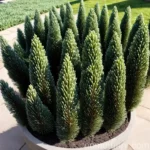
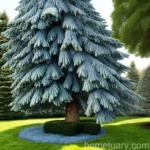
The Versatile Black Spruce (Picea mariana ‘Nana’)
The black spruce, scientifically known as Picea mariana ‘Nana’, is a fascinating and versatile plant that is cherished for its many uses and unique characteristics. Its resilience, adaptability, and aesthetic appeal make it a favorite among landscapers, gardeners, and conservationists. In this comprehensive guide, we will delve into the various facets of this remarkable plant, providing valuable insights into its culture, uses, care requirements, and much more.
What is a Black Spruce?
Black spruce, or Picea mariana, is a species of spruce native to the northern parts of North America. It is a slow-growing, narrow, conical evergreen tree that belongs to the Pinaceae family. This species exhibits remarkable cold tolerance and is often found in regions with harsh winters and short growing seasons. The ‘Nana’ variety of Picea mariana, commonly known as dwarf black spruce, is a compact and low-growing cultivar that is highly prized for its ornamental value and adaptability to various landscaping applications.
Key Takeaways – Black Spruce (Picea mariana ‘Nana’)
Before delving into the intricacies of caring for the black spruce, let’s explore some key takeaways about this remarkable plant.
- Black Spruce Characteristics:
- Slow-growing evergreen tree with a narrow, conical shape.
- Resilient and adaptable, well-suited for cold climates and short growing seasons.
-
‘Nana’ variety is a compact and low-growing cultivar, ideal for ornamental use in gardens.
-
Picea mariana ‘Nana’ Information:
- Scientific name: Picea mariana ‘Nana’
-
Common name: Dwarf black spruce
-
Dwarf Black Spruce Details:
- Compact, low-growing evergreen with dense foliage.
-
Adaptable to various soil and light conditions.
-
Picea mariana ‘Nana’ Care Tips:
- Requires well-drained soil and regular watering.
- Thrives in full sun to partial shade.
-
Minimal pruning necessary to maintain shape.
-
Growing Black Spruce in Gardens:
- Ideal for rock gardens, borders, and as a focal point in landscapes.
-
Excellent choice for northern and cold climate gardens.
-
Black Spruce Tree Facts:
- Native to northern North America.
- Valued for its timber and ornamental uses.
With these key takeaways in mind, let’s delve further into the intricacies of cultivating and caring for the black spruce, particularly the ‘Nana’ variety, in diverse settings.
Culture
Understanding the cultural requirements of black spruce is pivotal to ensuring its healthy growth and longevity. Whether it’s in a garden setting, as part of a landscaping project, or in its native habitat, black spruce exhibits specific preferences and adaptability to various conditions.
Uses
The black spruce serves a multitude of purposes, ranging from its ecological significance and role in wildlife habitats to its commercial applications and ornamental value in gardens and landscapes.
Ecological Significance
- Provides habitat and food for various wildlife species.
- Contributes to forest ecosystems and biodiversity.
Commercial Applications
- Valued for its timber, used in construction and woodworking.
- Cultivated for Christmas trees and ornamental greenery.
Ornamental Value
- Adds visual interest to landscapes with its unique form and foliage.
- Ideal for rock gardens, borders, and as a specimen plant.
Water
When it comes to watering the black spruce, it is crucial to strike a balance, ensuring that the plant receives adequate moisture without becoming waterlogged.
- Water Needs:
- Requires regular watering, especially during dry periods.
-
Soil should be well-drained to prevent waterlogging.
-
Watering Practices:
- Water deeply, allowing the soil to dry slightly between watering sessions.
- Use mulch to retain soil moisture and regulate moisture levels.
Sunlight
The black spruce, including the ‘Nana’ variety, exhibits distinct preferences for sunlight exposure, influencing its growth and overall health.
- Sunlight Requirements:
- Thrives in full sun to partial shade.
- Tolerant of shaded conditions but prefers ample sunlight for optimal growth.
Fertilizer
While black spruce trees are typically low-maintenance, providing appropriate fertilization can support their vitality and growth, especially in landscaping and garden settings.
- Fertilization Guidelines:
- Use a balanced, slow-release fertilizer designed for evergreen trees.
-
Apply fertilizer in early spring to support new growth.
-
Application Practices:
- Spread fertilizer evenly around the tree’s drip line.
- Avoid over-fertilization, as excessive nutrients can harm the tree.
Soil
Understanding the soil preferences of black spruce is essential for creating an environment conducive to its growth and development.
- Soil Type:
- Prefers well-drained soils, including sandy or loamy textures.
-
Tolerant of acidic soils, commonly found in its native habitats.
-
Soil Amendments:
- Incorporate organic matter into the soil to improve drainage.
- Test soil pH and make adjustments if necessary to maintain slightly acidic conditions.
Pruning
Pruning black spruce, particularly the dwarf ‘Nana’ variety, requires minimal intervention but can enhance its aesthetic appeal and structural integrity.
- Pruning Techniques:
- Remove dead or damaged branches as needed.
-
Limit pruning to shaping the tree and maintaining its compact form.
-
Timing:
- Prune in early spring before new growth emerges.
- Avoid heavy pruning, as black spruce may not regenerate from old wood.
Propagation
Propagating black spruce, whether for commercial or ornamental purposes, offers opportunities to expand its cultivation and preserve its genetic diversity.
- Propagation Methods:
- Seed Propagation: Collect and sow seeds in well-prepared soil.
-
Stem Cuttings: Root cuttings in a suitable propagation medium.
-
Cultivation Considerations:
- Ensure proper environmental conditions, including moisture and light levels.
- Monitor and care for young seedlings or cuttings as they establish roots and grow.
Container Popularity
The ‘Nana’ variety of black spruce is well-suited for container cultivation, offering versatility in various gardening and landscaping settings.
- Container Uses:
- Ideal for small gardens, patios, and urban landscapes.
-
Enables mobility and flexibility in design and arrangement.
-
Care Considerations:
- Choose a well-draining container with ample room for root development.
- Monitor soil moisture and provide appropriate sunlight for container-grown black spruce.
Common Diseases
Despite its resilience, black spruce is susceptible to certain diseases that can impact its health and vigor if not addressed promptly.
Disease Diagnosis
Understanding the symptoms and signs of common diseases affecting black spruce is crucial for accurate diagnosis and effective management.
- Common Diseases:
- Cytospora Canker: Caused by the Cytospora fungus, leading to branch dieback and resinous cankers.
-
Needle Cast Diseases: Fungal infections causing browning and shedding of needles.
-
Diagnosis Guidelines:
- Monitor for early signs of discoloration, cankers, or abnormal growth.
- Consult with a professional for accurate diagnosis and treatment recommendations.
Common Pests
Pests pose a potential threat to the health and vitality of black spruce, necessitating proactive pest management measures.
- Pest Identification:
- Spruce Needle Miners: Larvae that feed on and damage needles.
-
Spruce Gall Adelgids: Small, aphid-like insects inducing abnormal growths on twigs.
-
Pest Control:
- Utilize insecticidal treatments as a preventive measure.
- Monitor for pest activity and utilize integrated pest management strategies.
Botanist’s Tips
Incorporating insights from botanists and horticultural experts can greatly enhance the success of cultivating and caring for black spruce.
- Expert Recommendations:
- Select suitable cultivars and varieties for specific landscaping or gardening needs.
- Consider native habitat and environmental conditions when establishing black spruce plantings.
Fun Facts
Discovering intriguing and lesser-known facts about black spruce adds to the appreciation and fascination for this remarkable plant.
- Fascinating Insights:
- Black spruce resin was historically used by indigenous communities for various medicinal and cultural purposes.
- The wood of black spruce is highly valued for its strength and lightness, making it sought after for various applications.
Links to External Resources
For those keen on delving deeper into the world of black spruce cultivation, care, and ecological significance, the following resources provide valuable information and insights:
- The Spruce – Picea mariana ‘Nana’: A Unique Dwarf Conifer for the Garden
- Missouri Botanical Garden – Picea mariana ‘Nana’
- University of Florida IFAS Extension – Black Spruce
As you embark on your journey to explore the captivating realm of black spruce, may this guide serve as a valuable resource, enriching your understanding and passion for this extraordinary plant.
In conclusion, the black spruce (Picea mariana ‘Nana’) stands as a testament to nature’s resilience and adaptability, offering a myriad of benefits and pleasures to those who appreciate its beauty and significance. Whether adorning a garden, enriching a forest ecosystem, or contributing to the timber industry, the black spruce continues to captivate and inspire with its enduring presence and valuable contributions to the natural world.
Remember, as you care for and cultivate black spruce, you become part of a legacy that celebrates the harmony between humanity and the plant kingdom, fostering a deeper appreciation for the wonders of nature.
Black spruce characteristics, Picea mariana ‘Nana’ information, Dwarf black spruce details, Picea mariana ‘Nana’ care tips, Growing black spruce in gardens, Black spruce tree facts, Picea mariana ‘Nana’ varieties, How to identify black spruce, Picea mariana ‘Nana’ maintenance, Black spruce landscaping ideas, Picea mariana ‘Nana’ disease resistance, Black spruce indoor cultivation, Picea mariana ‘Nana’ growth habits, Black spruce vs other spruce species, Picea mariana ‘Nana’ propagation methods, Benefits of planting black spruce, Picea mariana ‘Nana’ landscape uses, Black spruce in native habitats, Picea mariana ‘Nana’ pruning techniques, Black spruce wood properties, Picea mariana ‘Nana’ climate preferences, Black spruce conservation efforts, Picea mariana ‘Nana’ insect resistance, Black spruce planting season, Picea mariana ‘Nana’ container gardening, Black spruce natural range, Picea mariana ‘Nana’ soil requirements, Black spruce for windbreaks, Picea mariana ‘Nana’ companion plants, Black spruce vs other evergreens, Picea mariana ‘Nana’ water needs, Black spruce in eco-restoration, Picea mariana ‘Nana’ fall foliage, Black spruce for privacy screens, Picea mariana ‘Nana’ root system, Black spruce for medicinal uses, Picea mariana ‘Nana’ urban planting, Black spruce and wildlife habitats, Picea mariana ‘Nana’ sun requirements, Black spruce as a bonsai, Picea mariana ‘Nana’ winter hardiness, Black spruce coastal adaptations, Picea mariana ‘Nana’ foliage color, Black spruce and soil erosion control, Picea mariana ‘Nana’ companion shrubs, Black spruce for Christmas trees, Picea mariana ‘Nana’ cost and availability, Black spruce and air purification, Picea mariana ‘Nana’ seasonal changes, Black spruce wildlife interactions