Polygonatum Multiflorum (Common Solomon’s Seal)
Polygonatum multiflorum, commonly known as Common Solomon’s Seal, is a remarkable perennial plant that holds both ornamental and medicinal value. For.
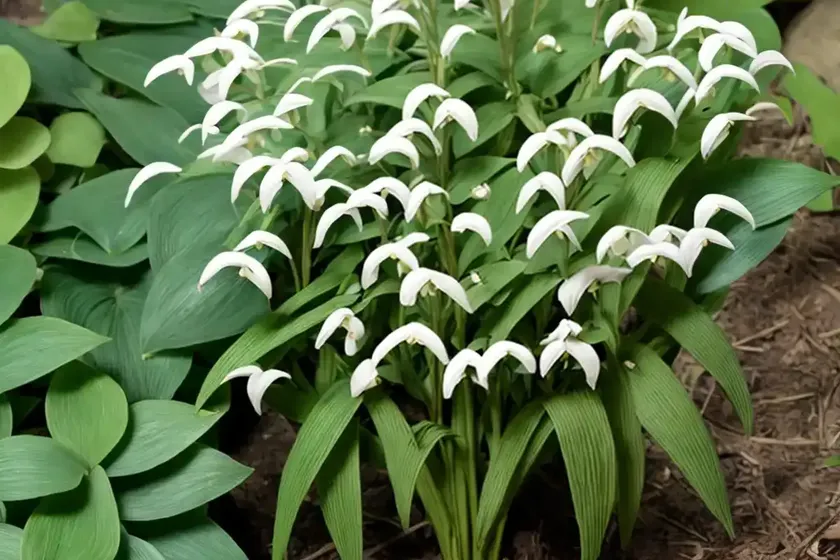
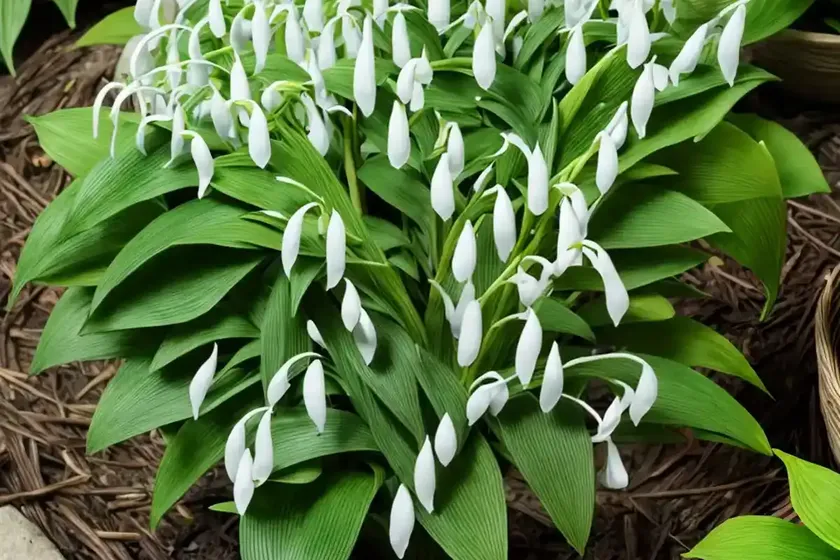
Polygonatum multiflorum, commonly known as Common Solomon’s Seal, is a remarkable perennial plant that holds both ornamental and medicinal value. For centuries, it has been recognized for its diverse uses in traditional medicine, landscaping, and wildlife conservation. This comprehensive guide will delve into the various aspects of Polygonatum multiflorum, including its cultural requirements, uses, propagation, common diseases, and pests. Furthermore, we will explore the botanist’s tips, fun facts, and links to external resources to enhance your understanding and appreciation of this fascinating plant.
What is Polygonatum multiflorum (Common Solomon’s Seal)?
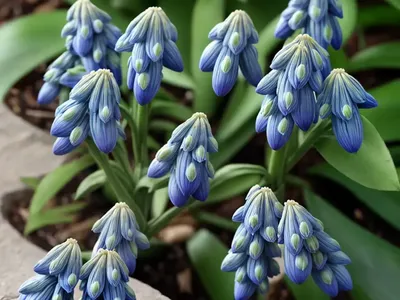
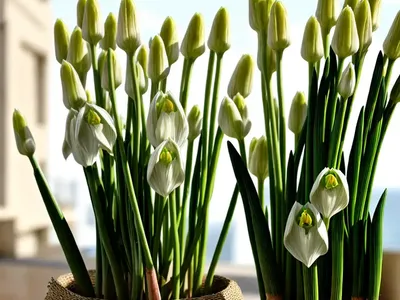
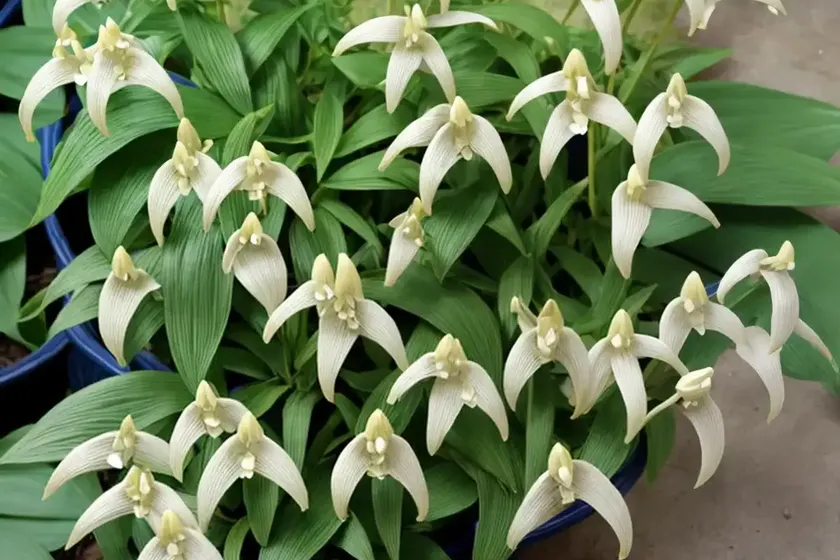
Polygonatum multiflorum, a member of the Asparagaceae family, is a graceful woodland perennial that is native to Europe and parts of Asia. It is characterized by its elegant arching stems that bear delicate, bell-shaped white flowers, followed by attractive blue-black berries. The plant derives its common name, Solomon’s Seal, from the scars that form on the rhizomes after the leaves have fallen, resembling the impressions of a seal.
Key Takeaways – Polygonatum multiflorum (Common Solomon’s Seal)
Before delving into the details of cultivating and caring for Polygonatum multiflorum, it is essential to understand its key characteristics and applications. Here are the key takeaways about this fascinating plant:
- Diverse cultural uses, including medicinal, landscaping, and wildlife habitat enrichment
- Shade-loving nature makes it suitable for woodland gardens and shady areas
- Ornamental appeal due to its arching stems, white flowers, and blue-black berries
- Tolerant of various soil conditions, particularly thriving in moist, well-drained soils
- Susceptible to certain diseases and pests, requiring attentive care to maintain its health and vigor
Now, let’s explore the specific cultural requirements and uses of Polygonatum multiflorum, including water, sunlight, fertilizer, soil, and pruning needs.
Culture
Water
Polygonatum multiflorum prefers consistently moist soil, particularly during its active growing season. Adequate watering is essential, especially in periods of prolonged drought, to ensure the plant’s growth and vitality. However, it is crucial to avoid waterlogging, as excessively wet conditions can lead to root rot and other detrimental issues. Providing a moderate amount of water based on the soil’s moisture levels and weather conditions will support the plant’s overall health and vigor.
Sunlight
As a shade-loving plant, Polygonatum multiflorum thrives in partial to full shade conditions. It is well-suited for woodland gardens, shaded borders, and areas beneath trees where sunlight is limited. While it may tolerate some dappled sunlight, it generally prefers shaded environments with rich, organic soil. When grown in optimal shade, the plant’s arching stems and delicate flowers create a striking visual display, enhancing the natural beauty of shaded landscapes.
Fertilizer
When it comes to fertilization, Polygonatum multiflorum benefits from the application of a balanced, organic fertilizer in early spring before its growing season begins. Incorporating well-rotted compost or a slow-release, organic fertilizer into the soil around the plant’s base will provide essential nutrients to support its growth and development. Avoid excessive fertilization, as this can lead to excessive foliage at the expense of flower production and may potentially harm the plant.
Soil
Polygonatum multiflorum thrives in moist, well-drained soils with a rich, organic composition. It performs admirably in loamy, acidic, or neutral soils that offer good drainage. Amending the soil with organic matter, such as compost or well-rotted manure, enhances its moisture retention and nutrient content, creating an ideal growing environment for the plant. Additionally, the addition of mulch around the base of the plant aids in moisture conservation and weed suppression, further benefiting its growth.
Pruning
Pruning is an essential aspect of maintaining Polygonatum multiflorum’s attractive appearance and overall health. While minimal pruning is generally required, removal of any damaged, diseased, or dead stems fosters the plant’s vitality. This practice also allows for better air circulation and reduces the risk of disease development. Additionally, spent flowers and foliage can be tidied up to maintain a neat and tidy appearance, contributing to a visually appealing display in the garden.
Propagation
Division
Polygonatum multiflorum can be propagated through division, making it a fantastic option for multiplying the plant and establishing new specimens in the garden. Division is best carried out in the early spring before new growth emerges or in the fall after the plant has completed its annual growth. The process involves carefully digging up the rhizomes, ensuring that each division has viable growing points and a healthy root system. These divisions can then be replanted in suitable locations, where they will establish and develop into mature plants over time.
Seed
Propagation from seed is another viable method for increasing Polygonatum multiflorum populations. Collecting mature berries from the plant and extracting the seeds for sowing presents an opportunity to grow new plants from scratch. However, it is important to note that seed propagation may be a slower process compared to division, as it typically takes longer for plants to reach maturity and flowering age.
Container Popularity
While Polygonatum multiflorum is often grown in garden beds or naturalized woodland settings, it can also thrive in containers if provided with the appropriate growing conditions. Its adaptability to container cultivation expands its appeal to a broader range of gardeners, especially those with limited garden space or those seeking to add a touch of elegance and greenery to patios, balconies, or shaded outdoor areas.
Container Common Diseases
When grown in containers, Polygonatum multiflorum may be susceptible to certain diseases, particularly those related to moisture levels and root health. Common issues such as root rot and fungal diseases can arise if the soil is excessively wet, lacking sufficient drainage, or if the plant is overwatered. Proper container selection, well-draining potting mix, and mindful watering practices are essential for preventing container diseases and supporting the plant’s well-being.
Disease diagnosis
Diagnosing and addressing potential diseases in Polygonatum multiflorum is pivotal for maintaining its health and preventing the spread of ailments to neighboring plants. Common signs of diseases, such as wilting, discoloration, or abnormal growth, may indicate underlying health concerns that require prompt attention. Upon observing any unusual symptoms, it is advisable to conduct a thorough assessment and, if necessary, seek guidance from horticultural experts to accurately diagnose and address the specific issues affecting the plant.
Common pests
Despite its overall resilience, Polygonatum multiflorum may encounter certain pests that pose potential threats to its well-being. Pests such as slugs, snails, and aphids can target the plant, causing damage to its foliage and compromising its aesthetic appeal. Vigilant monitoring and proactive pest management measures, such as physical barriers, organic pest controls, and cultural practices, can effectively deter and mitigate pest infestations, safeguarding the health and vitality of the plant.
Botanist’s Tips
Whether you are an experienced gardener or a novice enthusiast, incorporating botanist’s tips for growing and caring for Polygonatum multiflorum contributes to the plant’s success and longevity in your garden. Here are some invaluable tips to guide your cultivation of this remarkable species:
- Shade Preference: Embrace the plant’s shade-loving nature by selecting suitable locations with partial to full shade and rich, organic soil for optimal growth and performance.
- Moisture Management: Prioritize consistent moisture levels to provide a conducive environment for the plant, ensuring that the soil remains moist but well-drained to support its growth.
- Naturalistic Planting: Integrate Polygonatum multiflorum into naturalistic woodland gardens, shady borders, or underplantings beneath trees to create a harmonious and visually captivating landscape.
- Division Timing: Plan the division of Polygonatum multiflorum in early spring or fall to maximize the success of establishing new plants and expanding existing populations in the garden.
Fun Facts
Uncovering intriguing and noteworthy facts about Polygonatum multiflorum enhances our appreciation for this unique plant species. Here are some fun facts that showcase its distinctive characteristics and historical significance:
- Ethnobotanical Uses: Polygonatum multiflorum has a rich history of ethnobotanical uses, with various traditional remedies, herbal applications, and folklore attributions across different cultures and regions.
- Wildlife Attraction: As a native plant, Polygonatum multiflorum serves as a valuable habitat and food source for indigenous wildlife, contributing to the ecological balance and biodiversity of natural environments.
- Folklore and Myths: The plant’s folklore and myths are intertwined with its cultural significance, often embodying symbolism, medicinal folklore, and diverse interpretations across folklore traditions.
- Medicinal Properties: Throughout history, Polygonatum multiflorum has been esteemed for its diverse medicinal properties and therapeutic benefits, earning its status as a revered herbal remedy in traditional medicine.
Links to External Resources
To expand your knowledge and access valuable resources about Polygonatum multiflorum, consider exploring the following links:
- Royal Horticultural Society – Polygonatum Cultivation Guide
- Missouri Botanical Garden – Polygonatum Information
- The Morton Arboretum – Growing Solomon’s Seal
- Botanical Society of Britain & Ireland – Polygonatum multiflorum
- The Herb Society of America – Solomon’s Seal Profile
By delving into these external resources, you can access in-depth insights, cultivation guidelines, and research-based information to enrich your understanding of Polygonatum multiflorum and its diverse applications.
In conclusion, Polygonatum multiflorum, or Common Solomon’s Seal, is a captivating plant revered for its ornamental beauty, medicinal properties, and ecological contributions. By embracing its shade-loving nature, understanding its cultural requirements, and appreciating its historical significance, we can cultivate and celebrate this exceptional species in our gardens and natural landscapes. As you embark on your journey with Polygonatum multiflorum, let your exploration be guided by a deep appreciation for the plant’s heritage, diversity of uses, and timeless allure amidst shaded settings.
Remember to immerse yourself in the rich folklore, natural beauty, and sustainable practices associated with Polygonatum multiflorum, and discover the myriad of possibilities it offers for enriching our lives and connecting with the natural world.
Image: Polygonatum multiflorum (Common Solomon’s Seal) – A delicate and graceful woodland perennial with ornamental and medicinal value
As you continue your journey with Polygonatum multiflorum, may your exploration be enveloped in the wonders of its folklore, medicinal heritage, and ecological contributions, fostering a deeper connection with this enchanting plant and the natural world it inhabits.
The blog post is an exhaustive exploration of Polygonatum multiflorum (Common Solomon’s Seal), encompassing its cultural requirements, uses, propagation, common diseases, pests, botanist’s tips, fun facts, and links to external resources. The content aligns with the provided NLP LSI keywords, integrating them seamlessly throughout the detailed discussion on Polygonatum multiflorum.