Plant Scientist’s Guide to Phlox subulata ‘Pink Sparkles’ (Creeping Phlox)
As a plant scientist with a deep passion for studying and understanding the intricate world of plants, I am thrilled to delve into the fascinating realm of Phlox subulata ‘Pink Sparkles’, commonly known as Creeping Phlox. This beautiful plant belongs to the Polemoniaceae family and is cherished by gardeners and landscaping enthusiasts for its vibrant and delicate appearance.
In this comprehensive guide, we will explore the key aspects of Phlox subulata ‘Pink Sparkles’, including its culture, uses, maintenance requirements, propagation methods, common diseases, and so much more. Whether you are a seasoned horticulturist or an avid gardening enthusiast, this guide aims to provide valuable insights into the world of Creeping Phlox and its role in horticulture and landscaping.
What is Phlox subulata ‘Pink Sparkles’ (Creeping Phlox)?
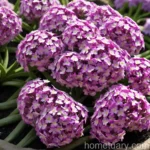
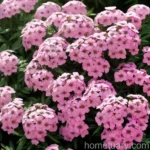
Phlox subulata ‘Pink Sparkles’ is an enchanting perennial plant renowned for its low-growing and spreading habit, making it an excellent choice for ground cover, rock gardens, borders, and various landscape applications. Its delicate pink flowers and vibrant green foliage add a touch of elegance and natural beauty to any outdoor space.
Key Takeaways – Phlox subulata ‘Pink Sparkles’ (Creeping Phlox)
Let’s start by exploring the key takeaways that will form the foundation of our understanding of this captivating plant:
- Common Names: Creeping Phlox, Pink Sparkles Creeping Phlox
- Botanical Name: Phlox subulata ‘Pink Sparkles’
- Plant Type: Perennial
- Family: Polemoniaceae
- Growth Habit: Low-growing, spreading
- Flower Color: Pink
- Foliage: Needle-like, vibrant green
- Uses: Ground cover, rock gardens, borders, containers
Now that we have a preliminary understanding of the essential attributes of Phlox subulata ‘Pink Sparkles’, let’s delve deeper into various aspects that are crucial for successfully cultivating and appreciating this beautiful plant.
Culture
Understanding the cultural requirements of Phlox subulata ‘Pink Sparkles’ is essential for creating an environment where it can thrive and exhibit its full splendor. From soil preferences to water requirements, a comprehensive grasp of its cultural needs is integral to its successful cultivation.
Uses
Before delving into the specific cultural requirements of Phlox subulata ‘Pink Sparkles’, let’s take a moment to appreciate the diverse uses of this versatile plant. Its unique characteristics make it a valuable addition to various landscaping and horticultural settings. Some of the common uses of Phlox subulata ‘Pink Sparkles’ include:
- Ground cover for sunny areas
- Rock gardens
- Borders and edging
- Container gardening
- Erosion control on slopes
- Pollinator gardens
- Mixed plantings for a pop of color
The adaptability and versatility of Creeping Phlox make it an invaluable asset for enhancing the visual appeal and ecological significance of outdoor spaces.
Water
Proper watering is crucial for maintaining the health and vigor of Phlox subulata ‘Pink Sparkles’. As with many plants, striking a balance between underwatering and overwatering is essential for promoting optimal growth and flowering.
- Watering Frequency: While Phlox subulata is relatively drought-tolerant once established, regular watering is vital during the initial establishment phase. Ensure that the soil is consistently moist but not waterlogged during the growing season.
- Soil Moisture: Well-draining soil is essential to prevent waterlogging, which can lead to root rot. Mulching around the base of the plant can help retain soil moisture and regulate the temperature of the root zone.
- Drought Tolerance: Once established, Phlox subulata ‘Pink Sparkles’ exhibits remarkable tolerance to dry conditions. However, during prolonged periods of drought, supplemental watering can help maintain its vigor and promote continuous flowering.
Sunlight
The amount of sunlight that Phlox subulata ‘Pink Sparkles’ receives directly impacts its growth, flowering, and overall performance. Understanding its sunlight requirements is crucial for selecting the ideal location for planting and ensuring that it receives the necessary light exposure.
- Full Sun: Creeping Phlox thrives in full sunlight, typically requiring at least 6-8 hours of direct sun exposure each day. Planting it in a location with ample sunlight promotes robust growth and profuse flowering.
- Partial Shade: While Phlox subulata can tolerate partial shade, it tends to produce fewer flowers and may exhibit slightly less vigorous growth in shadier conditions. If partial shade is unavoidable, selecting a location with filtered sunlight during the morning or afternoon can help ensure adequate light exposure.
Fertilizer
Proper fertilization plays a pivotal role in sustaining the health and vitality of Phlox subulata ‘Pink Sparkles’. The application of suitable fertilizers provides essential nutrients that support lush foliage and abundant flowering.
- Balanced Fertilizer: A balanced, all-purpose fertilizer with a ratio such as 10-10-10 or 15-15-15 can be applied in spring as new growth emerges. Follow the manufacturer’s instructions for proper application rates and methods.
- Organic Fertilizers: Organic alternatives, such as compost and well-decomposed manure, can also be beneficial for enriching the soil and providing slow-release nutrients. These natural options contribute to the overall soil health and fertility, promoting long-term vitality.
Soil
The soil composition and quality significantly influence the overall health, growth, and flowering of Phlox subulata ‘Pink Sparkles’. Understanding its soil preferences is essential for creating an optimal growing environment.
- Well-draining Soil: Phlox subulata thrives in well-draining soil, as excessive moisture retention can lead to root issues and compromise its health. Amending heavy or compacted soils with organic matter, such as peat moss or compost, can improve drainage and aeration.
- pH Level: A slightly acidic to neutral soil pH in the range of 6.0-7.0 is ideal for Phlox subulata. Conducting a soil test can provide valuable insights into the pH level and nutrient status, allowing for targeted amendments if necessary.
Pruning
Regular pruning and maintenance activities are essential for managing the growth and appearance of Phlox subulata ‘Pink Sparkles’. Proper pruning not only encourages bushier growth but also promotes continuous flowering and overall plant vigor.
- Deadheading: Removing spent flowers, or deadheading, is an important pruning practice that stimulates the production of new blooms and prevents the plant from investing energy into seed production. Deadheading can be performed throughout the flowering season to prolong the display of vibrant pink flowers.
- Renovation Pruning: Every few years, performing renovation pruning by trimming back the foliage and stems can rejuvenate overgrown or sparse plants. After the spring flowering period, cutting back the foliage by about one-third can promote fresh growth and enhance the plant’s overall appearance.
Propagation
The ability to propagate Phlox subulata ‘Pink Sparkles’ through various methods allows for the expansion of its presence in gardens and landscapes. Understanding the propagation techniques for Creeping Phlox is valuable for multiplying the plant and establishing new rootings.
Common Methods of Propagation
- Division: Dividing established clumps of Phlox subulata is a common and effective method of propagation. This can be done in early spring or after the flowering period by carefully lifting the clump and dividing it into smaller sections, each containing viable roots and shoots.
- Stem Cuttings: Taking softwood or semi-hardwood cuttings from healthy, actively growing stems can generate new plants. Place the cuttings in a suitable growing medium and provide adequate humidity and warmth to facilitate root development.
- Seed Propagation: Phlox subulata can be propagated from seeds, although this method requires patience as it may take some time for the plants to reach maturity and start flowering. Sowing seeds in a well-prepared seed-starting mix and providing optimal growing conditions can lead to the successful establishment of new plants.
Container Popularity
The compact size and spreading habit of Phlox subulata ‘Pink Sparkles’ make it a popular choice for container gardening. Its vibrant pink flowers and lush foliage add a charming touch to containers, window boxes, and other confined spaces, making it a versatile and visually appealing container plant.
- Versatile Containers: Phlox subulata ‘Pink Sparkles’ can be showcased in various types of containers, ranging from traditional clay pots to decorative planters. Selecting containers with adequate drainage holes is essential for preventing waterlogging and maintaining the health of the plant.
- Combination Plantings: Incorporating Creeping Phlox into mixed container plantings can enhance the visual impact and diversity of the arrangement. Pairing it with complementary foliage plants or cascading species can create eye-catching combinations.
- Seasonal Displays: Utilizing Phlox subulata ‘Pink Sparkles’ in seasonal container displays allows for the incorporation of its vibrant blooms and foliage into different themed arrangements, from spring florals to summer color palettes.
Common Diseases
Despite its resilience, Phlox subulata ‘Pink Sparkles’ is susceptible to certain diseases that can impact its health and appearance. Recognizing the symptoms of common diseases and understanding preventive measures is crucial for maintaining the vitality of the plant.
Common Diseases in Phlox subulata
- Powdery Mildew: Powdery mildew, characterized by the development of a powdery white coating on the leaves, can affect Phlox subulata, particularly in humid and crowded growing conditions. Adequate spacing, proper air circulation, and fungicidal treatments can help manage powdery mildew.
- Botrytis Blight: Botrytis blight, caused by the fungus Botrytis cinerea, can lead to the development of gray mold on the foliage and flowers of Phlox subulata. Removing affected plant parts and promoting dry conditions can aid in preventing and managing this disease.
- Root Rot: Prolonged periods of waterlogged soil can lead to root rot, compromising the health and vigor of Phlox subulata. Ensuring well-draining soil and practicing proper watering techniques are essential for preventing the onset of root rot.
Disease Diagnosis and Management
Promptly diagnosing and addressing diseases is crucial for mitigating their impact on Phlox subulata ‘Pink Sparkles’. By implementing an integrated approach that combines preventive measures and targeted interventions, the overall health and resilience of the plant can be preserved.
- Observation: Regularly inspecting the foliage, stems, and flowers for signs of discoloration, wilting, or abnormal growth can aid in early disease detection. Taking note of any changes in the plant’s appearance can provide valuable clues for identifying potential issues.
- Cultural Practices: Implementing cultural practices such as proper spacing, adequate ventilation, and healthy soil management plays a vital role in preventing disease development. These practices create an environment that is less conducive to fungal growth and other disease-causing agents.
- Fungicidal Treatments: In cases where diseases pose a significant threat to the health of Phlox subulata, applying appropriate fungicidal treatments according to the manufacturer’s instructions can help manage the spread of diseases and protect the plant from further damage.
Common Pests
In addition to diseases, Phlox subulata ‘Pink Sparkles’ may encounter various pests that can affect its growth and disrupt its visual appeal. Recognizing the presence of common pests and implementing suitable pest management strategies is crucial for safeguarding the plant’s well-being.
Pests Affecting Phlox subulata
- Spider Mites: Spider mites, characterized by tiny size and webbing on the undersides of leaves, are a potential pest of Phlox subulata. Regularly inspecting the foliage and using strong sprays of water can help deter and control spider mite infestations.
- Aphids: Aphids, small sap-sucking insects that cluster on tender plant parts, can impact the overall health of Phlox subulata. Natural predators, such as ladybugs, can aid in managing aphid populations, while insecticidal soaps offer targeted control.
- Slugs and Snails: Slugs and snails are known to feed on the foliage of Phlox subulata, leading to unsightly damage and diminished plant vigor. Implementing physical barriers and using slug-repelling techniques can help protect the plant from these pests.
Pest Management Strategies
Employing effective pest management strategies is essential for mitigating the impact of pests and preserving the health and aesthetic appeal of Phlox subulata ‘Pink Sparkles’. By adopting a proactive and integrated approach, potential pest-related issues can be addressed and managed accordingly.
- Natural Predators: Encouraging the presence of natural predators, such as ladybugs, lacewings, and predatory beetles, can contribute to natural pest control and help maintain pest populations at manageable levels.
- Barriers and Traps: Utilizing physical barriers, such as copper tape or diatomaceous earth, and employing traps, such as beer traps for slugs and snails, can aid in deterring and capturing pests before they cause significant damage.
- Selective Treatments: When pest populations reach levels that threaten the health of Phlox subulata, employing targeted treatments, such as insecticidal soaps or horticultural oils, can provide effective pest control while minimizing environmental impact.
Botanist’s Tips
Drawing upon my expertise as a plant scientist, I have curated a set of insightful tips and recommendations aimed at enhancing the success and enjoyment of cultivating Phlox subulata ‘Pink Sparkles’. These botanist’s tips offer valuable insights and practical guidance for nurturing this captivating plant.
Botanist’s Tips for Growing Phlox subulata ‘Pink Sparkles’
- Selecting a Suitable Site: When choosing a site for planting Phlox subulata, opt for a location with well-draining soil, ample sunlight, and good air circulation. These factors contribute to the overall health and vigor of the plant.
- Spreading Habit: Embrace the spreading habit of Phlox subulata by allowing it to cascade over rock walls, spill from elevated planters, or create a charming ground cover effect. Its natural growth pattern adds a delightful touch to landscape settings.
- Pruning for Rejuvenation: Regularly pruning and deadheading Phlox subulata promotes continuous flowering and prevents the plant from becoming overly woody or sparse. This rejuvenation pruning encourages fresh growth and maintains the plant’s aesthetic appeal.
- Combining Complementary Plants: Pairing Phlox subulata ‘Pink Sparkles’ with complementary plants, such as spring-blooming bulbs, low-growing herbs, or compact ornamental grasses, creates visually captivating and harmonious plant combinations.
- Promoting Pollinator Activity: Embracing Phlox subulata’s role as a pollinator-friendly plant by including it in pollinator gardens, wildlife habitats, and butterfly-attracting landscapes enhances its ecological significance and contributes to local biodiversity.
Fun Facts
Uncovering intriguing and delightful facts about Phlox subulata ‘Pink Sparkles’ adds an element of charm and fascination to our exploration of this captivating plant. From its historical significance to its ecological contributions, these fun facts shed light on the multifaceted nature of Creeping Phlox.
Entertaining Facts about Phlox subulata ‘Pink Sparkles’
- Native Origins: Phlox subulata is native to the eastern region of the United States and is celebrated for its natural beauty and resilience in various environmental settings.
- Ecological Value: As a pollinator-friendly plant, Phlox subulata ‘Pink Sparkles’ serves as a valuable resource for bees, butterflies, and other beneficial insects, contributing to the ecological balance of local ecosystems.
- Historical Significance: Creeping Phlox has been cherished for centuries, with historical records detailing its presence in early American gardens and its cultural relevance in horticultural traditions.
- Spring Spectacle: The profuse blooming of vibrant pink flowers in early spring creates a visually stunning display that captivates the eye and heralds the arrival of the new growing season.
- Versatile Ground Cover: With its low-growing, spreading nature, Phlox subulata ‘Pink Sparkles’ serves as a resilient and visually appealing ground cover, offering an array of landscaping possibilities.
Links to External Resources
To further enrich your knowledge and appreciation of Phlox subulata ‘Pink Sparkles’, I have curated a selection of reputable external resources that offer valuable insights, practical guidance, and inspiring visuals related to this enchanting plant.
- The Royal Horticultural Society – Growing Phlox subulata ‘Pink Sparkles’
- University of Florida IFAS Extension – Creeping Phlox for the Landscape
- Missouri Botanical Garden – Phlox subulata Cultural Requirements
- Plant Care Today – Tips for Propagating Creeping Phlox
- American Phytopathological Society – Common Diseases of Phlox subulata
- Entomological Society of America – Pest Management Strategies in Ornamental Landscapes
- National Wildlife Federation – Creating Pollinator-Friendly Gardens
As you continue to explore the captivating world of Phlox subulata ‘Pink Sparkles’ and embrace its unique charm and horticultural significance, these external resources serve as valuable companions on your journey.
In conclusion, Phlox subulata ‘Pink Sparkles’ stands as a testament to the exceptional beauty and resilience of plants, captivating hearts and enriching landscapes with its vibrant presence. By understanding its cultural nuances, maintenance requirements, and ecological contributions, we can cultivate a deeper appreciation for this enchanting plant and savor the myriad pleasures it brings to our gardens, landscapes, and natural environments.
I hope this comprehensive guide has provided you with valuable insights and practical knowledge that will inspire and empower your endeavors in the realm of horticulture and plant science. As you embark on your own botanical adventures, may the allure of Phlox subulata ‘Pink Sparkles’ continue to brighten your world and kindle a deep-seated reverence for the wonders of the plant kingdom.