Garden Phlox (Phlox Paniculata ‘Bright Eyes’)
Garden phlox (Phlox paniculata ‘Bright Eyes’) is a stunning and popular perennial plant that is cherished by gardeners for its delightful blooms, ease of.
Garden phlox (Phlox paniculata ‘Bright Eyes’) is a stunning and popular perennial plant that is cherished by gardeners for its delightful blooms, ease of care, and wide range of uses in landscaping. This comprehensive plant care guide will provide you with all the information you need to grow and maintain garden phlox ‘Bright Eyes’ successfully. From its cultural requirements to its propagation methods and common pests and diseases, this guide covers it all to help you make the most of this beautiful plant in your garden.
What is Garden Phlox (Phlox paniculata ‘Bright Eyes’)?
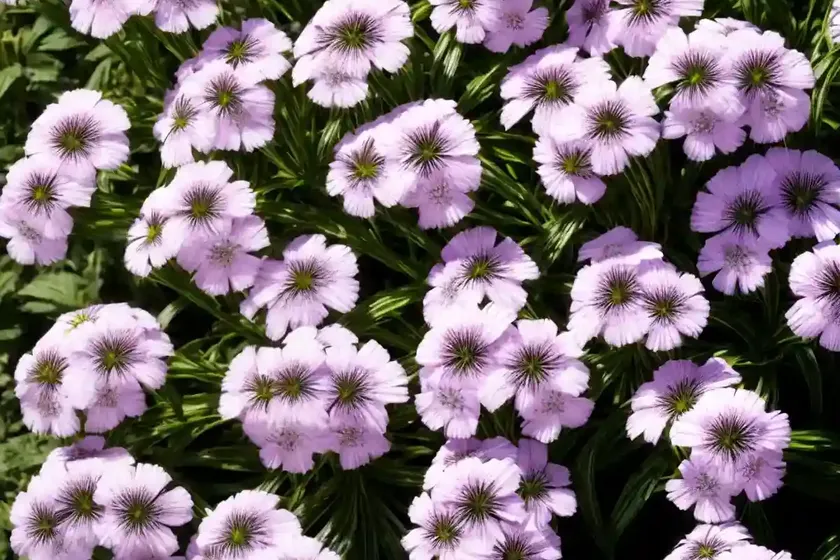
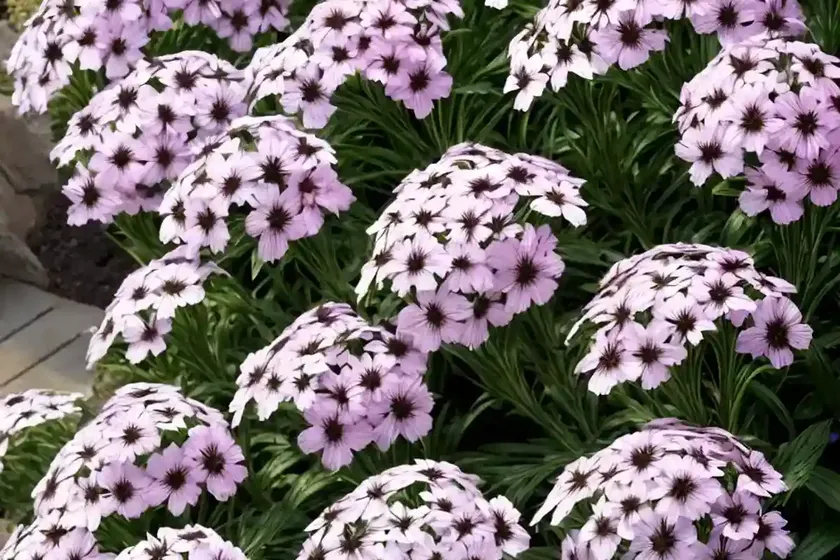
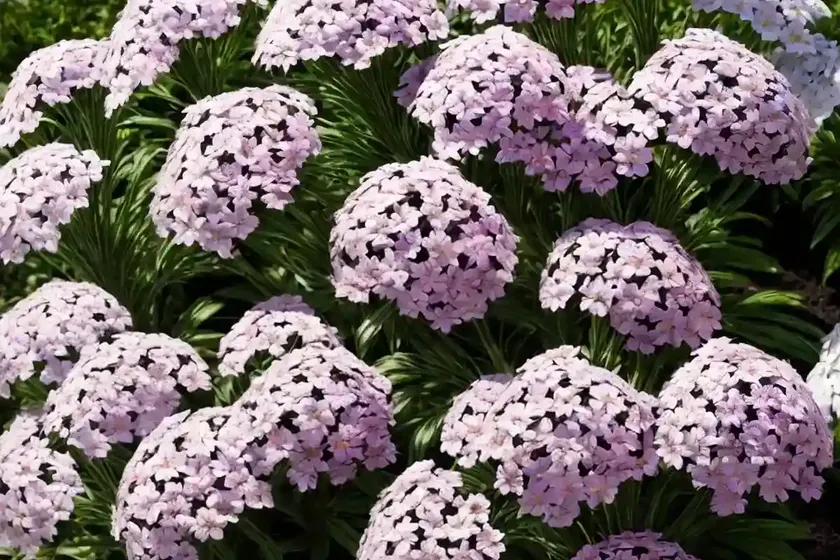
Garden phlox, scientifically known as Phlox paniculata, is a herbaceous perennial plant that belongs to the Polemoniaceae family. It is native to North America and is highly valued for its clusters of vibrant, fragrant flowers that bloom in summer and early fall. ‘Bright Eyes’ is a popular cultivar of garden phlox, renowned for its striking pink and white blossom with a crimson center.
Key Takeaways – Garden Phlox (Phlox paniculata ‘Bright Eyes’)
Before delving into the specific care requirements of garden phlox ‘Bright Eyes,’ let’s take a quick look at the key takeaways that will be covered in detail in this guide:
- Cultural requirements for garden phlox ‘Bright Eyes’
- Uses of garden phlox ‘Bright Eyes’ in landscaping
- Watering needs and sunlight requirements
- Fertilization and soil requirements
- Pruning techniques and propagation methods
- Common pests and diseases associated with garden phlox
- Fun facts and botanist’s tips
- Links to external resources for further exploration
Cultural Requirements for Garden Phlox ‘Bright Eyes’
Understanding the cultural requirements of garden phlox ‘Bright Eyes’ is essential for its successful growth and development. Here are the key factors to consider:
Water
Garden phlox ‘Bright Eyes’ thrives in consistently moist, well-drained soil. While it requires adequate moisture, it’s crucial to avoid overwatering, which can lead to root rot and other issues. A regular watering schedule, especially during dry spells, is beneficial for maintaining optimal soil moisture levels.
Sunlight
Adequate sunlight is essential for the healthy growth of garden phlox ‘Bright Eyes.’ It flourishes in full sun to partial shade, ideally receiving at least 6 hours of direct sunlight per day. However, in hotter regions, providing some afternoon shade can help protect the plant from scorching.
Fertilizer
Fertilizing garden phlox ‘Bright Eyes’ can promote robust growth and prolific flowering. It’s recommended to apply a balanced, slow-release fertilizer in early spring as new growth emerges. Additionally, a light application of fertilizer during the growing season can support continuous blooming.
Soil
The soil quality significantly impacts the well-being of garden phlox ‘Bright Eyes.’ It thrives in rich, slightly acidic to neutral soil with good aeration and drainage. Amending the soil with organic matter, such as compost, can improve its texture and fertility, creating an optimal growing environment for the plant.
Pruning Techniques and Propagation Methods
Pruning garden phlox ‘Bright Eyes’ is essential to maintain its vigor, shape, and flower production. In late fall or early spring, the removal of spent flower heads and the trimming of stems can help encourage a tidy appearance and subsequent blooms. Additionally, cutting back the plant by about one-third in early summer can promote bushier growth and prolong the flowering period.
When it comes to propagation, garden phlox ‘Bright Eyes’ can be propagated through various methods, including division, stem cuttings, and seed sowing. Division is a common and effective technique, usually carried out in early spring or fall, which involves separating the plant into smaller sections with roots to establish new individuals.
Container Gardening with Garden Phlox ‘Bright Eyes’
Garden phlox ‘Bright Eyes’ can also thrive in containers, adding beauty and color to patios, balconies, and gardens with limited space. When cultivating it in containers, choose a sizeable, well-draining pot and fill it with high-quality potting mix. Ensure that the container receives adequate sunlight and regular watering to support the plant’s growth and blooming.
Uses of Garden Phlox ‘Bright Eyes’ in Landscaping
Garden phlox ‘Bright Eyes’ offers versatile uses in landscaping, making it a valuable addition to various garden settings and designs. Here are some of the common applications of this charming perennial:
- Border plantings: Its abundant blossoms and attractive foliage make garden phlox ‘Bright Eyes’ an excellent choice for border plantings, creating vibrant edges and visual interest in garden beds.
- Pollinator gardens: The nectar-rich flowers of garden phlox ‘Bright Eyes’ attract pollinators, including bees, butterflies, and hummingbirds, making it an essential component of pollinator-friendly gardens.
- Cottage gardens: With its cottage garden charm and enchanting blooms, garden phlox ‘Bright Eyes’ complements the whimsical and romantic ambiance of cottage-style gardens.
- Mixed perennial beds: It can be combined with other perennials and ornamental grasses to create captivating mixed beds that showcase a variety of textures, colors, and heights.
- Cut flower gardens: The long stems and abundant flowers of garden phlox ‘Bright Eyes’ make it an ideal candidate for cut flower arrangements, adding a touch of elegance to floral displays.
Common Pests and Diseases
Garden phlox ‘Bright Eyes’ is generally resilient against many pests and diseases, but certain issues can still arise under unfavorable conditions. Common pests that may affect garden phlox include spider mites, powdery mildew, and nematodes. Regular inspection and prompt intervention, if needed, can help mitigate these problems effectively.
Disease diagnosis and pest control are critical aspects of preserving the health and vitality of garden phlox ‘Bright Eyes.’ Implementing proactive measures, such as promoting good air circulation, maintaining proper plant spacing, and choosing disease-resistant cultivars, can contribute to the prevention and management of plant ailments.
Botanist’s Tips
-
Encourage airflow: Adequate air circulation around garden phlox ‘Bright Eyes’ can help prevent fungal diseases and promote overall plant health. When planting, allow sufficient space between individuals to reduce the risk of infections.
-
Monitor for pests: Regular monitoring for pests, such as aphids and spider mites, can help detect infestations early and prevent potential damage to the plant. Consider using natural predators or insecticidal soaps for pest control when necessary.
-
Deadhead spent blooms: Removing faded flowers promptly can encourage continuous blooming and prevent the plant from expending energy on seed production, fostering prolonged floral displays.
Fun Facts
- Garden phlox ‘Bright Eyes’ is named for its distinct eye-catching flowers, which boast a mesmerizing blend of pink, white, and a deep crimson center, resembling the appearance of bright eyes in full bloom.
- It is a favorite among pollinators, attracting butterflies, bees, and hummingbirds with its abundant nectar supply and vivid blossoms.
- Garden phlox ‘Bright Eyes’ belongs to a diverse genus, Phlox, which encompasses numerous species and cultivated varieties that vary in flower colors, growth habits, and adaptability.
Links to External Resources
For further information and insights into garden phlox ‘Bright Eyes’ care, varieties, and uses, explore the following external resources:
- University of Maryland Extension – Phlox paniculata
- The American Phytopathological Society – Phlox Diseases
- Royal Horticultural Society – Gardening Advice: Phlox
- Missouri Botanical Garden – Phlox paniculata ‘Bright Eyes’
- University of Missouri Extension – Planting and Care of Phlox
In conclusion, garden phlox ‘Bright Eyes’ is a captivating and rewarding perennial plant that adds elegance and charm to gardens, landscapes, and floral arrangements. By understanding its cultural requirements, propagation methods, and uses in landscaping, you can cultivate and enjoy the beauty of this beloved phlox variety while fostering a thriving garden ecosystem. Whether you’re a seasoned gardener or a novice enthusiast, integrating garden phlox ‘Bright Eyes’ into your outdoor spaces can enrich your horticultural experience and create a haven for pollinators and admirers alike.
Remember, the enchanting gaze of garden phlox ‘Bright Eyes’ awaits to adorn your garden with its vibrant allure and timeless grace.
Happy gardening with garden phlox (Phlox paniculata ‘Bright Eyes’)!


