Plant Scientist’s Guide to Phlox subulata ‘Drummond’s Pink’ (Creeping Phlox)
Introduction
As a plant scientist with a passion for understanding and cultivating various plant species, I am excited to delve into the world of Phlox subulata, commonly known as Creeping Phlox. This remarkable plant, particularly the ‘Drummond’s Pink’ variety, captivates not only with its delicate flowers but also with its versatility and adaptability to various growing conditions. In this comprehensive guide, I will explore the characteristics of Phlox subulata ‘Drummond’s Pink’, its cultivation, uses, and tips for maintaining its health and beauty. Let’s embark on this enlightening journey and uncover the secrets of this stunning groundcover plant.
What is Phlox subulata ‘Drummond’s Pink’ (Creeping Phlox)?
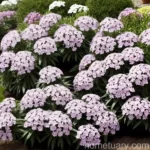
Phlox subulata, also known as Creeping Phlox, is a low-growing, carpet-forming perennial that belongs to the Polemoniaceae family. This species is native to North America and is particularly admired for its ability to cascade and spread, making it an excellent groundcover plant. The ‘Drummond’s Pink’ variety specifically showcases beautiful, star-shaped, vibrant pink flowers, which bloom generously in spring, creating a visually delightful display.
Let’s delve into the key takeaways about Phlox subulata ‘Drummond’s Pink’, including its culture, uses, and essential care requirements for optimal growth and development.
Key Takeaways – Phlox subulata ‘Drummond’s Pink’ (Creeping Phlox)
Culture
- Hardiness Zone: 3 – 8
- Mature Height: 4 – 6 inches
- Bloom Time: Spring
- Growth Habit: Spreading, cascading
- Lifespan: Perennial
Uses
- Groundcover: Excellent for covering bare ground and slopes
- Rock Gardens: Adds vibrant color and texture
- Borders and Edges: Defines garden beds beautifully
- Containers: Thrives in container gardening
Now, let’s explore the specific care requirements for this enchanting plant to thrive in a variety of gardening conditions.
Care Requirements for Phlox subulata ‘Drummond’s Pink’
The successful cultivation of Phlox subulata ‘Drummond’s Pink’ relies on understanding its specific water, sunlight, fertilizer, soil, and pruning needs. Let’s dissect each of these essential care aspects in detail to ensure the optimal health and growth of this stunning species.
Water
Creeping Phlox generally prefers slightly moist soil, especially during its active growth period. However, it is crucial to avoid overwatering, as consistently waterlogged soil can lead to root rot and other moisture-related issues. Once established, Phlox subulata exhibits good drought tolerance, making it a resilient choice for various garden settings.
- Watering Guidelines:
- Established Plants: Water deeply when the top inch of soil is dry, typically once a week.
- Newly Planted: Keep the soil consistently moist (not soggy) to aid in root establishment.
Sunlight
Ample sunlight is a crucial requirement for the lush blooming and healthy growth of Phlox subulata ‘Drummond’s Pink’. This species thrives in full sun to partial shade, with the ideal condition being at least 6 hours of direct sunlight per day. In regions with intense summer heat, providing some afternoon shade can be beneficial to prevent foliage scorching.
- Sunlight Recommendations:
- Full Sun: 6 – 8 hours of direct sunlight per day.
- Partial Shade: Protection from intense afternoon sun.
Fertilizer
Maintaining a well-balanced fertilizer regimen is essential for promoting vigorous growth and prolific flowering in Creeping Phlox. A slow-release, balanced fertilizer can provide the necessary nutrients for healthy development without promoting excessive foliage growth at the expense of flowers.
- Fertilization Tips:
- Timing: Apply a balanced fertilizer in early spring as new growth emerges.
- Frequency: Repeat application every 6 – 8 weeks during the growing season.
Soil
The soil quality plays a significant role in the overall health and performance of Phlox subulata ‘Drummond’s Pink’. Well-draining soil with a slightly acidic to neutral pH (6.0 – 7.0) is ideal for promoting robust root development and preventing waterlogged conditions that can compromise the plant’s health.
- Soil Requirements:
- Texture: Well-draining, loamy soil
- pH: Slightly acidic to neutral (6.0 – 7.0)
- Amendment: Incorporate organic matter for improved fertility and drainage.
Pruning
While Creeping Phlox typically requires minimal pruning, some light maintenance can help rejuvenate the plant, encourage a more compact growth habit, and promote a better flowering display in the following season. Pruning is primarily focused on deadheading spent flowers and shearing back excessive foliage if necessary.
- Pruning Techniques:
- Deadheading: Remove spent blooms to encourage further flowering.
- Shearing: Light shearing after blooming can stimulate new growth and maintain a tidy appearance.
Propagation
Propagating Phlox subulata ‘Drummond’s Pink’ is relatively straightforward and can be achieved through division or stem cuttings. Division is a common and effective method that allows the plant to multiply rapidly while maintaining its desirable characteristics.
- Propagation Methods:
- Division: Splitting mature plants in early spring or autumn.
- Stem Cuttings: Rooting non-flowering stem cuttings for new plant establishment.
Now that we’ve dissected the essential care requirements for Phlox subulata ‘Drummond’s Pink’, let’s explore its popularity, common diseases, and effective pest management strategies.
Popularity of Phlox subulata ‘Drummond’s Pink’
The ‘Drummond’s Pink’ variety of Phlox subulata has gained significant popularity among gardeners for several compelling reasons. Its vibrant pink flowers, combined with its adaptability as a groundcover and its low-maintenance nature, make it a sought-after addition to various landscape settings. Whether used in edging, rock gardens, or container plantings, ‘Drummond’s Pink’ Creeping Phlox brightens up outdoor spaces with its charming presence.
Furthermore, the plant’s hardiness and resilience in diverse climates have contributed to its widespread appeal, attracting both novice and seasoned gardeners eager to introduce a colorful and robust groundcover to their outdoor environments.
Common Diseases and Disease Diagnosis
Understanding the common diseases that can affect Phlox subulata is critical for implementing proactive measures to prevent and manage potential issues. While this species is generally robust and disease-resistant, it can still face certain fungal infections and foliar diseases under specific environmental conditions. Learning to diagnose and address these ailments promptly is crucial for maintaining the plant’s health and vigor.
Common Diseases
1. Powdery Mildew
- Symptoms: White powdery patches on leaves
- Causes: Humid and poorly ventilated conditions
- Prevention: Ensure proper spacing and good air circulation
- Treatment: Fungicidal sprays and improving airflow
2. Botrytis Blight
- Symptoms: Gray mold on flowers and foliage
- Causes: Prolonged wet conditions
- Prevention: Avoid overhead watering and improve drainage
- Treatment: Prune affected parts and apply fungicides if necessary
3. Root Rot
- Symptoms: Wilting, yellowing, and stunted growth
- Causes: Waterlogged soil
- Prevention: Ensure well-draining soil and avoid overwatering
- Treatment: Improve drainage and reduce watering frequency
Disease Diagnosis
Diagnosing plant diseases involves a keen observation of symptoms, coupled with an understanding of potential causal factors. Identifying the specific disease affecting Phlox subulata ‘Drummond’s Pink’ is crucial for implementing appropriate management strategies and preventing further spread.
- Symptom Observation: Note any changes in foliage color, texture, or presence of unusual growths.
- Environmental Assessment: Consider factors such as moisture levels, airflow, and overall plant health.
- Consultation: Seek guidance from local extension offices or plant health experts for accurate diagnosis and treatment recommendations.
By being vigilant and proactive in disease management, gardeners can ensure the continued vitality and beauty of Phlox subulata ‘Drummond’s Pink’ in their landscapes.
Now, let’s turn our attention to the potential pests that might pose a threat to this species and explore effective pest control measures.
Common Pests
While Phlox subulata ‘Drummond’s Pink’ is relatively resistant to pest infestations, some common garden pests may still target this species, particularly under certain environmental conditions. Understanding the potential pests and their impact on the plant is crucial for implementing preventive and remedial measures in a timely manner.
Common Pests
1. Spider Mites
- Identifying Signs: Fine webbing, stippling on leaves
- Preventive Measures: Regularly hose down foliage, maintain proper humidity levels
- Control Methods: Insecticidal soaps, predatory mites
2. Aphids
- Identifying Signs: Clusters of small, soft-bodied insects on new growth
- Preventive Measures: Encourage natural predators, maintain plant vigor
- Control Methods: Insecticidal soap, neem oil
3. Slugs and Snails
- Identifying Signs: Irregular holes on leaves, presence of slime trails
- Preventive Measures: Remove debris, provide barrier protection
- Control Methods: Beer traps, copper barriers, iron phosphate baits
Pest Management Techniques
Implementing integrated pest management (IPM) strategies can effectively control and mitigate pest infestations while minimizing the use of chemical interventions that might negatively impact beneficial organisms and the overall garden ecosystem.
- Monitoring: Regularly inspect the plants for early signs of pest presence.
- Cultural Controls: Maintain garden hygiene, remove debris, and encourage natural predators.
- Mechanical Controls: Handpick pests and use physical barriers to deter infestations.
- Biological Controls: Introduce natural enemies of pests, such as predatory insects.
Employing a combination of preventive, cultural, and targeted control measures ensures the sustainable protection of Phlox subulata ‘Drummond’s Pink’ against common garden pests.
Botanist’s Tips
As a plant scientist deeply passionate about the cultivation and conservation of diverse plant species, I am eager to share some valuable tips for successfully growing and caring for Phlox subulata ‘Drummond’s Pink’. These insights are based on years of hands-on experience and a profound understanding of the plant’s needs and behaviors.
Botanist’s Tips for Cultivating Phlox subulata ‘Drummond’s Pink’
1. Selecting the Right Location:
- Choose a well-drained, sunny spot for optimal growth and flowering.
- Prioritize airflow and circulation to prevent moisture-related issues.
2. Proper Watering Practices:
- Water the plant deeply and less frequently to encourage robust root establishment.
- Avoid overhead watering to minimize foliage wetness and potential disease susceptibility.
3. Maintenance Timing:
- Perform maintenance tasks such as deadheading and light pruning immediately after the flowering period.
- Plan division and propagation activities during the plant’s active growth phase for higher success rates.
4. Soil Enhancement:
- Incorporate organic matter into the soil during planting or transplanting to improve fertility and structure.
- Monitor soil moisture levels to prevent waterlogging, especially in heavy or clay soils.
5. Regular Observation:
- Engage in routine plant observation to detect early signs of pests, diseases, or nutrient deficiencies.
- Adjust care practices based on seasonal changes and the plant’s response to environmental factors.
Implementing these botanist-approved tips ensures the establishment of robust, thriving Phlox subulata ‘Drummond’s Pink’ specimens in various garden settings.
Fun Facts
Discovering the fascinating aspects and unique qualities of Phlox subulata ‘Drummond’s Pink’ adds an extra dimension of appreciation for this enchanting plant. Let’s explore some fun and intriguing facts about this captivating groundcover species.
Engaging Fun Facts about Phlox subulata ‘Drummond’s Pink’
1. Native Charm:
- The ‘Drummond’s Pink’ variety is native to North America, where it contributes to the ecological diversity and beauty of natural landscapes.
2. Butterfly Magnet:
- The vibrant pink flowers of Phlox subulata are irresistible to butterflies, contributing to the plant’s ecological role in supporting pollinators.
3. Rock Star:
- Creeping Phlox, including the ‘Drummond’s Pink’ variation, is a favorite for rock gardens due to its ability to cascade and spread, creating visually stunning displays.
4. Seasonal Allure:
- In addition to its vibrant spring blooms, Creeping Phlox exhibits attractive evergreen foliage, providing year-round interest in the garden.
5. Drought Tolerance:
- Once established, Phlox subulata showcases remarkable resilience in periods of low precipitation, making it an excellent choice for water-wise landscaping.
Uncovering these delightful facts about Phlox subulata ‘Drummond’s Pink’ enriches the gardening experience and deepens the admiration for this captivating plant.
Links to External Resources
To further expand your knowledge and explore additional insights into the care and cultivation of Phlox subulata ‘Drummond’s Pink’, I have curated a selection of valuable resources from reputable sources. These resources offer a wealth of information, from practical cultivation tips to in-depth botanical knowledge, allowing you to delve deeper into the world of this enchanting groundcover species.
External Resources
-
The American Phlox Society: Official website offering comprehensive information on Phlox species, including cultivation guidance and plant selection advice.
-
Missouri Botanical Garden – Phlox subulata : Detailed plant profile, including cultural requirements and best practices for growing Phlox subulata.
-
University of Illinois Extension – Creeping Phlox: Practical guidance on growing and maintaining Creeping Phlox, covering various aspects of its care and uses.
-
Royal Horticultural Society – Phlox: Comprehensive information on the genus Phlox, including specific guidance on cultivation, propagation, and pest management.
-
The Spruce – Growing Creeping Phlox: Insightful article offering detailed advice on growing Creeping Phlox, with an emphasis on its landscape uses and companion planting.
Conclusion
In this extensive guide, we have embarked on a journey to understand the captivating Phlox subulata ‘Drummond’s Pink’ in its full glory. From unraveling its essential care requirements to exploring its diverse uses in gardens and landscapes, we’ve gained a profound appreciation for the unique characteristics and adaptability of this charming groundcover species.
By integrating the botanist’s tips, understanding potential diseases and pests, and discovering the fun facts surrounding Phlox subulata ‘Drummond’s Pink’, we have not only expanded our horticultural knowledge but also developed a deeper connection to this remarkable plant. With the curated external resources, you can continue your exploration of Creeping Phlox and further refine your cultivation practices to ensure the continued health and beauty of this beloved species.
I hope this comprehensive guide serves as a valuable resource, inspiring you to embrace the allure of Phlox subulata ‘Drummond’s Pink’ and embark on a fulfilling journey of growing and nurturing this enchanting groundcover plant.
Happy gardening!