Plant Profile: Phlox paniculata ‘Red Riding Hood’ (Garden Phlox)
Phlox paniculata ‘Red Riding Hood’, commonly known as Garden Phlox, is a stunning perennial plant known for its eye-catching blooms and easy-care nature. In this comprehensive guide, we will delve into the various aspects of this beautiful cultivar, including its culture, uses, maintenance requirements, and much more. Whether you’re a seasoned gardener or just starting, this article will provide valuable insights into incorporating ‘Red Riding Hood’ Phlox into your garden landscape.
What is Phlox paniculata ‘Red Riding Hood’?
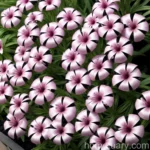
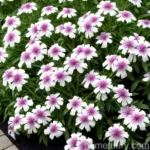
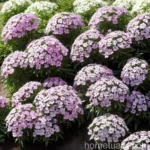
Phlox paniculata ‘Red Riding Hood’ is a cultivar of the Phlox paniculata species, which is part of the Polemoniaceae family. This herbaceous perennial is prized for its profusion of fragrant, star-shaped flowers that bloom in dense clusters atop sturdy, upright stems. The ‘Red Riding Hood’ variety is particularly admired for its vibrant, deep red flowers with contrasting dark centers, adding a pop of color to any garden setting.
Key Takeaways – Phlox paniculata ‘Red Riding Hood’
Before we delve into the specifics, here are the key takeaways when it comes to Phlox paniculata ‘Red Riding Hood’:
- Water: Consistent moisture is essential, particularly during the plant’s establishment and flowering periods.
- Sunlight: Requires full sun to partial shade for optimal growth and flowering.
- Fertilizer: Light fertilization in spring and early summer can promote healthy growth and abundant blooms.
- Soil: Well-draining, fertile soil is preferred, with a slightly acidic to neutral pH level.
- Pruning: Regular deadheading and occasional cutback after flowering can encourage prolonged blooming and tidy growth.
- Propagation: Easily propagated from cuttings or division, best performed in spring or early fall.
- Container Popularity: Well-suited for container gardening, provided the container allows for ample root space.
- Common Diseases: Shows susceptibility to powdery mildew, especially in humid conditions.
- Common Pests: Attracts occasional visits from spider mites and aphids.
- Fun Facts: ‘Red Riding Hood’ Phlox attracts butterflies and hummingbirds, adding a delightful touch to the garden.
Now, let’s explore each of these aspects in detail to gain a comprehensive understanding of caring for Phlox paniculata ‘Red Riding Hood’.
Culture
Uses
Phlox paniculata ‘Red Riding Hood’ serves as an excellent choice for various garden applications, including:
- Borders: The compact size and prolific blooming make it an ideal border plant, especially when planted in groups for maximum visual impact.
- Cut Flowers: The long stems and vibrant blooms of ‘Red Riding Hood’ Phlox make it a fantastic addition to fresh floral arrangements, adding a touch of elegance to indoor spaces.
- Pollinator Gardens: The flowers of this variety act as a magnet for butterflies and hummingbirds, contributing to the overall biodiversity of the garden.
- Containers: Its manageable size and stunning blooms make ‘Red Riding Hood’ Phlox a popular choice for container planting, adding a splash of color to patios, balconies, and other confined spaces.
Water
Adequate moisture is crucial for the health and vitality of Phlox paniculata ‘Red Riding Hood’. During the plant’s establishment phase, regular watering is essential to ensure that the roots adapt well to their new environment. Once established, maintaining consistent moisture levels, particularly during periods of heat or drought, is vital in promoting robust growth and continuous flowering.
- Water Requirements: Phlox paniculata ‘Red Riding Hood’ benefits from moderate to regular watering, aiming to keep the soil evenly moist but not waterlogged.
- Irrigation: In the absence of rainfall, providing about 1 inch of water per week, either through rainfall or supplemental irrigation, is ideal.
- Mulching: Applying a layer of organic mulch around the base of the plant can help retain moisture, regulate soil temperature, and reduce water evaporation, thereby promoting a healthy root system.
Sunlight
Proper sunlight exposure is a determining factor in the performance and blooming capacity of Phlox paniculata ‘Red Riding Hood’. Adequate sunlight is essential for robust growth, abundant flowering, and overall plant vigor.
- Sunlight Needs: ‘Red Riding Hood’ Phlox thrives in full sun to partial shade, with at least 4-6 hours of direct sunlight per day being optimal.
- Optimal Orientation: When planting in the garden, ensure that the site receives ample sunlight, particularly during the morning hours, to encourage sturdy growth and prolific blooming.
Fertilizer
While Phlox paniculata ‘Red Riding Hood’ isn’t overly demanding in terms of feeding, providing a light dose of fertilizer can support its overall health and flowering capacity.
- Fertilization Schedule: Apply a balanced, slow-release fertilizer in early spring as new growth emerges, ensuring that it is worked into the soil around the plant’s base.
- Frequency: For established plants, a second application of fertilizer in early summer can sustain healthy growth and flowering.
- Avoid Over-Fertilizing: Refrain from excessive fertilization, as this can lead to lush foliage at the expense of flower production, potentially making the plant more susceptible to disease and pest issues.
Soil
The soil composition and quality play a pivotal role in the successful cultivation of Phlox paniculata ‘Red Riding Hood’. Providing the right soil conditions can significantly impact the plant’s overall health, growth, and flowering potential.
- Soil Type: Well-draining, fertile soil is vital for ‘Red Riding Hood’ Phlox, with a loamy or sandy texture being ideal for fostering a healthy root system.
- Soil pH: The plant thrives in slightly acidic to neutral soil conditions, with a pH range of 6.0 to 7.0 being optimal for nutrient uptake and overall plant health.
- Soil Amendments: Incorporating organic matter such as compost or well-rotted manure during planting or as a top dressing can enhance soil fertility and structure, contributing to the plant’s vigor and resilience.
Pruning
Pruning and deadheading are essential tasks that help maintain the tidy appearance of Phlox paniculata ‘Red Riding Hood’ and encourage prolonged flowering. By removing spent flowers and occasionally cutting back the plant, gardeners can promote continuous blooming and prevent the development of seed heads, redirecting the plant’s energy towards new growth and flower production.
- Deadheading: Regularly remove faded flowers by snipping them off near the base of the stem, promoting the emergence of new flower clusters and enhancing the overall aesthetic appeal of the plant.
- Cutback: After the initial flowering period, consider trimming back a portion of the plant’s height by about one-third to encourage a second wave of blooms and maintain a compact, bushy form.
Propagation
The ease of propagation adds to the appeal of Phlox paniculata ‘Red Riding Hood’, allowing gardeners to create new plants from existing ones without much difficulty. Division and cuttings represent the primary methods for propagating this cultivar.
- Division: In early spring or early fall, carefully divide mature clumps of ‘Red Riding Hood’ Phlox, ensuring that each division contains healthy roots and shoots. Replant the divisions at the appropriate spacing, and provide adequate moisture to support their establishment.
- Cuttings: Softwood cuttings taken in late spring or early summer can be successfully rooted to produce new plants. Choose healthy, non-flowering stems, and ensure that the cuttings are kept consistently moist until they develop roots.
Container Popularity
Phlox paniculata ‘Red Riding Hood’ is well-suited for container gardening, adding a vibrant touch to outdoor spaces, patios, and balconies. When growing this cultivar in containers, certain considerations can contribute to its success and visual appeal.
- Container Size: Select a container that provides ample room for the plant’s root system to spread, choosing a size that accommodates both present and future growth.
- Drainage: Ensure that the container has adequate drainage holes to prevent waterlogging, which can lead to root rot and other moisture-related issues.
- Potting Mix: Use a well-draining, high-quality potting mix tailored for flowering perennials, ensuring that it provides a stable growing medium for the plant while allowing excess water to escape.
Common Diseases
Phlox paniculata ‘Red Riding Hood’ exhibits susceptibility to certain diseases, with powdery mildew being one of the primary concerns, particularly in humid or crowded growing conditions.
Disease Diagnosis
Identifying potential diseases early on is crucial in implementing the necessary measures to control and mitigate their impact on the plant’s health.
- Powdery Mildew: Look for the development of powdery, white patches on the plant’s leaves and stems, often accompanied by distorted growth and reduced flowering. Proper air circulation and moisture management are key in preventing and addressing this issue.
Common Pests
While ‘Red Riding Hood’ Phlox is relatively resistant to pest infestations, occasional visits from certain pests can occur, requiring vigilant monitoring and timely intervention.
- Spider Mites: These tiny pests can cause stippling and webbing on the plant’s foliage, particularly in hot and dry conditions. Regularly misting the plant, promoting natural predators, and using insecticidal sprays can help manage spider mite populations.
- Aphids: Keep an eye out for clusters of soft-bodied, sap-sucking aphids on the plant, particularly on new growth. Using a strong blast of water or insecticidal soap can effectively reduce aphid numbers and prevent damage to the plant.
Botanist’s Tips
For successful cultivation and enjoyment of Phlox paniculata ‘Red Riding Hood’, consider implementing the following expert tips:
- Air Circulation: Ensure that the planting site, whether in the garden or a container, provides adequate air circulation to reduce the risk of disease development, particularly powdery mildew.
- Regular Monitoring: Regularly inspect the plant for signs of disease, pest activity, and overall growth progress, addressing any issues promptly and effectively.
- Mulching Benefits: Apply a layer of organic mulch around the base of the plant to conserve moisture, suppress weed growth, and improve soil structure, all of which support the plant’s health and performance.
Fun Facts
Here are some engaging and noteworthy facts about Phlox paniculata ‘Red Riding Hood’:
- Attracts Pollinators: The vibrant blooms of ‘Red Riding Hood’ Phlox act as a magnet for butterflies and hummingbirds, contributing to the garden’s ecosystem and visual appeal.
- Container Gardening: Its compact nature and striking flowers make it a favored choice for container gardening, offering versatility and a burst of color in confined spaces.
- Native Habitat: The species Phlox paniculata is native to North America, thriving in open woodlands, moist meadows, and other natural habitats.
Links to External Resources
For further information on Phlox paniculata ‘Red Riding Hood’ and related topics, consider exploring the following external resources:
- The Spruce – How to Grow and Care for Phlox
- Royal Horticultural Society – Phlox
- University of Vermont – Growing Phlox
- Missouri Botanical Garden – Phlox paniculata ‘Red Riding Hood’
Conclusion
Phlox paniculata ‘Red Riding Hood’ stands out as a captivating and versatile plant, offering vibrant blooms, ease of care, and a range of uses in garden landscapes. Its resilience, attractive flowers, and ability to attract pollinators make it a valuable addition to both formal and informal garden settings. By understanding its culture, maintenance requirements, and unique characteristics, gardeners can cultivate and enjoy the beauty of ‘Red Riding Hood’ Phlox while creating vibrant and biodiverse outdoor spaces.
Through this comprehensive guide, we have explored the various facets of Phlox paniculata ‘Red Riding Hood’, equipping enthusiasts with the knowledge and insights needed for successful cultivation and appreciation of this exceptional garden phlox variety.