Pyrus Pyrifolia ‘Nijisseiki’ (Asian Pear)
Pyrus pyrifolia ‘Nijisseiki’, commonly known as Asian Pear, is a widely cultivated fruit tree known for its delicious fruit and ornamental value. As a.
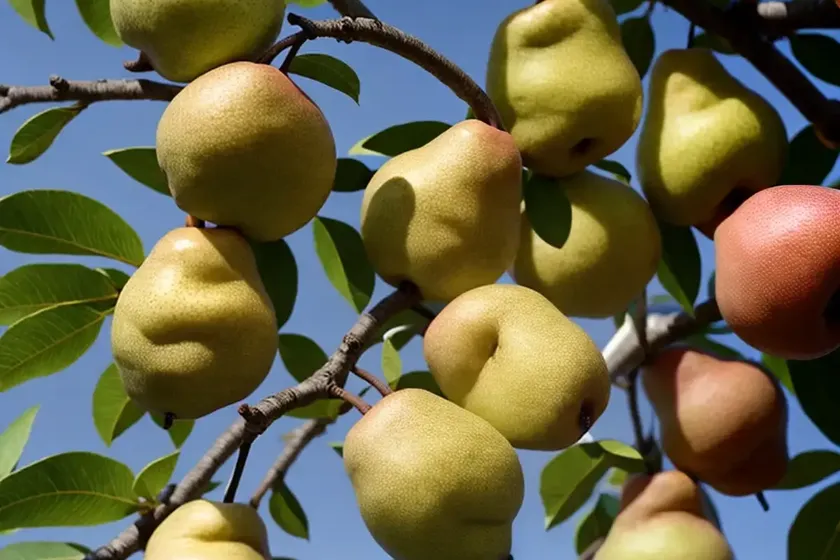
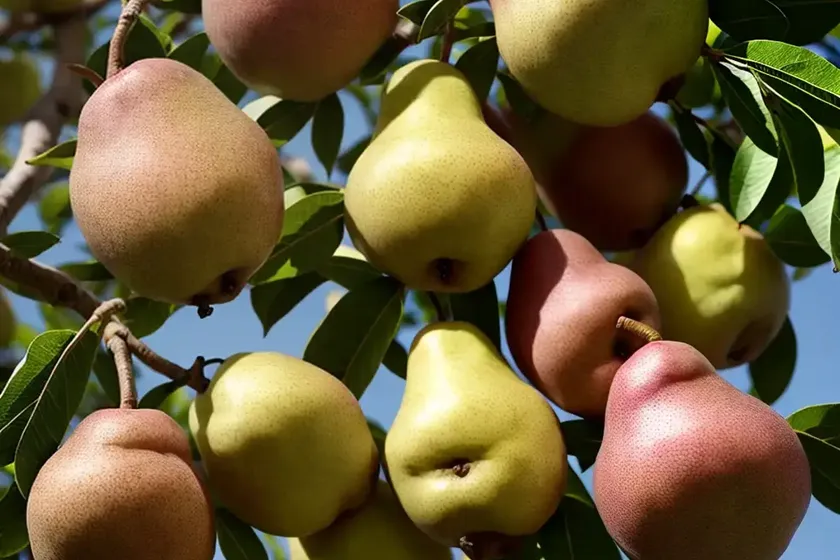
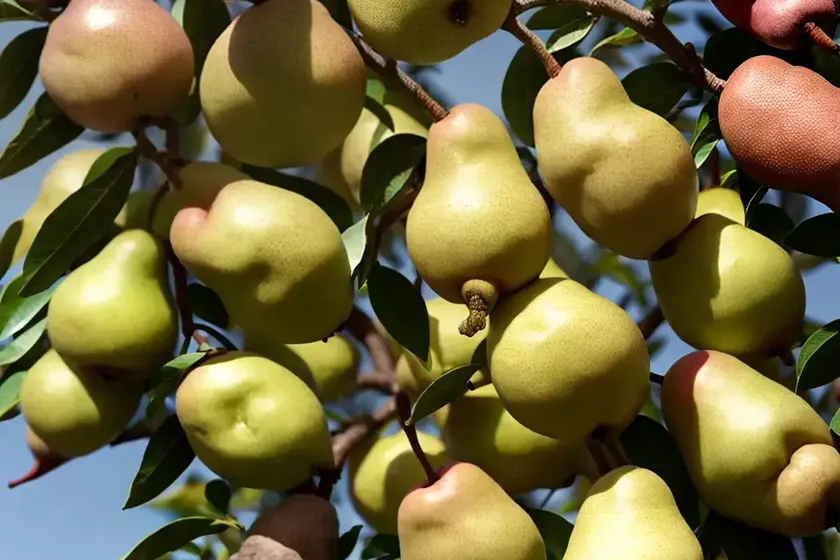
Pyrus pyrifolia ‘Nijisseiki’, commonly known as Asian Pear, is a widely cultivated fruit tree known for its delicious fruit and ornamental value. As a plant scientist and horticulturist, I am excited to share insights into the cultivation, care, and maintenance of this remarkable plant. In this article, we will explore the cultural requirements, uses, propagation methods, common diseases, and other essential aspects of Pyrus pyrifolia ‘Nijisseiki’, providing you with a comprehensive understanding of this beloved species.
What is Pyrus pyrifolia ‘Nijisseiki’ (Asian Pear)?
Pyrus pyrifolia ‘Nijisseiki’ is a species of pear native to East Asia, including China, Japan, and Korea. It is a deciduous tree that belongs to the Rosaceae family. The Asian Pear is known for its crisp, juicy fruit that is often described as a cross between an apple and a pear, with a unique sweetness and refreshing taste. The ‘Nijisseiki’ variety is particularly prized for its excellent fruit quality and productivity.
The tree itself is also valued for its ornamental appeal, featuring delicate white flowers in spring and attractive foliage that transitions into beautiful autumn colors. With the right care and attention, Pyrus pyrifolia ‘Nijisseiki’ can thrive in home gardens, orchards, and urban landscapes, providing a bountiful harvest and aesthetic charm.
Key Takeaways – Pyrus pyrifolia ‘Nijisseiki’
Before delving into the intricacies of cultivating and caring for Pyrus pyrifolia ‘Nijisseiki’, let’s take a quick look at the key takeaways, summarizing the essential aspects of this plant:
- Cultivation: Understanding the optimal conditions for growing Asian Pear trees, including soil, sunlight, and water requirements.
- Uses: Exploring the versatile uses of Pyrus pyrifolia ‘Nijisseiki’, from its delectable fruit to its potential ornamental value.
- Propagation: Learning about the methods for propagating Asian Pear trees, enabling the expansion of your orchard or garden.
- Common Diseases and Pests: Identifying potential threats to the health of Pyrus pyrifolia ‘Nijisseiki’ and strategies for disease and pest management.
- Botanist’s Tips: Gaining insights and expert advice on maximizing the health and productivity of Asian Pear trees.
Now, let’s delve into each of these aspects in detail, offering comprehensive guidance on the cultivation and care of Pyrus pyrifolia ‘Nijisseiki’.
Culture
Water
Water is a crucial element in the successful cultivation of Pyrus pyrifolia ‘Nijisseiki’. Adequate and consistent moisture levels are essential, especially during the growing season and fruit development. However, it’s important to note that excessive moisture can lead to root rot and other detrimental conditions. A well-draining soil that retains moisture without becoming waterlogged is ideal for the healthy growth of Asian Pear trees.
- Watering Requirements: The frequency of watering will depend on factors such as local climate, soil type, and tree age. Generally, young trees require more frequent watering, while established trees may only need supplemental irrigation during dry periods. It’s essential to monitor the moisture levels in the soil and adjust your watering schedule accordingly.
Sunlight
Like many fruit-bearing trees, Pyrus pyrifolia ‘Nijisseiki’ thrives in full sunlight. When selecting a location for planting your Asian Pear tree, prioritize areas that receive ample sunlight throughout the day. A minimum of 6-8 hours of direct sunlight is recommended for robust growth and fruit production. Insufficient sunlight can result in poor fruit development and overall tree vigor.
- Sunlight Needs: Carefully assess the sun exposure in your garden or orchard to identify the ideal spot for planting. Avoid shaded areas or locations with significant obstruction from buildings or other structures.
Soil
The soil quality and composition play a vital role in the health and productivity of Pyrus pyrifolia ‘Nijisseiki’. Well-drained, loamy soil with a slightly acidic to neutral pH (around 6.0 to 7.0) is considered optimal for Asian Pear trees. Ensure that the soil is rich in organic matter and capable of retaining moisture without becoming waterlogged.
- Best Soil for Pyrus pyrifolia ‘Nijisseiki: Conduct a soil test to assess the pH and nutrient levels in the planting area. Amend the soil as needed to create a hospitable environment for the tree’s root development and overall well-being.
Fertilizer
Appropriate fertilization is essential for promoting the growth and fruiting of Pyrus pyrifolia ‘Nijisseiki’. A balanced fertilizer with a ratio such as 10-10-10 or 8-8-8 can provide the necessary nutrients for the tree’s development. It’s advisable to apply fertilizer in early spring before new growth emerges and again in late spring or early summer to support fruit development.
- Fertilization Schedule: Follow the manufacturer’s recommendations for the application of fertilizer, and refrain from over-fertilizing, as excessive nutrients can lead to imbalanced growth and potential issues with fruit quality.
Pruning
Pruning is a critical aspect of maintaining the health, shape, and productivity of Pyrus pyrifolia ‘Nijisseiki’. Proper pruning helps to manage the tree’s size, shape, and canopy density while promoting air circulation and light penetration. In addition, pruning aids in the removal of dead, damaged, or diseased wood, contributing to overall tree vigor.
- Pruning Tips: Perform pruning during the dormant season, typically in late winter or early spring before the onset of new growth. Focus on removing crowded or crossing branches, as well as any suckers arising from the tree’s base. It’s essential to use sharp, clean pruning tools to minimize damage and promote rapid healing of the pruning wounds.
Propagation
The propagation of Pyrus pyrifolia ‘Nijisseiki’ can be achieved through various methods, including grafting, budding, and hardwood cuttings. Grafting onto compatible rootstocks is a common practice in commercial orchards and nurseries, facilitating the production of genetically identical trees with desired traits. Budding, particularly T-budding, is another effective means of propagating Asian Pear trees.
- Propagation Techniques: If you are interested in propagating Asian Pear trees, it’s advisable to seek guidance from experienced horticulturists or extension resources to learn the specific techniques and timing for successful propagation.
Container Popularity
While Pyrus pyrifolia ‘Nijisseiki’ is commonly grown in orchards and larger landscapes, it is also suitable for container cultivation. The compact size of certain dwarf or semi-dwarf varieties makes them well-suited for growing in containers, allowing individuals with limited space to enjoy the beauty and bounty of Asian Pear trees.
- Container Cultivation: Select a large container with adequate drainage holes and fill it with a well-draining potting mix. Regular monitoring of moisture levels and fertility is crucial for container-grown Asian Pear trees.
Common Diseases
Disease Diagnosis
Asian Pear trees are susceptible to various fungal, bacterial, and viral diseases that can impact their health and fruit production. Common diseases that may affect Pyrus pyrifolia ‘Nijisseiki’ include fire blight, pear scab, and powdery mildew. It’s essential for growers to be able to identify the symptoms of these diseases and take proactive measures to mitigate their impact.
- Symptoms and Diagnosis: Familiarize yourself with the characteristic symptoms of common diseases affecting Asian Pear trees. Discolored or damaged foliage, cankers on branches, and lesions on fruit are indicative of potential disease issues.
Disease Management
Implementing integrated pest management (IPM) practices is crucial for effectively managing diseases in Pyrus pyrifolia ‘Nijisseiki’. This approach involves combining preventive measures, cultural practices, and, if necessary, targeted treatments to minimize the incidence and spread of diseases in the orchard or garden.
- Preventive Measures: Practices such as regular sanitation, proper pruning, and promoting good air circulation can help reduce the risk of disease development. Additionally, selecting disease-resistant varieties and avoiding excessive moisture can contribute to disease management.
Common Pests
Asian Pear trees may also be affected by various insect pests, including aphids, scale insects, and pear psylla. Monitoring the trees for signs of pest infestation and implementing appropriate control measures are essential for preserving the health and vitality of Pyrus pyrifolia ‘Nijisseiki’.
- Pest Monitoring: Regularly inspect the foliage, stems, and fruit for the presence of pests or their characteristic damage. Early detection enables prompt intervention and minimizes the potential impact of pest infestations.
Botanist’s Tips
As a plant scientist with a passion for horticulture, I offer the following botanist’s tips for cultivating and caring for Pyrus pyrifolia ‘Nijisseiki’:
- Soil Preparation: Invest time and effort in preparing the planting site for Asian Pear trees, ensuring that the soil is well-drained, fertile, and free from potential contaminants.
- Routine Maintenance: Establish a regular maintenance routine that includes watering, fertilization, pruning, and pest/disease monitoring. Consistent care is key to the long-term health and productivity of the trees.
- Varietal Selection: Consider the specific traits and characteristics of different Asian Pear varieties when planning your orchard or garden. Selecting suitable varieties based on climate, space, and desired fruit qualities is essential for success.
- Seasonal Awareness: Be attuned to the seasonal cycles and requirements of Pyrus pyrifolia ‘Nijisseiki’. Adjust your care practices and interventions based on the tree’s developmental stages and environmental conditions.
Fun Facts
As enthusiasts of botanical wonders, it’s always delightful to uncover intriguing and captivating facts about the plants we cherish. Here are some fun facts about Pyrus pyrifolia ‘Nijisseiki’:
- Longevity: Given the right conditions and care, Asian Pear trees can live for several decades, providing an enduring source of beauty and bounty.
- Ornamental Appeal: Beyond its delectable fruit, the Asian Pear tree’s blossoms and foliage contribute to its ornamental value, making it a versatile addition to diverse landscapes.
- Cultural Significance: Asian Pears hold cultural significance in various East Asian traditions, featuring in cuisine, art, and folklore as a symbol of abundance and vitality.
Links to External Resources
For further exploration of Pyrus pyrifolia ‘Nijisseiki’ and related topics, I recommend the following external resources:
- Asian Pear Varieties – The Spruce
- Growing Asian Pears – University of California Division of Agriculture and Natural Resources
- Disease Management in Pears – Penn State Extension
These resources offer valuable insights, practical guidance, and expert recommendations for enhancing your understanding and proficiency in cultivating Pyrus pyrifolia ‘Nijisseiki’ and navigating the broader realm of fruit tree horticulture.
In conclusion, Pyrus pyrifolia ‘Nijisseiki’, the Asian Pear, represents a captivating and rewarding addition to orchards, gardens, and landscapes. By embracing the cultivation practices, care considerations, and botanist’s tips shared in this guide, you can embark on a journey of nurturing these remarkable trees and savoring the abundance they offer.
As you delve into the world of Asian Pear cultivation, may you find joy in the seasonal rhythms, the beauty of blossoms, and the succulence of harvests that Pyrus pyrifolia ‘Nijisseiki’ brings into your horticultural realm. Happy growing!
Keywords: Pyrus pyrifolia ‘Nijisseiki’ cultivation, Asian Pear tree care, Pyrus pyrifolia ‘Nijisseiki’ pruning tips, Maintaining Pyrus pyrifolia ‘Nijisseiki’ tree, Asian Pear varieties, Pyrus pyrifolia ‘Nijisseiki’ diseases, Growing Asian Pear trees, Pyrus pyrifolia ‘Nijisseiki’ pollination, Best soil for Pyrus pyrifolia ‘Nijisseiki’, Asian Pear tree maintenance, Pyrus pyrifolia ‘Nijisseiki’ fruit characteristics, Propagating Pyrus pyrifolia ‘Nijisseiki’, Asian Pear tree pests, Pyrus pyrifolia ‘Nijisseiki’ planting guide, Asian Pear tree pruning, Pyrus pyrifolia ‘Nijisseiki’ watering requirements, Asian Pear tree fertilization, Pyrus pyrifolia ‘Nijisseiki’ harvest season, Asian Pear tree diseases and prevention, Pyrus pyrifolia ‘Nijisseiki’ companion plants, Growing Asian Pear in containers, Pyrus pyrifolia ‘Nijisseiki’ sunlight needs, Asian Pear tree rootstock selection, Pyrus pyrifolia ‘Nijisseiki’ fruit ripening process, Asian Pear tree spacing, Pyrus pyrifolia ‘Nijisseiki’ fruit storage tips, Asian Pear tree flowering period, Pyrus pyrifolia ‘Nijisseiki’ cold hardiness, Asian Pear tree training techniques, Pyrus pyrifolia ‘Nijisseiki’ mulching benefits, Asian Pear tree companion planting, Pyrus pyrifolia ‘Nijisseiki’ insect control, Asian Pear tree disease management, Pyrus pyrifolia ‘Nijisseiki’ nutrition requirements, Asian Pear tree summer pruning, Pyrus pyrifolia ‘Nijisseiki’ fruit quality factors, Asian Pear tree root development, Pyrus pyrifolia ‘Nijisseiki’ winter care, Asian Pear tree proper watering techniques, Pyrus pyrifolia ‘Nijisseiki’ soil pH tolerance, Asian Pear tree fruit thinning, Pyrus pyrifolia ‘Nijisseiki’ sunlight exposure, Asian Pear tree common problems, Pyrus pyrifolia ‘Nijisseiki’ tree lifespan, Asian Pear tree pruning season, Pyrus pyrifolia ‘Nijisseiki’ fruit flavor profile, Asian Pear tree dwarf varieties, Pyrus pyrifolia ‘Nijisseiki’ disease resistance, Asian Pear tree blossom stage, Pyrus pyrifolia ‘Nijisseiki’ tree height and width


