Phlox Subulata ‘Blue Emerald’ (Creeping Phlox)
Phlox subulata, commonly known as creeping phlox, is a low-growing perennial that produces a stunning carpet of flowers. Among its many cultivars, the.
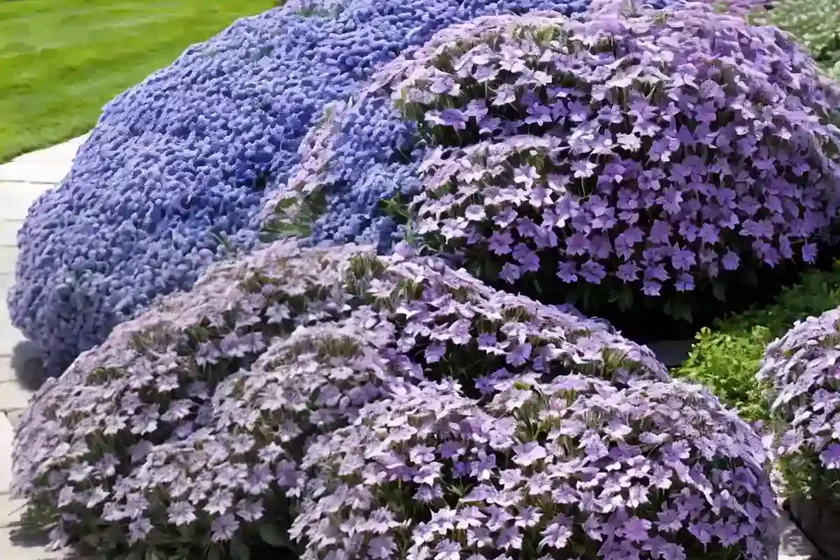
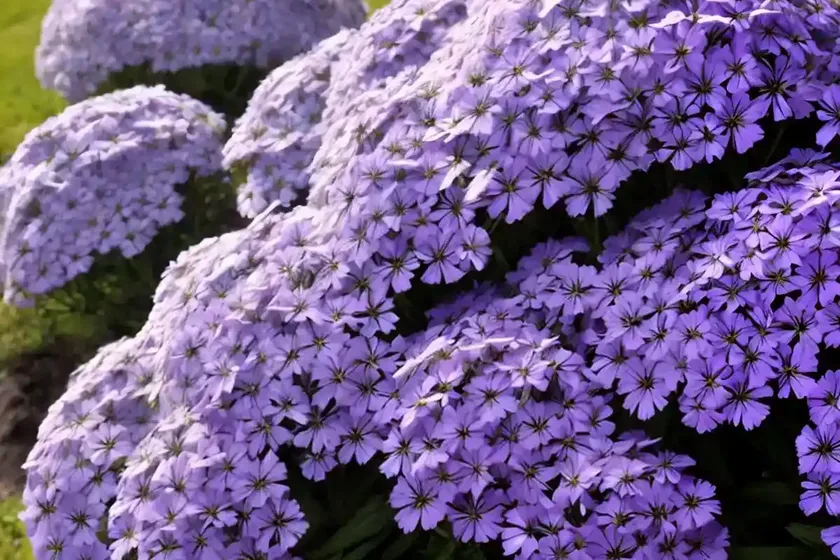
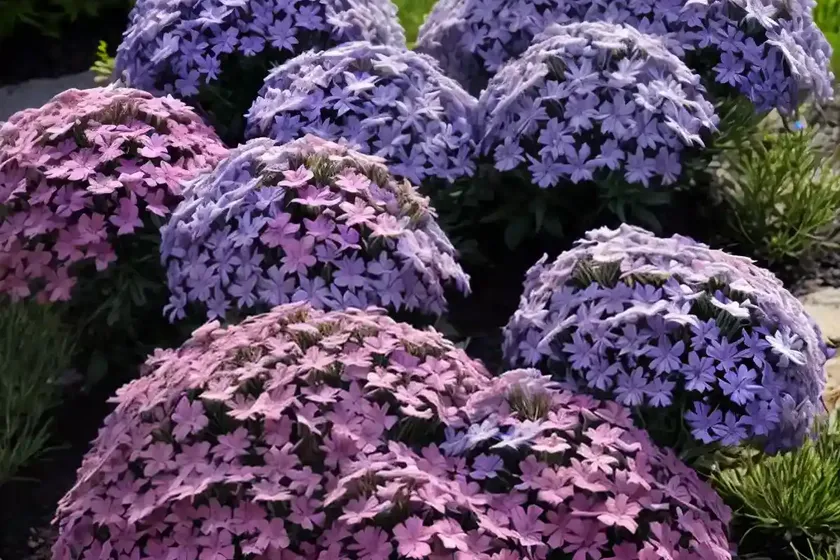
Phlox subulata, commonly known as creeping phlox, is a low-growing perennial that produces a stunning carpet of flowers. Among its many cultivars, the ‘Blue Emerald’ variety stands out for its vibrant blue blooms and exceptional characteristics. In this comprehensive guide, we will delve into the enchanting world of Phlox subulata ‘Blue Emerald’, exploring its cultivation, care, and unique features.
What is Phlox subulata ‘Blue Emerald’?
Phlox subulata ‘Blue Emerald’, a member of the Polemoniaceae family, is a perennial plant native to the eastern and central regions of the United States. It is adorned with small, star-shaped flowers that create a mesmerizing display of color during the spring months, making it a favored choice for gardeners seeking a vibrant ground cover.
Phlox subulata ‘Blue Emerald’ is cherished for its ability to form dense mats of foliage, creating a lush carpet of greenery accentuated by its profusion of delicate blossoms. This cultivar is particularly valued for its unique blue flowers, which add a captivating allure to garden landscapes. Its exceptional hardiness and resilience make it a popular choice for both amateur and seasoned gardeners.
Key Takeaways: Phlox subulata ‘Blue Emerald’
Before delving into the specifics of cultivating and caring for Phlox subulata ‘Blue Emerald’, let’s summarize the key takeaways regarding this enchanting plant:
- Scientific Name: Phlox subulata ‘Blue Emerald’
- Family: Polemoniaceae
- Common Name: Creeping Phlox
- Notable Feature: Profusion of vibrant blue flowers
- Growth Habit: Low-growing, mat-forming perennial
- Hardiness: Suitable for USDA hardiness zones 3-9
- Versatility: Ideal for ground cover, borders, and rock gardens
Phlox subulata ‘Blue Emerald’ is renowned for its exceptional growth habit, adaptability, and captivating aesthetics, making it a cherished addition to diverse garden settings.
Cultivation of Phlox subulata ‘Blue Emerald’
Water
Phlox subulata ‘Blue Emerald’ is relatively low-maintenance in terms of water requirements. While it prefers moderate moisture levels, it is essential to ensure well-draining soil to prevent waterlogging, particularly in regions with high precipitation. Adequate soil moisture is crucial during the plant’s establishment phase and periods of prolonged drought.
Established plants generally showcase good drought tolerance, making them suitable for xeriscaping and water-wise gardening practices. However, during dry spells, providing supplemental watering can help maintain the plant’s vigor and blooming performance.
Sunlight
In terms of sunlight, Phlox subulata ‘Blue Emerald’ thrives in full sun to partial shade conditions. It exhibits the best flowering display when exposed to ample sunlight, which stimulates robust growth and the development of an abundance of blooms. In regions with intense summer heat, providing some afternoon shade can help prevent potential stress on the plant.
Soil
The soil requirements for Phlox subulata ‘Blue Emerald’ are relatively straightforward. It flourishes in well-drained, fertile soil with a slightly acidic to neutral pH range. Additionally, the soil should be rich in organic matter, providing a supportive environment for the plant’s root development and overall vigor.
Prior to planting, amending the soil with organic compost or peat moss can enhance its texture and fertility, facilitating the establishment of healthy, flourishing plants. Additionally, incorporating a layer of mulch around the plants can help conserve soil moisture and suppress weed growth.
Pruning and Maintenance of Phlox subulata ‘Blue Emerald’
Pruning
Pruning plays a vital role in maintaining the attractive appearance and vigor of Phlox subulata ‘Blue Emerald’. Deadheading, the process of removing spent blooms, promotes continuous flowering and prevents the formation of seed heads, directing the plant’s energy towards further growth and blooming.
In early spring, trimming the plant to remove any damaged or weak growth can stimulate the development of strong, healthy foliage. Additionally, light shearing after the initial bloom period can encourage a second wave of blooms, extending the plant’s flowering season.
Propagation
Propagation of Phlox subulata ‘Blue Emerald’ can be accomplished through several methods, including division, stem cuttings, and seed sowing. Division is a popular technique that involves separating mature clumps into smaller sections, each containing viable roots and foliage. This process is typically carried out during the early spring or fall seasons.
Stem cuttings present another effective means of propagation, allowing gardeners to produce genetically identical offspring. Selecting healthy, non-flowering shoots and rooting them in a suitable growing medium can yield new plants with characteristics identical to the parent.
Uses of Phlox subulata ‘Blue Emerald’
Container Gardening
The compact growth habit and vibrant blooms of Phlox subulata ‘Blue Emerald’ make it an excellent choice for container gardening. When planted in large, shallow containers, it serves as a striking centerpiece, cascading over the edges and infusing the display with a burst of color. Its adaptability to container growth enables it to adorn patios, balconies, and other outdoor spaces, adding a touch of natural beauty to urban and suburban environments.
Ground Cover
One of the primary uses of Phlox subulata ‘Blue Emerald’ is as a ground cover plant. Its prostrate growth habit allows it to spread vigorously, forming a dense mat of foliage that suppresses weed growth and stabilizes soil. Whether utilized on slopes, in rock gardens, or as an edging plant, its ability to create a visually captivating carpet of color makes it an invaluable addition to landscape designs.
Borders and Edging
The enchanting flowering display and low-growing nature of Phlox subulata ‘Blue Emerald’ make it an ideal candidate for border and edging plantings. It delineates garden beds with its vibrant hues, infusing them with a sense of vibrancy and cohesion. Its cascading growth habit softens the edges of pathways and garden borders, creating a seamless transition between the cultivated landscape and natural surroundings.
Rock Gardens
Rock gardens benefit greatly from the inclusion of Phlox subulata ‘Blue Emerald’, as its prostrate growth habit enables it to weave through crevices and over rocky outcrops. The contrast between the rugged, mineral backdrop and the delicate, colorful blooms of the phlox creates a visually arresting display. Its adaptability to a variety of soil conditions and its ability to thrive in the limited spaces between rocks make it an invaluable addition to rock garden compositions.
Common Diseases and Pest Control
Diseases
Phlox subulata ‘Blue Emerald’ is generally resilient to most diseases, particularly when provided with optimal growing conditions and proper cultural care. However, it can be susceptible to certain fungal infections, including powdery mildew and root rot, especially in instances of prolonged moisture and poor air circulation.
Pest Control
The most common pests that may afflict Phlox subulata ‘Blue Emerald’ include spider mites, aphids, and whiteflies. Regular monitoring of the plant’s foliage for the presence of pests and promptly addressing any infestations are crucial for maintaining its health and vitality. Natural predators, such as ladybugs and lacewings, can aid in controlling pest populations, reducing the need for chemical intervention.
Botanist’s Tips for Growing Phlox subulata ‘Blue Emerald’
-
Selecting the Right Location: When choosing a site to plant Phlox subulata ‘Blue Emerald’, opt for an area with well-drained soil and ample sunlight to promote robust growth and flowering.
-
Adequate Spacing: Allow sufficient spacing between individual plants to accommodate their spreading growth habit, preventing overcrowding and competition for resources.
-
Moderate Fertilization: Limit the use of high-nitrogen fertilizers, as excessive nitrogen can promote lush foliage at the expense of blooming. Instead, opt for a balanced or low-nitrogen fertilizer to support overall plant health.
-
Air Circulation: Ensure proper air circulation around the plants to minimize the risk of fungal diseases and promote general vitality. Avoid overcrowding and provide adequate spacing between neighboring plants.
-
Regular Monitoring: Periodically assess the plants for signs of pests, diseases, or nutrient deficiencies, intervening promptly to address any issues that may arise.
Fun Facts about Phlox subulata ‘Blue Emerald’
-
In addition to its ornamental value, Phlox subulata ‘Blue Emerald’ possesses aromatic foliage, emitting a subtle, pleasant fragrance when brushed against or crushed.
-
This cultivar is a favorite among pollinators, attracting bees, butterflies, and other beneficial insects, contributing to the vibrancy and ecological richness of garden ecosystems.
-
Phlox subulata ‘Blue Emerald’ is well-regarded for its adaptability to various soil types, including rocky and sandy substrates, demonstrating its versatility in challenging growing conditions.
-
The striking blue coloration of its flowers sets Phlox subulata ‘Blue Emerald’ apart from other cultivars, creating a visually captivating spectacle in garden settings.
Links to External Resources
For further exploration of Phlox subulata ‘Blue Emerald’ and related topics, consider visiting the following resources:
-
The American Phlox Society: A valuable source of information on phlox species, cultivars, and cultural practices.
-
Royal Horticultural Society: Providing comprehensive insights on gardening, plant care, and horticultural topics.
-
Missouri Botanical Garden: A renowned botanical institution offering educational resources and plant databases.
-
University Extension Services: Explore the extension services provided by universities for in-depth horticultural information and advice.
-
Plant Delights Nursery: An esteemed nursery specializing in rare and unique plant varieties, including phlox selections.
In conclusion, Phlox subulata ‘Blue Emerald’ stands as a testament to the botanical splendor and versatility of creeping phlox cultivars. Its captivating flowers, resilience, and adaptability make it a treasured addition to gardens, where it flourishes as a ground cover, border plant, and container specimen. By understanding its specific cultural requirements and unique attributes, gardeners can fully harness the enchanting allure of Phlox subulata ‘Blue Emerald’ in their own horticultural endeavors.
In this detailed guide, we’ve unveiled the captivating charm of Phlox subulata ‘Blue Emerald’, offering insights into its cultivation, care, and versatile applications in garden landscapes. Whether embracing it as a ground cover, border plant, or container specimen, this remarkable cultivar demonstrates the enduring allure of creeping phlox in horticultural settings.


