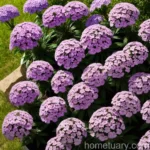
Phlox pilosa (Prairie Phlox)
Phlox pilosa, commonly known as Prairie Phlox, is a beautiful perennial wildflower native to North America. This delightful plant is a favorite among gardeners due to its vibrant blooms and low-maintenance nature. In this comprehensive guide, we will explore the key characteristics of Phlox pilosa, its preferred growing conditions, and essential tips for cultivation. Whether you are a seasoned gardener or a novice enthusiast, this article aims to provide valuable insights into the world of Prairie Phlox.
What is Phlox pilosa?
Phlox pilosa, a member of the Polemoniaceae family, is a herbaceous perennial that can be found gracing the prairies, meadows, and open woodlands of North America. It is known for its delicate clusters of star-shaped flowers in various shades of pink, lavender, and white, which bloom from late spring to early summer. The species is highly valued for its ornamental appeal and its role in supporting local ecosystems as a nectar and pollen source for bees, butterflies, and other pollinators.
Key Takeaways – Phlox pilosa (Prairie Phlox)
Before delving into the specific aspects of Prairie Phlox, let’s highlight some key takeaways about this enchanting plant:
- Scientific Name: Phlox pilosa
- Common Name: Prairie Phlox
- Family: Polemoniaceae
- Habitat: Native to North America
- Flowering Season: Late spring to early summer
- Flower Colors: Pink, lavender, white
- Ecological Importance: Supports pollinators and local biodiversity
- Cultivation: Popular in perennial gardens and naturalized settings
- Maintenance: Low-maintenance once established
- Special Features: Attractive to pollinators, easy to grow
Now that we have a glimpse of the essential details, let’s delve into the specific aspects of Phlox pilosa, including its culture, uses, and maintenance requirements.
Culture
Understanding the cultural requirements of Phlox pilosa is crucial for successfully cultivating this species in home gardens or naturalized landscapes. From soil preferences to pruning techniques, each aspect contributes to the overall health and vitality of Prairie Phlox.
Uses
Before delving into the specific aspects of Prairie Phlox, let’s highlight some key takeaways about this enchanting plant:
- Ornamental Planting: Known for its attractive blooms, Phlox pilosa is commonly used in perennial beds, borders, and naturalistic garden settings.
- Wildlife Habitat: As a nectar and pollen source, Prairie Phlox plays a vital role in supporting local pollinators, making it a valuable addition to wildlife-friendly gardens.
- Erosion Control: With its spreading habit and dense foliage, Phlox pilosa can be utilized for erosion control on slopes and embankments, providing both aesthetic and practical benefits.
The versatile uses of Prairie Phlox make it a cherished plant for gardeners with diverse landscaping goals.
Water
One of the fundamental aspects of Phlox pilosa care involves understanding its water requirements. While this plant exhibits some level of drought tolerance once established, adequate moisture is essential, especially during the establishment period and in prolonged dry spells.
Below are key points to consider regarding the watering needs of Prairie Phlox:
- Establishment Phase: Newly planted specimens benefit from regular watering to encourage root development and overall establishment. Adequate moisture during the first growing season is crucial for the plant’s long-term success.
- Mature Plants: Once established, Prairie Phlox demonstrates moderate drought tolerance. However, during extended dry periods, providing supplementary water can prevent stress and maintain vibrant foliage and blooms.
- Watering Practices: When watering Phlox pilosa, it is essential to apply water at the base of the plants to minimize moisture on the foliage, which can contribute to disease development. Additionally, consistent moisture is key, especially during flowering and seed set periods.
By carefully managing the water regimen for Prairie Phlox, gardeners can ensure healthy and robust growth throughout the growing season.
Sunlight
Proper sunlight exposure is vital for the growth and flowering of Phlox pilosa. This species thrives in sunny to partially shaded locations, particularly in regions with cool, well-drained soils.
Here are essential considerations regarding the sunlight requirements of Prairie Phlox:
- Optimal Light: Prairie Phlox flourishes in full sun to partial shade. Ideally, it should receive at least 6 hours of direct sunlight daily for abundant flowering and sturdy, compact growth.
- Shade Tolerance: While requiring sunlight for blooming, Phlox pilosa can tolerate partial shade, especially in warmer climates where some respite from intense afternoon sun may be beneficial.
- Soil Temperature: In regions with hot summer climates, providing some afternoon shade can help to regulate soil temperatures and minimize stress on the plant.
Understanding the sunlight preferences of Prairie Phlox is essential for selecting suitable planting locations and ensuring its overall health and vigor.
Fertilizer
Proper fertilization practices can significantly enhance the growth and blooming potential of Phlox pilosa. However, it is essential to approach fertilization with a balanced and mindful strategy to avoid excessive vegetative growth at the expense of flower production.
Consider the following points when it comes to fertilizing Prairie Phlox:
- Soil Testing: Before applying any fertilizers, conducting a soil test can provide valuable insights into the existing nutrient levels and guide the selection of appropriate fertilizers.
- Balanced Fertilizers: Phlox pilosa benefits from a balanced, slow-release fertilizer with a relatively low nitrogen content. Too much nitrogen can lead to lush foliage at the expense of flowers.
- Application Timing: Applying fertilizer in early spring, just before new growth emerges, can provide the necessary nutrients to support robust flowering without promoting excessive vegetative growth.
- Mulching Benefits: Organic mulches, such as compost or well-rotted manure, can contribute to the soil’s fertility over time, reducing the reliance on synthetic fertilizers.
By approaching fertilization with care and attention to the plant’s specific needs, gardeners can optimize the performance of Prairie Phlox without compromising its natural charm.
Soil
The soil composition and quality play a critical role in the successful cultivation of Phlox pilosa. Understanding the preferred soil characteristics and making appropriate amendments are essential for creating an optimal growing environment for Prairie Phlox.
Consider the following soil-related aspects when establishing and maintaining Phlox pilosa:
- Well-Drained Soil: Prairie Phlox thrives in well-drained, moderately fertile soils. Heavy clay soils that retain excessive moisture should be amended with organic matter to improve drainage.
- Soil pH: Phlox pilosa prefers slightly acidic to neutral soil pH ranging from 6.0 to 7.0. Conducting a soil test can determine the current pH level and guide necessary adjustments.
- Amendment Options: Incorporating organic matter, such as compost or well-rotted manure, can improve both soil structure and fertility, providing an ideal foundation for healthy Prairie Phlox growth.
- Mulching Benefits: Mulching with organic materials not only conserves soil moisture and suppresses weeds but also contributes to the gradual enrichment of the soil as the mulch decomposes over time.
By ensuring that the soil conditions align with the preferences of Prairie Phlox, gardeners can create an environment conducive to vigorous growth and abundant flowering.
Pruning
Pruning and grooming Prairie Phlox are essential for promoting compact growth, extending the flowering period, and rejuvenating the plant for sustained vigor. However, it is crucial to approach pruning with consideration for the species’ growth habits and blooming characteristics.
Key points to keep in mind when pruning Phlox pilosa include:
- Deadheading: Regular deadheading of spent blooms can encourage the production of new flower buds, extending the blooming period and maintaining a tidy appearance.
- Cutting Back: After the initial flowering period, cutting back the spent flower stems and any leggy growth can promote secondary blooms and prevent self-seeding in garden settings.
- Division: Every few years, dividing mature clumps of Prairie Phlox can rejuvenate the plant, optimize its vigor, and prevent overcrowding, which may lead to diminished flowering.
Prudent pruning practices can help maintain the aesthetic appeal and overall health of Phlox pilosa, ensuring its lasting beauty in the garden.
Propagation
The propagation of Phlox pilosa presents opportunities to expand its presence in the landscape, share its beauty with fellow gardeners, and perpetuate valuable genetic diversity within the species.
Consider the following methods for propagating Prairie Phlox:
- Division: Dividing mature clumps in early spring or fall allows gardeners to create new plantings, rejuvenate existing specimens, and manage the size of established colonies effectively.
- Seed Propagation: Collecting and sowing seeds from mature Prairie Phlox plants can yield new, genetically diverse individuals. Direct sowing in prepared seedbeds or containers can be undertaken in spring or fall.
- Root Cuttings: Propagating Prairie Phlox from root cuttings offers a reliable method for generating new plants with characteristics identical to the parent plant. Root cuttings can be taken in late winter for best results.
By employing these propagation techniques, gardeners can perpetuate the beauty and resilience of Phlox pilosa while creating opportunities for its inclusion in a wider range of garden settings.
Container Popularity
While Prairie Phlox is often celebrated in naturalistic and perennial garden contexts, its graceful beauty and low-maintenance nature also make it a sought-after plant for container gardening. Cultivating Phlox pilosa in containers offers a range of benefits and allows gardeners to enjoy its enchanting blooms in versatile ways.
Here are key reasons why Prairie Phlox is popular for container gardening:
- Space Efficiency: For gardeners with limited space or urban settings, growing Prairie Phlox in containers provides an opportunity to enjoy its beauty on patios, balconies, or small outdoor areas.
- Portability: Containers filled with Phlox pilosa can be easily moved to optimize sunlight exposure, shift decorative arrangements, or protect the plants from inclement weather as needed.
- Design Flexibility: Incorporating Prairie Phlox into container gardens allows for creative compositions, color combinations, and seasonal displays that enhance the visual appeal of outdoor living spaces.
By recognizing the appeal of Phlox pilosa in container gardening, gardeners can explore new avenues for showcasing its charm and contributing to the overall aesthetics of their outdoor environments.
Common Diseases
While generally resilient, Phlox pilosa can be susceptible to certain diseases under unfavorable growing conditions. Familiarizing oneself with common ailments and their preventive measures is crucial for maintaining the health and vigor of Prairie Phlox.
Below are some common diseases that may affect Phlox pilosa and potential management strategies:
- Powdery Mildew: A fungal disease that manifests as powdery, white patches on the foliage, powdery mildew can be mitigated by improving air circulation, avoiding overhead watering, and applying fungicidal treatments as needed.
- Botrytis Blight: Also known as gray mold, botrytis blight presents as fuzzy gray mold on the foliage and flowers. Proper spacing, removing infected plant parts, and promoting good air circulation can help control this disease.
- Root Rot: Excessive soil moisture and poor drainage can lead to root rot, causing the plant to wilt and decline. Avoid overwatering, improve soil drainage, and ensure proper watering practices to prevent root rot.
By being vigilant and proactive in disease management, gardeners can safeguard Prairie Phlox from potential threats and maintain its vitality in the garden.
Disease Diagnosis
Diagnosing and addressing diseases affecting Phlox pilosa is crucial for implementing effective control measures and preventing the spread of infections to neighboring plants.
The following diagnostic guidelines can assist in identifying and managing common diseases of Prairie Phlox:
- Symptom Assessment: Careful observation of the plant for any abnormal symptoms, such as discoloration, distortion, or mold-like growth, can provide valuable clues about the nature of the disease.
- Environmental Evaluation: Considering the prevailing environmental conditions, including moisture levels, air circulation, and soil drainage, can help identify potential factors contributing to disease development.
- Professional Consultation: When in doubt about disease identification and management, seeking advice from local agricultural extension services or plant health professionals can provide expert guidance tailored to the specific region and conditions.
By engaging in thorough disease diagnosis and seeking appropriate remedies, gardeners can effectively manage potential disease issues and preserve the health of Prairie Phlox in the garden.
Common Pests
Prairie Phlox is generally resistant to significant pest pressures, but certain insects may occasionally pose challenges to its growth and blooming. Identifying common pests and implementing timely interventions are essential for maintaining the plant’s resilience and ornamental value.
The following are some common pests that may affect Phlox pilosa and potential management strategies:
- Aphids: These small, soft-bodied insects may infest Prairie Phlox, sucking sap from the plant and potentially causing distortion or malformation of new growth. Insecticidal soaps or horticultural oils can effectively control aphid populations.
- Spider Mites: Spider mites are tiny arachnids that can inflict damage by feeding on the foliage, leading to stippling, discoloration, and overall decline. Miticides and regular, thorough watering to increase humidity levels can discourage spider mite infestations.
- Slugs and Snails: These mollusks may target the tender foliage and blooms of Prairie Phlox, causing unsightly damage. Applying physical barriers, such as copper tape or diatomaceous earth, can deter slugs and snails from reaching the plants.
By remaining vigilant and promptly addressing pest concerns, gardeners can safeguard Phlox pilosa from potential infestations and preserve its aesthetic appeal in the garden.
Botanist’s Tips
Drawing on insights from professional botanists and seasoned horticulturists, here are some valuable tips and recommendations for successfully cultivating Phlox pilosa:
- Native Plant Landscaping: Incorporating Prairie Phlox into native plant landscaping schemes not only celebrates its ecological significance but also ensures its compatibility with local soil and climate conditions.
- Pollinator Gardens: Utilizing Prairie Phlox in pollinator-friendly garden designs contributes to the preservation of vital pollination networks, benefiting both local wildlife and the overall health of the ecosystem.
- Soil Amendment Strategy: Prior to planting, thoroughly amend the soil with organic matter to enhance its fertility, structure, and moisture retention capacity, providing an optimal foundation for Prairie Phlox growth.
- Integrated Pest Management: Implementing an integrated approach that combines cultural, physical, and biological pest control methods minimizes reliance on synthetic pesticides while promoting a balanced and healthy garden ecosystem.
- Educational Outreach: Sharing the story of Prairie Phlox and its ecological importance with community members, schools, and local organizations can raise awareness and appreciation for native plants and pollinator conservation.
By embracing these expert tips, gardeners can maximize the horticultural potential and ecological contributions of Phlox pilosa in diverse garden settings.
Fun Facts
To further enrich the understanding and appreciation of Phlox pilosa, here are some intriguing and delightful fun facts about Prairie Phlox:
- Cultural Significance: Native American tribes valued Phlox pilosa for its medicinal properties and incorporated it into traditional healing practices, recognizing its therapeutic potential.
- Butterfly Magnet: Prairie Phlox’s vibrant blooms are an irresistible draw for numerous butterfly species, earning it recognition as a valuable nectar source for these graceful pollinators.
- Perennial Persistence: Once established, Prairie Phlox can thrive for years, gracing the landscape with its charming blooms and contributing to the enduring beauty of perennial garden designs.
- Prairie Restoration: Phlox pilosa plays a role in habitat restoration initiatives, contributing to the revitalization of native prairie ecosystems and enriching biodiversity.
- Seasonal Delight: Witnessing the profusion of Prairie Phlox blooms heralds the arrival of spring and early summer, bringing a burst of color and cheer to garden landscapes.
These fun facts add depth and character to the story of Prairie Phlox, highlighting its ecological, cultural, and horticultural significance.
Links to External Resources
To delve deeper into the world of Phlox pilosa and access valuable resources for its cultivation and conservation, explore the following external links:
- North American Native Plant Society
- Pollinator Partnership
- Wildflower Center – Plant Database
- United States Department of Agriculture (USDA) Plant Database
- American Horticultural Society
- North American Butterfly Association
By leveraging these external resources, gardeners and plant enthusiasts can gain valuable insights, connect with like-minded individuals, and contribute to the promotion of native plants and pollinator conservation efforts.
In conclusion, Phlox pilosa, or Prairie Phlox, embodies an enchanting combination of ornamental appeal, ecological significance, and low-maintenance virtues. Its role as a pollinator-friendly perennial makes it a cherished addition to diverse garden settings, from native plant landscapes to container gardens. By embracing the cultural, horticultural, and ecological dimensions of Prairie Phlox, gardeners can contribute to the preservation of native plant diversity and pollinator habitats while enjoying the enduring beauty and charm of this delightful wildflower.
Disclaimer: The information provided in this blog post is for educational and informational purposes. When handling plants and implementing gardening practices, it is essential to consider specific regional and site-specific factors to ensure the best outcomes. Always consult local gardening resources and professionals for tailored guidance and recommendations.