Phlox Paniculata ‘Backlight’ (Garden Phlox)
Phlox paniculata, commonly known as garden phlox, is a beautiful perennial plant that attracts butterflies and hummingbirds with its vibrant clusters of.
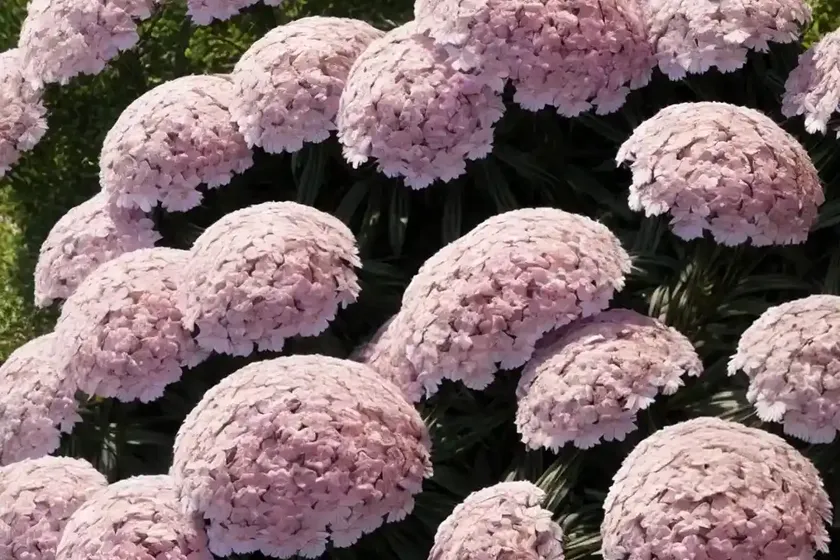
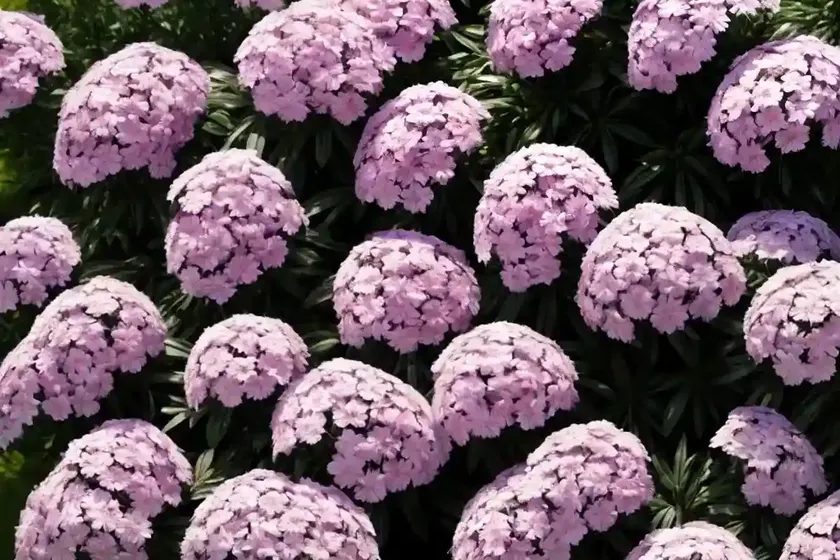
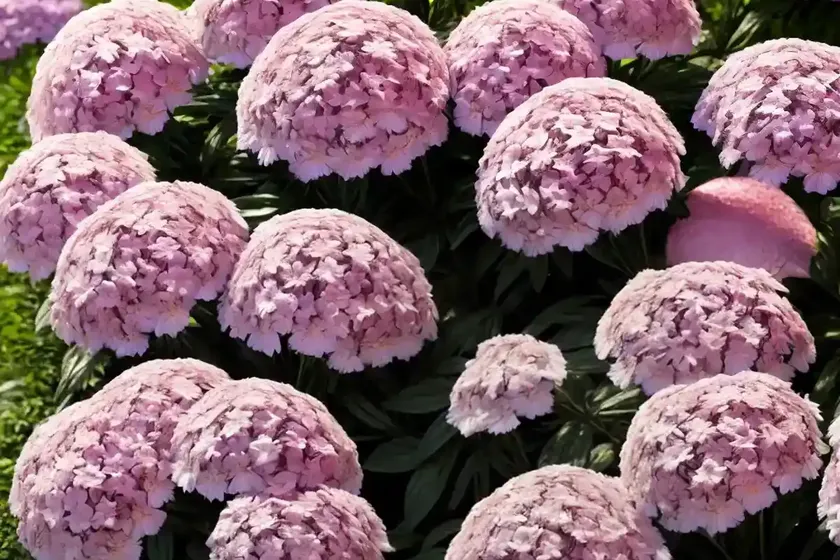
Phlox paniculata, commonly known as garden phlox, is a beautiful perennial plant that attracts butterflies and hummingbirds with its vibrant clusters of flowers. Among its numerous varieties, Phlox paniculata ‘Backlight’ stands out for its striking appearance and ease of care. In this comprehensive guide, we will delve into the essential aspects of this plant, including its cultural requirements, uses, propagation methods, and maintenance. Whether you are a gardening enthusiast or a professional horticulturalist, this article will equip you with all the insights you need to cultivate and appreciate Phlox paniculata ‘Backlight’ to its fullest potential.
What is Phlox paniculata ‘Backlight’?
Phlox paniculata ‘Backlight’ is a cultivar of the Phlox paniculata species, which is prized for its stunning panicles of fragrant flowers. This variety is renowned for its upright habit and exceptional disease resistance, making it a popular choice for perennial borders, cottage gardens, and pollinator-friendly landscapes. With its compact nature and vibrant blossoms, ‘Backlight’ adds a delightful burst of color and visual interest to any garden setting.
Key Takeaways – Phlox paniculata ‘Backlight’
Before delving into the specifics of caring for Phlox paniculata ‘Backlight’, let’s take a quick look at the key takeaways encompassing its cultural requirements, uses, and maintenance.
Culture
- Phlox paniculata ‘Backlight’ is a herbaceous perennial that thrives in temperate climates.
- It requires well-drained soil and consistent moisture to flourish.
- ‘Backlight’ prefers full sun to partial shade for optimum growth and prolific flowering.
Uses
- This cultivar is well-suited for perennial borders, mass plantings, and mixed herbaceous landscapes.
- It serves as an excellent attractant for pollinators like butterflies and hummingbirds.
- ‘Backlight’ also excels as a cut flower, adding charm to floral arrangements and bouquets.
Water
- Regular watering is essential, especially during dry spells, to maintain soil moisture.
- Avoid overwatering to prevent waterlogged conditions, which can lead to root rot.
Sunlight
- ‘Backlight’ thrives in full sun exposure, although it can tolerate partial shade.
- Optimal sunlight promotes robust growth and abundant flowering.
Fertilizer
- Apply a balanced, slow-release fertilizer in spring to support healthy growth and flowering.
- Avoid excessive nitrogen, as it can lead to lush foliage at the expense of flower production.
Soil
- Well-drained, fertile soils with a slightly acidic to neutral pH are ideal for ‘Backlight’.
- Incorporate organic matter into the soil to enhance its structure and fertility.
Pruning
- Regular deadheading of spent blooms prolongs the flowering period and maintains a tidy appearance.
- Cut back the stems to ground level in late fall or early spring to rejuvenate the plant.
Propagation
- Propagate ‘Backlight’ through division in early spring or late summer to maintain its vigor.
- Root cuttings and stem tip cuttings are also viable propagation methods for this cultivar.
Container Popularity
- ‘Backlight’ is well-suited for container gardening, providing a versatile option for patio and balcony plantings.
Common Diseases
- ‘Backlight’ demonstrates remarkable resistance to powdery mildew and other common phlox diseases.
- Promote good air circulation and avoid overhead watering to mitigate disease risks.
Common Pests
- While generally pest-resistant, Phlox paniculata can attract spider mites and caterpillars in certain conditions.
- Monitor the plants regularly and employ appropriate pest management practices when necessary.
Botanist’s Tips
- Select a location with good air circulation to prevent foliar diseases.
- Mulch around the base of the plant to conserve soil moisture and suppress weed growth.
- Incorporate ‘Backlight’ into perennial borders alongside companion plants with compatible cultural requirements.
Fun Facts
- The genus name “Phlox” is derived from the Greek word for “flame,” a testament to the fiery hues of its blossoms.
- Phlox paniculata ‘Backlight’ is cherished for its vibrant, clustered flowers and alluring fragrance.
- The plant’s nectar-rich blooms serve as a valuable food source for pollinators, contributing to ecological sustainability.
With these key insights in mind, let’s explore the nuances of caring for Phlox paniculata ‘Backlight’ in greater detail. From its ideal growing conditions to propagation techniques and disease prevention, we will cover all aspects to empower you with a comprehensive understanding of this captivating perennial.
Cultural Requirements for Phlox paniculata ‘Backlight’
Soil and Water
Soil Requirements
Phlox paniculata ‘Backlight’ flourishes in well-drained, fertile soils with a pH range of 6.0 to 7.0, which is slightly acidic to neutral. Soils with good drainage prevent waterlogged conditions that can compromise the plant’s root health. Adding organic matter, such as compost or aged manure, to the soil enhances its structure and fertility, promoting optimal growth and blooming.
Watering Needs
Consistent moisture is crucial for the health and vitality of Phlox paniculata ‘Backlight’. While the plant benefits from regular watering, it is important to avoid overwatering, as waterlogged conditions can lead to root rot and other issues. During dry spells, supplemental watering is particularly essential to ensure adequate soil moisture. Applying a layer of mulch around the base of the plant helps retain soil moisture and suppress weed growth, contributing to the overall health of ‘Backlight’.
Sunlight and Temperature
Sunlight Requirements
Phlox paniculata ‘Backlight’ thrives in full sun to partial shade, with a preference for at least six hours of direct sunlight daily. Adequate sunlight promotes robust growth, stimulates prolific flowering, and enhances the vibrancy of its blossoms. In regions with intense summer heat, providing partial shade during the hottest part of the day can help prevent stress and sunscald. Although ‘Backlight’ can tolerate partial shade, it may result in reduced flowering and prolonged blooming periods.
Temperature Range
This cultivar favors temperate climates with moderate temperatures, where it can thrive without being subjected to extreme heat or cold. While it can tolerate fluctuations in temperature, providing a stable environment within its preferred range ensures optimal growth and flowering. Protection from harsh winter conditions and excessive heat in summer supports the long-term health and longevity of Phlox paniculata ‘Backlight’.
Fertilization and Pruning
Fertilizer Application
In spring, apply a balanced, slow-release fertilizer formulated for flowering perennials to support the growth and blooming of Phlox paniculata ‘Backlight’. Avoid excessive nitrogen, as it can lead to lush foliage at the expense of flower production. Overfertilization can also make the plant more susceptible to diseases and environmental stress. Following the recommended application rates on the fertilizer label helps maintain the plant’s health and vigor while minimizing potential adverse effects.
Pruning and Deadheading
Regular deadheading of spent blooms is beneficial for Phlox paniculata ‘Backlight’, as it encourages prolonged flowering and prevents the formation of seeds, which can divert energy from future blooming. Deadheading also contributes to a tidier and more aesthetically pleasing appearance. In late fall or early spring, cutting back the stems to ground level rejuvenates the plant, promoting vigorous new growth and ensuring a robust display of blooms in the upcoming growing season.
Propagation and Container Gardening
Propagation Methods
Phlox paniculata ‘Backlight’ can be propagated through various methods, including division, root cuttings, and stem tip cuttings. Division, which involves separating the plant into multiple sections, is commonly performed in early spring or late summer to maintain its vigor and rejuvenate crowded clumps. Root cuttings and stem tip cuttings offer additional options for expanding the plant’s presence in the garden and producing new, genetically identical specimens.
Container Gardening
The compact nature and stunning visual appeal of Phlox paniculata ‘Backlight’ make it an excellent candidate for container gardening. With a deep container that provides ample room for root development, ‘Backlight’ can thrive on patios, balconies, and other confined spaces, bringing its vibrant beauty and delightful fragrance closer to outdoor living areas. When cultivating ‘Backlight’ in containers, ensure adequate drainage and provide regular care to sustain its health and overall vitality.
Uses of Phlox paniculata ‘Backlight’
Perennial Borders and Mixed Landscapes
Phlox paniculata ‘Backlight’ excels as a charming addition to perennial borders and mixed herbaceous landscapes, where its vibrant clusters of flowers create eye-catching displays and allure pollinators. Planting ‘Backlight’ in groupings or drifts adds visual impact and a dynamic burst of color to garden beds, complementing other perennials and achieving a harmonious blend of textures and hues. Whether planted in formal garden designs or more relaxed cottage-style settings, ‘Backlight’ contributes elegance and vibrancy to its surroundings.
Cut Flower and Floral Arrangements
The abundant, fragrant blooms of Phlox paniculata ‘Backlight’ make it an ideal choice for cut flower production, enhancing floral arrangements and bouquets with its captivating colors and alluring fragrance. Harvesting the flowers when they are in full bloom, preferably in the morning, ensures the longest vase life and optimal aesthetic appeal. When used in floral designs, ‘Backlight’ infuses a touch of natural beauty and fragrance, bringing the charm of the garden indoors.
Pollinator Gardens and Wildlife Habitats
As a nectar-rich flowering plant, ‘Backlight’ serves as a valuable attractant for butterflies, hummingbirds, and other pollinators, contributing to the ecological sustainability of the garden and its surroundings. By incorporating ‘Backlight’ into pollinator-friendly landscapes and wildlife habitats, gardeners can actively support biodiversity and provide essential food sources for beneficial insects and avian species. Creating a welcoming environment for pollinators through the inclusion of ‘Backlight’ fosters a thriving ecosystem rich in natural beauty and ecological balance.
With its versatility and multitude of uses, Phlox paniculata ‘Backlight’ offers an array of applications that cater to diverse gardening preferences, from aesthetic enhancements to ecological stewardship.
Maintenance and Disease Resistance of Phlox paniculata ‘Backlight’
Disease Prevention and Resilience
Phlox paniculata ‘Backlight’ demonstrates remarkable resistance to powdery mildew, a common fungal disease that affects many phlox varieties. Providing good air circulation by spacing the plants appropriately and avoiding overhead watering aids in preventing foliar diseases. Additionally, selecting a planting site with ample sunlight exposure and well-drained soils contributes to the overall health and disease resistance of ‘Backlight’. While occasional disease issues may arise, ‘Backlight’ typically exhibits robust resilience to common phlox maladies, with minimal intervention required for maintaining its health.
Pest Monitoring and Management
While generally pest-resistant, Phlox paniculata ‘Backlight’ can attract spider mites and caterpillars in certain conditions. Regular monitoring of the plants for signs of pest activity, such as stippled leaves and webbing, enables early intervention and targeted pest management measures. Employing horticultural oils, insecticidal soaps, or other eco-friendly pest control methods helps mitigate pest populations while preserving the ecological balance of the garden. By remaining vigilant and proactive in pest management, gardeners can safeguard the health and vitality of ‘Backlight’ while minimizing potential pest-related impacts.
Climate Adaptability and Winter Care
Phlox paniculata ‘Backlight’ exhibits a reliable tolerance for a range of climate conditions, provided that its cultural requirements are met. In regions subject to harsh winter conditions, providing a protective layer of mulch around the base of the plant helps insulate the roots and conserve soil moisture, preparing ‘Backlight’ for the colder months. While ‘Backlight’ can endure periods of dormancy in winter, ensuring its exposure to adequate sunlight and protecting it from extreme temperature fluctuations contributes to its long-term health and resilience. By attending to its winter care needs, gardeners can help ‘Backlight’ thrive and reemerge with vigor in the following growing season.
Companion Planting and Landscape Ideas for Phlox paniculata ‘Backlight’
Companion Plants
When incorporating Phlox paniculata ‘Backlight’ into perennial borders and mixed herbaceous landscapes, selecting suitable companion plants enhances its visual appeal and complements its cultural requirements. Consider partnering ‘Backlight’ with other sun-loving perennials that thrive in similar soil and moisture conditions, such as:
- Coreopsis (Coreopsis spp.)
- Coneflowers (Echinacea spp.)
- Daylilies (Hemerocallis spp.)
- Shasta daisies (Leucanthemum x superbum)
- Russian sage (Perovskia atriplicifolia)
- Black-eyed Susans (Rudbeckia spp.)
- Salvia (Salvia spp.)
- Blanket flowers (Gaillardia spp.)
By creating harmonious plant combinations that consider complementary colors, textures, and blooming seasons, gardeners can curate captivating displays that showcase the inherent beauty of ‘Backlight’ alongside its botanical counterparts.
Landscape Design Ideas
Phlox paniculata ‘Backlight’ lends itself to a myriad of landscape design applications, offering versatility and visual impact in various garden settings. Explore the following landscape ideas to capitalize on the unique attributes of ‘Backlight’ and unleash its full potential:
Mixed Borders
- Plant ‘Backlight’ in mixed herbaceous borders, where its vibrant blooms and upright habit provide vertical interest and cohesive structure. Pair it with ornamental grasses, salvias, and other flowering perennials to create captivating tapestries of color and texture.
Pollinator Gardens
- Integrate ‘Backlight’ into pollinator-friendly gardens and wildlife habitats to attract butterflies, hummingbirds, and beneficial insects. Combine it with nectar-rich flowering plants and host species to establish a thriving ecosystem that supports biodiversity and ecological balance.
Cottage Gardens
- Embrace the timeless charm of ‘Backlight’ in cottage-style gardens, where its nostalgic appeal and abundant blooms evoke a sense of romance and natural beauty. Interplant it with traditional cottage garden favorites, such as roses, delphiniums, and peonies, for a picturesque and inviting landscape.
Cut Flower Beds
- Cultivate ‘Backlight’ in dedicated cut flower beds or designated cutting gardens, where its prolific blooms serve as a bountiful source of fresh flowers for arrangements and bouquets. Complement it with other long-lasting and fragrant cutting flowers to create stunning displays and seasonal harvests.
By exploring these landscape design ideas and leveraging the versatility of Phlox paniculata ‘Backlight’, gardeners can unleash their creativity and cultivate visually captivating scenes that celebrate the inherent splendor of this exceptional perennial.
Conclusion
Phlox paniculata ‘Backlight’ stands as a testament to the allure and resilience of garden phlox, offering a wealth of ornamental and ecological benefits for gardeners and nature enthusiasts alike. Its vibrant clusters of flowers, attractive growth habit, and remarkable disease resistance position it as a valuable addition to perennial landscapes, pollinator gardens, and floral showcases. By adhering to its cultural requirements, leveraging its uses, and maintaining its health through proactive care, ‘Backlight’ emerges as a beacon of natural beauty and enduring charm within the garden setting. Whether admired for its captivating blooms, cherished for its ecological contributions, or cultivated for its ornamental appeal, Phlox paniculata ‘Backlight’ embodies the timeless allure of garden phlox and enriches diverse horticultural experiences.
Through the insights and guidelines presented in this comprehensive guide, gardeners and horticulture enthusiasts are empowered to cultivate and appreciate Phlox paniculata ‘Backlight’ with confidence and enthusiasm. By harnessing its unique attributes, exploring its varied uses, and harnessing its potential for beauty and ecological impact, ‘Backlight’ emerges as a cherished gem within the realm of ornamental perennials.
With a commitment to sustainability, landscape diversity, and the preservation of natural ecosystems, Phlox paniculata ‘Backlight’ embodies the enduring beauty and enduring charm that enriches horticultural experiences and promotes ecological stewardship. As an ambassador for botanical excellence and ecological vitality, ‘Backlight’ embodies the timeless allure of garden phlox and invites a deeper appreciation for the wonders of ornamental perennials and their unmatched contributions to the world of gardening and natural beauty.
To explore more about Phlox paniculata ‘Backlight’, its growth characteristics, landscape applications, and cultural nuances, I recommend referring to the following external resources:
- American Meadows. (n.d.). Garden Phlox – Phlox paniculata. American Meadows. https://www.americanmeadows.com/perennials/phlox/garden-phlox
- Missouri Botanical Garden. (n.d.). Phlox paniculata. Missouri Botanical Garden. https://www.missouribotanicalgarden.org/PlantFinder/PlantFinderDetails.aspx?kempercode=g200
- RHS. (n.d.). Phlox paniculata. Royal Horticultural Society. https://www.rhs.org.uk/Plants/95445/i-Phlox-paniculata-i-Backlight/Details
These resources offer valuable insights, botanical information, and cultivation tips that further enrich the understanding and appreciation of Phlox paniculata ‘Backlight’ and its inherent botanical splendor.
With a wealth of knowledge and practical guidance at your disposal, you are well-equipped to embark on a rewarding journey of cultivating, enjoying, and celebrating the timeless allure of Phlox paniculata ‘Backlight’ in your garden and beyond. Let the vibrant blossoms and ecological contributions of ‘Backlight’ inspire your horticultural endeavors and nurture a deeper connection to the natural world around you.
Happy gardening and may your landscapes flourish with the enduring beauty of Phlox paniculata ‘Backlight’!


