Plant Scientist Blog: Phlox paniculata ‘Younique Old Pink’ (Garden Phlox)
In this article, we will explore the fascinating world of Phlox paniculata ‘Younique Old Pink,’ also known as Garden Phlox. We will delve into the culture, uses, maintenance, and a host of other aspects related to this beautiful and versatile plant. Whether you are a seasoned gardener, a landscaping enthusiast, or someone who simply appreciates the beauty of plants, this comprehensive guide will provide valuable insights into the world of Garden Phlox.
What is Phlox paniculata ‘Younique Old Pink’ (Garden Phlox)?
Phlox paniculata ‘Younique Old Pink,’ commonly referred to as Garden Phlox, is a herbaceous perennial plant that belongs to the Polemoniaceae family. Known for its stunning clusters of fragrant flowers, this plant is a popular choice in gardens, landscapes, and flowerbeds. It is native to parts of the United States and Canada and has gained widespread popularity for its vibrant blooms and easy-to-maintain nature.
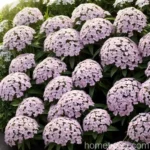
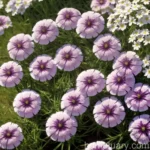
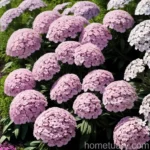
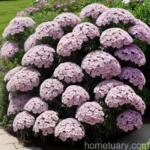
The ‘Younique Old Pink’ variety of Garden Phlox is particularly cherished for its soft pink flowers, which add a charming and elegant touch to any garden or outdoor space. With proper care and attention, this plant can thrive and provide a visually striking display throughout the blooming season.
In the following sections, we will delve deeper into various aspects of Phlox paniculata ‘Younique Old Pink,’ including its culture, uses, maintenance requirements, and much more.
Key Takeaways – Phlox paniculata ‘Younique Old Pink’ (Garden Phlox)
Before we explore the intricacies of Garden Phlox care and maintenance, let’s take a quick look at the key takeaways related to Phlox paniculata ‘Younique Old Pink’:
- Botanical Name: Phlox paniculata ‘Younique Old Pink’
- Common Name: Garden Phlox
- Plant Type: Herbaceous perennial
- Flower Color: Soft pink
- Fragrance: Fragrant blooms
- Uses: Gardens, landscapes, flowerbeds
- Maintenance: Moderate
- Popularity: Widely appreciated for its vibrant flowers
- Special Features: Attracts pollinators such as butterflies and hummingbirds
With these key points in mind, let’s explore the detailed care and maintenance requirements for Phlox paniculata ‘Younique Old Pink.’
Culture
Water
Proper watering is essential for the health and vigor of Phlox paniculata ‘Younique Old Pink.’ Here are some key considerations when it comes to watering this plant:
- Regular Watering: Garden Phlox benefits from consistent moisture, especially during the active growth and blooming periods. While it is important to avoid overwatering, ensuring that the soil remains evenly moist is crucial for the well-being of the plant.
- Watering Frequency: In general, it is advisable to water Phlox paniculata ‘Younique Old Pink’ when the top inch of the soil feels dry to the touch. However, the specific watering frequency may vary based on factors such as local climate, soil type, and overall environmental conditions.
Sunlight
Proper sunlight exposure plays a pivotal role in the growth and flowering of Garden Phlox. Here’s what you need to know about sunlight requirements for Phlox paniculata ‘Younique Old Pink’:
- Full Sun to Partial Shade: Garden Phlox thrives in locations that receive full to partial sunlight. Ideally, it is best to provide the plant with at least 6-8 hours of direct sunlight per day for optimal growth and abundant flowering.
- Shade Tolerance: While Garden Phlox prefers ample sunlight, it can tolerate some degree of shade. However, insufficient sunlight may lead to reduced flowering and overall vigor.
Fertilizer
Appropriate fertilization can significantly enhance the health and blooming capacity of Phlox paniculata ‘Younique Old Pink.’ Consider the following tips when it comes to fertilizing Garden Phlox:
- Balanced Fertilizer: Use a balanced, slow-release fertilizer that is specifically formulated for flowering perennials. A fertilizer with a balanced NPK ratio (nitrogen, phosphorus, potassium) can provide the essential nutrients needed for robust growth and prolific blooming.
- Application Timing: Apply fertilizer in early spring or late winter, just before new growth begins. Additionally, a light application of fertilizer in mid-summer can help support the plant’s growth and blooming throughout the season.
Soil
The soil composition and quality are critical factors that influence the overall well-being of Garden Phlox. Here’s what you should know about soil requirements for Phlox paniculata ‘Younique Old Pink’:
- Well-Drained Soil: Garden Phlox thrives in well-drained, moderately fertile soil. Avoid waterlogged or compacted soil, as excessive moisture can lead to root rot and other issues.
- pH Level: The ideal soil pH for Garden Phlox ranges from slightly acidic to neutral (pH 6.5-7.0). Conducting a soil test can help determine the pH level and identify any necessary adjustments to optimize growing conditions.
Pruning
Proper pruning is essential for maintaining the shape, health, and blooming capacity of Phlox paniculata ‘Younique Old Pink.’ Consider the following guidelines when it comes to pruning Garden Phlox:
- Deadheading: Regular deadheading of spent blooms can encourage continuous flowering and prevent the plant from expending energy on seed production. Trim the faded flowers down to a junction with a healthy leaf or stem to promote new bud development.
- Thinning Out: Periodically thinning out the plant by removing overcrowded, weak, or diseased stems can improve air circulation and reduce the risk of disease and pest infestations.
Propagation
For those interested in propagating Garden Phlox, there are several methods that can be utilized to expand the plant’s presence in the garden or landscape:
- Division: Dividing mature clumps of Phlox paniculata ‘Younique Old Pink’ every few years can rejuvenate the plant and yield new, healthy specimens. Divide the plant in early spring or late fall, ensuring that each division has a good root system and several healthy stems.
- Cuttings: Propagating Garden Phlox from stem cuttings is another viable method. Take 4-6 inch-long cuttings from healthy, non-flowering stems and root them in a well-draining propagation medium. With proper care, these cuttings can develop into new plants.
Container Popularity
Garden Phlox can also thrive in container gardens, offering a versatile and vibrant addition to outdoor spaces such as patios, balconies, and terraces. When growing Phlox paniculata ‘Younique Old Pink’ in containers, it is important to consider the following factors:
- Container Size: Select a spacious container that provides ample room for the plant’s root system to spread and grow. A container with drainage holes is essential to prevent waterlogging.
- Potting Mix: Use a high-quality, well-draining potting mix that is specifically formulated for flowering perennials. Regularly check the moisture levels in the container and water as needed to maintain optimal soil conditions.
Common Diseases
Garden Phlox is susceptible to certain diseases, and being aware of these potential issues can help in prevention and early management. Here are some common diseases that may affect Phlox paniculata ‘Younique Old Pink’:
- Powdery Mildew: This fungal disease manifests as a powdery white coating on the leaves and stems, often leading to stunted growth and reduced vigor. Providing adequate air circulation, avoiding overhead watering, and applying fungicidal treatments when necessary can help manage powdery mildew.
- Leaf Spot: Leaf spot diseases can cause dark spots or lesions on the foliage, leading to premature leaf drop and overall decline. Ensuring proper spacing between plants, promoting good air circulation, and promptly removing and disposing of affected foliage can aid in disease control.
Disease Diagnosis
When diagnosing and addressing potential diseases affecting Garden Phlox, it is essential to closely observe the plant and accurately identify the symptoms. Here are some common signs of disease that may warrant further attention:
- Unusual Spots or Lesions: Look for any abnormal discoloration, spots, or lesions on the foliage. Take note of the color, size, and distribution of these markings to aid in diagnosis.
- Foliage Discoloration: Monitor the overall color and appearance of the leaves, as any significant changes could indicate underlying issues such as nutrient deficiencies or diseases.
- Stunted Growth or Wilting: Keep an eye on the overall growth and vitality of the plant. Any signs of stunted growth, wilting, or lackluster appearance may signal an underlying problem.
Common Pests
In addition to diseases, Garden Phlox can also be affected by certain pests that may compromise its health and appearance. Understanding these potential pests is crucial for implementing effective pest management strategies. Some common pests that may target Phlox paniculata ‘Younique Old Pink’ include:
- Spider Mites: These tiny pests can cause stippling on the foliage and fine webbing on the plant. Regularly inspect the undersides of leaves for signs of spider mite activity, and employ cultural or chemical controls as needed.
- Aphids: Aphids can cluster on new growth and the undersides of leaves, extracting plant sap and causing deformation. Using a strong stream of water to dislodge aphids or applying insecticidal soap can help manage aphid infestations.
Botanist’s Tips
As a plant scientist, here are some additional tips and insights to help you cultivate Phlox paniculata ‘Younique Old Pink’ with success:
- Companion Plants: Pair Garden Phlox with companion plants such as Echinacea, Rudbeckia, and Salvia to create visually appealing and pollinator-friendly garden displays.
- Seasonal Care: Provide extra attention to watering, fertilization, and pest control during periods of high heat or heavy rainfall to help the plant withstand environmental stress.
- Pollinator Attraction: By planting Garden Phlox, you can attract a variety of pollinators to your garden, including butterflies, hummingbirds, and bees, contributing to the overall biodiversity and ecological balance.
Fun Facts
To add some further intrigue to your understanding of Phlox paniculata ‘Younique Old Pink,’ here are a few fun and fascinating facts about Garden Phlox:
-
- Historical Significance: Garden Phlox has a long and storied history, with records of its cultivation dating back to the 17th century in Europe. It has been cherished for its ornamental value and fragrance for centuries.
- Cultural Symbolism: In the language of flowers, Phlox is often associated with sentiments of harmony, partnership, and unity, making it a meaningful choice for various occasions and celebrations.
- Genus Diversity: The Phlox genus encompasses a wide array of species and cultivars, offering a diverse palette of colors, growth habits, and characteristics for plant enthusiasts to explore.
Links to External Resources
For further exploration of Garden Phlox varieties, planting tips, and related information, consider visiting the following external resources:
- The American Phlox Society: An organization dedicated to the cultivation, preservation, and promotion of Phlox species and cultivars.
- Royal Horticultural Society – Growing Phlox: The Royal Horticultural Society provides valuable insights into the cultivation and care of Phlox species, including Phlox paniculata ‘Younique Old Pink.’
- University of Florida IFAS Extension – Phlox paniculata: An educational resource offering in-depth information on the cultural and horticultural aspects of Phlox paniculata, including maintenance and landscape uses.
In conclusion, Phlox paniculata ‘Younique Old Pink’ (Garden Phlox) is a delightful and versatile plant that holds immense potential for enhancing gardens, landscapes, and outdoor settings. By understanding its culture, maintenance requirements, and unique attributes, you can cultivate and enjoy the beauty of this captivating perennial with confidence and success.
Remember to explore the links provided and further immerse yourself in the world of Garden Phlox, gaining insights and inspiration for your horticultural endeavors. Whether you are drawn to its fragrant blooms, its role in attracting pollinators, or its rich history, Garden Phlox is a plant that continues to captivate and inspire plant enthusiasts and horticultural aficionados around the world.
Plant boldly, nurture diligently, and revel in the beauty of Phlox paniculata ‘Younique Old Pink.’