Picea abies ‘Nidiformis’ (Norway Spruce): A Comprehensive Guide
Introduction
Picea abies ‘Nidiformis’, commonly known as the Norway Spruce, is a remarkable evergreen tree that is native to Northern, Central, and Eastern Europe. With its graceful, conical habit and rich cultural significance, this tree has become a popular choice for various landscape and gardening applications. In this extensive guide, we will explore every aspect of the Picea abies ‘Nidiformis’, from its cultural uses to its ecological significance, providing plant enthusiasts and horticulturists with valuable insights into its care and characteristics.
Key Takeaways – Picea abies ‘Nidiformis’ (Norway Spruce)
- Scientific Name: Picea abies ‘Nidiformis’
- Common Name: Norway Spruce
- Plant Type: Evergreen Tree
- Native Region: Northern, Central, and Eastern Europe
- Growth Habit: Conical
- Cultural Uses: Ornamental Plant, Bonsai, Christmas Tree
- Water: Moderate
- Sunlight: Full sun to partial shade
- Fertilizer: Balanced fertilizer in early spring
- Soil: Well-draining, acidic to neutral
- Pruning: Minimal, if required
- Propagation: Seeds, Cuttings
- Container Popularity: Suitable for large containers
- Common Diseases: Needle Cast, Canker Diseases
- Common Pests: Aphids, Spruce Mites
- Winter Care: Protect from harsh winds and heavy snow
What is Picea abies ‘Nidiformis’ (Norway Spruce)?
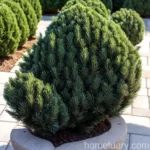
Picea abies ‘Nidiformis’ is a compact, slow-growing cultivar of the Norway Spruce, a species that holds great ecological and commercial importance in its native range. This evergreen conifer is characterized by its dense, conical shape and gracefully drooping branchlets. Adorned with glossy, dark green needles, the tree exhibits year-round beauty, making it a sought-after addition to gardens, public parks, and urban landscapes.
Norway Spruce is known for its adaptability and resilience, thriving in various environmental conditions. Its versatility has contributed to its widespread utilization in landscaping and forestry, while its wood is valued for construction, paper production, and musical instruments. Moreover, the Norway Spruce has historical significance, being used as a popular Christmas tree in many households and public spaces.
Culture
Water
Maintaining optimal soil moisture is crucial for the health and vigor of Picea abies ‘Nidiformis’. While the tree exhibits some drought tolerance once established, regular watering, especially during dry spells or hot summers, is recommended. The soil should be kept consistently moist but not waterlogged, as excessive moisture can lead to root rot and other water-related issues.
Sunlight
Norway Spruce thrives in full sun to partial shade, displaying its best growth and form when provided with ample sunlight. In regions with hot summers, providing some shade during the hottest part of the day can be beneficial, as it helps in preventing excessive water loss through transpiration and minimizes the risk of sunscald.
Fertilizer
Applying a balanced, slow-release fertilizer in early spring can promote healthy growth and a lush, vibrant foliage. It is advisable to use a fertilizer specifically formulated for evergreen trees, ensuring that it contains essential nutrients such as nitrogen, phosphorus, and potassium. Care should be taken to follow the manufacturer’s recommendations regarding application rates and techniques.
Soil
Norway Spruce thrives in well-draining, acidic to neutral soil. The soil should be rich in organic matter, providing a fertile and supportive environment for the tree’s root system. Additionally, maintaining good soil aeration is essential for preventing waterlogging and promoting root health.
Pruning
Minimal pruning is generally required for Picea abies ‘Nidiformis’, as it naturally maintains its compact, conical form. However, it is essential to inspect the tree regularly and remove any dead, damaged, or diseased branches. When shaping or resizing the tree, it is best to conduct pruning during the dormant season to minimize stress and allow for optimum recovery.
Uses
Ornamental Plant
Picea abies ‘Nidiformis’ is widely used as an ornamental plant in various landscape settings. Its compact, rounded form and rich green foliage make it an excellent choice for accentuating garden borders, creating formal hedges, or adding visual interest to rock gardens and alpine landscapes.
Bonsai
Due to its slow growth and intricate branching pattern, the Norway Spruce is a favored species for bonsai enthusiasts. Its adaptability to container cultivation, combined with its aesthetic appeal, makes it well-suited for bonsai training and display.
Christmas Tree
In many parts of the world, the Norway Spruce is a traditional and cherished Christmas tree. Known for its symmetrical shape, pleasant fragrance, and excellent needle retention, Picea abies ‘Nidiformis’ serves as a focal point in holiday decorations, bringing joy and festive spirit to homes and public spaces.
Propagation
The propagation of Picea abies ‘Nidiformis’ can be achieved through various methods, offering flexibility to horticulturists and home gardeners.
Seeds
Propagation from seeds is a viable option for obtaining new Norway Spruce plants. It involves collecting mature cones from the tree, extracting the seeds, and sowing them in a suitable seedling mix. Adequate moisture and warmth are essential for germination, and young seedlings should be provided with care and protection as they establish their root systems.
Cuttings
Softwood or hardwood cuttings can be utilized for vegetative propagation of Picea abies ‘Nidiformis’. Selecting healthy, disease-free branches and treating them with rooting hormones can enhance the success rate of this method. The cuttings are then placed in a sterile, well-draining medium and kept under controlled environmental conditions to encourage root development.
Container Popularity
Picea abies ‘Nidiformis’ is well-suited for cultivation in large containers, making it a versatile option for those with limited garden space or those looking to create eye-catching focal points on patios, decks, or in urban landscapes. When grown in containers, the tree benefits from regular watering, proper fertilization, and occasional root pruning to prevent pot-bound conditions.
Common Diseases and Pest Management
Common Diseases
-
Needle Cast: Needle cast diseases, caused by various fungal pathogens, can lead to the browning and premature shedding of needles. Proper sanitation, adequate air circulation, and timely applications of fungicidal treatments can help manage and prevent needle cast diseases.
-
Canker Diseases: Canker diseases, often caused by fungal pathogens, can lead to the development of sunken, discolored lesions on the tree’s trunk and branches. Pruning affected branches, promoting overall tree vigor, and employing appropriate fungicidal treatments can aid in combatting canker diseases.
Common Pests
-
Aphids: Aphids are sap-feeding insects that can infest the foliage of Picea abies ‘Nidiformis’, causing stunted growth and foliage discoloration. Using targeted insecticidal treatments and encouraging natural predators, such as ladybugs, can help mitigate aphid infestations.
-
Spruce Mites: These tiny, spider-like pests can damage the needles of Norway Spruce, leading to unsightly discoloration and reduced vitality. Regularly inspecting the tree for mite activity, promoting overall plant health, and considering horticultural oils or insecticidal treatments can aid in managing spruce mite populations.
Botanist’s Tips
- Regular monitoring of the tree’s status, including foliage color, growth patterns, and overall vitality, can provide valuable insights into its health and well-being.
- When selecting a site for planting, consider the tree’s mature size and growth potential to ensure ample space for its development without interfering with surrounding structures or other plants.
- Mulching the tree’s root zone with organic materials can help conserve soil moisture, maintain consistent soil temperatures, and suppress weed growth.
Fun Facts
- The wood of Picea abies has been used for making musical instruments, including violins, due to its acoustic properties and fine grain.
- Norway Spruce forests play a crucial role in global carbon sequestration and contribute to the mitigation of climate change.
- The flexible branches of the Norway Spruce have been historically used for manufacturing the original “brooms” in Finland, known as “vasta,” used in traditional sauna rituals.
Links to External Resources
For further information on Picea abies ‘Nidiformis’ (Norway Spruce), the following external resources are recommended:
- The Royal Horticultural Society (RHS): Picea abies ‘Nidiformis’ Care Guide
- The Spruce: Norway Spruce Tree Profile
- University of Florida IFAS Extension: Norway Spruce Diseases
- American Conifer Society: Growing Conifers in Containers
Picea abies ‘Nidiformis’ encompasses a rich tapestry of ecological significance, cultural uses, and horticultural potential. Its resilience, adaptability, and aesthetic appeal make it a valuable addition to diverse landscapes and gardens, offering beauty, functionality, and a celebration of nature’s splendor. Whether as a majestic specimen tree or a meticulously trained bonsai, the Norway Spruce continues to capture the admiration of enthusiasts and leave an enduring impression on those who encounter its tranquil presence.