Plant Scientist’s Guide to Phlox Paniculata ‘Ultraviolet’ (Garden Phlox)
Phlox paniculata ‘Ultraviolet,’ commonly known as Garden Phlox, is a perennial plant that attracts attention with its vibrant and fragrant blooms. As a plant scientist, it is my pleasure to explore the various aspects of this stunning plant, including its culture, uses, maintenance, and growing conditions. In this comprehensive guide, we will delve deep into the world of Phlox paniculata ‘Ultraviolet’ and uncover its optimal growing conditions, care requirements, and unique characteristics.
What is Phlox Paniculata ‘Ultraviolet’ (Garden Phlox)?
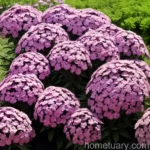
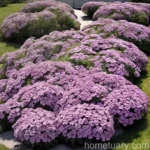
Phlox paniculata ‘Ultraviolet’ is a cultivar of the species Phlox paniculata, which belongs to the Polemoniaceae family. It is native to parts of North America and is highly valued for its long-lasting, showy flower clusters and delightful fragrance. The ‘Ultraviolet’ variety is particularly sought after for its striking purplish-lavender blossoms that add a pop of color to gardens and landscapes.
Key Takeaways – Phlox Paniculata ‘Ultraviolet’ (Garden Phlox)
Let’s begin our exploration of Phlox paniculata ‘Ultraviolet’ by highlighting some key takeaways about this captivating plant.
- Plant Name: Phlox paniculata ‘Ultraviolet’ (Garden Phlox)
- Common Name: Garden Phlox ‘Ultraviolet’
- Type: Perennial
- Hardiness Zone: 4-8
- Mature Height: 24-36 inches
- Mature Spread: 18-24 inches
- Bloom Time: Summer to early fall
- Foliage: Lance-shaped, dark green
- Flower Color: Purplish-lavender
- Fragrance: Sweet, pleasant aroma
- Attracts: Butterflies, hummingbirds
- Uses: Borders, cottage gardens, cut flowers
- Disease Resistance: Mildew-resistant varieties available
- Key Characteristics: Vibrant blooms, fragrant flowers, disease resistance
With these key takeaways in mind, let’s delve deeper into the various aspects of cultivating and caring for Phlox paniculata ‘Ultraviolet.’
Culture
Water
Phlox paniculata ‘Ultraviolet’ thrives in moist, well-drained soil. During the growing season, it is important to ensure that the plant receives an adequate amount of water, especially during periods of drought or prolonged dryness. Water the plant deeply at the base to encourage strong root development and ensure that the soil remains consistently moist but not waterlogged.
Sunlight
Garden Phlox ‘Ultraviolet’ flourishes in full sun to partial shade. It is ideal to provide the plant with direct sunlight for at least 6-8 hours a day to promote vigorous growth and abundant flowering. However, in hotter climates, providing some afternoon shade can help protect the plant from excessive heat and sun exposure.
Fertilizer
When it comes to fertilizing Phlox paniculata ‘Ultraviolet,’ a balanced, slow-release fertilizer can be applied in early spring as new growth emerges. Additionally, a light application of organic compost or well-rotted manure around the base of the plant can provide essential nutrients for healthy foliage and blooms. It is important to avoid over-fertilization, as this can lead to excessive vegetative growth at the expense of flowering.
Soil
The ideal soil for Garden Phlox ‘Ultraviolet’ is rich, moist, and well-draining. A loamy soil with a slightly acidic to neutral pH level is well-suited for this plant. Amending the soil with organic matter, such as compost or peat moss, can enhance its fertility and structure, providing an optimal growing environment for Phlox paniculata ‘Ultraviolet.’
Pruning
Pruning plays a vital role in maintaining the health, shape, and blooming performance of Phlox paniculata ‘Ultraviolet.’ In early spring, as new growth starts to emerge, it is recommended to remove any dead or damaged stems from the previous year and thin out the plant to improve air circulation. Deadheading, or the removal of spent flowers, can also prolong the blooming period and encourage the production of new blooms.
Propagation
Phlox paniculata ‘Ultraviolet’ can be propagated through several methods, including division, stem cuttings, and seed sowing.
Division:
- Dividing well-established clumps of Phlox paniculata ‘Ultraviolet’ can be done in early spring or fall. Carefully dig up the plant, ensuring that each division has a good portion of roots attached, and replant them in prepared soil.
Stem Cuttings:
- Stem cuttings can be taken in early summer when the plant is actively growing. Select healthy, non-flowering stems and take 4-6 inch cuttings. Remove the lower leaves, dip the cut ends in a rooting hormone, and plant them in a well-draining medium to root.
Seed Sowing:
- Collecting and sowing seeds from Phlox paniculata ‘Ultraviolet’ can also be an effective way to propagate the plant. Harvest the seeds when the seed heads have dried on the plant, and sow them in a seed-starting mix in early spring.
Container Popularity
While Phlox paniculata ‘Ultraviolet’ is commonly grown in garden beds and borders, it can also be cultivated in containers, adding a burst of color and fragrance to patio spaces, decks, and balconies. When growing Garden Phlox ‘Ultraviolet’ in containers, it is important to select a pot that provides ample room for root growth and has drainage holes to prevent waterlogging.
Container Common Diseases
When growing Phlox paniculata ‘Ultraviolet’ in containers, it is essential to be mindful of potential diseases that can affect the plant. Some common container diseases that may impact Garden Phlox include:
- Powdery Mildew: This fungal disease can occur in humid conditions and may manifest as powdery white spots on the foliage of Phlox paniculata ‘Ultraviolet.’
- Root Rot: Overwatering and poorly-draining soil can lead to root rot in container-grown plants, affecting the overall health of the plant.
Disease Diagnosis
To effectively diagnose and manage diseases that may affect Phlox paniculata ‘Ultraviolet,’ it is important to carefully inspect the plant for any signs of distress or infection. Common symptoms of diseases in Garden Phlox include discolored or distorted foliage, wilting, stunted growth, and the presence of powdery or fuzzy growth on the leaves.
Common Pests
While Garden Phlox ‘Ultraviolet’ is relatively resistant to pests, it may occasionally encounter pest pressures that can affect its vigor and appearance. Some common pests that may target Phlox paniculata ‘Ultraviolet’ include:
- Spider Mites: These tiny arachnids can cause stippling and webbing on the foliage of the plant, leading to reduced photosynthetic activity.
- Aphids: These small, soft-bodied insects may gather on the tender shoots and flower buds of Garden Phlox, sucking sap from the plant and potentially spreading viral diseases.
Botanist’s Tips
As a plant scientist, I would like to offer some valuable tips for successfully growing and caring for Phlox paniculata ‘Ultraviolet’:
- Provide consistent moisture, especially during hot, dry periods, to promote healthy growth and vibrant blooms.
- Monitor for signs of pests and diseases, and take proactive measures to address any issues promptly.
- When planting in containers, ensure proper drainage to prevent waterlogged soil and root rot.
- Regular deadheading can prolong the flowering period and maintain the plant’s attractive appearance.
- Select mildew-resistant varieties of Phlox paniculata ‘Ultraviolet’ to minimize the risk of powdery mildew.
Fun Facts
Here are some fascinating and lesser-known facts about Phlox paniculata ‘Ultraviolet’:
- Phlox paniculata ‘Ultraviolet’ flowers are not only visually stunning but also emit a sweet, pleasant fragrance, attracting pollinators and garden enthusiasts alike.
- The name “Phlox” is derived from the Greek word for “flame,” which aptly describes the fiery blossoms of many Phlox species.
- Garden Phlox has been a beloved garden staple for centuries, cherished for its resilience, beauty, and versatility in various landscape settings.
Links to External Resources
To further enhance your understanding of Phlox paniculata ‘Ultraviolet’ and its cultivation, here are some valuable external resources that provide in-depth information and insights:
- The American Phlox Society: The official website of the American Phlox Society offers a wealth of resources on different Phlox species, including cultivation guides, species profiles, and gardening tips.
- The Royal Horticultural Society (RHS): The RHS website provides extensive information on growing Phlox paniculata, including specific cultivars such as ‘Ultraviolet,’ and offers guidance on cultivation, pest and disease management, and more.
Conclusion
Phlox paniculata ‘Ultraviolet’ (Garden Phlox) is a stunning perennial plant that captivates with its vibrant blooms, sweet fragrance, and versatility in the garden. By understanding its optimal growing conditions, maintenance requirements, and unique characteristics, gardeners can cultivate this beloved plant successfully and enjoy its beauty throughout the flowering season.
I hope this comprehensive guide has provided you with valuable insights into the world of Phlox paniculata ‘Ultraviolet’ and inspired you to explore the possibilities of including this remarkable plant in your garden or landscape. Happy gardening!