Phlox glaberrima (Smooth Phlox): A Comprehensive Guide
Phlox glaberrima, commonly known as Smooth Phlox, is a delightful flowering plant that is favored by many gardeners for its attractive, colorful blooms and easy-to-maintain nature. This native perennial plant is not only a beautiful addition to any garden but also serves as a valuable habitat for pollinators and wildlife in general. In this comprehensive guide, we will delve into the various facets of Phlox glaberrima, including its culture, uses, care tips, common diseases, and much more.
What is Phlox glaberrima?
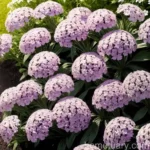
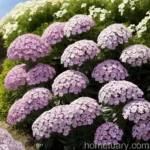
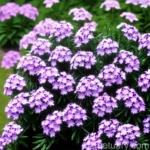
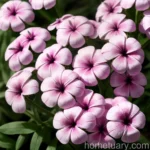
Phlox glaberrima is a species of perennial plant that belongs to the Polemoniaceae family. It is native to North America, where it can be found in various habitats, including meadows, woodlands, and along stream banks. This species is known for its profuse clusters of vibrant, fragrant flowers that bloom in a range of colors, making it a popular choice for gardeners seeking to add beauty and charm to their outdoor spaces.
Key Takeaways – Phlox glaberrima (Smooth Phlox)
Before we delve into the specific aspects of Phlox glaberrima, let’s take a quick look at the key takeaways regarding this captivating plant.
- Smooth Phlox is a native perennial plant known for its vibrant, fragrant flowers.
- It is a low-maintenance, drought-tolerant plant, making it an ideal choice for gardens with varying environmental conditions.
- Phlox glaberrima attracts pollinators and other wildlife, making it a valuable addition to wildlife-friendly landscapes.
- This species offers a range of vibrant blooms, making it a versatile option for garden designs.
- Its low-growing nature and attractive foliage make it suitable for groundcover and border plantings.
With these key takeaways in mind, let’s explore the various aspects of Phlox glaberrima in greater detail.
Culture
Uses
Phlox glaberrima holds significant value both as an ornamental garden plant and as a contributor to ecological diversity. Its primary uses include:
- Ornamental Purposes: The vibrant blooms of Phlox glaberrima make it a popular choice for adding color to flower beds, borders, and rock gardens.
- Wildlife Habitat: The nectar-rich flowers attract pollinators such as butterflies, bees, and hummingbirds, contributing to the overall health of the local ecosystem.
- Cut Flowers: The long-lasting blooms of Phlox glaberrima are often used as cut flowers in floral arrangements due to their vibrant colors and fragrance.
Water
Phlox glaberrima generally prefers moderate moisture levels and well-drained soil. While it can tolerate short periods of drought once established, it is essential to provide regular watering, especially during extended dry spells or in regions with hot summers. Adequate soil moisture contributes to lush foliage and bountiful blooms.
Sunlight
When it comes to sunlight requirements, Phlox glaberrima thrives in full sun to partial shade. Providing it with at least 6 hours of direct sunlight each day results in robust growth and profuse flowering. In warmer climates, some afternoon shade can help protect the plant from excessive heat and sunburn.
Fertilizer
Feeding Phlox glaberrima with a balanced, slow-release fertilizer in the spring can enhance its overall growth and blooming performance. A 10-10-10 NPK (nitrogen, phosphorus, potassium) fertilizer is suitable for providing the necessary nutrients without promoting excessive vegetative growth at the expense of flowers.
Soil
The ideal soil for Phlox glaberrima is well-drained, fertile, and slightly acidic to neutral (pH 6.0-7.0). Amending the soil with organic matter such as compost or well-rotted manure improves its structure, fertility, and moisture retention capacity. Additionally, a loamy soil texture is preferred, as it provides a balance of drainage and moisture retention.
Pruning
Pruning is an essential aspect of maintaining the health and appearance of Phlox glaberrima. Proper pruning practices include:
- Deadheading: Regular removal of spent blooms promotes continuous flowering and prevents the plant from channeling energy into seed production.
- Thinning: Periodically thinning out overcrowded stems and foliage allows for improved air circulation and reduces the risk of disease development.
- Cutting back: In late fall or early spring, cutting back the stems to ground level helps rejuvenate the plant and encourages vigorous growth in the upcoming growing season.
Propagation
Phlox glaberrima can be propagated through various methods, including division, stem cuttings, and seed propagation.
- Division: Dividing mature clumps every 3-4 years in early spring helps rejuvenate the plant and also provides additional plants for propagation.
- Stem Cuttings: Stem cuttings taken from healthy, non-flowering shoots in the early summer can be rooted to produce new plants.
- Seed Propagation: Collecting seeds from mature seedpods and sowing them indoors or directly in the garden can yield new Phlox glaberrima plants.
Container Popularity
Phlox glaberrima is well-suited for container gardening due to its compact growth habit and vibrant blooms. Its container popularity stems from several factors, including:
- Versatility: It can be grown in various types of containers, ranging from traditional flowerpots to decorative planters, allowing for creative placement in outdoor spaces.
- Space Efficiency: Its low-growing nature and ability to thrive in containers make it an excellent choice for small gardens, patios, and balconies.
- Design Element: The colorful blooms of Phlox glaberrima offer visual appeal, making it a popular choice for adding a splash of color to outdoor seating areas and entrances.
Common Diseases
While Phlox glaberrima is relatively resistant to diseases, it can occasionally be affected by certain fungal infections and environmental stressors. Common diseases include:
- Powdery Mildew: This fungal disease manifests as a white, powdery coating on the leaves and stems, often triggered by high humidity and poor air circulation.
- Leaf Spot: Leaf spot diseases cause dark, irregular lesions on the foliage, leading to defoliation and reduced plant vigor.
- Root Rot: Overly wet soil conditions can result in root rot, which is characterized by rotting roots and wilting foliage.
Disease Diagnosis
Early detection and prompt action are key to managing diseases in Phlox glaberrima. Regular monitoring for symptoms such as unusual leaf discoloration, wilting, or powdery coatings helps in early disease diagnosis. Furthermore, maintaining optimal growing conditions, including proper spacing, adequate air circulation, and soil moisture management, can reduce the risk of diseases.
Common Pests
Phlox glaberrima is generally resistant to pest infestations. However, certain pests may occasionally pose a threat to its health, including:
- Aphids: These tiny, soft-bodied insects can cluster on the new growth, causing distorted foliage and the secretion of sticky honeydew.
- Spider Mites: Spider mites are common pests that can cause stippling and bronzing of the leaves, particularly in hot and dry conditions.
- Thrips: Thrips feed on the plant’s tissues, leading to silvering or bronzing of the foliage and distorted flower buds.
Botanist’s Tips
As a plant scientist, I have spent years studying and working with a diverse range of plant species, including Phlox glaberrima. Here are some botanist’s tips for growing and caring for this captivating plant:
- Selecting the Right Varieties: Choose Phlox glaberrima varieties that are well-suited to your growing region and soil conditions to ensure optimal performance.
- Wildlife Integration: Incorporate Phlox glaberrima into wildlife-friendly landscapes to attract beneficial pollinators and enhance overall biodiversity.
- Prudent Pruning: Practice mindful pruning to maintain the plant’s health and appearance, allowing for ample air circulation and light penetration.
- Disease Prevention: Emphasize preventive measures such as proper watering, soil drainage, and spacing to minimize the risk of common plant diseases.
Fun Facts
As we continue to explore the world of Phlox glaberrima, let’s uncover some intriguing fun facts about this remarkable plant:
- Historical Significance: Native American tribes used various parts of Phlox glaberrima for medicinal and ceremonial purposes, recognizing its cultural and healing significance.
- Aggregating Butterflies: The nectar-rich blooms of Phlox glaberrima attract a diverse array of butterflies, adding a charming and lively touch to garden settings.
- Native Range: Phlox glaberrima is native to the southeastern United States, where it thrives in natural habitats, contributing to the local ecosystem’s vitality.
Links to External Resources
For further exploration, here are some valuable external resources that offer additional insights into Phlox glaberrima and its cultivation:
- Wildflower Database – Phlox glaberrima
- USDA Natural Resources Conservation Service – Smooth Phlox
- Missouri Botanical Garden – Phlox glaberrima
By delving into these resources, you can expand your knowledge of Phlox glaberrima and its role in garden landscapes and ecological communities.
In conclusion, Phlox glaberrima (Smooth Phlox) stands as a prime example of the captivating beauty and ecological significance that native perennial plants offer. From its vibrant blooms and wildlife-friendly nature to its adaptability and low-maintenance demeanor, this species holds a special place in the world of garden plants. Embracing its cultural, ecological, and aesthetic value, gardeners and enthusiasts can discover a wealth of possibilities in their pursuit of creating vibrant, sustainable, and harmonious outdoor spaces.
Remember, by caring for and celebrating native plants like Phlox glaberrima, we not only enrich our gardens but also contribute to the preservation of biodiversity and the well-being of our natural world.
As always, may your gardens flourish with the vibrancy of Phlox glaberrima’s colorful blooms and the lively energy of its bustling pollinator visitors!