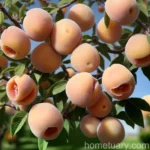
The Wonderful World of Prunus dulcis (Almond) – A Plant Scientist’s Perspective
In the realm of horticulture, there exists a myriad of plant species, each with its own unique characteristics and cultural requirements. Amongst these, the Prunus dulcis, commonly known as the Almond tree, holds a special place owing to its immense cultural, culinary, and horticultural significance. In this comprehensive guide, I, as a plant scientist, will delve into the fascinating world of Prunus dulcis, exploring its characteristics, cultivation, uses, and much more. So let’s embark on a journey to unravel the wonders of the Almond tree!
What is Prunus dulcis (Almond)?
Prunus dulcis, known as the Almond, is a deciduous tree that belongs to the family Rosaceae. This tree is native to the Middle East and South Asia and has been cultivated for thousands of years for its nuts. Almond trees are esteemed for their attractive appearance, fragrant flowers, and of course, the highly prized nuts they produce.
Key Takeaways – Prunus dulcis (Almond)
Before we delve deeper into the nuances of Prunus dulcis cultivation and uses, here are the key takeaways about this fascinating plant:
- Almond tree species: Prunus dulcis
- Almond tree characteristics: Deciduous tree, known for its fragrant flowers and nuts.
- Prunus dulcis varieties: Various cultivars and varieties exist, with differences in nut size, taste, and hardiness.
- Almond tree uses: Nuts used in culinary applications, oil extraction, and cosmetic products.
- Almond cultivation: Requires well-drained soil, adequate sunlight, and regular pruning.
- Health benefits of Almonds: High in nutrients, antioxidants, and beneficial for heart health.
Now, let’s explore the various facets of the Almond tree in detail, starting with its cultural requirements.
Culture
Water
Prunus dulcis requires well-drained soil and is sensitive to excessive moisture. Adequate watering is crucial, especially during the early stages of growth and during nut development. However, care should be taken to avoid waterlogging, which can lead to root rot.
Sunlight
Almond trees thrive in full sunlight and require at least 6-8 hours of direct sunlight for optimal growth and nut production. Insufficient sunlight can result in poor flowering and reduced nut yield.
Fertilizer
A balanced fertilizer regimen is essential for healthy Almond trees. Nitrogen, phosphorus, and potassium are key macronutrients that support the tree’s growth and nut development. Additionally, micronutrients such as zinc and magnesium play a vital role in overall health.
Soil
Well-drained, loamy soils are ideal for Almond cultivation. The soil pH should be slightly acidic to neutral (pH 6.0-7.5). Rich, fertile soils support robust growth and nut production.
Pruning
Regular pruning is essential for shaping the tree, promoting air circulation, and maintaining manageable tree size. Prune during the tree’s dormant season to remove dead or diseased wood, improve sunlight penetration, and encourage fruiting wood.
Uses
Culinary Uses
Almonds are a versatile culinary ingredient used in both sweet and savory dishes. From almond milk and butter to marzipan and almond flour, the culinary applications are diverse. The nut’s delicate flavor and crunchy texture make it a popular choice in various cuisines worldwide.
Oil Extraction
Almond oil, derived from the nuts, has numerous culinary, cosmetic, and medicinal applications. It is rich in monounsaturated fats and vitamin E, making it a valuable addition to skincare products, massage oils, and as a cooking oil in certain cuisines.
Health Benefits
Almonds are nutritional powerhouses, packed with protein, fiber, healthy fats, vitamins, and minerals. Regular consumption of almonds has been associated with improved heart health, weight management, and overall well-being.
Pruning
Proper pruning is essential for maintaining the health and productivity of Almond trees. Here are some key tips for pruning Prunus dulcis:
- Dormant Season: Prune during the dormant season, typically in late winter or early spring before the tree resumes active growth.
- Remove Dead Wood: Trim away any dead, damaged, or diseased wood to promote overall tree health.
- Thinning: Thin out crowded branches to improve air circulation and sunlight penetration within the canopy.
- Shape the Tree: Prune to shape the tree, promoting an open canopy structure that supports nut production and ease of maintenance.
- Minimal Pruning After Leafing Out: Avoid heavy pruning after the tree has leafed out, as this can stress the tree and reduce the following year’s flowering and fruiting.
Propagation
Seed Propagation
Almond trees can be grown from seed, although this method is less common due to variability in seedling traits and the time it takes for seed-grown trees to reach fruiting age. However, it can be a rewarding process for enthusiasts interested in growing Almond trees from the seed stage.
Grafting
Grafting is the preferred method for propagating Almond trees as it allows for the production of trees with desirable traits and ensures consistency in nut quality. T-budding and chip budding are commonly used grafting techniques for Almond propagation.
Container Popularity
Almond trees are not commonly grown in containers due to their large size and deep root system. However, dwarf or semi-dwarf Almond varieties can be grown in containers, provided they receive adequate sunlight and care. Container-grown Almond trees can be placed on patios or balconies, adding an ornamental and productive element to urban spaces.
Container Common Diseases
Container-grown Almond trees may be susceptible to certain diseases due to factors such as limited soil volume and potential moisture retention. Common diseases that can affect container-grown Almond trees include:
- Root Rot: Excessive moisture in container soil can lead to root rot, impacting the tree’s overall health and vigor.
- Powdery Mildew: Fungal infection that thrives in humid conditions, leading to white powdery patches on leaves and shoots.
- Bacterial Canker: Caused by Pseudomonas syringae, it can lead to the death of young shoots and branch dieback.
Disease Diagnosis
Accurately diagnosing diseases affecting Almond trees is crucial for implementing effective management strategies. Visual symptoms, laboratory analyses, and professional consultation can aid in identifying and addressing diseases. Common diseases that may affect Almond trees include:
- Leaf Curl: A fungal disease that leads to distorted and curled leaves, affecting overall tree vigor and nut production.
- Shot Hole Disease: Caused by the fungus Wilsonomyces carpophilus, it results in small, round lesions on leaves, impacting photosynthesis and plant health.
- Crown Gall: A bacterial disease caused by Agrobacterium tumefaciens, leading to the formation of tumor-like galls on roots and lower trunk, impeding nutrient uptake and water transport.
Common Pests
Almond trees are vulnerable to various pests that can impact their growth and productivity. Monitoring for pests and implementing integrated pest management (IPM) strategies are essential for safeguarding Almond orchards. Some common pests that may affect Almond trees include:
- Navel Orangeworm: Larvae feed on developing nuts, causing damage and reducing nut quality.
- Almond Moth: Larvae feed on almonds, leading to contamination and reduced market value.
- Aphids: These sap-sucking insects can affect new growth and may transmit plant viruses.
Botanist’s Tips
As a plant scientist with a fascination for Almond trees, here are some expert tips for growing and nurturing Prunus dulcis:
- Soil Preparation: Ensure the soil is well-drained and rich in organic matter to support healthy root development.
- Frost Protection: Protect young trees from late frosts using frost blankets or overhead sprinklers to mitigate potential damage.
- Nutrient Monitoring: Regularly test soil and leaf samples to monitor nutrient levels, ensuring the tree has access to essential elements.
- Integrated Pest Management: Implement cultural, biological, and chemical control measures to manage pests effectively while minimizing environmental impact.
- Pruning Techniques: Learn proper pruning techniques to encourage balanced growth, improve light penetration, and remove diseased wood.
Fun Facts
No exploration of the Almond tree would be complete without a sprinkle of fun facts. Here are some intriguing tidbits about Prunus dulcis:
- The Almond is not a true nut but rather the seed of the Almond fruit, which is botanically classified as a drupe.
- Almonds are mentioned in ancient texts and have been cultivated for over 4,000 years.
- California is a leading producer of Almonds, accounting for approximately 80% of global production.
Links to External Resources
As a continuous learner and advocate for knowledge sharing, here are some valuable external resources for further exploration of Prunus dulcis (Almond) cultivation, uses, and research:
- University of California Agriculture and Natural Resources – Almonds
- Almond Board of California
- USDA Plant Profile: Prunus dulcis
- National Center for Biotechnology Information (NCBI) – Almond Research
- American Society for Horticultural Science – Almond Cultivation Studies
By leveraging these resources, enthusiasts and professionals alike can expand their knowledge and stay apprised of the latest developments in Prunus dulcis research and cultivation practices.
In conclusion, the Almond tree, scientifically known as Prunus dulcis, stands as a symbol of culinary delight, horticultural elegance, and nutritional richness. From its delicate blossoms in spring to the flavorful nuts harvested in fall, this remarkable tree continues to captivate growers, researchers, and epicures worldwide. As a plant scientist, it is my hope that this comprehensive guide has shed light on the multifaceted nature of the Almond tree, inspiring a deeper appreciation for its botanical wonders and practical applications. May the allure of Prunus dulcis continue to blossom and enrich our lives for generations to come.
So, let’s raise a toast, or perhaps a handful of Almonds, to the enchanting legacy of the Almond tree!
The diligent efforts of botanists and horticultural scientists have unveiled the plethora of virtues that Prunus dulcis (Almond) embodies. Through diligent research and cultivation, we have come to appreciate the manifold uses and benefits of this renowned tree. As we look to the future, it is imperative to continue our exploration of its genetic variations, climate preferences, and potential medicinal properties. Embracing the joy and wonder that Almonds bring to our lives, may we cultivate a deeper understanding and reverence for Prunus dulcis and its contributions to horticulture and human well-being.