Populus Nigra ‘Italica’ (Lombardy Poplar)
Populus nigra ‘Italica,’ commonly known as Lombardy Poplar, is a majestic, fast-growing deciduous tree that hails from Europe and Western Asia. The.
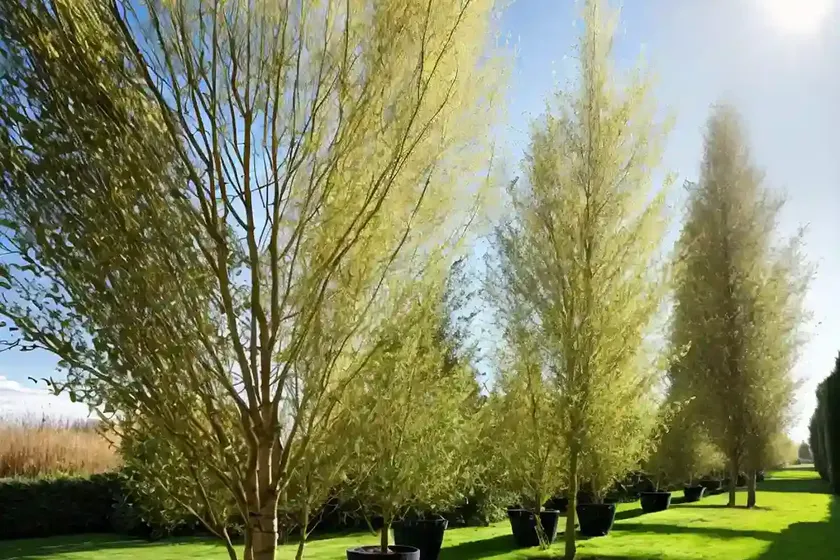

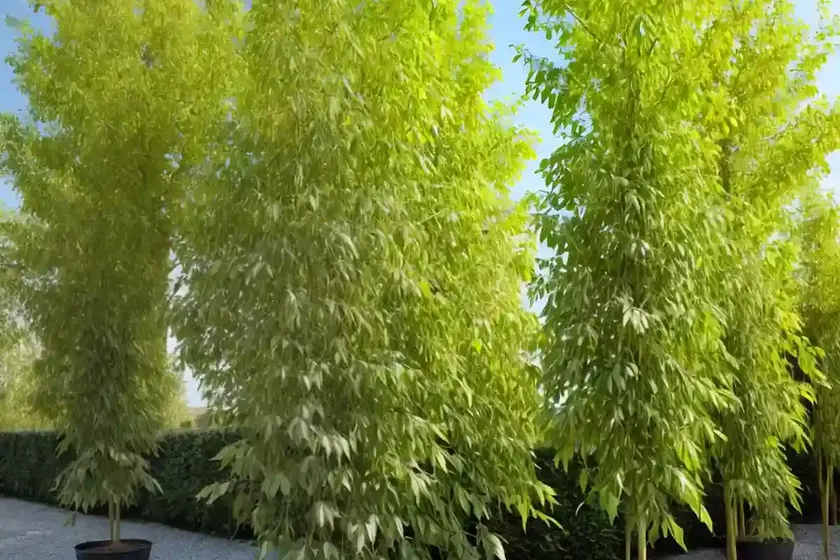
Populus nigra ‘Italica,’ commonly known as Lombardy Poplar, is a majestic, fast-growing deciduous tree that hails from Europe and Western Asia. The Lombardy Poplar is prized for its striking columnar form, making it a favorite among landscapers and homeowners for creating a dramatic vertical accent in the landscape. Its characteristic tall, slender profile and distinctive branching pattern make it a popular choice for avenues, windbreaks, and specimen plantings.
Key Takeaways – Populus nigra ‘Italica’ (Lombardy Poplar)
- Common Names: Lombardy Poplar, Italian Poplar, Black Poplar
- Scientific Name: Populus nigra ‘Italica’
- Growth Habit: Fastigiate, tall, narrow, columnar
- Foliage: Deciduous, triangular to diamond-shaped leaves
- Preferred Climate: Winter hardy, adaptable to various climates
- Landscaping Uses: Vertical accent, avenue planting, windbreak, specimen tree
- Growth Rate: Fast-growing
- Height: Can reach up to 40-50 feet in height
- Characteristics: Distinctive form, rapid growth, ornamental bark
Plant Characteristics
Appearance
The Lombardy Poplar is renowned for its striking appearance. Its narrow, columnar shape lends an air of elegance and formality to any landscape. The tree typically features an upright, straight trunk with upward-pointing branches, creating a spire-like silhouette. During the growing season, the tree is adorned with vibrant green, diamond-shaped leaves that rustle in the slightest breeze, adding to its ornamental appeal. In the fall, the foliage turns a brilliant golden yellow, providing a stunning visual display before shedding its leaves for the winter. Additionally, the bark of the Lombardy Poplar is grayish and deeply furrowed, lending an attractive textural element to the tree’s overall aesthetic.
Growth Rate
One of the most notable characteristics of Populus nigra ‘Italica’ is its rapid growth rate. This deciduous tree can attain impressive heights at a quick pace, making it an ideal choice for those seeking to establish a vertical element in their landscape within a relatively short timeframe.
Environmental Adaptability
Populus nigra ‘Italica’ exhibits remarkable adaptability to various environmental conditions. It is known for its winter hardiness, enabling it to thrive in regions with cold, harsh winter climates. Moreover, the tree can tolerate a range of soil types and is relatively drought-tolerant once established, making it suitable for different landscapes and soil conditions.
Ecological Importance
In addition to its ornamental value, the Lombardy Poplar also plays a crucial role in the ecosystem. Its dense foliage provides habitat and cover for various wildlife, while its rapid growth contributes to soil stabilization and erosion control in appropriate settings.
Culture
Successfully cultivating and nurturing Populus nigra ‘Italica’ in a garden or landscape requires an understanding of its specific cultural requirements. From water and sunlight needs to soil conditions and fertilization, providing the right care is essential for the tree’s health and vigor.
Water
Proper watering is fundamental to the optimal growth and health of Lombardy Poplars, especially during its initial establishment phase. While these trees can tolerate drought once established, regular watering is vital for young trees to support healthy root development. Generally, providing deep, infrequent watering is preferable to frequent shallow watering. During extended dry periods, supplemental irrigation may be necessary to maintain the well-being of the trees.
Sunlight
The Lombardy Poplar thrives in full sun, requiring at least 6-8 hours of direct sunlight daily to flourish. When selecting a site for planting, it is crucial to ensure that the tree will receive ample sunlight throughout the day to promote robust growth and maintain its iconic form.
Fertilizer
Applying a balanced, slow-release fertilizer in the early spring can provide the necessary nutrients for the vigorous growth of Lombardy Poplars. However, it is essential to avoid excessive use of nitrogen-rich fertilizers, as these can lead to rapid, weak growth and increased susceptibility to pests and diseases.
Soil
Lombardy Poplars are known for their adaptability to a wide range of soil types. However, they thrive best in moist, well-draining soils. Although they can tolerate periodic wet conditions, the trees do not fare well in waterlogged or extremely compacted soils. Prior to planting, it is beneficial to improve the soil’s drainage and fertility by incorporating organic matter such as compost into the planting site.
Pruning
While the rapid growth of Lombardy Poplars contributes to their appeal, it also necessitates regular pruning to maintain their desired form and structural integrity. Pruning should be carried out during the dormant season to minimize stress on the tree and reduce the risk of sap bleeding. When pruning, it is essential to focus on the removal of dead, diseased, or damaged branches, as well as any competing or crossing branches. Additionally, thinning out the canopy can improve air circulation and reduce the risk of foliar diseases.
Propagation
The propagation of Populus nigra ‘Italica’ can be accomplished through several methods, including hardwood cuttings, softwood cuttings, and seed propagation. Hardwood cuttings are typically taken in late winter, utilizing mature, dormant branches. Softwood cuttings, on the other hand, are collected from the current season’s growth in late spring or early summer. While both cutting methods can be effective, seed propagation is also a viable option, particularly for growers seeking to propagate large numbers of trees. However, it is important to note that Lombardy Poplars have a high propensity for root suckering, and appropriate measures should be taken to prevent the spread of suckers if unwanted.
Container Popularity
In addition to being planted in outdoor landscapes, Lombardy Poplars are sometimes grown in containers. This method of cultivation is especially common in urban settings, where space for expansive tree planting may be limited. When grown in containers, these trees can serve as striking ornamental specimens on patios, in courtyards, or along walkways, adding vertical interest to confined spaces.
Container Common Diseases
While container cultivation offers several advantages, it also presents unique challenges, including the potential for specific diseases. Root rot, caused by overwatering and poor soil drainage, is one of the primary concerns associated with growing Lombardy Poplars in containers. Inadequate aeration and excessive moisture in the root zone can predispose the trees to this damaging condition, leading to wilting, yellowing foliage, and overall decline.
Disease Diagnosis
Diagnosing and managing diseases in container-grown Lombardy Poplars requires careful observation and prompt intervention. Early symptoms such as leaf discoloration, stunted growth, and wilted foliage should be investigated to identify the underlying cause. Careful examination of the roots and soil can provide valuable insights into the presence of diseases or other issues affecting the tree’s health.
Common Pests
Containerized Lombardy Poplars may also be susceptible to pests such as aphids, caterpillars, and scale insects. Regular monitoring and proactive pest management are crucial for preventing infestations and minimizing potential damage to the trees.
Botanist’s Tips
- Site Selection: When selecting a location for planting Lombardy Poplars, choose a site with well-draining soil and ample sunlight to optimize the tree’s growth and visual impact.
- Regular Maintenance: Implement a schedule for regular pruning and maintenance to preserve the tree’s form and minimize the risk of disease and pest issues.
- Watering Practice: During the establishment phase, provide consistent and deep watering to promote healthy root development and overall vigor.
- Varietal Considerations: Explore different cultivars and varieties of Populus nigra for diverse characteristics and adaptability to specific growing conditions.
- Eco-Friendly Benefits: Recognize the ecological importance of Lombardy Poplars in providing habitat, shade, and soil stabilization, contributing to sustainable landscape management.
Fun Facts
- Lombardy Poplars are often associated with historic landscapes, formal gardens, and grand estates due to their classical and architectural appeal.
- The iconic shape of Lombardy Poplars has been a source of inspiration for artists, poets, and landscape designers throughout history.
- In addition to their ornamental value, the resilient wood of Lombardy Poplars has been utilized in various traditional woodworking applications.
Links to External Resources
- Lombardy Poplar – Royal Horticultural Society
- Lombardy Poplar – Missouri Botanical Garden
- Populus nigra ‘Italica’ – Plant Conservation Alliance
- National Tree Week: Lombardy Poplar – Woodland Trust
In conclusion, Populus nigra ‘Italica’ (Lombardy Poplar) stands out as a charismatic and visually striking tree, revered for its fastigiate form, rapid growth, and ornamental allure. With the right cultural practices and thoughtful placement, this elegant deciduous tree can impart a sense of grandeur and sophistication to a wide range of landscapes, making it a cherished selection for both ornamental and practical purposes. Whether adorning majestic avenues or gracing urban courtyards, Lombardy Poplars continue to captivate admirers with their stately presence and timeless appeal.


