All About Phlox paniculata Flame White Eye (Garden Phlox)
Plants have always been an integral part of human life. They provide us with food, medicine, and oxygen, as well as adding beauty and tranquility to our surroundings. In this article, we will explore the world of Phlox paniculata Flame White Eye, commonly known as Garden Phlox. This beautiful plant has captured the hearts of many gardeners with its striking appearance, vibrant colors, and delightful fragrance. We will delve into its cultivation, care, and maintenance, as well as its uses and significance in the world of gardening.
What is Phlox paniculata Flame White Eye (Garden Phlox)?
Description
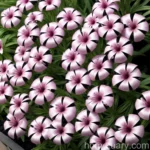
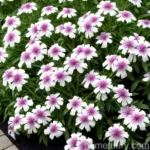
Phlox paniculata, a member of the Polemoniaceae family, is a perennial plant native to parts of the United States and Canada. The Flame White Eye variety is a particular cultivar known for its stunning white flowers with a prominent deep purple eye at the center of each blossom. The plant boasts lush, lance-shaped foliage and forms dense clusters of fragrant flowers, creating a captivating display in garden beds and borders.
Origin of the Name
The genus name “Phlox” is derived from the Greek word for flame, which describes the vibrant colors of the flowers. The species name “paniculata” refers to the plant’s panicle-shaped clusters of blossoms. The cultivar name “Flame White Eye” aptly describes the unique appearance of the flowers, with their white petals and pronounced eye-catching centers.
Key Characteristics
- Height: The Garden Phlox typically grows to a height of 2 to 4 feet, making it an excellent choice for mid-border planting.
- Flowers: The flowers of Phlox paniculata Flame White Eye are characterized by their white petals and striking purple eye patterns. They bloom prolifically in summer, attracting bees, butterflies, and hummingbirds with their sweet fragrance.
- Foliage: The lance-shaped leaves of Garden Phlox form a lush green backdrop for the vibrant blossoms, adding visual interest even when the plant is not in bloom.
- Fragrance: The pleasant fragrance of the flowers enhances the overall appeal of this plant, making it a delightful addition to any garden or landscape.
Phlox paniculata Flame White Eye is a visually striking and versatile plant that can be utilized in various garden settings, from formal borders to naturalistic plantings.
Key Takeaways – Phlox paniculata Flame White Eye (Garden Phlox)
Garden Phlox offers an array of benefits for gardeners and the environment. Here are some key takeaways about this captivating plant:
- Vibrant Blooms: The stunning white flowers with their striking purple eyes make Phlox paniculata Flame White Eye a visually appealing addition to any garden.
- Fragrance: The sweet fragrance of the blossoms attracts pollinators, adding to the biodiversity and charm of the garden.
- Versatility: This Garden Phlox variety can be used in various garden designs, from formal landscapes to more naturalistic settings.
- Wildlife Attraction: The nectar-rich flowers of Phlox paniculata Flame White Eye are a magnet for bees, butterflies, and hummingbirds, contributing to the overall health of the ecosystem.
This spectacular plant can be a valuable addition to any gardener’s collection, providing beauty, fragrance, and ecological benefits.
Culture
Cultivating Phlox paniculata Flame White Eye involves understanding its specific cultural requirements to ensure optimal growth, health, and the prolific display of its charming blossoms. Let’s delve into the cultural aspects of nurturing this Garden Phlox variety.
Uses
With its captivating beauty and delightful fragrance, Phlox paniculata Flame White Eye serves a range of purposes in the garden:
- Ornamental Value: The vibrant, fragrant flowers make Garden Phlox a popular choice for adding color and visual interest to garden beds, borders, and containers.
- Wildlife Habitat: The nectar-rich blossoms attract pollinators, such as bees, butterflies, and hummingbirds, promoting biodiversity in the garden.
- Cut Flower: Garden Phlox flowers are also popular for floral arrangements, adding a touch of elegance to indoor spaces.
The versatility of Phlox paniculata Flame White Eye makes it a valuable asset in various garden scenarios, from aesthetic enhancement to ecological conservation.
Water
Proper watering is crucial for the health and vitality of Phlox paniculata Flame White Eye. Here are some essential considerations for watering this Garden Phlox variety:
- Watering Frequency: Garden Phlox generally requires consistent moisture, especially during periods of active growth and flowering. However, it’s important to avoid overwatering, as excessive moisture can lead to root rot and other issues.
- Soil Drainage: Well-draining soil is essential for preventing waterlogged conditions that can harm the plant. Improving soil drainage, if necessary, can support the overall health of Phlox paniculata Flame White Eye.
Proper watering practices ensure that Garden Phlox thrives and produces an abundance of delightful blooms throughout the growing season.
Sunlight
Sunlight is a primary factor influencing the growth and blooming of Phlox paniculata Flame White Eye. Understanding its sunlight requirements is crucial for successful cultivation:
- Full Sun: Garden Phlox typically thrives in full sun, receiving at least 6 to 8 hours of direct sunlight each day. Adequate sunlight promotes robust growth and abundant flowering.
- Partial Shade: While Garden Phlox prefers full sun, it can tolerate some dappled or partial shade, especially in regions with intense summer heat.
By providing the appropriate amount of sunlight, gardeners can ensure that Phlox paniculata Flame White Eye flourishes and puts on an impressive floral display.
Fertilizer
Feeding Phlox paniculata Flame White Eye with the right nutrients supports its growth, flowering, and overall vigor. Here’s what to consider when fertilizing this Garden Phlox variety:
- Balanced Fertilizer: Applying a balanced, slow-release fertilizer in spring can provide the necessary nutrients for healthy growth and abundant blooms.
- Avoiding Excess Nitrogen: While some nitrogen is necessary for foliage development, excessive nitrogen can lead to lush growth at the expense of prolific flowering. Therefore, it’s advisable to avoid high-nitrogen fertilizers that may hinder flowering.
Strategic and mindful fertilization contributes to the overall well-being of Garden Phlox, promoting strong stems, lush foliage, and an abundance of fragrant blossoms.
Soil
The choice of soil and its quality significantly impacts the performance of Phlox paniculata Flame White Eye. Understanding the soil requirements for this Garden Phlox variety is fundamental to its successful cultivation:
- Well-Draining Soil: Garden Phlox thrives in well-draining, fertile soil that provides adequate moisture without becoming waterlogged.
- Soil pH: Phlox paniculata Flame White Eye prefers slightly acidic to neutral soil with a pH range of 6.0 to 7.0. Amending the soil with organic matter can enhance its structure and fertility, creating an optimal growing environment for the plant.
By selecting the right soil and making necessary amendments, gardeners can lay the foundation for healthy, robust growth and abundant flowering in their Garden Phlox.
Pruning
Pruning plays a vital role in maintaining the health, appearance, and blooming capacity of Phlox paniculata Flame White Eye. Here are key considerations for pruning this Garden Phlox variety:
- Deadheading: Regular deadheading of spent blooms promotes continuous flowering and prevents the plant from expending energy on seed production.
- Thinning: Periodically thinning the stems and removing overcrowded or weak growth enhances air circulation and reduces the risk of disease.
- Cutting Back: In late fall or early spring, cutting back the foliage to ground level refreshes the plant and encourages new growth and flowering in the upcoming season.
Strategic pruning practices are essential for ensuring the longevity and vibrancy of Garden Phlox, allowing it to continue delighting gardeners with its enchanting blossoms year after year.
Propagation
Propagation offers a means to expand the presence of Phlox paniculata Flame White Eye in the garden, creating new plants from existing ones. Here are common propagation methods for this Garden Phlox variety:
- Division: Dividing mature clumps of Garden Phlox in early spring or fall can yield new plants with minimal effort. Each division should have a healthy portion of roots and shoots to support proper establishment.
- Cuttings: Taking stem cuttings from actively growing shoots and rooting them in a suitable medium provides another effective way to propagate Phlox paniculata Flame White Eye.
By propagating Garden Phlox, gardeners can multiply their plant stock and share the beauty of this captivating variety with others, enriching the landscape and fostering a deeper appreciation for these remarkable plants.
Container Popularity
Phlox paniculata Flame White Eye’s captivating blooms and manageable size make it an ideal candidate for container gardening. Here’s why this Garden Phlox variety is popular for container cultivation:
- Compact Growth Habit: The moderate height and compact growth habit of Phlox paniculata Flame White Eye make it well-suited for containers, allowing it to thrive in confined garden spaces and on patios.
- Decorative Appeal: The vibrant white flowers with their striking purple eyes add a touch of elegance and charm to container gardens, enhancing the visual appeal of outdoor living spaces.
The popularity of Garden Phlox Flame White Eye in container gardening reflects its adaptability, versatility, and alluring aesthetic qualities.
Common Diseases and Pests
Maintaining the health and vigor of Phlox paniculata Flame White Eye involves being aware of potential diseases and pests that may affect the plant. Here are some common issues and methods for managing them:
Disease Diagnosis
Garden Phlox can be susceptible to certain diseases, including:
- Powdery Mildew: A fungal disease that appears as a white, powdery coating on the leaves, typically in humid conditions. Proper air circulation and preventive fungicidal applications can help manage this disease.
- Botrytis Blight: This fungal disease causes brown spots on the foliage and flowers, often in cool, damp conditions. Pruning to improve air circulation and applying fungicides can aid in controlling its spread.
Common Pests
Pests that may affect Phlox paniculata Flame White Eye include:
- Spider Mites: These tiny pests may infest the plant, causing stippling and webbing on the foliage. Regularly hosing down the plants and applying insecticidal soap can help mitigate their presence.
- Aphids: Aphids can colonize the tender growth of Garden Phlox, leading to distorted leaves and stunted plant growth. Insecticidal soap or horticultural oil applications can effectively manage aphid infestations.
By monitoring the plant for signs of disease and pests and implementing appropriate control measures when necessary, gardeners can safeguard the health and vitality of their Garden Phlox.
Botanist’s Tips
To foster successful growth and abundant flowering of Phlox paniculata Flame White Eye, consider the following botanist’s tips:
- Regular Inspection: Periodically inspect the plant for signs of disease, pest infestations, or cultural issues, intervening promptly to address any issues that may arise.
- Supportive Environment: Create a conducive environment for Garden Phlox by providing balanced nutrition, appropriate sunlight, and well-draining soil, fostering its overall well-being and longevity.
By adhering to these tips, gardeners can optimize the growing conditions for Phlox paniculata Flame White Eye, enabling the plant to thrive and enchant with its radiant blooms.
Fun Facts
Let’s explore some fascinating and lesser-known facts about Phlox paniculata Flame White Eye:
- Historical Significance: Native American tribes utilized certain Phlox species for medicinal purposes, including treating various ailments such as sore throats and skin irritations.
- Butterfly Magnet: Garden Phlox, including the Flame White Eye variety, is known for attracting and supporting various butterfly species, contributing to the conservation of these enchanting insects.
- Cultural Symbolism: Phlox flowers have been associated with sentiments of harmony and partnership in certain cultural contexts, symbolizing unity and mutual understanding.
These intriguing facts shed light on the remarkable attributes and cultural significance of Phlox paniculata Flame White Eye, deepening our appreciation for this captivating plant.
Links to External Resources
For further information and resources on Phlox paniculata Flame White Eye and Garden Phlox cultivation, consider exploring the following links:
- Garden Phlox: Planting and Care Guide
- Understanding Powdery Mildew and Its Management
- Attracting Pollinators to the Garden
These external resources provide valuable insights and guidance for cultivating and nurturing Garden Phlox, enriching our understanding of this captivating plant.
In the world of gardening, Phlox paniculata Flame White Eye stands out as a remarkable and enchanting plant, captivating gardeners and admirers alike with its delightful blossoms and ecological contributions. By embracing its beauty and understanding its cultural requirements, we can further elevate our appreciation for this remarkable Garden Phlox variety, fostering its presence in the landscape and contributing to the splendor of nature’s tapestry.
Happy Gardening!
In this article, we covered various aspects of Phlox paniculata Flame White Eye, including its cultural requirements, uses, common diseases and pests, propagation, and interesting facts. We also provided insights into its significance in the world of gardening and included links to external resources for further exploration. Whether you’re a seasoned gardener or an enthusiast looking to expand your plant knowledge, the captivating allure of Garden Phlox is an invitation to appreciate and celebrate the beauty of nature.