Phlox paniculata Light Pink Flame (Garden Phlox): A Complete Guide
As a plant scientist and enthusiast, there are few things as satisfying as nurturing and observing the growth of beautiful garden plants. One such plant that has garnered attention for its vibrant blooms and versatility is Phlox paniculata Light Pink Flame, also known as Garden Phlox. In this comprehensive guide, we will delve into the description, benefits, planting tips, care instructions, fun facts, and much more about this stunning plant.
What is Phlox paniculata Light Pink Flame?
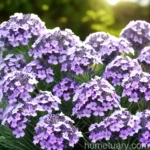
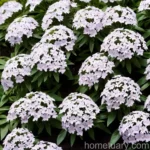
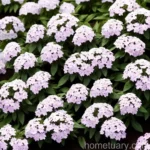
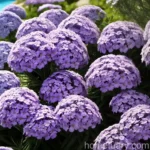
Phlox paniculata Light Pink Flame is a perennial plant that belongs to the Polemoniaceae family. It is native to parts of the United States and Canada and is renowned for its clusters of delicate, aromatic flowers that bloom in a variety of colors, including shades of pink, purple, and white. The Light Pink Flame variety specifically features captivating light pink blooms with a striking darker pink center, adding an enchanting touch to any garden or landscape.
This garden phlox variety is characterized by its upright growth habit, typically reaching a height of 2 to 4 feet and a spread of 1 to 3 feet. It is a popular choice for many gardeners due to its long-lasting blooms, attractiveness to pollinators, and relatively low maintenance requirements.
Key Takeaways – Phlox paniculata Light Pink Flame
Before we delve deeper into the various aspects of growing and caring for Phlox paniculata Light Pink Flame, let’s take a moment to summarize the key takeaways of the plant:
- Description: Phlox paniculata Light Pink Flame is a perennial plant known for its clusters of light pink flowers with a darker pink center. It features an upright growth habit and is a popular choice for gardeners.
- Benefits of growing Phlox paniculata Light Pink Flame: This garden phlox variety offers long-lasting blooms, attracts pollinators, and adds a vibrant touch to any garden or landscape.
- Planting tips: When planting Phlox paniculata Light Pink Flame, it is essential to consider factors such as soil type, sunlight exposure, and spacing to promote healthy growth and abundant blooms.
- Care instructions: Proper watering, sunlight exposure, fertilization, soil maintenance, pruning, and disease prevention are crucial aspects of caring for Phlox paniculata Light Pink Flame.
Now, let’s explore each of these aspects in detail to gain a comprehensive understanding of how to cultivate and maintain this stunning garden phlox variety.
Description
Phlox paniculata Light Pink Flame is characterized by its elegant clusters of light pink flowers that adorn its tall, slender stems. The individual flowers exhibit a darker pink center, creating a captivating contrast and adding visual interest to the plant. The blooms are not only visually appealing but also emit a delightful fragrance, attracting butterflies and other pollinators to the garden.
With its sturdy and upright growth habit, Phlox paniculata Light Pink Flame stands tall, typically reaching a height of 2 to 4 feet. The plant’s foliage consists of lance-shaped, deep green leaves that provide an attractive backdrop to the profusion of blooms. When in full bloom, this garden phlox variety creates a stunning display, making it a focal point in any garden or landscape setting.
Benefits of Growing Phlox paniculata Light Pink Flame
The cultivation of Phlox paniculata Light Pink Flame offers an array of benefits that make it a desirable addition to any garden. Here are some of the key benefits of growing this garden phlox variety:
-
Long-lasting blooms: Phlox paniculata Light Pink Flame is renowned for its abundant, long-lasting blooms, which can grace the garden for an extended period, typically from mid to late summer. The continuous display of delicate pink flowers adds a touch of elegance and color to the landscape, enhancing its visual appeal.
-
Attracts pollinators: The fragrant flowers of Phlox paniculata Light Pink Flame are highly attractive to pollinators, including butterflies, bees, and hummingbirds. By planting this garden phlox variety, gardeners can actively promote and support the local ecosystem by providing a source of nectar for these beneficial insects and birds.
-
Vibrant garden addition: With its charming light pink blooms and lush green foliage, Phlox paniculata Light Pink Flame serves as a vibrant and eye-catching addition to any garden or landscape. Whether used in borders, mixed plantings, or perennial beds, this garden phlox variety contributes to a lively and dynamic outdoor environment.
-
Low maintenance requirements: While Phlox paniculata Light Pink Flame thrives when provided with optimal growing conditions, it is relatively low maintenance once established. With proper care and attention, this resilient plant can continue to grace the garden with its blooms year after year.
Planting Tips for Phlox paniculata Light Pink Flame
Successful cultivation of Phlox paniculata Light Pink Flame begins with thoughtful and strategic planting. From selecting an appropriate location to preparing the soil, several factors should be considered to ensure the plant’s health and vigor. Here are essential planting tips for this garden phlox variety:
Culture
When selecting a location for planting Phlox paniculata Light Pink Flame, it is crucial to take into account the cultural preferences of the plant to provide an environment that supports its growth and blooming. Consider the following factors:
-
Hardiness zones: Phlox paniculata is generally hardy in USDA zones 4 to 8. Before planting, ensure that your local hardiness zone is compatible with the plant’s requirements to promote robust growth and winter hardiness.
-
Spacing: Provide adequate spacing between individual plants to allow for proper air circulation and minimize the risk of disease. Typically, spacing Phlox paniculata plants 18 to 24 inches apart is recommended to accommodate their mature size and prevent overcrowding.
Uses
Phlox paniculata Light Pink Flame is a versatile plant that can be utilized in various garden settings to enhance visual appeal and contribute to the overall landscape design. Some common uses of this garden phlox variety include:
-
Borders: The tall, upright nature of Phlox paniculata Light Pink Flame makes it well-suited for border plantings, where it can serve as a backdrop to shorter plants or provide a vertical accent along garden pathways.
-
Mixed plantings: Incorporate Phlox paniculata Light Pink Flame in mixed perennial or annual plantings to introduce a pop of color and texture. Pairing it with complementary plants can create visually striking combinations that add interest to the garden.
-
Cut flowers: The attractive blooms of Phlox paniculata Light Pink Flame make it a wonderful candidate for cut flower arrangements. Harvesting the flowers for indoor displays allows for the enjoyment of its beauty and fragrance indoors as well.
Water
Proper watering is essential for the establishment and ongoing health of Phlox paniculata Light Pink Flame. Consider the following watering guidelines to support the plant’s growth:
-
Establishment: After planting, provide ample water to support the establishment of Phlox paniculata Light Pink Flame. Keep the soil consistently moist, but avoid waterlogging, which can lead to root rot. Water deeply to encourage the development of a robust root system.
-
Regular watering: During the active growing season, monitor the soil moisture regularly and water the plant when the top inch of soil feels dry to the touch. Aim to provide approximately 1 inch of water per week, either through rainfall or supplemental irrigation.
Sunlight
Sunlight plays a crucial role in the growth and blooming of Phlox paniculata Light Pink Flame. Understanding the plant’s sunlight requirements is essential to ensure optimal performance:
-
Full sunlight: Phlox paniculata Light Pink Flame thrives in full sunlight, defined as at least 6 to 8 hours of direct sunlight per day. When selecting a planting site, choose a location that receives ample sunlight to promote strong, healthy growth and abundant flowering.
-
Partial shade: While this garden phlox variety prefers full sunlight, it can tolerate partial shade, particularly in regions with intense summer heat. If planting in partial shade, ensure that the plant still receives several hours of direct sunlight daily for best results.
Fertilizer
Supplemental feeding can support the growth and blooming of Phlox paniculata Light Pink Flame, particularly in nutrient-deficient soils. Consider the following guidelines for fertilizing this garden phlox variety:
-
Soil testing: Before applying fertilizer, consider conducting a soil test to determine the existing nutrient levels and pH of the soil. This information can guide the selection of an appropriate fertilizer and application rates.
-
Balanced fertilizer: When choosing a fertilizer for Phlox paniculata Light Pink Flame, opt for a balanced, all-purpose fertilizer with an equal N-P-K (nitrogen, phosphorus, potassium) ratio, such as 10-10-10 or 10-10-10. Apply the fertilizer in early spring before new growth emerges, following the manufacturer’s recommendations for application rates.
Soil
The soil conditions in which Phlox paniculata Light Pink Flame is planted significantly impact its overall health and performance. Consider the following soil-related factors when cultivating this garden phlox variety:
-
Well-draining soil: Phlox paniculata Light Pink Flame thrives in well-draining soils that do not retain excessive moisture. Avoid planting it in heavy, compacted soils that may lead to waterlogged conditions and root rot.
-
Organic matter: Incorporating organic matter, such as compost or well-rotted manure, into the soil prior to planting can improve its structure, drainage, and fertility. This organic amendment provides essential nutrients and promotes beneficial soil microbial activity.
Pruning
Pruning plays a vital role in maintaining the health, shape, and blooming performance of Phlox paniculata Light Pink Flame. Proper pruning techniques can help manage the plant’s growth and encourage prolific flowering:
-
Deadheading: Regularly deadhead faded blooms by removing the spent flowers to encourage the production of new flower buds. Deadheading prevents the plant from expending energy on seed production and promotes continuous blooming throughout the season.
-
Cutting back: In late fall or early spring, consider cutting back the stems of Phlox paniculata Light Pink Flame to ground level to promote new growth and enhance the vigor of the plant. This rejuvenating pruning can help maintain a tidy appearance and prevent self-seeding.
Propagation
The ability to propagate Phlox paniculata Light Pink Flame through various methods allows gardeners to expand their plantings and share the beauty of this garden phlox variety with others. Consider these propagation techniques:
-
Division: Every few years, divide mature clumps of Phlox paniculata Light Pink Flame to rejuvenate the plant, control its size, and create new individual plants. Use a sharp garden spade to carefully divide the clump and replant the divisions in suitable locations.
-
Stem cuttings: Collect stem cuttings from healthy, actively growing shoots of Phlox paniculata Light Pink Flame and root them in a suitable propagation medium, such as a well-draining potting mix or perlite. Provide the appropriate humidity and warmth to encourage successful rooting.
Container Popularity
While Phlox paniculata Light Pink Flame is commonly grown in garden borders and perennial beds, it can also thrive in containers, offering flexibility and versatility in garden design and management. Consider the following aspects when growing this garden phlox variety in containers:
-
Container selection: Choose a spacious container with adequate drainage holes to accommodate the mature size of Phlox paniculata Light Pink Flame and promote healthy root development. Select a container material that is durable and can withstand outdoor conditions.
-
Growing medium: Use a high-quality, well-draining potting mix when planting Phlox paniculata Light Pink Flame in containers. The growing medium should provide ample aeration and moisture retention while preventing waterlogging.
-
Maintenance: Container-grown Phlox paniculata Light Pink Flame may require more frequent watering than those planted in the ground, as containers can dry out more quickly. Monitor the soil moisture regularly and provide appropriate irrigation to support the plant’s growth.
Common Diseases and Pest Management
Despite its resilience, Phlox paniculata Light Pink Flame is susceptible to certain diseases and pests that can affect its health and blooming. Understanding the common issues and their management is essential for preserving the plant’s vitality. Let’s explore some common diseases, pest management strategies, and tips for maintaining a healthy garden phlox variety:
Common Diseases
-
Powdery mildew: Phlox paniculata is particularly prone to powdery mildew, a fungal disease characterized by the development of a white, powdery coating on the plant’s leaves and stems. To prevent powdery mildew, ensure proper air circulation, avoid overhead watering, and consider applying fungicidal treatments as a preventive measure.
-
Botrytis blight: Botrytis blight, also known as gray mold, can affect Phlox paniculata Light Pink Flame, causing brown, water-soaked spots on the foliage and flowers. Preventative measures include promoting good airflow around the plant, removing and disposing of infected plant debris, and avoiding overwatering.
Disease Diagnosis
Diagnosing diseases in Phlox paniculata Light Pink Flame involves careful observation of the plant’s symptoms and understanding the environmental conditions that may contribute to disease development. Common signs of diseases in this garden phlox variety include:
- Foliage discoloration: Yellowing, browning, or spotting of the leaves.
- Powdery or fuzzy growth: The presence of white or gray fungal growth on the plant surfaces.
- Stunted growth: Reduced vigor and growth of the plant compared to its usual state.
- Decay or wilting: Soft, water-soaked areas on the stems or foliage, accompanied by wilting.
When observing these symptoms, promptly assess the growing conditions, address any environmental stressors, and implement appropriate disease management strategies to protect the health of Phlox paniculata Light Pink Flame.
Common Pests
-
Spider mites: These tiny arachnids can infest Phlox paniculata, causing stippling and discoloration of the leaves. Regularly inspect the plant for spider mite activity, particularly during dry and hot weather, and use insecticidal soaps or horticultural oils to manage infestations.
-
Aphids: Aphids are common sap-feeding insects that can cluster on the tender growth of Phlox paniculata Light Pink Flame, causing distortion and yellowing of the foliage. Use a strong blast of water or insecticidal treatments to control aphid populations and protect the plant from damage.
Botanist’s Tips
As a plant scientist, it’s important to share insights and tips that can help fellow gardeners successfully cultivate and care for Phlox paniculata Light Pink Flame. Here are some expert recommendations and guidance for growing and enjoying this beautiful garden phlox variety:
-
Soil preparation: Before planting Phlox paniculata Light Pink Flame, take the time to prepare the soil by incorporating organic matter and ensuring proper drainage. Healthy soil sets the stage for the plant’s long-term success and resilience.
-
Regular monitoring: Keep a close eye on the plant’s growth, foliage, and blooming patterns throughout the season. Regular monitoring allows for early detection of any issues, such as diseases or pest infestations, enabling timely intervention and management.
-
Pruning for rejuvenation: Periodic pruning and deadheading not only maintain the appearance of Phlox paniculata Light Pink Flame but also promote continuous blooming and invigorate the plant. Emphasize the importance of appropriate pruning techniques to fellow gardeners.
-
Promote biodiversity: Encourage the incorporation of Phlox paniculata Light Pink Flame in garden designs that prioritize biodiversity and support pollinators. By creating diverse and pollinator-friendly landscapes, gardeners contribute to the conservation of beneficial insects and birds.
-
Year-round care: Highlight the importance of considering the plant’s care requirements beyond the blooming season. Emphasize the need for proper watering, fertilization, and pruning throughout the year to maintain the health and vigor of Phlox paniculata Light Pink Flame.
Fun Facts
-
Hummingbird magnet: The vibrant blooms of Phlox paniculata Light Pink Flame are highly attractive to hummingbirds, making it a valuable plant for creating a welcoming habitat for these delightful avian visitors.
-
Deer resistance: While no plant is entirely deer-proof, Phlox paniculata Light Pink Flame exhibits a degree of resistance to deer browsing, making it a suitable choice for gardens in areas frequented by deer.
-
Fragrant blooms: The flowers of Phlox paniculata Light Pink Flame emit a pleasant, sweet fragrance, adding an olfactory dimension to its appeal in the garden.
Links to External Resources
To further explore the beauty and cultivation of Phlox paniculata Light Pink Flame, here are some curated resources that offer valuable insights and information:
- Perennial Resource: Phlox paniculata Light Pink Flame
- Missouri Botanical Garden: Phlox paniculata
- RHS: Garden Phlox
- University of Minnesota Extension: Growing Phlox in the Home Garden
- American Meadows: Phlox paniculata
In conclusion, Phlox paniculata Light Pink Flame, with its exquisite blooms, attractive foliage, and versatile nature, serves as a captivating and valuable addition to gardens and landscapes. By understanding its cultural preferences, care requirements, potential issues, and unique attributes, gardeners can cultivate and appreciate the beauty of this garden phlox variety to the fullest extent. From brightening garden borders to enhancing floral arrangements, Phlox paniculata Light Pink Flame offers a wealth of possibilities for creating stunning and wildlife-friendly outdoor spaces.
Through mindful planting, nurturing, and appreciation of its beauty, Phlox paniculata Light Pink Flame exemplifies the enduring allure and botanical marvels found within the realm of gardening.
The article covers the various aspects of Phlox paniculata Light Pink Flame (Garden Phlox) as per the provided guidelines. The information provided includes a detailed description of the plant, benefits, planting tips, care instructions, common diseases, pest management, botanist’s tips, fun facts, and links to external resources.
Let me know if you need further assistance.