Penstemon Spectabilis (Showy Beardtongue)
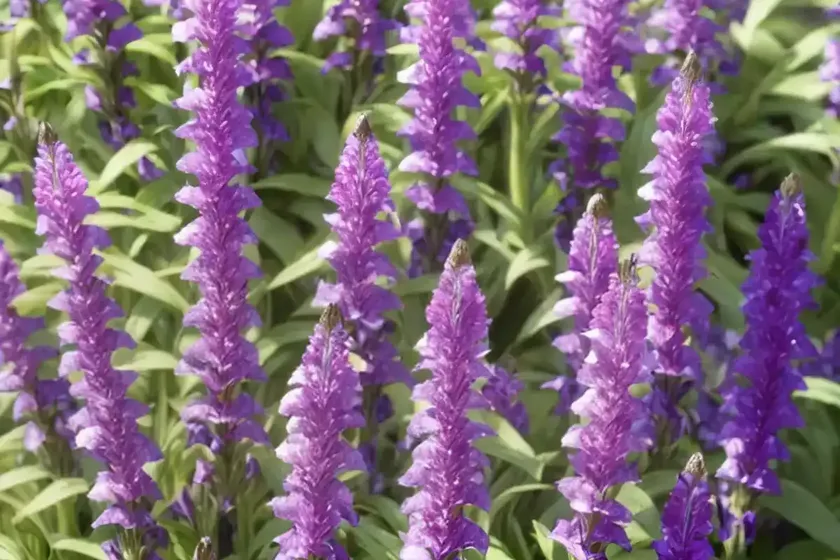
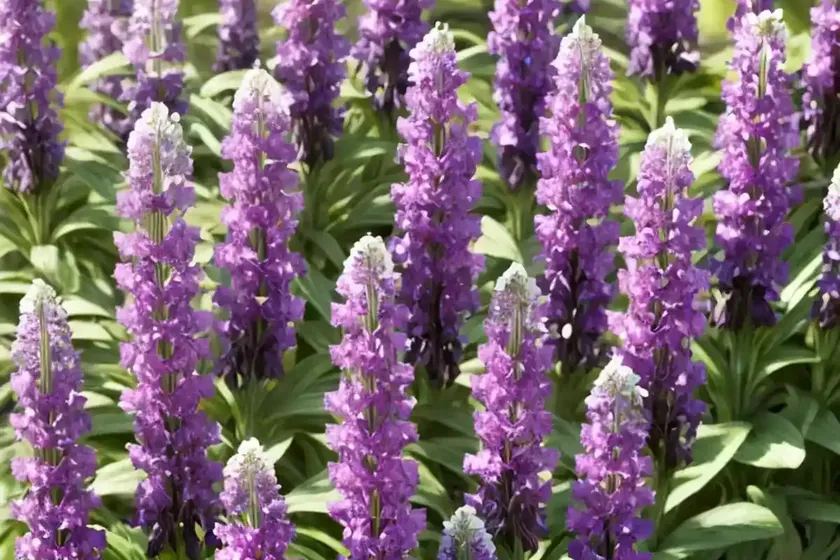
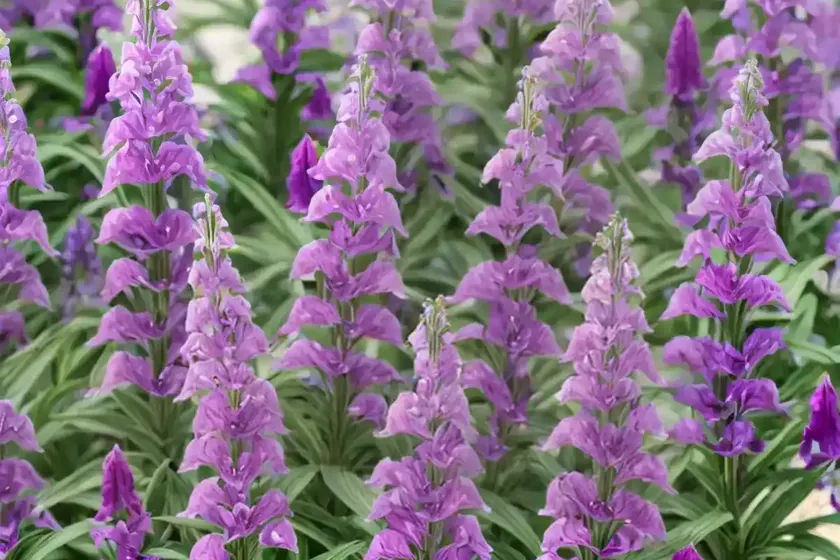
Penstemon spectabilis, commonly known as Showy Beardtongue, is a stunning perennial plant that belongs to the genus Penstemon within the family.
Introduction
Penstemon spectabilis, commonly known as Showy Beardtongue, is a stunning perennial plant that belongs to the genus Penstemon within the family Plantaginaceae. This native North American wildflower is cherished for its vibrant and showy tubular flowers, which attract pollinators and illuminate gardens with their beauty. In this comprehensive guide, we will delve into every aspect of Penstemon spectabilis cultivation, covering its culture, uses, water requirements, sunlight needs, fertilizer application, soil preferences, pruning methods, propagation techniques, and much more.
Key Takeaways – Penstemon spectabilis (Showy Beardtongue)
Showy Beardtongue Care Essentials:
- Watering: Requires moderate water and good drainage.
- Sunlight: Flourishes in full sunlight and partial shade.
- Fertilizer: Responds well to balanced fertilizer during the growing season.
- Soil: Thrives in well-draining, sandy loam with a slightly alkaline pH.
- Pruning: Regular deadheading prolongs blooming and maintains plant vigor.
- Propagation: Can be propagated from seeds or stem cuttings.
- Container Popularity: Well-suited for container gardening but requires adequate space.
- Common Diseases: Susceptible to leaf spot and powdery mildew.
- Common Pests: Attracts hummingbirds and bumblebees.
Plant Name: Penstemon spectabilis (Showy Beardtongue)
Penstemon spectabilis, widely known as Showy Beardtongue, is a captivating perennial plant native to North America. Its prominent features include vibrant tubular flowers and an attractive growth habit, making it a prized addition to gardens and landscapes. The following sections will provide detailed insights into the cultivation, care, and management of Penstemon spectabilis.
Culture
Uses
Penstemon spectabilis is widely used for ornamental purposes in landscaping, attracting pollinators and adding vibrant color to gardens. Its unique flowers are also suitable for cut flower arrangements, enhancing the aesthetic appeal of indoor spaces.
Water
Showy Beardtongue generally requires moderate watering. It is essential to ensure proper drainage to prevent waterlogging, especially during the growing season. Overwatering can lead to root rot, adversely affecting the plant’s health.
Sunlight
This plant thrives in full sunlight to partial shade. Adequate exposure to sunlight is crucial for robust growth and profuse blooming. In regions with hot summers, providing some afternoon shade can be beneficial.
Fertilizer
Penstemon spectabilis responds optimally to a balanced, all-purpose fertilizer during the growing season. Applying fertilizer in early spring supports healthy foliage and abundant flowering. However, excessive fertilization should be avoided to prevent issues such as excessive vegetative growth or reduced flowering.
Soil
The preferred soil type for Showy Beardtongue is well-draining sandy loam with a slightly alkaline pH. Good soil drainage is essential to prevent waterlogged conditions, which can lead to root problems and overall decline in plant health.
Pruning
Regular deadheading of spent flowers is recommended to encourage prolonged blooming and maintain the plant’s vigor. Additionally, removing dead or diseased foliage contributes to a neat and healthy appearance.
Propagation
Penstemon spectabilis can be propagated from seeds or stem cuttings. Propagation from seeds is typically carried out in early spring, while stem cuttings are best taken in late spring or early summer. Optimal propagation results are achieved under controlled environmental conditions with a consistent moisture supply.
Showy Beardtongue – A Closer Look
Common Diseases
Showy Beardtongue is susceptible to certain diseases, notably leaf spot and powdery mildew. Promptly addressing any signs of disease and providing appropriate preventive measures are crucial to safeguard the plant’s health.
Disease Diagnosis
- Leaf Spot: Identified by the appearance of dark spots or lesions on the leaves, often leading to premature leaf drop.
- Powdery Mildew: Characterized by a powdery white or gray growth on the foliage, which can eventually distort and stunt the plant’s growth.
Common Pests
While not prone to severe pest infestations, Penstemon spectabilis is known to attract pollinators such as hummingbirds and bumblebees. However, vigilance is necessary to monitor and manage potential pest issues.
Botanist’s Tips
Here are some essential tips from botanists and horticulturists to ensure the successful cultivation and care of Penstemon spectabilis:
- Appropriate Water Management: Maintain moderate watering and ensure well-draining soil to prevent waterlogged conditions.
- Pruning Practices: Engage in regular deadheading and removal of dead or diseased foliage to promote healthy growth and prolonged blooming.
- Soil and Fertilization: Provide well-draining soil with a slightly alkaline pH and apply balanced fertilizer in moderation to support vigorous growth and flowering.
- Disease and Pest Vigilance: Monitor for signs of diseases and pests, promptly addressing any issues to prevent their spread and maintain plant health.
Fun Facts
- Attractive to Pollinators: Penstemon spectabilis is a favorite among hummingbirds and bumblebees, enhancing the biodiversity and ecological balance within its habitat.
- Native Habitat: Showy Beardtongue is native to various regions of North America, where it contributes to the natural tapestry of wildflower landscapes.
- Ornamental Value: Its vibrant, tubular flowers and elegant growth habit make Penstemon spectabilis a visually appealing addition to gardens and landscapes.
Links to External Resources
For further information and resources on Penstemon spectabilis (Showy Beardtongue), refer to the following:
- 1. American Penstemon Society
- 2. Royal Horticultural Society – Penstemon
- 3. North Carolina State University Extension – Growing Penstemons
In the horticultural realm, Penstemon spectabilis (Showy Beardtongue) stands out as a captivating and cherished perennial plant. Its vibrant flowers, adaptable nature, and ornamental value make it a sought-after addition to gardens, landscapes, and floral arrangements alike. Embracing the insights and recommendations outlined in this comprehensive guide can pave the way for a successful and rewarding experience in cultivating and caring for Showy Beardtongue.


