Plant Scientist’s Guide to Phlox paniculata ‘Blue Paradise’ (Garden Phlox)
Phlox paniculata ‘Blue Paradise’, commonly known as Garden Phlox, is a stunning flowering plant that has captured the hearts of gardeners and botanists alike. In this comprehensive guide, we will delve into the various aspects of caring for and cultivating this beautiful plant. From its cultural requirements to its propagation and maintenance, this article aims to provide a holistic understanding of Phlox paniculata ‘Blue Paradise’ and its role in horticulture.
What is Phlox paniculata ‘Blue Paradise’?
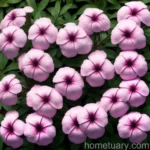
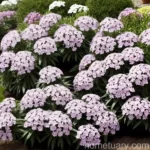
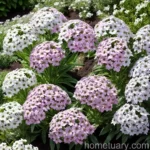
Phlox paniculata ‘Blue Paradise’ is a herbaceous perennial plant that belongs to the Polemoniaceae family. Its native habitat spans across parts of the United States and Canada, where it thrives in meadows, woodland edges, and along streams. This cultivar is specifically known for its vibrant clusters of fragrant, lavender-blue flowers that bloom in mid to late summer, adding a touch of elegance and allure to any garden or landscape.
Key Takeaways – Phlox paniculata ‘Blue Paradise’
Before delving into the specifics of growing and caring for Phlox paniculata ‘Blue Paradise’, let’s take a quick look at the key takeaways associated with this captivating plant.
- Scientific Name: Phlox paniculata ‘Blue Paradise’
- Common Name: Garden Phlox ‘Blue Paradise’
- Flower Color: Lavender-blue
- Bloom Time: Mid to late summer
- Fragrance: Fragrant blooms
- Growth Habit: Upright, clump-forming
- Uses: Borders, cottage gardens, pollinator gardens
- Hardiness Zone: 4-8
- Height: 24-36 inches
- Spread: 18-24 inches
Now that we have an overview of the plant, let’s explore the various facets of its cultivation and care.
Culture
Understanding the cultural requirements of Phlox paniculata ‘Blue Paradise’ is essential for ensuring its optimal growth and development. From soil and sunlight to water and fertilizer, each aspect plays a crucial role in nurturing these exquisite flowering plants.
Uses
Phlox paniculata ‘Blue Paradise’ serves various purposes in the garden and landscape due to its charming attributes. Some of its primary uses include:
- Borders: The vibrant blooms and upright growth habit make it an ideal choice for border plantings.
- Cottage Gardens: Its old-fashioned appeal and fragrant flowers make it a quintessential addition to cottage-style gardens.
- Pollinator Gardens: The nectar-rich flowers attract butterflies, hummingbirds, and bees, making it a valuable addition to pollinator-friendly landscapes.
Water
Proper watering is critical for the health and vigor of Phlox paniculata ‘Blue Paradise’. While these plants prefer consistently moist soil, they are susceptible to issues like root rot if the soil becomes waterlogged.
- Watering Guidelines:
- New Plantings: Water thoroughly after planting and ensure the soil remains evenly moist but not waterlogged.
- Established Plants: Provide about 1 inch of water per week during the growing season, adjusting based on natural precipitation and soil moisture levels.
Sunlight
Ample sunlight is essential for promoting robust growth and prolific blooming in Phlox paniculata ‘Blue Paradise’. As such, it’s essential to ensure that these plants receive sufficient sunlight throughout the day.
- Sunlight Requirements:
- Full Sun: Ideally, these plants benefit from at least 6-8 hours of direct sunlight each day.
- Partial Shade: In regions with intense summer heat, providing some afternoon shade can be beneficial, especially to prevent the flowers from fading prematurely.
Fertilizer
Providing appropriate nutrients through fertilization can enhance the overall performance and flowering of Phlox paniculata ‘Blue Paradise’. However, it’s crucial to apply fertilizers judiciously to prevent issues of over-fertilization or nutrient imbalances.
- Fertilization Tips:
- Timing: Apply a balanced, slow-release fertilizer in early spring as new growth emerges.
- Frequency: A light application of fertilizer in midsummer can help sustain continuous growth and flowering.
Soil
The soil composition and quality directly impact the health and vigor of Phlox paniculata ‘Blue Paradise’. Understanding the soil requirements and making necessary amendments is crucial for promoting optimal growth and bloom production.
- Soil Requirements:
- Well-Draining: These plants prefer fertile, well-draining soil to prevent waterlogging and root rot.
- pH Level: Slightly acidic to neutral soil with a pH range of 6.0-7.0 is ideal for promoting healthy growth and blooming.
Pruning
Proper pruning and maintenance practices play a pivotal role in shaping the growth habit and enhancing the ornamental appeal of Phlox paniculata ‘Blue Paradise’. By incorporating appropriate pruning techniques, gardeners can optimize flowering, prevent disease, and maintain the plant’s overall health.
- Pruning Guidelines:
- Deadheading: Regular removal of spent flowers promotes continuous blooming and prevents the plant from expending energy on seed production.
- Cutting Back: In late spring or early summer, cutting back the stems can encourage bushier growth and delay flowering slightly, extending the blooming period.
Propagation
The ability to propagate Phlox paniculata ‘Blue Paradise’ through various methods allows gardeners to expand their plantings and share the beauty of this cultivar with others. Understanding the propagation techniques is essential for successful and efficient reproduction of these stunning flowering plants.
- Propagation Methods:
- Division: Dividing established clumps in early spring or early fall is a reliable method to create new plants with minimal intervention.
- Cuttings: Stem cuttings taken from healthy, actively growing plants can be rooted to produce new plants with identical traits.
- Seeds: While viable seeds can be collected and sown for propagation, this method is less commonly used due to the lengthy time to reach maturity and variability in offspring.
Container Popularity
The allure of Phlox paniculata ‘Blue Paradise’ extends to container gardening, where the captivating blooms and fragrant flowers can be showcased in smaller, controlled spaces. When grown in containers, these plants offer versatility and charm, enhancing patios, decks, and other outdoor living areas.
- Container Considerations:
- Size: Choose a sufficiently large container to accommodate the plant’s root system and provide stability against wind and weather.
- Drainage: Ensure that the container has adequate drainage holes to prevent waterlogging and root rot issues.
- Potting Mix: Utilize a well-draining, nutrient-rich potting mix to support healthy growth and blooming.
Common Diseases
While Phlox paniculata ‘Blue Paradise’ is generally robust, it is susceptible to certain diseases and ailments that can impact its overall vigor and ornamental appeal. Being aware of these common issues and implementing preventive measures is crucial for maintaining the plant’s health.
Disease Diagnosis
- Powdery Mildew: A common fungal disease characterized by a powdery white coating on the leaves, stems, and flowers.
- Leaf Spot: Circular, dark lesions on the foliage, often caused by fungal pathogens, leading to defoliation and reduced plant vigor.
- Root Rot: Excessive moisture and poor drainage can lead to root rot, manifesting as discolored, mushy roots and wilting of the plant.
Common Pests
In addition to diseases, Phlox paniculata ‘Blue Paradise’ may also encounter pest pressures that can affect its overall health and appearance. Identifying and addressing pest infestations promptly is essential for preventing extensive damage to the plants.
- Common Pests:
- Spider Mites: These tiny arachnids often inflict damage by sucking sap from the leaves, causing stippling and yellowing.
- Aphids: Clusters of soft-bodied, sap-feeding insects can distort new growth and leave behind sticky honeydew, promoting the growth of sooty mold.
- Caterpillars: Certain caterpillar species may feed on the foliage, leading to defoliation and diminished aesthetic appeal.
Botanist’s Tips
Drawing from extensive experience and insights into the cultivation of Phlox paniculata ‘Blue Paradise’, botanists have developed valuable tips and recommendations to optimize the growth and performance of these captivating plants.
- Choose Well-Draining Sites: Plant Phlox paniculata ‘Blue Paradise’ in locations with well-draining soil to prevent issues of waterlogging and root rot.
- Provide Air Circulation: Spacing the plants adequately and ensuring good air circulation reduces the risk of fungal diseases.
- Monitor Moisture Levels: Consistently monitor soil moisture and water the plants accordingly, aiming for even moisture without waterlogging.
- Regular Inspections: Periodically inspect the plants for signs of pests, diseases, or nutrient deficiencies, addressing any issues promptly to prevent widespread damage.
Fun Facts
Beyond its ornamental allure and horticultural significance, there are several intriguing and captivating facts about Phlox paniculata ‘Blue Paradise’ that enrich the fascination surrounding this delightful plant.
- Historical Significance: Phlox species were historically utilized by indigenous communities for various purposes, including medicinal and ornamental uses.
- Fragrant Blooms: The flowers of Phlox paniculata ‘Blue Paradise’ emit a sweet, pleasant fragrance that adds to their allure and appeal, attracting pollinators and garden enthusiasts alike.
- Attracts Butterflies: The nectar-rich blooms act as a magnet for butterflies, contributing to the ecological diversity and vitality of gardens.
Now that we have explored various aspects of Phlox paniculata ‘Blue Paradise’, let’s delve into some external resources that provide additional insights and information on cultivating and appreciating this stunning plant.
Links to External Resources
- Growing Phlox paniculata ‘Blue Paradise’
- Phlox paniculata ‘Blue Paradise’ Care Guide
- How to Propagate Garden Phlox ‘Blue Paradise’
- Understanding Phlox paniculata Diseases and Management
- Attracting Pollinators with Garden Phlox ‘Blue Paradise’
In conclusion, Phlox paniculata ‘Blue Paradise’ stands out as a captivating and versatile addition to garden landscapes, offering a spectrum of enchanting blooms, fragrance, and ecological contributions. By understanding its cultural requirements, propagation techniques, and maintenance practices, enthusiasts can foster the health and ornamental allure of this remarkable plant, further enriching gardens and outdoor spaces with its timeless charm.