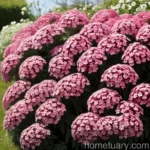
All About Phlox paniculata ‘Candy Twist’ (Garden Phlox)
Introduction
Phlox paniculata ‘Candy Twist,’ commonly known as Garden Phlox, is a stunning perennial flowering plant. It belongs to the Polemoniaceae family and is native to North America. With its eye-catching, fragrant flowers and relatively easy care requirements, it has become a favorite among gardeners and horticulturists.
In this comprehensive guide, we will delve into every aspect of this beautiful plant, from its cultural requirements to its uses, maintenance, and common pests and diseases.
What is Phlox paniculata ‘Candy Twist’ (Garden Phlox)?
Phlox paniculata ‘Candy Twist’ is a cultivar of the Phlox paniculata species. It is known for its striking, fragrant, pink and white bi-colored flowers that bloom atop tall stems, creating a mesmerizing display in the garden. This cultivar is valued for its long-lasting blooms, adding a pop of color to the landscape.
Key Takeaways – Phlox paniculata ‘Candy Twist’ (Garden Phlox)
- Common Name: Garden Phlox
- Scientific Name: Phlox paniculata ‘Candy Twist’
- Flower Color: Pink and white bi-colored
- Family: Polemoniaceae
- Type: Perennial
- Fragrance: Fragrant flowers
- Uses: Landscaping, cut flowers, attracting pollinators
- Hardiness Zone: 4-8
- Mature Height: 24-36 inches
- Blooming Season: Summer to early fall
Now, let’s explore the various aspects of Phlox paniculata ‘Candy Twist’ in detail.
Culture
Cultivating Phlox paniculata ‘Candy Twist’ requires attention to several key cultural aspects. By understanding its cultural requirements, you can ensure the plant thrives and delivers a stunning display of blooms.
Water
Phlox paniculata ‘Candy Twist’ prefers consistently moist, well-drained soil. Adequate watering is crucial, especially during periods of drought. However, it is important to avoid overwatering, as this can lead to root rot and other fungal diseases.
| Watering Requirements |
|---|
| – Consistently moist, well-drained soil |
| – Water deeply during dry spells |
| – Avoid overwatering |
Sunlight
This garden phlox variety thrives in full sun to partial shade. While it can tolerate some shade, it generally produces the best blooms when provided with ample sunlight. Select a location in the garden that receives at least 6-8 hours of direct sunlight daily for optimal growth and flowering.
| Sunlight Requirements |
|---|
| – Full sun to partial shade |
| – Preferably 6-8 hours of direct sunlight daily |
| – Tolerant of light shade |
Fertilizer
Appropriate fertilization plays a vital role in ensuring the robust growth and prolific flowering of Phlox paniculata ‘Candy Twist’. A balanced, slow-release fertilizer applied in early spring can provide the necessary nutrients for healthy growth and vibrant blooms. Avoid excessive nitrogen fertilization, as this can lead to lush foliage at the expense of flowers.
| Fertilizer Recommendations |
|---|
| – Balanced, slow-release fertilizer |
| – Apply in early spring |
| – Avoid excessive nitrogen |
Soil
Garden Phlox prefers fertile, well-draining soil with a slightly acidic to neutral pH. Amending the soil with organic matter such as compost can help improve its quality and drainage. Prior to planting, ensure the soil is loose and crumbly to promote healthy root development.
| Soil Requirements |
|---|
| – Fertile, well-draining soil |
| – Slightly acidic to neutral pH |
| – Amend with organic matter |
Pruning
Pruning is an essential aspect of maintaining the health and appearance of Phlox paniculata ‘Candy Twist’. Regular deadheading of spent blooms not only keeps the plant looking tidy but also encourages the development of new flowering stems. Additionally, light pruning in early spring can help promote bushier growth and increase flower production.
| Pruning Techniques |
|---|
| – Regular deadheading of spent blooms |
| – Light pruning in early spring |
| – Remove any damaged or diseased foliage |
Propagation
Propagating Phlox paniculata ‘Candy Twist’ can be achieved through several methods, including division, stem cuttings, and seed propagation. Division is one of the most common and effective methods, typically carried out in early spring as new growth emerges. Stem cuttings and seed propagation can also be successful with proper care and attention to environmental conditions.
| Propagation Methods |
|---|
| – Division (in early spring) |
| – Stem cuttings |
| – Seed propagation |
Container Popularity
Phlox paniculata ‘Candy Twist’ can thrive in containers, making it an attractive option for gardeners with limited space or those looking to create portable floral displays. When growing in containers, ensure the pots have adequate drainage and use a well-draining potting mix to prevent waterlogging.
Common Diseases
While generally resilient, Phlox paniculata ‘Candy Twist’ can be susceptible to certain diseases under unfavorable growing conditions. Common fungal diseases that may affect garden phlox include powdery mildew, leaf spot, and root rot. Providing good air circulation, avoiding overhead watering, and maintaining proper spacing between plants can help prevent these issues.
Disease diagnosis
- Powdery Mildew: A white, powdery fungal growth on leaves and stems.
- Leaf Spot: Circular dark spots on leaves, often with a yellow halo.
- Root Rot: Rotting and discoloration of roots, leading to wilting and decline.
Common Pests
Several pests may target Phlox paniculata ‘Candy Twist’, including spider mites, aphids, and leafhoppers. Regular inspection of the plant can help detect pest infestations early, allowing for prompt intervention through mechanical or biological control methods.
Botanist’s Tips
Here are some expert tips for successfully growing and caring for Phlox paniculata ‘Candy Twist’:
- Companion Planting: Pair Phlox paniculata ‘Candy Twist’ with other pollinator-attracting plants such as bee balm, coneflowers, and butterfly bush to create a vibrant, wildlife-friendly garden.
- Soil Moisture: Monitor soil moisture levels regularly and water deeply when necessary, especially during hot, dry periods.
- Disease Prevention: Prevent fungal diseases by avoiding overhead watering and providing adequate spacing between plants to ensure good air circulation.
Fun Facts
- Phlox paniculata ‘Candy Twist’ is a favorite among butterflies and hummingbirds, making it a delightful addition to wildlife gardens.
- This garden phlox variety is available in a range of colors, including shades of pink, purple, and white, offering versatility in landscaping and floral arrangements.
- The fragrant blooms of Phlox paniculata ‘Candy Twist’ make it an excellent choice for cutting and displaying in indoor arrangements.
Links to External Resources
For further information, here are some valuable external resources on Phlox paniculata ‘Candy Twist’ and related topics:
1. The American Phlox Society
2. University of Wisconsin-Madison Extension – Growing Phlox
3. Missouri Botanical Garden – Phlox paniculata ‘Candy Twist’
4. Royal Horticultural Society – Growing Perennial Phlox
By providing a comprehensive overview of the cultural requirements, propagation methods, common pests and diseases, and expert tips for growing Phlox paniculata ‘Candy Twist’, this guide aims to empower gardeners and horticulture enthusiasts to cultivate and enjoy this stunning garden phlox variety to its fullest potential.