Polemonium Reptans (Creeping Jacob’s Ladder)
Plants have been an essential part of human life for millennia, providing food, medicine, and aesthetic beauty. One such plant that has gained popularity.
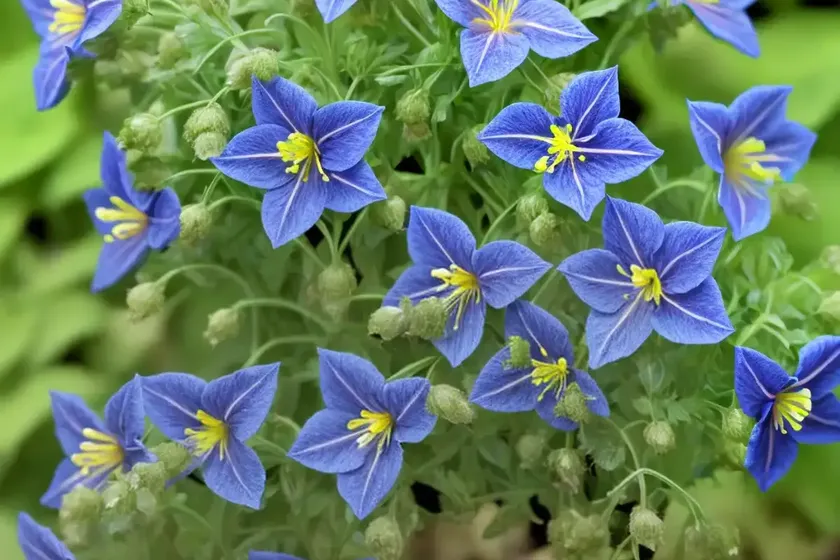
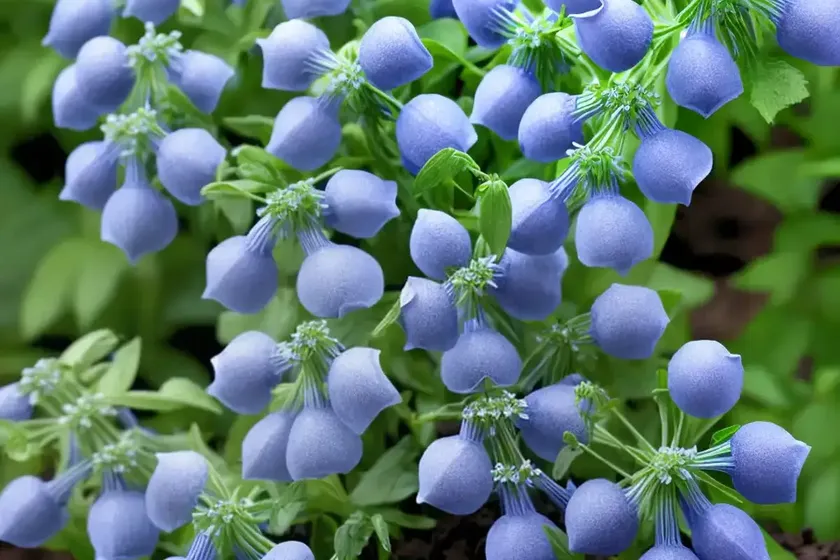
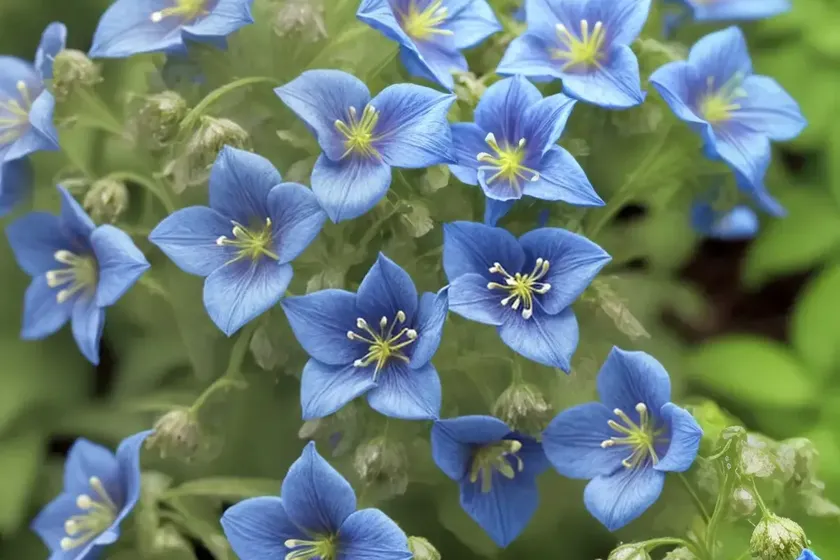
Plants have been an essential part of human life for millennia, providing food, medicine, and aesthetic beauty. One such plant that has gained popularity in gardens and landscapes is the Polemonium reptans, commonly known as the Creeping Jacob’s Ladder. In this guide, we will delve into the description, care tips, uses, and maintenance of this fascinating plant. Whether you’re a novice gardener or an experienced plant enthusiast, this guide will provide valuable insights into the cultivation and appreciation of Polemonium reptans.
What is Polemonium Reptans (Creeping Jacob’s Ladder)?
Polemonium reptans, a member of the Polemoniaceae family, is a herbaceous perennial plant native to North America. It is named for its intricate, ladder-like arrangement of leaves and delicate clustered flowers. The common name “Jacob’s Ladder” is derived from the biblical story in which Jacob dreams of a ladder reaching up to heaven.
Polemonium Reptans Description
- Scientific Name: Polemonium reptans
- Common Name: Creeping Jacob’s Ladder
- Family: Polemoniaceae
- Native Habitat: North America
- Growth Habit: Low-growing, spreading perennial
- Flowering Period: Late spring to early summer
- Foliage Color: Green
- Ornamental Features: Intricate, ladder-like leaf arrangement; clusters of blue or violet flowers
Key Takeaways – Polemonium Reptans (Creeping Jacob’s Ladder)
Culture
Polemonium reptans thrives in a variety of garden settings, from woodland gardens to rock gardens. Its low-growing habit and delicate foliage make it an excellent choice for border plantings and ground cover.
Uses
- Garden Borders: Adds a touch of elegance and color to garden borders with its charming flowers and foliage.
- Rock Gardens: Well-suited for rock gardens due to its ability to spread and fill in gaps between rocks and stones.
- Woodland Gardens: Flourishes in shaded woodland areas, bringing vibrant color to these natural settings.
- Container Planting: Ideal for container gardens, offering a cascading effect when planted in hanging baskets or large containers.
Water
- Water Needs: Prefers consistently moist, well-draining soil.
- Drought Resistance: Once established, it exhibits moderate drought tolerance.
Sunlight
- Sun Exposure: Thrives in partial to full shade, particularly in regions with hot summers.
- Shade Tolerance: Adaptable to varying light conditions, making it a versatile plant for different garden settings.
Fertilizer
- Fertilizing Schedule: Apply a balanced, slow-release fertilizer in early spring to support healthy growth and blooming.
Soil
- Soil Requirements: Well-draining, humus-rich soil is preferred. It can tolerate a range of soil pH levels.
Pruning
- Pruning Techniques: Deadhead spent flowers to encourage prolonged blooming. Cut back any unwanted spreading to maintain desired boundaries.
Propagation
- Propagation Methods: Easily propagated by division or seeds. Division can be done in spring or fall, while seeds can be sown indoors in early spring.
Container Popularity
- Container Gardening: Well-suited for container gardening, offering a cascading effect when planted in hanging baskets or large containers. Ensure adequate moisture and provide partial shade for container-grown specimens.
Common Diseases
- Disease Resistance: Generally resistant to most common plant diseases when grown in optimal conditions.
Common Pests
- Pest Tolerance: Relatively resistant to pests, although occasional aphid infestations may occur.
Botanist’s Tips
- Wildlife Attractant: Attracts pollinators such as bees and butterflies with its nectar-rich flowers.
- Companion Plants: Pair with other shade-loving perennials like hostas, ferns, and astilbes for a harmonious woodland garden display.
- Winter Care: Mulch around the base of the plant in late fall to protect the roots from freezing temperatures.
- Deer-Resistant: Known for its deer-resistant properties, making it a valuable addition to gardens in deer-prone areas.
Fun Facts
- The genus name “Polemonium” is derived from the Greek word “polemos,” meaning war, believed to be related to its historical use in herbal medicine to treat battlefield wounds.
- Creeping Jacob’s Ladder has been historically used as a medicinal herb, particularly for its diuretic and febrifuge properties.
Links to External Resources
- Polemonium Reptans – Missouri Botanical Garden
- Growing Polemonium – Royal Horticultural Society
- Plant Care Guide – The Spruce
In conclusion, Polemonium reptans, or Creeping Jacob’s Ladder, is a charming and versatile perennial plant that adds beauty and allure to various garden settings. Its low-maintenance nature and adaptability make it an excellent choice for both novice and experienced gardeners. As you cultivate and appreciate this elegant plant, you’ll witness its enchanting foliage and vibrant clusters of flowers enhance the natural beauty of your garden.
Whether it’s adorning your garden borders, adding a touch of elegance to your rock garden, or bringing life to shaded woodland areas, Creeping Jacob’s Ladder has the potential to be a delightful addition to your plant collection.
By following the care tips and guidelines outlined in this comprehensive guide, you can ensure that your Polemonium reptans thrives and continues to captivate with its graceful presence year after year.


