Moss Phlox (Phlox Subulata)
Moss phlox, scientifically known as Phlox subulata, is a low-growing, spreading perennial plant that belongs to the Polemoniaceae family. It is also.
Introduction to Moss Phlox (Phlox subulata)
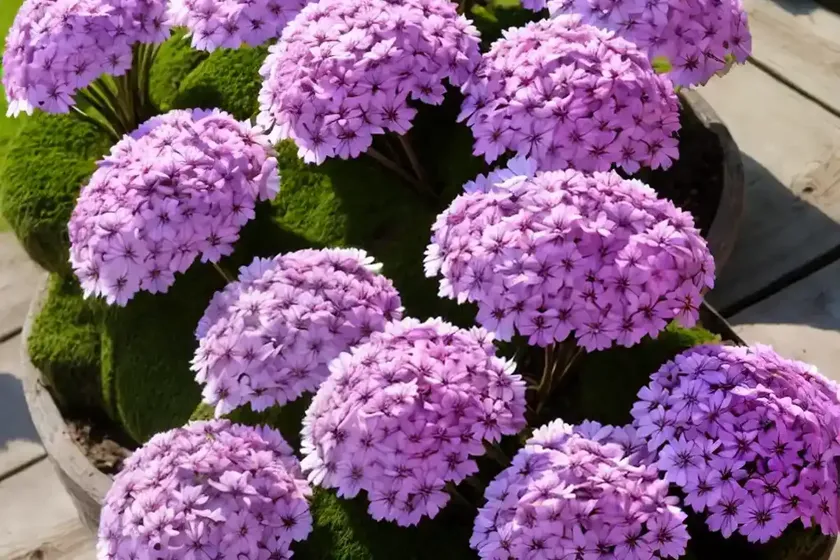
Moss phlox, scientifically known as Phlox subulata, is a low-growing, spreading perennial plant that belongs to the Polemoniaceae family. It is also commonly referred to as creeping phlox, moss pink, or mountain phlox. This plant is native to North America and is renowned for its beautiful, star-shaped flowers that carpet the ground in vibrant hues, making it a favorite among gardeners and landscapers.
Moss Phlox Growing Tips
Moss phlox is a versatile ground cover plant that offers a range of benefits and uses in landscaping. Whether you are considering incorporating this plant into your garden, rockery, or wildflower meadow, understanding its cultural requirements and growth habits is essential for ensuring its successful establishment and maintenance.
In this comprehensive care guide, we will delve into the key aspects of cultivating and caring for moss phlox, including its culture, uses, water requirements, sunlight needs, fertilization, soil preferences, pruning techniques, propagation methods, and container gardening tips. Moreover, we will explore its popularity, common diseases, pest management strategies, and interesting botanist’s tips. Additionally, we will uncover fascinating fun facts about moss phlox and provide valuable links to external resources for further exploration.
Key Takeaways – Moss Phlox (Phlox subulata)
Before delving into the detailed aspects of moss phlox care, let’s summarize the key takeaways regarding this captivating plant:
Key Takeaways
- Plant Name: Moss Phlox (Phlox subulata)
- Other Names: Creeping Phlox, Moss Pink, Mountain Phlox
- Family: Polemoniaceae
- Native Habitat: North America
- Growth Habit: Low-growing, Spreading Perennial
- Notable Feature: Star-shaped, Colorful Flowers
- Uses: Ground Cover, Rock Gardens, Wildflower Meadows
Moss Phlox Culture
Uses
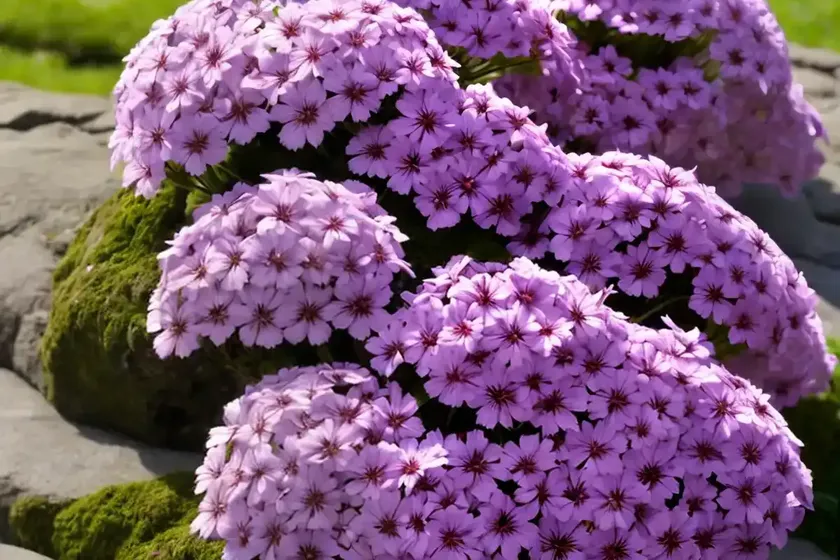
Moss phlox holds immense ornamental value and is primarily used for ground cover purposes. Its dense, mat-forming growth habit and profusion of colorful blooms make it an excellent choice for embellishing rock gardens, edging pathways, and enhancing various landscape settings. Additionally, it contributes to erosion control on sloping terrain and serves as a vital component in wildflower gardens and meadows, attracting a myriad of pollinators, including butterflies and hummingbirds.
Water
One of the fundamental aspects of moss phlox care is efficient watering. While this plant is known for its drought tolerance once established, adequate moisture is crucial during its initial establishment and flowering period. Ensuring a well-drained soil and avoiding prolonged waterlogging are essential to prevent root rot and fungal diseases.
When providing supplemental irrigation, it is advisable to water deeply, allowing the soil to dry out slightly between waterings. Aim to water the plant at its base to minimize moisture on the foliage, subsequently reducing the risk of foliar diseases.
Sunlight
Moss phlox thrives in full sun to partial shade, exhibiting its best floral display in sun-drenched locations. Therefore, when selecting a planting site, prioritize areas with ample sunlight exposure to promote robust growth and prolific blooming. In regions with scorching afternoon sun, partial shade during the hottest part of the day can be beneficial for preventing heat stress and preserving flower coloration.
Fertilizer
To support the vigorous growth and abundant flowering of moss phlox, a balanced fertilizer application in early spring can be advantageous. Opt for a slow-release, granular fertilizer with balanced NPK (nitrogen, phosphorus, and potassium) proportions. Before applying the fertilizer, ensure that the soil is moist to minimize the risk of root burn. Additionally, refrain from over-fertilizing, as excessive nitrogen can stimulate excessive foliage growth at the expense of flower production.
Soil
Moss phlox thrives in well-drained, slightly acidic to neutral soils with a pH range of 6.0 to 7.0. Amending heavy, clay soils with organic matter, such as compost or peat moss, can enhance soil structure and promote optimal drainage. Moreover, incorporating a layer of mulch around the base of the plants can help conserve soil moisture, regulate temperature fluctuations, and suppress weed growth.
Pruning
Regular deadheading and selective pruning are essential for maintaining the vigor and aesthetic appeal of moss phlox. Deadheading, the removal of spent flowers, not only prolongs the blooming period but also prevents self-seeding, thereby conserving the plant’s energy for vegetative growth and subsequent flowering. Moreover, in early spring, lightly shearing the plants can promote bushier growth and stimulate the production of new flowering shoots.
Propagation
While moss phlox is primarily propagated through division, it can also be propagated from seeds. Division, however, remains the most popular and efficient method for increasing plant numbers and rejuvenating older clumps. Conduct division in early spring or late summer, ensuring that each division possesses healthy roots and several growing points. Subsequently, replant the divisions in well-prepared soil, providing adequate moisture and shade to facilitate their establishment.
Container Popularity
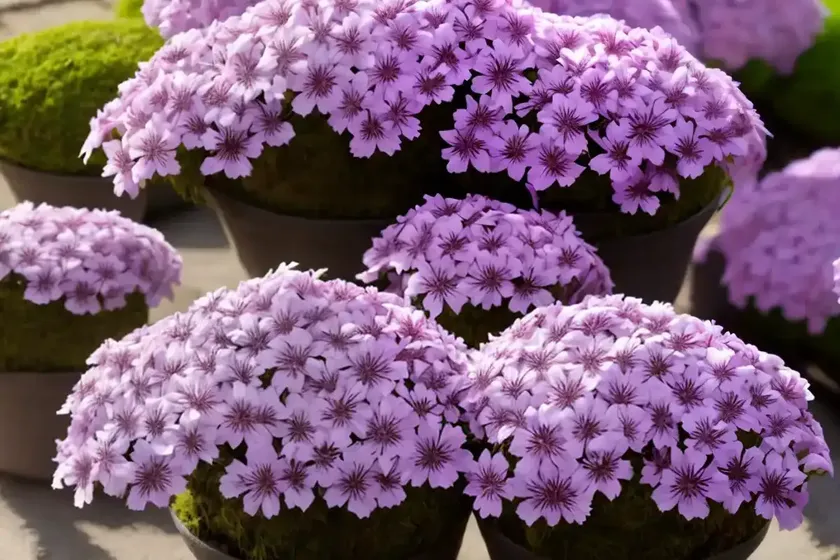
Moss phlox’s adaptability and spreading growth habit make it well-suited for container gardening. When cultivated in containers, it can serve as an attractive, low-maintenance addition to patios, balconies, and rooftop gardens. Its trailing nature and vibrant flowering make it particularly suitable for cascading over the edges of containers, adding a delightful touch to the surrounding environment.
Common Diseases, Pests, and Botanist’s Tips
Common Diseases
Moss phlox is relatively resistant to diseases, especially when grown in favorable conditions with adequate air circulation and sunlight exposure. Nonetheless, it can be susceptible to certain fungal diseases, such as powdery mildew and botrytis blight, particularly in humid, poorly ventilated environments.
Disease Diagnosis
Identifying and addressing potential diseases promptly is essential for preserving the health and vitality of moss phlox. Upon observing abnormal symptoms, including white powdery growth on the foliage or black, fuzzy patches on the stems and flowers, prompt intervention is crucial. Employing cultural practices such as maintaining proper spacing between plants, avoiding overhead watering, and improving air circulation can mitigate disease incidence.
Common Pests
Moss phlox is relatively resistant to pest infestations, with occasional encounters with spider mites and aphids. These pests can typically be managed through non-chemical means, such as hosing down the foliage to dislodge the pests or introducing natural predators, including ladybugs and lacewings, to the garden environment.
Botanist’s Tips
To maximize the performance and visual impact of moss phlox, integrating different cultivars and varieties with varying flower colors and growth habits can create a captivating tapestry of floral beauty. Additionally, strategic companion planting with complementary species, such as dianthus, sedum, and thrift, can enhance the overall appeal and ecological value of the planted area.
Fun Facts about Moss Phlox
- Erosion Control Specialist: Moss phlox excels in stabilizing soil and preventing erosion on sloping terrain, making it a valuable ally in landscaping and land management projects.
- Pollinator Paradise: The vibrant, nectar-rich flowers of moss phlox attract a plethora of pollinators, including bees, butterflies, and hummingbirds, enriching the biodiversity of the surrounding environment.
- Diversity in Color: Moss phlox is available in an array of captivating colors, including shades of pink, purple, blue, and white, enabling gardeners to create captivating color schemes and visual contrasts within their landscapes.
Links to External Resources
To further expand your knowledge and exploration of moss phlox, here are some valuable links to external resources:
- Planting and Growing Phlox Subulata
- Phlox Subulata: The Ultimate Guide
- Using Phlox Subulata in the Garden
- Rock Gardening with Creeping Phlox
In conclusion, moss phlox, with its enchanting floral display, adaptability, and ecological benefits, stands as a compelling choice for diverse landscaping and gardening applications. By adhering to the essential care guidelines and embracing its multifaceted uses, garden enthusiasts can cultivate and enjoy the alluring allure of moss phlox in various horticultural settings. Whether cascading over rock walls, enlivening wildflower meadows, or embellishing container plantings, moss phlox serves as a captivating testament to nature’s beauty and resilience.
As you embark on your moss phlox gardening journey, may the insights shared in this comprehensive guide empower you to foster thriving, vibrant displays and appreciate the enduring charm of this remarkable plant.


