Parthenocissus Tricuspidata ‘Veitchii’ (Boston Ivy)
Plants play a crucial role in our lives, contributing to the beauty of landscapes, gardens, and even urban areas. One such versatile plant is.
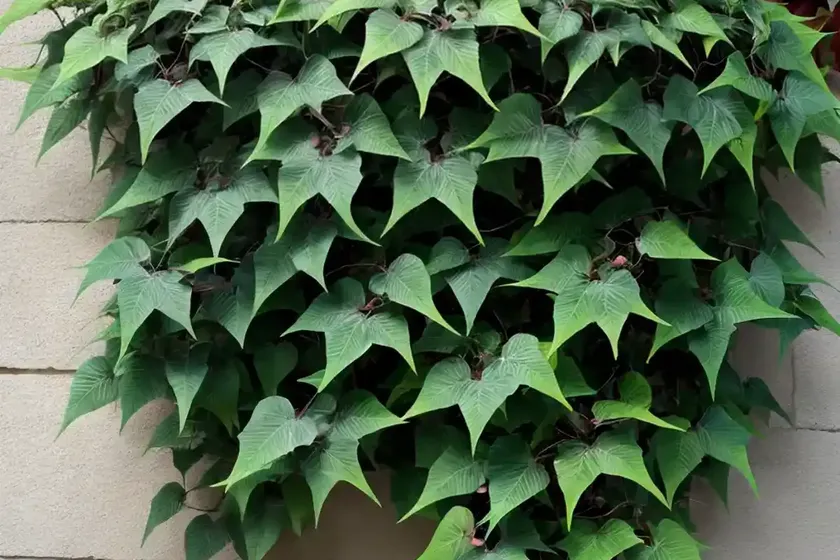
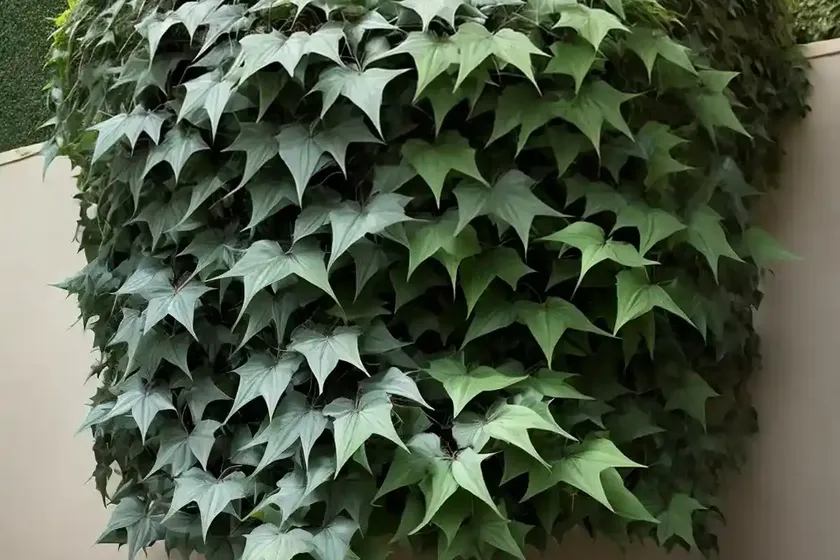
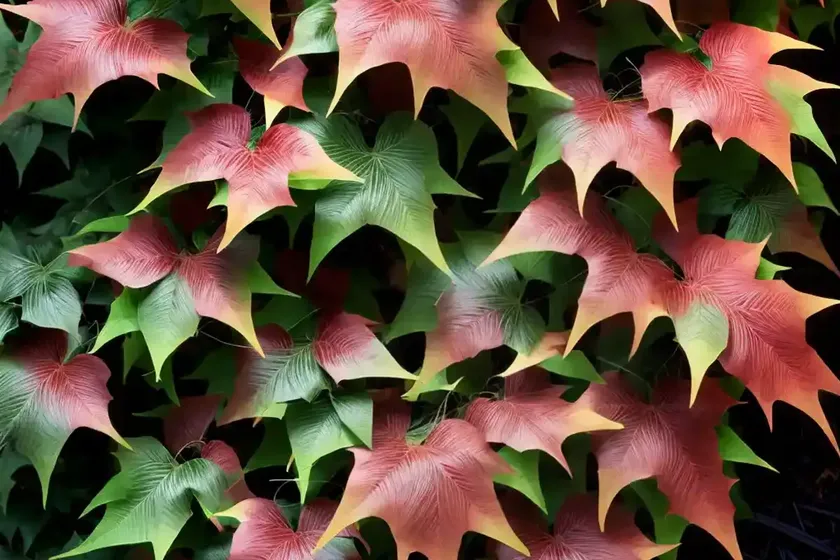
Plants play a crucial role in our lives, contributing to the beauty of landscapes, gardens, and even urban areas. One such versatile plant is Parthenocissus tricuspidata ‘Veitchii’, commonly known as Boston Ivy. This deciduous vine is renowned for its lush green foliage, fast growth, and ability to cover walls, fences, and pergolas. In this comprehensive guide, we’ll delve into the various aspects of this ornamental plant, including its culture, uses, care requirements, propagation methods, common diseases, and botanist’s tips. Let’s explore the enchanting world of Parthenocissus tricuspidata ‘Veitchii’ and unravel the secrets of cultivating this resilient and low-maintenance climbing vine.
What is Parthenocissus tricuspidata ‘Veitchii’ (Boston Ivy)?
Parthenocissus tricuspidata ‘Veitchii’, commonly referred to as Boston Ivy, is a vigorous climbing plant belonging to the Vitaceae family. Native to eastern Asia, particularly Japan and China, this ornamental vine is valued for its remarkable foliage and adaptability to various environmental conditions. The plant is characterized by its adhesive stem tendrils, which enable it to cling to vertical surfaces and scale buildings, walls, and other structures with ease. Boston Ivy is often confused with English Ivy (Hedera helix), but they belong to different plant families and exhibit distinct growth habits.
Boston Ivy is favored for its attractive green leaves and striking fall foliage, making it a popular choice for adorning walls, trellises, and arbors. Its versatility extends to its tolerance of different light conditions, making it suitable for both shaded and sunny locations. While its natural habitat may be woodlands and forest edges, it thrives in urban gardens, providing a green wall effect and enhancing the aesthetic appeal of outdoor spaces. With its impressive array of attributes, Parthenocissus tricuspidata ‘Veitchii’ stands out as a resilient, low-maintenance, and aesthetically pleasing climber that adds a touch of nature to any setting.
Key Takeaways – Parthenocissus tricuspidata ‘Veitchii’ (Boston Ivy)
Before delving into the detailed aspects of Boston Ivy, let’s highlight some key takeaways that showcase the plant’s versatility and desirability:
-
Versatile Climbing Plant: Capable of covering walls, fences, trellises, and pergolas, Boston Ivy is a versatile climbing plant that adds a touch of greenery to various structures.
-
Lush Green Foliage: With its glossy, dark green leaves, Parthenocissus tricuspidata ‘Veitchii’ offers lush foliage that enhances the visual appeal of its surroundings.
-
Low-Maintenance and Resilient: This hardy plant is low-maintenance and resilient, making it suitable for both novice and experienced gardeners alike.
-
Seasonal Interest: Beyond its summer greenery, Boston Ivy dazzles with vibrant fall colors, contributing to the seasonal beauty of outdoor spaces.
-
Adaptable: Boston Ivy exhibits adaptability to different light conditions, thriving in both shaded and sunny environments.
-
Aesthetically Pleasing: Whether used as a ground cover or a climbing vine, Parthenocissus tricuspidata ‘Veitchii’ adds aesthetic value to landscapes, creating a natural and visually striking environment.
Now that we’ve grasped the essence of Boston Ivy, let’s explore its culture, uses, care requirements, propagation methods, common diseases, and botanist’s tips to comprehend how to best nurture and enjoy this captivating plant.
Culture of Parthenocissus tricuspidata ‘Veitchii’ (Boston Ivy)
Understanding the culture of Parthenocissus tricuspidata ‘Veitchii’ is pivotal for successfully integrating this climbing vine into your landscape. From its water and sunlight requirements to its soil preferences and growth habits, each aspect of the plant’s culture contributes to its overall health and vitality.
Water
Boston Ivy, once established, is remarkably drought-tolerant and requires minimal watering. However, regular watering is crucial during the initial stages of growth to encourage root development and establishment. During periods of prolonged drought or intense heat, providing supplemental irrigation can aid in maintaining the plant’s vigor and foliage quality. When watering, it’s essential to ensure that the soil is well-drained, as excessive moisture can lead to root rot and other moisture-related issues. Striking a balance between allowing the soil to dry out slightly between waterings and preventing it from drying out completely is key to promoting the optimal growth of Parthenocissus tricuspidata ‘Veitchii’.
Sunlight
One of the remarkable qualities of Boston Ivy is its adaptability to various light conditions. While it thrives in partial to full sun, it can also tolerate shade, making it suitable for shaded areas that may not support the growth of other plants. However, to ensure the best foliage color and growth, providing the plant with at least a few hours of direct sunlight each day is recommended. In areas with scorching sun and high temperatures, situating Boston Ivy where it receives some shade during the hottest part of the day can help prevent stress and maintain the plant’s overall health.
Fertilizer
Boston Ivy, being a relatively low-maintenance plant, does not demand frequent fertilization. However, providing a balanced, slow-release fertilizer in spring can support healthy growth and robust foliage. A general-purpose fertilizer with balanced NPK ratios can suffice, and applying it according to the manufacturer’s instructions is advisable to prevent the risk of overfertilization. Over-feeding the plant can lead to excessive vegetative growth at the expense of flowering and may compromise the natural beauty of the vine. It’s important to exercise moderation when fertilizing Boston Ivy, as excessive nutrients can negatively impact its growth and development.
Soil
The soil requirements of Parthenocissus tricuspidata ‘Veitchii’ are relatively straightforward. Well-drained, loamy soil with a neutral to slightly acidic pH is ideal for promoting healthy growth and foliage. While Boston Ivy can adapt to different soil types, ensuring that the soil is fertile, aerated, and capable of retaining adequate moisture without becoming waterlogged is paramount. Amending the soil with organic matter, such as compost or well-rotted manure, during planting or as a top dressing can enhance soil fertility and structure, providing an optimal foundation for the vine’s ongoing development.
Pruning
Pruning is an essential aspect of maintaining Parthenocissus tricuspidata ‘Veitchii’ and managing its growth. While not excessively demanding, regular pruning can help shape the plant, control its size, and promote dense foliage. Pruning is typically performed in late winter or early spring before new growth appears. Removal of dead or damaged wood, as well as trimming back excessive growth, can keep the plant looking tidy and encourage vigorous regrowth. Additionally, pruning can be employed to maintain the desired coverage of walls or other structures, preventing the vine from encroaching on unwanted areas and ensuring it remains visually appealing and well-maintained.
Uses of Parthenocissus tricuspidata ‘Veitchii’ (Boston Ivy)
The versatility of Boston Ivy extends to its myriad uses in landscapes, gardens, and urban settings. From providing coverage for unsightly walls to enhancing the visual appeal of various structures, Parthenocissus tricuspidata ‘Veitchii’ serves numerous purposes, each contributing to its desirability as a landscaping plant.
Wall Covering
One of the primary uses of Boston Ivy is its ability to cover walls with ease, creating a stunning green backdrop that transforms ordinary structures into visually striking features. The vine’s adhesive tendrils cling to surfaces, allowing it to scale walls and provide a natural, cascading green display. Whether adorning residential homes, commercial buildings, or historical structures, Boston Ivy adds a touch of elegance and vitality, showcasing the plant’s unique ability to enhance architectural elements and contribute to the overall aesthetic appeal of the space.
Climber for Trellises and Arbors
Parthenocissus tricuspidata ‘Veitchii’ is well-suited for trellises and arbors, where its vigorous growth and sprawling nature are showcased to full effect. Whether used to create shaded seating areas or as a living canopy, Boston Ivy adds a sense of intimacy and natural beauty to outdoor spaces, elevating the functionality and visual allure of garden structures. Its ability to form a dense, leafy covering makes it a favored choice for those seeking to introduce a touch of greenery and natural charm to their trellises and arbors.
Vine for Fences
Boston Ivy can be utilized to soften the appearance of fences and create a living boundary that promotes privacy and tranquility. Whether along property lines, garden perimeters, or outdoor living areas, the vine enfolds fences with its lush, green foliage, imparting a sense of seclusion and verdant splendor. The vivacious growth of Parthenocissus tricuspidata ‘Veitchii’ makes it an ideal candidate for adding visual interest and natural screening, effectively blending the fence into the landscape and infusing the space with a touch of enchanting greenery.
Climbing Groundcover
In addition to its vertical ascent, Boston Ivy can also function as a ground cover, carpeting the soil with its attractive foliage and creating a luxuriant, low-maintenance layer of greenery. This application is particularly popular in areas where space is constrained, and traditional ground covers may not thrive. Parthenocissus tricuspidata ‘Veitchii’ presents an alternative solution, seamlessly transitioning from a ground cover to a climbing vine, exhibiting its adaptable nature and ability to thrive in diverse settings.
Ivy for Privacy
When privacy is a concern, Boston Ivy emerges as a natural and visually appealing solution. Whether utilized to obscure windows, enclose outdoor living spaces, or partition off areas within the landscape, the lush growth of the vine provides an organic screen that harmonizes with the surroundings. Its ability to create a private sanctuary while uplifting the aesthetic appeal of the space positions Parthenocissus tricuspidata ‘Veitchii’ as a desirable choice for those seeking to incorporate practicality and beauty into their outdoor environments.
Propagation of Parthenocissus tricuspidata ‘Veitchii’ (Boston Ivy)
The propagation of Boston Ivy can be achieved through various methods, enabling gardeners to expand their plant collection or share this delightful vine with others. Whether through seeds, cuttings, or layering, each propagation approach offers unique advantages and allows for the successful reproduction of Parthenocissus tricuspidata ‘Veitchii’.
Seeds
While propagating Boston Ivy from seeds is possible, it may not be the most efficient method due to the plant’s slow germination and growth rate. Seed propagation typically involves collecting mature seeds from the vine, allowing them to dry, and subsequently sowing them in a well-prepared seedbed or containers. Providing adequate warmth and moisture can aid in encouraging germination, and once the seedlings have developed several sets of true leaves, they can be transplanted into individual pots or directly into the garden. While seed propagation offers a sense of satisfaction and the opportunity to witness the plant’s entire growth cycle, it may not yield immediate results, making it a less popular option for propagating Parthenocissus tricuspidata ‘Veitchii’.
Cuttings
Propagation through cuttings is a more viable and expedient method for obtaining new Boston Ivy plants. Stem cuttings, typically taken in late spring or early summer, can be rooted in a suitable medium, such as a mix of peat and perlite or a specialized propagation mix. The cuttings are generally treated with a rooting hormone to encourage the development of new roots and improve their overall success rate. Placing the cuttings in a warm, humid environment and providing consistent moisture can hasten root formation and subsequent establishment, enabling gardeners to produce new, genetically identical plants that inherit the desirable traits of the parent vine.
Layering
Layering presents an alternative method for propagating Parthenocissus tricuspidata ‘Veitchii’ and is particularly suitable for vines with flexible, pliable stems. This approach involves selecting a healthy, non-flowering stem, bending it towards the ground, and partially burying a portion of it in the soil. Encouraging the buried section of the stem to root while it remains attached to the parent plant allows for the development of new, independent plants. Once roots have formed, the rooted section can be severed from the parent vine and transplanted to its desired location, where it can continue its growth and contribute to the greenery of its surroundings. Layering offers the advantage of accelerated rooting and provides a higher success rate for propagation, making it a favored method for cultivating new Boston Ivy plants.
Container Popularity of Parthenocissus tricuspidata ‘Veitchii’ (Boston Ivy)
The popularity of Boston Ivy extends to its utilization in containers, where its adaptability, appearance, and growth habits make it a sought-after choice for enhancing balconies, patios, and other urban spaces. The container popularity of Parthenocissus tricuspidata ‘Veitchii’ stems from its ability to thrive in restricted environments and its capacity to add a touch of natural beauty to locations where traditional ground planting may not be feasible. Whether cascading from hanging baskets or adorning vertical containers, Boston Ivy offers an attractive and low-maintenance option for those seeking to introduce greenery into their urban gardens and outdoor living areas.
Container Common Diseases
While Boston Ivy is relatively resistant to diseases, certain common issues may arise, especially when the plant is grown in containers. Being aware of these potential diseases can aid in early detection and effective management, preserving the health and vitality of Parthenocissus tricuspidata ‘Veitchii’ in container settings.
Disease Diagnosis
Several common diseases may affect Boston Ivy when cultivated in containers, including:
-
Powdery Mildew: Characterized by a white, powdery growth on the leaves, powdery mildew can occur in humid and poorly ventilated environments. Ensuring adequate air circulation and avoiding overhead watering can help prevent this fungal disease.
-
Leaf Spot: Leaf spot diseases manifest as dark spots or lesions on the foliage, compromising the overall appearance and vigor of the plant. Maintaining optimal watering practices and avoiding excess moisture on the leaves can aid in preventing the occurrence of leaf spot.
-
Root Rot: Excessive moisture in container soil can lead to root rot, affecting the health of Boston Ivy and potentially causing decline and wilting. Ensuring proper drainage and allowing the soil to partially dry out between waterings can help mitigate the risks associated with root rot.
Common Pests
In addition to diseases, Boston Ivy may also be susceptible to certain pests, presenting challenges in container settings. Being vigilant and proactive in managing these common pests is essential to safeguard the plant’s well-being and prevent infestations from compromising its growth and appearance.
Botanist’s Tips for Container Growth
When cultivating Parthenocissus tricuspidata ‘Veitchii’ in containers, employing certain botanist’s tips can help optimize its growth and performance, ensuring that the vine thrives in the restricted environment of a container.
-
Selecting the Right Container: Choosing a spacious container with adequate drainage holes is crucial for promoting healthy root development and preventing moisture-related issues.
-
Quality Potting Mix: Utilizing a high-quality potting mix with good drainage and aeration properties can provide an ideal growing medium for Boston Ivy, supporting its growth and vitality in a container setting.
-
Regular Monitoring and Maintenance: Regularly inspecting the plant for signs of diseases, pests, or nutrient deficiencies enables prompt intervention and ensures that the vine remains in optimal condition.
-
Prudent Watering Practices: Avoiding waterlogging and allowing the soil to partially dry out between waterings can aid in preventing root rot and sustaining the overall health of Parthenocissus tricuspidata ‘Veitchii’ in containers.
-
Appropriate Placement: Ensuring that the container is positioned in a location that receives adequate sunlight and airflow is essential for promoting the plant’s vigor and foliage quality.
Fun Facts About Parthenocissus tricuspidata ‘Veitchii’ (Boston Ivy)
To further appreciate the charm and allure of Boston Ivy, let’s explore some fascinating and little-known fun facts about this remarkable climbing vine:
-
Air-Purifying Qualities: Parthenocissus tricuspidata ‘Veitchii’ possesses air-purifying abilities, contributing to improved air quality and a healthier indoor or outdoor environment.
-
Wildlife Habitat: The dense foliage of Boston Ivy provides habitat and shelter for various wildlife, including birds and insects, enhancing biodiversity and ecologic balance.
-
Natural Insulator: When used as a wall cover, Boston Ivy can serve as a natural insulator, reducing heat absorption and potentially lowering energy costs for buildings.
-
All-Season Appeal: Beyond its vibrant green foliage and fall colors, Parthenocissus tricuspidata ‘Veitchii’ offers a visually appealing facade throughout the year, contributing to the beauty of the landscape in all seasons.
-
Historical Significance: Boston Ivy, with its tendency to grace the walls of historical structures and esteemed institutions, carries a sense of historical significance and aesthetic grandeur.
By uncovering these fun facts, we gain a deeper appreciation for the inherent beauty, utility, and ecological value of Parthenocissus tricuspidata ‘Veitchii’, underscoring its significance in both natural and human-made environments.
Links to External Resources
For further information on Parthenocissus tricuspidata ‘Veitchii’ (Boston Ivy) and related topics, consider exploring the following reputable external resources:
-
The Royal Horticultural Society (RHS) – A leading source of horticultural information, offering insights on plant care, cultivation, and gardening techniques.
-
Missouri Botanical Garden – A comprehensive resource for botanical knowledge, featuring detailed plant profiles, educational materials, and horticultural guidance.
-
University Extension Services – Extension services offered by universities provide valuable research-based knowledge and advice on gardening, horticulture, and plant science.
-
American Society of Landscape Architects (ASLA) – A professional association dedicated to landscape architecture, offering resources on landscape design, urban greenery, and sustainable practices.
-
Botanical Gardens and Arboreta – Botanical gardens and arboreta worldwide offer an array of educational resources, plant collections, and conservation insights, enriching our understanding of diverse plant species.
These external resources serve as valuable repositories of botanical knowledge, featuring expert advice, research findings, and practical information that can assist plant enthusiasts, horticulturists, and gardeners in nurturing and appreciating the natural world.
In conclusion, Parthenocissus tricuspidata ‘Veitchii’ (Boston Ivy) stands as a testament to the resilience, adaptability, and aesthetic charisma of climbing vines. Whether adorning walls with its lush greenery, adding a touch of seasonal splendor with its vibrant fall foliage, or serving as a natural insulator and wildlife habitat, Boston Ivy enriches and enlivens outdoor spaces. Through proper cultural practices, utilization in diverse applications, adept propagation techniques, and awareness of potential diseases and pests, we can derive immense satisfaction from


