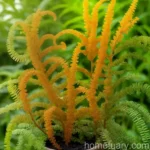
Osmunda Claytoniana (Interrupted Fern)
What is Osmunda Claytoniana (Interrupted Fern)?
Osmunda claytoniana, commonly known as the interrupted fern, is a species of fern native to eastern North America. It is an attractive deciduous fern that thrives in moist woodland settings, adding a touch of elegance and beauty to its surroundings. The interrupted fern is known for its unique fertile fronds, which appear to be ‘interrupted’ by sections of sterile leaf tissue, creating a visually striking pattern. This distinctive feature is what lends the plant its common name.
As a plant scientist, it is fascinating to explore the various aspects of Osmunda claytoniana, from its botanical description and habitat to its cultural significance and landscape uses. In this comprehensive guide, we will delve into the characteristics, growing requirements, care tips, propagation methods, and more, providing valuable insights for both novice and experienced gardeners.
Key Takeaways – Osmunda Claytoniana (Interrupted Fern)
Before we delve into the details of Osmunda claytoniana, let’s highlight some key takeaways regarding this captivating fern:
- Botanical Name: Osmunda claytoniana
- Common Name: Interrupted Fern
- Native Range: Eastern North America
- Distinctive Feature: Interrupted fertile fronds
- Habitat: Moist woodland settings
- Foliage: Deciduous
- Special Trait: Adds elegance and beauty to landscapes
Now that we’ve established an overview of the interrupted fern, let’s explore its culture, uses, and various aspects of care and maintenance.
Culture
The interrupted fern, Osmunda claytoniana, holds significant cultural and ecological importance. It plays a crucial role in providing habitat and sustenance for wildlife, while also adorning landscapes with its ornamental appeal. Let’s delve into the culture surrounding this fascinating plant.
Uses
Ecological Role
Osmunda claytoniana contributes to the biodiversity of ecosystems by providing shelter and food for various wildlife species. The dense clumps of foliage offer habitat for small mammals and birds, while the fronds and sporangia serve as food sources for certain insects.
Ornamental Value
In horticulture, the interrupted fern is highly valued for its aesthetic appeal. It is often featured in woodland gardens, shaded borders, and naturalized landscapes, where its delicate fronds and unique growth habit create a captivating visual impact.
Water
Interrupted ferns thrive in consistently moist soil, making them well-suited for planting in areas with high humidity and ample water availability. While they do not tolerate standing water, maintaining a moderately moist environment is essential for their growth and vitality.
Sunlight
In their natural habitat, interrupted ferns are typically found in shaded woodland areas with dappled or filtered sunlight. When cultivated in garden settings, they prefer partial to full shade to mimic their native conditions. Exposure to direct sunlight should be limited to avoid leaf scorching and dehydration.
Fertilizer
Interrupted ferns have modest fertilizer requirements and can thrive without heavy feeding. A balanced, slow-release fertilizer applied in the spring can provide the necessary nutrients for healthy growth. However, it is crucial to avoid over-fertilization, as excessive nitrogen can lead to lush, weak growth.
Soil
The interrupted fern prefers rich, well-draining soil that is high in organic matter. A loamy, acidic to slightly alkaline soil with good moisture retention is ideal for cultivating Osmunda claytoniana. Adding compost or leaf mulch to the planting area can enhance soil quality and moisture retention.
Pruning
Pruning requirements for interrupted ferns are minimal, mainly focusing on the removal of dead or damaged fronds. As the plant enters its dormant phase in late fall or early winter, any spent foliage can be trimmed back to tidy up the appearance and encourage healthy regrowth in the following season.
Propagation
Interrupted ferns can be propagated through division, which involves separating the root mass into smaller sections and replanting them in suitable locations. This can be done in early spring before new growth emerges, allowing the divided segments to establish themselves in their new environment.
Container Popularity
While interrupted ferns are primarily known for their presence in woodland settings and naturalized landscapes, they can also thrive in containers, provided that the growing conditions are carefully managed. The use of large, moisture-retentive containers with proper drainage can create a suitable environment for cultivating these ferns in a controlled setting.
Common Diseases
The interrupted fern is relatively resistant to diseases, with few significant issues affecting its overall health and vigor. However, occasional susceptibility to fungal infections, such as rust or leaf spot diseases, may arise in conditions of prolonged wetness or poor air circulation. Proper cultural practices, including adequate spacing and soil moderation, can help mitigate disease risks.
Disease Diagnosis
Diagnosing diseases in interrupted ferns involves closely examining the foliage for characteristic symptoms such as discolored spots, lesions, or unusual patterns. Identifying the specific signs of fungal or bacterial infections can aid in selecting appropriate treatment measures, which may include improving drainage, adjusting watering practices, or applying fungicidal treatments when necessary.
Common Pests
While interrupted ferns are generally robust and resilient plants, they can occasionally attract certain pests such as slugs, snails, and some chewing insects. Vigilant monitoring and prompt intervention, using organic or targeted pest control methods, can help manage pest populations and minimize potential damage to the foliage.
Botanist’s Tips
As a botanist, I recommend incorporating interrupted ferns, Osmunda claytoniana, into naturalistic garden designs and woodland landscapes to capitalize on their ornamental and ecological attributes. When establishing these ferns, it is essential to prioritize soil preparation and moisture management to ensure their long-term health and vitality. Additionally, integrating them into mixed plantings alongside compatible shade-loving species can create harmonious and visually appealing arrangements.
Fun Facts
- The unique pattern of interrupted fern’s fertile fronds, characterized by sections of sterile leaf tissue, sets it apart from many other fern species, making it a captivating addition to shaded gardens.
- Osmunda claytoniana has a long history of traditional uses, with indigenous cultures harnessing its various parts for medicinal, culinary, and craft purposes.
Now that we’ve explored the cultural significance and horticultural attributes of Osmunda claytoniana, it’s time to delve into more detailed information about this intriguing fern.
Botanical Description
Osmunda claytoniana belongs to the family Osmundaceae and is characterized by its distinctive frond structure, which includes fertile segments interrupted by sterile leaf tissue. These deciduous ferns typically grow in clumps, forming tufted mounds of lush foliage that add depth and texture to shaded settings.
Foliage Characteristics
- The sterile and fertile fronds of interrupted ferns exhibit contrasting visual characteristics, with the sterile portions being broad and leafy, while the fertile segments appear elongated and bearing sporangia.
- The overall frond structure creates a visually striking pattern, giving rise to the common name “interrupted fern.”
Reproductive Cycle
Interrupted ferns reproduce through spores, which are produced in clusters on the fertile fronds. The sporangia contain the reproductive spores, which are dispersed into the environment to facilitate the fern’s reproductive cycle. Spore release typically occurs in the late spring to early summer, contributing to the propagation of new ferns in suitable growing conditions.
Habitat and Native Range
Osmunda claytoniana is native to eastern North America, where it thrives in a range of moist woodland habitats, including stream banks, wet meadows, and wooded slopes. Its preference for moist, well-drained soil and shaded environments is reflective of its natural habitat, where it contributes to the richness of woodland ecosystems.
Soil Preferences
The interrupted fern exhibits a preference for rich, organic soil with good moisture retention capabilities. Well-draining, loamy soils that are slightly acidic to neutral are conducive to its growth, providing the necessary nutrients and aeration while preventing waterlogged conditions. Incorporating organic matter into the soil promotes optimal growing conditions for Osmunda claytoniana.
Light Requirements
In its native habitat, the interrupted fern is typically found in shaded or partially shaded settings, where dappled sunlight filters through the tree canopy. It thrives in these low-light conditions, making it well-suited for planting in shaded gardens, woodland borders, and other areas with limited direct sunlight.
Water Needs
Consistent moisture is essential for the interrupted fern’s growth and vitality. It thrives in settings with ample water availability, such as stream banks and wet woodland areas. Even in cultivated landscapes, it benefits from regular watering and soil moisture management to mimic its natural habitat conditions.
Temperature Tolerance
Interrupted ferns exhibit good cold hardiness, tolerating temperatures down to USDA Zone 3. This resilience to cold climates makes them suitable for cultivation in northern regions, where they can thrive in woodland gardens and shaded landscapes with adequate protection from harsh winter winds.
Pruning Techniques
Pruning interrupted ferns primarily involves the removal of spent fronds and any damaged or discolored foliage. This can be done in late fall or early winter, allowing the plant to enter its dormant phase with a tidy appearance. Pruning promotes air circulation and encourages healthy regrowth in the following growing season.
Winter Care
During the winter months, it is important to ensure that interrupted ferns are adequately protected from extreme cold and harsh winds. Applying a layer of mulch around the base of the plants can help insulate the root zone and maintain soil moisture, providing essential winter care for the ferns.
Fern Varieties
Osmunda claytoniana does not have distinct cultivated varieties, as its unique interrupted frond structure sets it apart from other fern species. However, within its native range, variations in frond size and overall plant vigor may be observed in different populations, contributing to the natural diversity of this species.
Conservation Status
As a native plant species, the conservation status of Osmunda claytoniana is of ecological concern, given its role in supporting wildlife and contributing to the integrity of woodland ecosystems. While not currently listed as threatened or endangered, the preservation of suitable habitats and the conservation of natural woodland areas are essential for maintaining the interrupted fern’s ecological significance.
Historical Uses
Throughout history, indigenous cultures have utilized various parts of Osmunda claytoniana for medicinal, culinary, and craft purposes. The fern’s rhizomes and young shoots were valued for their medicinal properties, while the fibrous roots were used in basket weaving and other crafts. These historical uses underscore the cultural significance of the interrupted fern in traditional practices.
Growing Osmunda Claytoniana
Cultivating Osmunda claytoniana in garden and landscape settings requires attention to specific growing requirements to ensure the plant thrives and retains its characteristic elegance. Let’s explore the comprehensive care tips for growing and maintaining this captivating fern.
Planting Instructions
When planting Osmunda claytoniana, it is essential to select a suitable location that replicates its native woodland habitat conditions. Follow these planting instructions to establish the interrupted fern successfully:
-
Site Selection: Choose a shaded or partially shaded location with moist, rich soil and good drainage. This can be in a woodland garden, along a shaded border, or near a water feature.
-
Soil Preparation: Prior to planting, amend the soil with organic matter such as compost or leaf mulch to improve fertility and moisture retention. Loosen the soil to facilitate root establishment.
-
Planting Depth: Dig a hole that is slightly larger than the plant’s root ball. Position the fern at the same depth as it was in its nursery container, ensuring that the crown is level with the soil surface.
-
Spacing: Space multiple interrupted ferns approximately 24 to 36 inches apart to allow for their mature spread and to create visually appealing groupings.
-
Watering: After planting, thoroughly water the fern to settle the soil around the roots. Maintain a consistent watering regimen to keep the soil evenly moist.
-
Mulching: Apply a layer of organic mulch, such as leaf compost or shredded bark, around the base of the plant to conserve soil moisture and suppress weed growth.
Propagation Methods
Propagating interrupted ferns can be achieved through division, a method that involves separating the plant’s rhizomes into smaller sections for replanting. Follow these propagation methods to propagate Osmunda claytoniana successfully:
-
Division Timing: Perform divisions in early spring before new growth emerges, allowing ample time for the divided segments to establish themselves before the onset of summer.
-
Rhizome Separation: Carefully dig up the established fern clumps, ensuring that the rhizomes and roots remain intact. Use a sharp, clean tool to divide the rhizomes into smaller sections, each with healthy root growth.
-
Replanting: Plant the divided segments at the appropriate depth and spacing in suitable locations, ensuring that the soil is consistently moist to support their establishment.
-
Watering and Care: Provide regular watering and attentive care to the newly propagated ferns, monitoring their growth and adjusting cultural practices as needed to promote healthy development.
Maintenance
To maintain the vigor and visual appeal of interrupted ferns, regular maintenance practices are essential. Follow these maintenance tips to ensure the optimal care of Osmunda claytoniana:
-
Watering: Maintain consistent soil moisture by watering the ferns as needed, particularly during dry periods. Avoid overwatering, which can lead to waterlogged soil conditions.
-
Fertilization: If necessary, apply a balanced, slow-release fertilizer in the spring to provide essential nutrients for healthy growth. However, avoid excessive fertilization, which can result in lush but weak foliage.
-
Pruning: Trim back spent fronds and any damaged foliage in late fall or winter, promoting a neat appearance and facilitating healthy regrowth in the following season.
-
Weed Control: Monitor the planting area for weeds and remove any unwanted growth to reduce competition for nutrients and moisture.
-
Mulching: Replenish the layer of organic mulch around the base of the plants as needed to maintain soil moisture and suppress weed growth.
-
Winter Protection: Provide protection from extreme cold by applying a layer of mulch around the base of the plants and ensuring adequate insulation during the winter months.
External Resources
For further information on Osmunda claytoniana, its cultivation, and ecological significance, explore the following external resources:
- The Plant List – Osmunda claytoniana
- Missouri Botanical Garden – Interrupted Fern
- United States Department of Agriculture – Osmunda claytoniana
- Royal Horticultural Society – Osmunda claytoniana
- North Carolina State University – Growing Hardy Ferns
In conclusion, Osmunda claytoniana, or the interrupted fern, is a captivating plant species with unique characteristics and a rich ecological heritage. Its graceful fronds, cultural significance, and contribution to natural landscapes make it a valuable addition to shaded gardens and woodland settings. By understanding its growing requirements, propagation methods, and maintenance practices, gardeners can cultivate and enjoy the ornamental and ecological benefits of this remarkable fern.
As a plant scientist, I encourage the appreciation and conservation of Osmunda claytoniana, recognizing its role in sustaining biodiversity and enriching natural environments. By incorporating this fern into horticultural endeavors and ecological restoration initiatives, we contribute to the preservation of a plant species that holds both aesthetic and ecological value.
Remember to explore the provided external resources for additional insights and guidance on growing and appreciating Osmunda claytoniana. Happy gardening and may the interrupted fern grace your landscapes with its timeless beauty!