Phalaenopsis Orchid (Phalaenopsis)
The Phalaenopsis orchid, also known as the moth orchid, is a beautiful and popular flowering plant that is prized for its stunning blooms and ease of care..
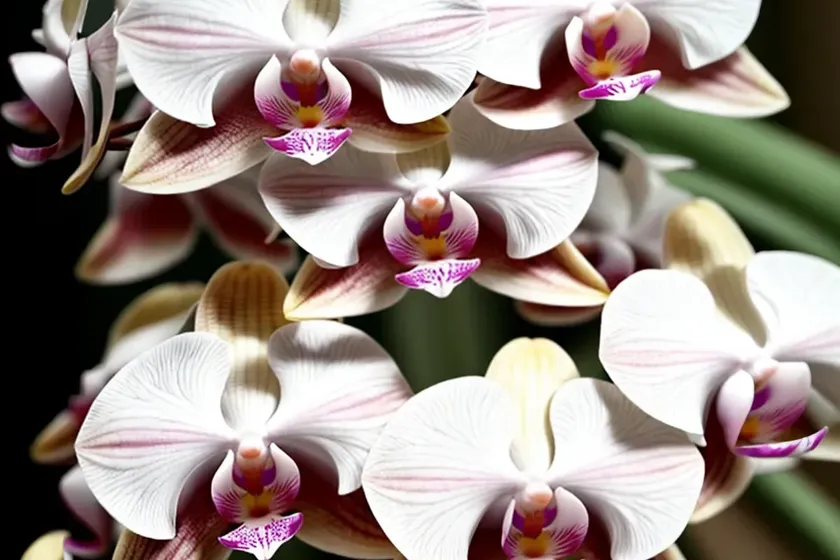
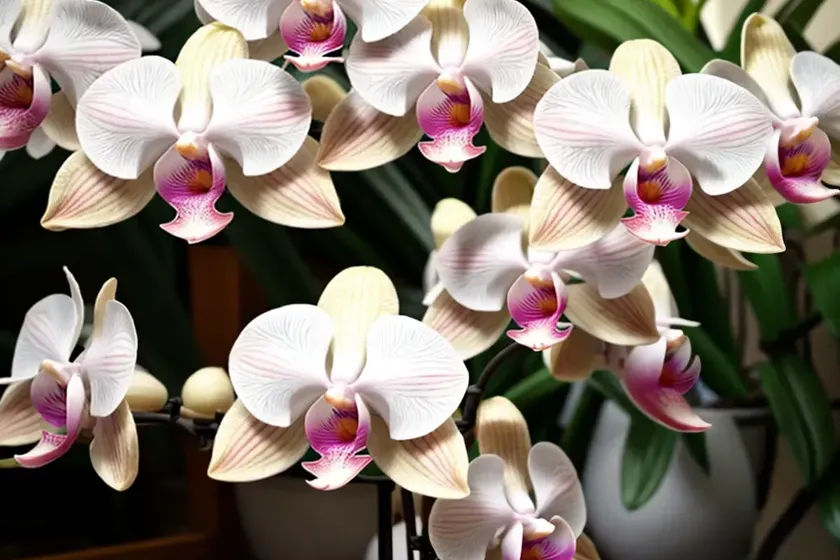
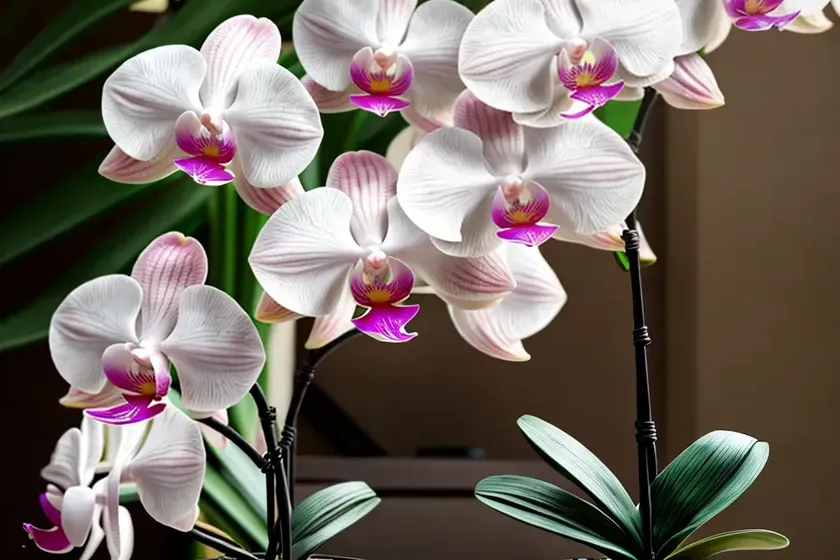
The Phalaenopsis orchid, also known as the moth orchid, is a beautiful and popular flowering plant that is prized for its stunning blooms and ease of care. Its elegant appearance and ability to thrive indoors make it a favorite among plant enthusiasts and hobbyists. In this comprehensive care guide, we will explore the various aspects of caring for Phalaenopsis orchids, including their culture, uses, water, sunlight, fertilizer, soil, pruning, propagation, container preferences, common diseases, and pests. Additionally, we will delve into botanist’s tips, fun facts, and provide links to external resources for further exploration.
What is Phalaenopsis Orchid (Phalaenopsis)?
The Phalaenopsis orchid, belonging to the genus Phalaenopsis, is a diverse group of orchids native to Southeast Asia, Australia, and the Pacific Islands. Known for their exotic and intricate flowers, they have become one of the most popular orchid species in the horticultural trade.
Phalaenopsis orchids are prized for their long-lasting, showy blooms, which come in a wide range of colors, patterns, and sizes. Their elegant, arching sprays of flowers make them a popular choice for both indoor and outdoor cultivation.
Key Takeaways – Phalaenopsis Orchid (Phalaenopsis)
Culture
- Phalaenopsis orchids are epiphytic, meaning they naturally grow on other trees and plants in their native habitats. As houseplants, they are commonly grown in pots or mounted on slabs or cork.
- They are often found in tropical or subtropical regions and are accustomed to warm, humid environments.
Uses
- Phalaenopsis orchids are primarily grown for their ornamental value, displaying exquisite blooms that can last for several weeks to months.
- These orchids are popular as decorative houseplants and are often used as gifts for various occasions due to their beauty and long-lasting flowers.
Water
- When it comes to watering Phalaenopsis orchids, it is important to maintain a balance. Overwatering can lead to root rot, while underwatering can cause dehydration.
- It is advisable to water the orchids early in the day to allow excess moisture to evaporate and reduce the risk of fungal diseases.
Sunlight
- Phalaenopsis orchids thrive in bright, indirect light. They should be protected from direct sunlight, especially during the hottest parts of the day.
- Inadequate light can lead to poor flowering, while excessive light can cause leaf damage.
Fertilizer
- When it comes to fertilizing Phalaenopsis orchids, a balanced, water-soluble fertilizer formulated specifically for orchids is recommended.
- Fertilization frequency may vary depending on the type of fertilizer used, environmental conditions, and the orchid’s growth stage.
Soil
- Phalaenopsis orchids are typically grown in a well-draining, airy medium to mimic their natural epiphytic habitat. Orchid bark, sphagnum moss, and perlite are commonly used components in potting mixes.
- Proper aeration and moisture retention are crucial for the root health and overall growth of Phalaenopsis orchids.
Pruning
- Pruning is an essential aspect of Phalaenopsis orchid care and involves the removal of spent flower spikes, dead or yellowing leaves, and aerial roots.
- Pruning helps promote better air circulation, tidiness, and redirects the plant’s energy to new growth and flower production.
Propagation
- Propagation of Phalaenopsis orchids can be achieved through various methods, including division of offshoots (keikis), back budding, and from seeds, although the latter is less commonly practiced by hobbyists due to its complexity and time requirements.
Container Preferences
- Phalaenopsis orchids thrive in containers with ample drainage holes and good airflow. Clear plastic pots are popular, as they allow for easy monitoring of root health and moisture levels.
Popularity
- Phalaenopsis orchids are widely popular as indoor ornamental plants due to their ease of care, stunning flowers, and adaptability to indoor environments.
Common Diseases
Disease Diagnosis
- Phalaenopsis orchids are susceptible to several diseases, including fungal, bacterial, and viral infections, as well as physiological disorders.
- Common signs of diseases in Phalaenopsis orchids include leaf spots, wilting, yellowing, and distorted growth, and some diseases may cause black rot, crown rot, or leaf blight.
Common Pests
- Phalaenopsis orchids can fall victim to pests such as aphids, scale insects, mealybugs, spider mites, and snails.
- Regular monitoring and preventive measures can help mitigate pest infestations and protect the orchids from damage.
Botanist’s Tips
- Ensure proper air circulation around the orchids to prevent stagnant air, which can lead to fungal and bacterial diseases.
- Use a humidity tray or a humidifier to create a conducive environment for Phalaenopsis orchids, especially in drier climates.
- Regularly inspect the orchids for any signs of pests, diseases, or stress and address issues promptly to maintain their health and vigor.
Fun Facts
- The name “Phalaenopsis” is derived from the Greek words “phalaina,” meaning “moth,” and “opsis,” meaning “resembling,” alluding to the moth-like appearance of the flowers.
- Phalaenopsis orchids are renowned for their air-purifying abilities and are capable of removing indoor air pollutants, contributing to improved air quality.
Now that we have touched upon the key aspects of Phalaenopsis orchid care, let’s explore each topic in greater detail.
Phalaenopsis Orchid Care Guide
Phalaenopsis Orchid Varieties
There is an incredible diversity of Phalaenopsis orchid varieties, boasting an array of colors, patterns, and sizes. Some popular varieties include:
- Phalaenopsis amabilis: This species features large, white flowers and is often used in hybridization to produce new cultivars.
- Phalaenopsis schilleriana: Known for its unique, mottled leaves and lavender-pink flowers, this species adds a distinct charm to orchid collections.
- Phalaenopsis equestris: With its petite size and vibrant colors, this species is a favorite among enthusiasts and is often used to create miniature hybrids.
How to Care for Phalaenopsis Orchids
Caring for Phalaenopsis orchids involves paying attention to key factors such as water, sunlight, fertilizer, humidity, and potting medium. Here are some essential care tips:
-
Watering: Water the orchids when the potting medium approaches dryness, typically every 7-10 days, but frequency may vary based on environmental conditions.
-
Guide to Watering Phalaenopsis Orchids
| Watering Frequency | Signs of Moisture | Action |
|——————-|——————|——–|
| Once every 7-10 days | Potting medium is dry to the touch | Water thoroughly, allowing excess water to drain freely | -
Sunlight: Provide bright, indirect light, avoiding direct sun exposure, especially during the midday hours.
-
Sunlight Requirements for Phalaenopsis Orchids
- Bright, indirect light
- Shield from direct sun exposure, especially during the hottest parts of the day
-
Fertilizing: Use a balanced orchid fertilizer at half strength every 2-4 weeks during active growth, and reduce frequency during the orchid’s dormant phase.
-
Best Fertilizer for Phalaenopsis Orchids
- Water-soluble orchid fertilizer with balanced N-P-K ratio
- Dilute to half strength to prevent fertilizer burn while providing essential nutrients
-
Humidity: Maintain a humidity level of 50-70% for optimal growth, utilizing a humidity tray or room humidifier to create a suitable microclimate.
-
Humidity Needs for Phalaenopsis Orchids
- 50-70% humidity level
- Use a humidity tray or room humidifier to enhance moisture levels, especially in drier environments
-
Potting Medium: Utilize a well-draining orchid potting mix, such as bark-based or sphagnum moss medium, to facilitate proper aeration and moisture retention.
-
Potting and Repotting of Phalaenopsis Orchids
- Use orchid bark, sphagnum moss, perlite, or a combination for well-draining potting medium
- Repot every 1-2 years or as needed to refresh the growing medium and assess root health
Growing Phalaenopsis Orchids Indoors
Phalaenopsis orchids are well-suited for indoor cultivation, provided they receive adequate light, proper humidity, and a consistent care regimen. Here are some considerations for growing Phalaenopsis orchids indoors:
- Select a location with bright, indirect light, such as an east- or west-facing window, to provide the necessary light levels for optimal growth and flowering.
- Maintain a consistent temperature range of 65-80°F (18-27°C) during the day and avoid exposure to drafts or temperature extremes.
- Create a humid environment by using a humidity tray filled with water and pebbles or employing a room humidifier to enhance moisture levels around the orchids.
Common Problems with Phalaenopsis Orchids
Despite being relatively low-maintenance plants, Phalaenopsis orchids can encounter certain issues that may affect their growth and blooming. Some common problems include:
- Root Rot: Caused by overwatering or poor drainage, leading to root suffocation and decay.
- Bud Blast: Often due to sudden changes in environmental conditions, such as temperature or light, resulting in the premature dropping of flower buds.
- Crown Rot: Occurs when water accumulates in the crown of the orchid, leading to fungal infections and rotting of the central growth point.
Phalaenopsis Orchid Watering Guide
Proper watering practices are crucial for the health and well-being of Phalaenopsis orchids. Refer to the following guidelines for effective watering:
-
Water the orchids in the morning to allow excess moisture to evaporate, reducing the risk of fungal infections and promoting overall plant health.
-
Ideal Watering Schedule for Phalaenopsis Orchids
- Early morning watering
- Allow excess water to drain freely from the pot to prevent waterlogging and potential root issues
-
Adjust watering frequency based on seasonal changes and the orchid’s growth stage, reducing the amount and frequency during dormancy.
Best Fertilizer for Phalaenopsis Orchids
Selecting the right fertilizer is essential for providing Phalaenopsis orchids with the necessary nutrients for growth and flowering. Consider the following factors when choosing a fertilizer:
-
Opt for a water-soluble orchid fertilizer with a balanced N-P-K ratio to ensure the orchids receive essential macronutrients for healthy development.
-
Factors to Consider When Choosing Fertilizer
- Balanced N-P-K ratio (e.g., 20-20-20 or 30-10-10)
- Water-soluble formulation for easy application and nutrient uptake
Phalaenopsis Orchid Sunlight Requirements
Providing appropriate light conditions is vital for the health and blooming of Phalaenopsis orchids. Understanding their sunlight preferences can help you create an optimal growing environment:
-
Bright, indirect light is ideal for Phalaenopsis orchids, with protection from direct sun exposure, especially during the hottest parts of the day.
-
Sunlight Tips for Phalaenopsis Orchids
- Shield from direct sun, particularly around midday
- Rotate orchids periodically to ensure even light exposure and balanced growth
Phalaenopsis Orchid Potting and Repotting
Proper potting and repotting practices are essential for maintaining the health of Phalaenopsis orchids. Consider the following guidelines for best results:
-
Use a well-draining potting medium, such as orchid bark or sphagnum moss, to promote healthy root growth and prevent waterlogged conditions.
-
Guidelines for Potting and Repotting Phalaenopsis Orchids
- Select a pot with ample drainage holes to prevent water accumulation
- Repot every 1-2 years to refresh the growing medium and examine root health
Phalaenopsis Orchid Disease Prevention
Preventing diseases in Phalaenopsis orchids involves adopting good cultural practices and promptly addressing any signs of illness. Take the following measures to minimize disease risk:
-
Maintain proper air circulation around the orchids by using fans or positioning them in areas with adequate airflow to reduce the likelihood of fungal and bacterial infections.
-
Disease Prevention Tips for Phalaenopsis Orchids
- Ensure proper ventilation in growing spaces
- Monitor and promptly address any signs of disease, such as leaf spots or discoloration
Common Pests on Phalaenopsis Orchids
Protecting Phalaenopsis orchids from common pests requires vigilance and preventive measures to avoid infestations. Identify and address potential pest issues as follows:
-
Regularly inspect the orchids for signs of pest activity, such as webs, stippling, or sticky residue, and promptly treat affected plants to prevent pest population growth.
-
Preventive Measures Against Common Pests
- Monitor orchids for aphids, spider mites, and mealybugs
- Use natural pest control methods or targeted treatments to minimize pest damage
Benefits of Having Phalaenopsis Orchids
Aside from their captivating beauty, Phalaenopsis orchids offer several benefits in indoor environments and horticultural settings. Consider the following advantages of cultivating Phalaenopsis orchids:
- Air Purification: Phalaenopsis orchids have air-purifying properties, removing indoor air pollutants and enhancing air quality.
- Stress Reduction: Their soothing presence and delicate blooms contribute to stress reduction and relaxation, promoting wellness.
Phalaenopsis Orchid Blooms Guide
The blooms of Phalaenopsis orchids are a major attraction, and understanding their flowering stages and habits can enhance your appreciation of these exquisite plants. Consider the following insights into Phalaenopsis orchid blooms:
- Flowering Stages: Phalaenopsis orchids typically progress through bud development, blooming, and post-bloom phases, with individual flowers lasting several weeks to months.
- Repeat Blooming: With proper care, Phalaenopsis orchids can rebloom from their old flower spikes, providing extended floral displays.
How to Propagate Phalaenopsis Orchids
Propagating Phalaenopsis orchids can be a rewarding endeavor, allowing you to expand your orchid collection and share plants with fellow enthusiasts. Explore the following methods of propagating Phalaenopsis orchids:
- Division: Separating offshoots (keikis) from the parent plant can yield new individuals, each with the potential to bloom and thrive.
- Back Budding: Encouraging the growth of new shoots and branches from the main stem can create robust, flowering plants.
Phalaenopsis Orchid Flowering Stages
The flowering stages of Phalaenopsis orchids offer an intriguing look into their development and lifespan. Understanding their flowering progression can help you anticipate and celebrate their blooming cycles:
- Bud Development: A period of anticipation as flower buds form and mature, leading up to the eventual emergence of blooms.
- Blooming: The peak of the orchid’s floral display, showcasing its vibrant, elegant flowers in all their splendor.
Phalaenopsis Orchid Humidity Needs
Maintaining appropriate humidity levels is vital for the health and growth of Phalaenopsis orchids. Address the humidity needs of Phalaenopsis orchids as follows:
-
Encourage ideal humidity levels of 50-70% to create a favorable microclimate for the orchids, especially in drier or arid environments.
-
Humidity Enhancement Techniques
- Use a humidity tray or room humidifier to increase moisture levels around the orchids
- Group plants together to create a localized microclimate with higher humidity levels
Growing Phalaenopsis Orchids from Seeds
While less common among hobbyists, growing Phalaenopsis orchids from seeds is an intriguing and rewarding process, albeit one that demands patience and precision. Delve into the process of growing Phalaenopsis orchids from seeds with the following considerations:
- Seed Sowing: Sow orchid seeds on a specialized, sterile medium and provide the necessary conditions for germination and early growth.
- Seedling Care: Nurture the delicate seedlings with appropriate light, humidity, and nutrition to support their development into robust, flowering plants.
Phalaenopsis Orchid Pruning Techniques
Pruning is an essential aspect of Phalaenopsis orchid care, promoting tidiness, vigor, and improved flowering. Explore the following guidelines for effective pruning of Phalaenopsis orchids:
-
Regularly remove spent flower spikes and discolored or damaged leaves to maintain the orchids’ aesthetic appeal and redirect their energy to new growth and flowering.
-
Pruning Tips for Phalaenopsis Orchids
- Trim flower spikes at the base once the blooms have faded
- Trim yellowing or desiccated leaves to enhance the overall appearance of the plant
Phalaenopsis Orchid Temperature Preferences
Maintaining appropriate temperature conditions is crucial for the growth and well-being of Phalaenopsis orchids. Understand and address their temperature preferences as follows:
-
Provide a consistent temperature range of 65-80°F (18-27°C) during the day, and avoid exposing the orchids to cold drafts or temperature fluctuations.
-
Temperature Guidelines for Phalaenopsis Orchids
- Daytime temperature range: 65-80°F
- Protect from sudden temperature drops or exposure to drafts, especially during the winter months
Phalaenopsis Orchid Air Circulation Requirements
Providing adequate air circulation is essential for the health and vitality of Phalaenopsis orchids, helping prevent stagnant air and related issues. Enhance air circulation around your orchids with the following techniques:
-
Position the orchids in areas with natural airflow or use a small fan to gently circulate air, reducing the risk of fungal diseases and promoting overall plant vigor.
-
Techniques for Improving Air Circulation
- Place orchids in areas with gentle, natural airflow
- Use a small, oscillating fan on low settings to promote air movement around the orchids
How to Divide Phalaenopsis Orchids
Dividing Phalaenopsis orchids is a method of propagation that can yield new, independent plants derived from the parent specimen. Follow these steps for successful division of Phalaenopsis orchids:
-
Gently separate the offshoots (keikis) or new growth points from the main plant, taking care to preserve the roots and establish the new divisions in appropriate growing conditions.
-
Division Technique for Phalaenopsis Orchids
- Carefully separate keikis from the parent plant, ensuring each division has sufficient roots and viable growth points
- Establish new divisions in suitable growing medium and conditions, allowing them to establish and thrive
Phalaenopsis Orchid Repotting Frequency
Regular repotting of Phalaenopsis orchids is essential for refreshing the growing medium, assessing root health, and promoting continued growth and flowering. Understand the recommended repotting frequency for Phalaenopsis orchids:
- Repot Phalaenopsis orchids every


