Phalaenopsis Schilleriana (Moth Orchid)
As a plant scientist, I have had the opportunity to study a wide variety of plant species, each with its own unique characteristics and requirements. One.
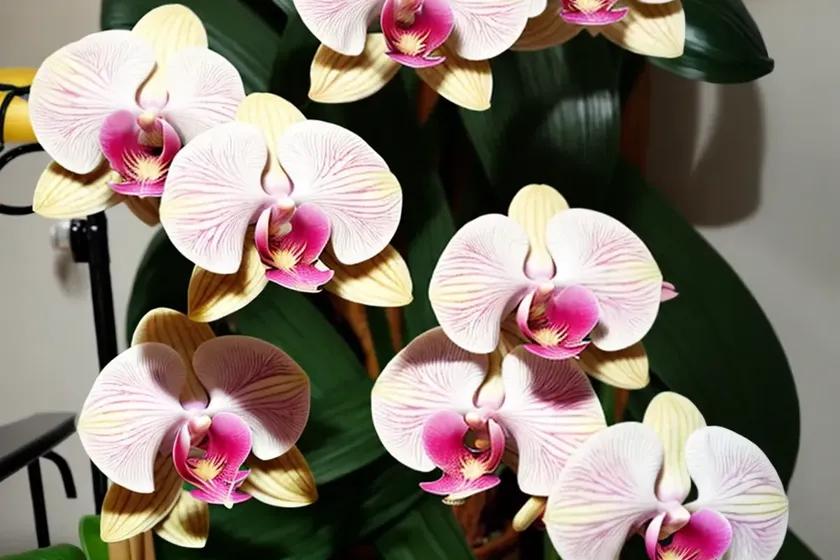
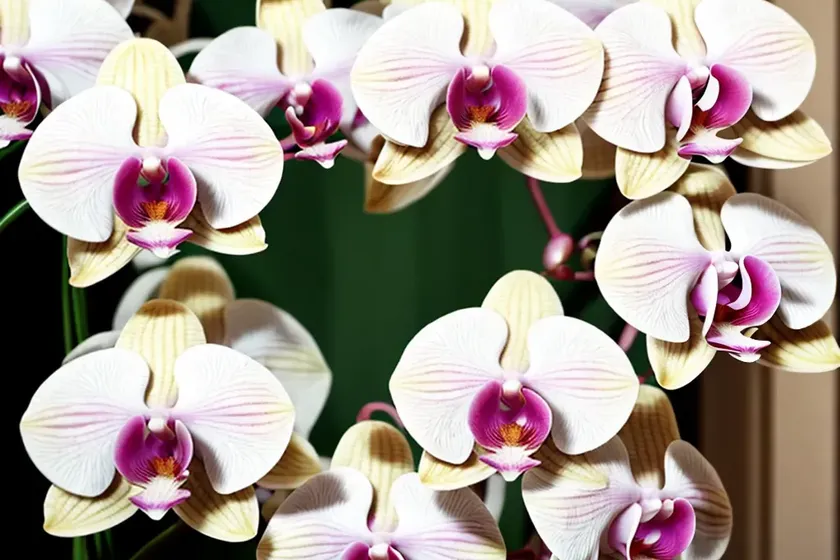
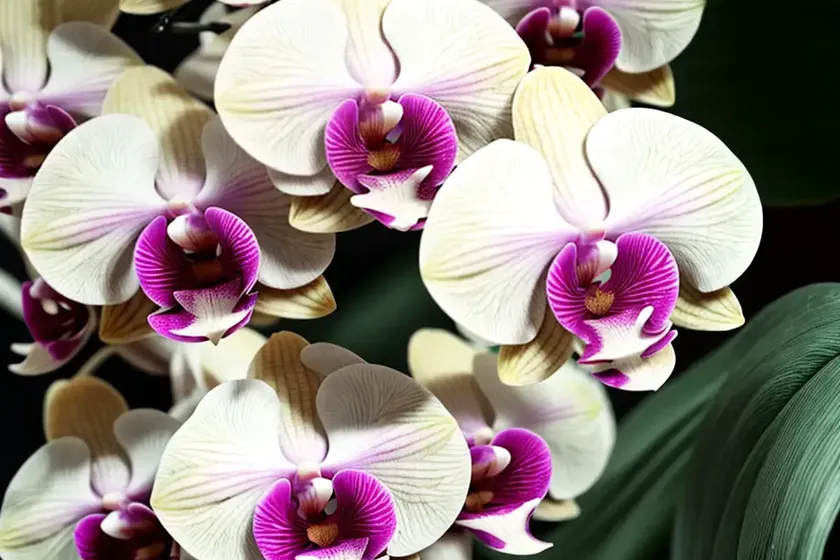
As a plant scientist, I have had the opportunity to study a wide variety of plant species, each with its own unique characteristics and requirements. One such fascinating plant that has captured my attention is the Phalaenopsis schilleriana, more commonly known as the Moth Orchid. This stunning species boasts delicate, butterfly-like blooms and has gained popularity among plant enthusiasts for its elegance and relatively low maintenance needs.
In this comprehensive guide, we will delve into the world of Phalaenopsis schilleriana, exploring its cultural requirements, uses, common diseases, pests, and much more. By the end of this article, you will have a deeper understanding of this beautiful orchid and be equipped with the knowledge to care for it in your own home.
What is Phalaenopsis schilleriana?
Phalaenopsis schilleriana is a species of orchid native to the Philippines. It belongs to the genus Phalaenopsis, which is well-known for its diverse and exquisitely patterned orchid species. The specific epithet “schilleriana” pays tribute to Carl Ludwig Sigmund Schiller, a 19th-century German orchid collector.
The common name “Moth Orchid” is a nod to the orchid’s resemblance to a fluttering moth, especially when viewed in profile. The species is particularly loved for its long-lasting, showy flowers that add a touch of elegance to any space.
Key Takeaways – Phalaenopsis schilleriana (Moth Orchid)
Before we dive into the specifics of caring for the Phalaenopsis schilleriana, let’s take a moment to highlight key takeaways about this captivating orchid species.
1. Culture
- Origin: The native habitat of Phalaenopsis schilleriana is the Philippines, where it grows in the cooler, mountainous regions.
- Growing Conditions: This orchid species thrives in warm, humid environments and prefers filtered or indirect sunlight.
2. Uses
- Ornamental Purposes: Phalaenopsis schilleriana is primarily cultivated for its stunning flowers, making it a popular choice for indoor decoration and gifting.
3. Water
- Watering Guide: Proper watering is essential for the health of Phalaenopsis schilleriana, with a balance of hydration and adequate drainage being crucial.
4. Sunlight
- Sunlight Requirements: While this orchid enjoys bright, indirect light, it should be shielded from direct sunlight to prevent leaf damage.
5. Fertilizer
- Fertilization: Regular feeding with a balanced orchid fertilizer can support the growth and blooming of Phalaenopsis schilleriana.
6. Soil
- Potting Mix: Well-draining orchid potting mix, such as a blend of bark, perlite, and sphagnum moss, is ideal for Phalaenopsis schilleriana.
7. Pruning
- Pruning Needs: Pruning is minimal for this orchid, generally involving the removal of spent flower spikes to encourage new growth.
8. Propagation
- Propagation Methods: Division and keiki propagation are common techniques used to propagate Phalaenopsis schilleriana.
9. Container
- Container Gardening: Growing Phalaenopsis schilleriana in well-ventilated, appropriately sized containers is essential for its health.
10. Popularity
- Consumer Demand: The allure of Phalaenopsis schilleriana has made it a popular choice for indoor plant enthusiasts and orchid collectors.
11. Common Diseases
- Disease Risks: Common diseases that may affect this orchid include root rot, bacterial infections, and fungal diseases.
12. Disease Diagnosis
- Symptoms: Timely diagnosis of disease symptoms can aid in effective treatment and prevention of further spread.
13. Common Pests
- Pest Vulnerability: Phalaenopsis schilleriana may attract common orchid pests such as aphids, scale insects, and spider mites.
14. Botanist’s Tips
- Expert Advice: Insights from seasoned botanists can offer valuable guidance on caring for and cultivating Phalaenopsis schilleriana.
15. Fun Facts
- Interesting Tidbits: Exploring lesser-known facts about Phalaenopsis schilleriana can deepen appreciation for this captivating orchid species.
Now that we have outlined the key aspects of Phalaenopsis schilleriana, let’s delve deeper into each of these areas to provide a comprehensive understanding of how to best care for and appreciate this remarkable orchid.
Culture: Understanding Phalaenopsis schilleriana’s Natural Habitat
Phalaenopsis schilleriana Habitat
The natural habitat of Phalaenopsis schilleriana in the Philippines offers insights into the conditions that this orchid species favors. Generally, it is found growing in the cool, mountainous regions, where it benefits from higher humidity levels and relatively moderate temperatures.
Moth Orchid Cultivation Tips
When cultivating Phalaenopsis schilleriana, it is essential to replicate its native habitat as closely as possible. This involves creating an environment with the right temperature range, humidity levels, and filtered light to promote healthy growth and flowering.
Phalaenopsis schilleriana Characteristics
The unique characteristics of Phalaenopsis schilleriana, such as its distinct leaf shape, delicate flowers, and growth habit, contribute to its appeal among plant enthusiasts and orchid lovers.
Uses: Ornamental Beauty of Phalaenopsis schilleriana
The ornamental value of Phalaenopsis schilleriana makes it a sought-after plant for indoor decoration, gifting, and collection. Understanding the various uses of this orchid can enhance one’s appreciation for its beauty and value in horticulture.
Water: Finding the Right Balance
Proper watering is critical for the health and well-being of Phalaenopsis schilleriana. Achieving the right balance between hydration and aeration is key to preventing issues such as root rot and dehydration.
Moth Orchid Watering Guide
A comprehensive watering guide can offer valuable insights into the frequency, methods, and considerations involved in watering Phalaenopsis schilleriana to maintain optimal moisture levels.
Sunlight: Providing the Perfect Light Conditions
Sunlight requirements for Phalaenopsis schilleriana are specific, with the orchid thriving in bright, indirect light while requiring protection from harsh, direct sunlight that can cause leaf damage.
Fertilizer: Nourishing Phalaenopsis schilleriana
Regular fertilization with a balanced orchid fertilizer can support the growth, development, and blooming of Phalaenopsis schilleriana, ensuring it receives the nutrients necessary for its well-being.
Soil: Choosing the Right Potting Mix
The selection of an appropriate potting mix, such as a well-draining blend of bark, perlite, and sphagnum moss, is crucial for promoting healthy root growth and overall plant health for Phalaenopsis schilleriana.
Pruning: Minimal Maintenance Needs
Pruning requirements for Phalaenopsis schilleriana are generally minimal, with focus on the removal of spent flower spikes to encourage new growth and promote flowering.
Propagation: Creating New Plants
Understanding the methods of propagation, such as division and keiki propagation, can offer opportunities to expand one’s collection of Phalaenopsis schilleriana and share the beauty of this orchid with others.
Container: Essential for Healthy Growth
Growing Phalaenopsis schilleriana in well-ventilated containers that provide ample space for root development and growth is crucial for its overall health and well-being.
Popularity: Embracing a Beloved Orchid Species
The popularity of Phalaenopsis schilleriana among indoor plant enthusiasts and orchid collectors highlights its allure and appeal as a beloved orchid species with a global following.
Common Diseases: Guarding Against Health Risks
Awareness of common diseases that may affect Phalaenopsis schilleriana, such as root rot, bacterial infections, and fungal diseases, can aid in early detection, prevention, and treatment.
Disease Diagnosis: Identifying and Addressing Symptoms
Timely diagnosis of disease symptoms in Phalaenopsis schilleriana is essential for implementing appropriate measures to halt the spread of diseases and protect the orchid’s health.
Common Pests: Vigilance Against Intruders
Understanding the vulnerability of Phalaenopsis schilleriana to common orchid pests, including aphids, scale insects, and spider mites, is crucial for proactive pest management and prevention.
Botanist’s Tips: Insights from Experts
Seeking advice and insights from experienced botanists and horticulturists can provide valuable guidance on caring for, cultivating, and appreciating Phalaenopsis schilleriana.
Fun Facts: Exploring the Fascinating World of Phalaenopsis schilleriana
Uncovering lesser-known facts and intriguing details about Phalaenopsis schilleriana can increase one’s fascination and admiration for this captivating orchid species.
By delving into all these aspects, we will gain a comprehensive understanding of Phalaenopsis schilleriana and how best to care for this enchanting orchid.
Phalaenopsis schilleriana and Water
Phalaenopsis schilleriana requires proper attention and care when it comes to watering. Overwatering can lead to root rot and other related issues, while underwatering can cause dehydration and hinder its growth and flowering.
A recommended watering schedule for Phalaenopsis schilleriana involves allowing the potting mix to dry slightly before watering. This typically translates to watering approximately once a week, though adjustments may need to be made based on factors such as ambient humidity and temperature.
When watering, it is essential to ensure thorough soaking to allow the entire root system to receive moisture. Additionally, proper drainage is crucial, as stagnant water can pose a risk to the orchid’s root health.
Phalaenopsis schilleriana and Sunlight
Understanding the sunlight requirements of Phalaenopsis schilleriana is vital for providing the appropriate conditions for its growth and blooming. As a general guideline, this orchid species thrives in bright, indirect light, which could be achieved through filtered sunlight or placement in areas with ample natural light.
Direct sunlight should be avoided, as it can lead to leaf damage and negatively impact the overall health of Phalaenopsis schilleriana. In cases where natural light is limited, supplemental fluorescent lighting can be utilized to meet the orchid’s sunlight needs.
Phalaenopsis schilleriana and Fertilizer
Regular fertilization is key to supporting the growth and blossoming of Phalaenopsis schilleriana. Utilizing a balanced orchid fertilizer, which contains essential nutrients such as nitrogen, phosphorus, and potassium, can help maintain its health and vigor.
An appropriate fertilization schedule for Phalaenopsis schilleriana involves feeding at regular intervals, typically every two to four weeks during the growing season. Furthermore, it is important to dilute the fertilizer to half or quarter strength to avoid over-fertilization, which can be detrimental to the orchid.
Phalaenopsis schilleriana and Soil
The choice of potting mix for Phalaenopsis schilleriana plays a vital role in supporting its root system and overall well-being. A well-draining orchid potting mix, composed of materials such as bark, perlite, and sphagnum moss, facilitates proper aeration and moisture retention, preventing the risk of waterlogged roots.
When repotting Phalaenopsis schilleriana, it is recommended to use fresh potting mix to provide optimal growing conditions and replenish the nutrients available to the orchid.
Phalaenopsis schilleriana and Pruning
Pruning needs for Phalaenopsis schilleriana are minimal, primarily centered around the removal of spent flower spikes to encourage new growth and future flowering. Care should be taken to use sterile pruning tools to minimize the risk of transmitting diseases to the plant.
Additionally, regular inspection of the orchid for signs of dead or decaying plant material is advisable, with prompt removal of any affected portions to maintain overall plant health.
Phalaenopsis schilleriana and Propagation
The propagation of Phalaenopsis schilleriana can be achieved through methods such as division and keiki propagation. Division involves separating the orchid into individual plants with a viable root system, while keiki propagation utilizes the growth of offshoots, known as keikis, to create new plants.
Understanding the propagation methods and timing suitable for Phalaenopsis schilleriana can provide opportunities to expand one’s collection of this captivating orchid.
Phalaenopsis schilleriana and Container Gardening
The selection of appropriate containers for Phalaenopsis schilleriana is crucial for creating a conducive environment for its growth. Well-ventilated containers with sufficient drainage holes promote air circulation around the roots and prevent waterlogging, supporting the orchid’s overall health.
Regularly monitoring the container size and condition, as well as the need for repotting, is essential for maintaining optimal growing conditions for Phalaenopsis schilleriana.
Common Diseases Affecting Phalaenopsis schilleriana
Despite being relatively resilient, Phalaenopsis schilleriana is susceptible to a range of diseases that can affect its overall health and blooming. Common diseases that may pose a threat to this orchid species include:
-
Root Rot: Excessive moisture and poor drainage can lead to root rot, causing the roots to decay and hinder the orchid’s ability to absorb nutrients and water.
-
Bacterial Infections: Bacterial diseases, characterized by symptoms such as leaf spotting and rot, can impact Phalaenopsis schilleriana’s foliage and overall vitality.
-
Fungal Diseases: Fungal infections, which may manifest as discolored spots on leaves and stems, can compromise the health of Phalaenopsis schilleriana if left untreated.
Diagnosing and Treating Diseases in Phalaenopsis schilleriana
Early diagnosis of diseases in Phalaenopsis schilleriana is crucial for implementing effective treatment and preventing further spread. Recognizing the symptoms associated with common diseases and promptly addressing them can help safeguard the plant’s health.
When signs of disease are observed, such as discoloration, wilting, or abnormal growth, it is essential to conduct a thorough examination to ascertain the nature and extent of the issue. Once diagnosed, appropriate treatments, such as targeted fungicides or bactericides, can be employed to address the specific disease affecting the orchid.
Phalaenopsis schilleriana and Common Pests
Phalaenopsis schilleriana is susceptible to infestation by common orchid pests, including:
-
Aphids: These tiny insects can cluster on the underside of leaves, feeding on the plant’s sap and potentially causing damage.
-
Scale Insects: Scale insects, which appear as small, immobile bumps on the plant, can impact Phalaenopsis schilleriana by sapping its nutrients.
-
Spider Mites: These arachnids, known for causing fine webbing and stippling on leaves, can negatively affect the health and appearance of the orchid.
Vigilance and proactive pest management are crucial for preventing pest damage and ensuring the well-being of Phalaenopsis schilleriana. Regular monitoring and the use of organic or targeted insecticides can help manage and mitigate pest infestations.
Botanist’s Tips for Caring for Phalaenopsis schilleriana
Seeking advice and insights from experienced botanists and horticulturists can offer valuable guidance on caring for and cultivating Phalaenopsis schilleriana. Some noteworthy tips from expert sources may include:
-
Optimizing Growing Conditions: Adjusting environmental factors such as humidity levels, temperature, and lighting to create an ideal setting for Phalaenopsis schilleriana’s growth and flowering.
-
Preventive Care: Implementing proactive measures, such as ensuring proper watering and ventilation, to minimize the risk of diseases and pest infestations.
-
Observational Skills: Developing the ability to recognize and interpret the plant’s responses to environmental changes, providing valuable insights into its health and condition.
Fun Facts About Phalaenopsis schilleriana
Exploring lesser-known facts about Phalaenopsis schilleriana can shed light on its unique characteristics and enrich one’s appreciation for this captivating orchid species. Some intriguing fun facts about Phalaenopsis schilleriana include:
-
Scented Blooms: Certain varieties of Phalaenopsis schilleriana produce fragrant flowers, adding an olfactory dimension to their allure.
-
Varied Flower Colors: The blooms of Phalaenopsis schilleriana come in an array of colors, including shades of white, pink, and lavender, contributing to its visual appeal.
-
Longevity of Blooms: When cared for optimally, the flowers of Phalaenopsis schilleriana can persist for several weeks, providing an extended display of beauty.
By uncovering these fun facts, we gain a deeper understanding of the captivating nature of Phalaenopsis schilleriana and the fascinating intricacies of this remarkable orchid species.
Conclusion
In conclusion, Phalaenopsis schilleriana, or the Moth Orchid, offers a captivating fusion of elegance and resilience, making it a cherished addition to indoor plant collections and horticultural displays. By understanding its cultural requirements, uses, maintenance needs, and unique attributes, we can cultivate a deeper appreciation for the beauty and significance of this enchanting orchid.
This comprehensive guide has provided insights into the various facets of caring for Phalaenopsis schilleriana, equipping plant enthusiasts and orchid lovers with a wealth of knowledge to support the health and vitality of this remarkable plant. Whether adorning living spaces with its exquisite blooms or tending to its growing needs, Phalaenopsis schilleriana continues to enthrall with its timeless allure and enduring charm.
Through ongoing exploration and dedication to its care, the beauty of Phalaenopsis schilleriana is destined to flourish, captivating hearts and homes with its graceful presence.
References
- American Orchid Society (2021, May 21). Culture of Phalaenopsis. https://www.aos.org/Default.aspx?id=143
- Birk, Tal. (2020, March 9). Watering Your Moth Orchid – A Basic Guide. https://www.orchidbliss.com/watering-your-moth-orchid-basic-guide/
- International Orchid Foundation. (n.d.). Phalaenopsis Schilleriana. https://www.orchids.org/gardens/phalaenopsis-schilleriana
- Missouri Botanical Garden. (2021). Moth Orchids Plant Care Guide. https://www.missouribotanicalgarden.org/Portals/0/Gardening/Gardening Help/Visual Guides/Moth-page.pdf
- Orchid Plant Care Ltd. (n.d.). Keiki Propagation Guide – Everything You Need to Know. https://orchidplantcare.info/keiki-propagation/
- U.S. National Library of Medicine


