Phalaenopsis Amabilis (Moth Orchid)
Phalaenopsis amabilis, commonly known as the moth orchid, is a stunning and popular species of orchid appreciated for its exquisite beauty and relatively.
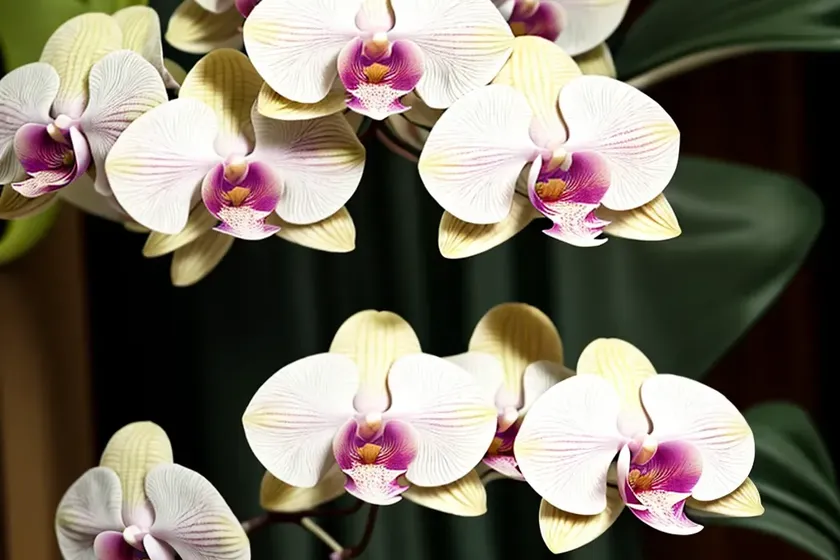
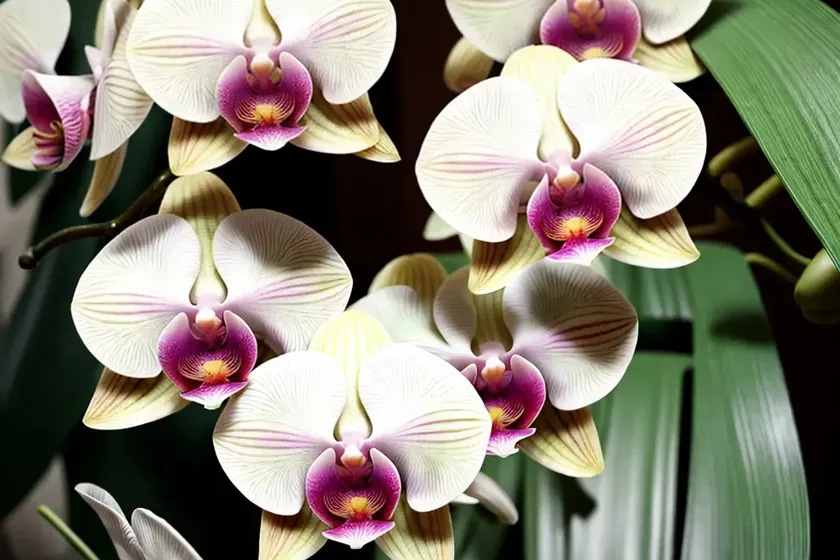
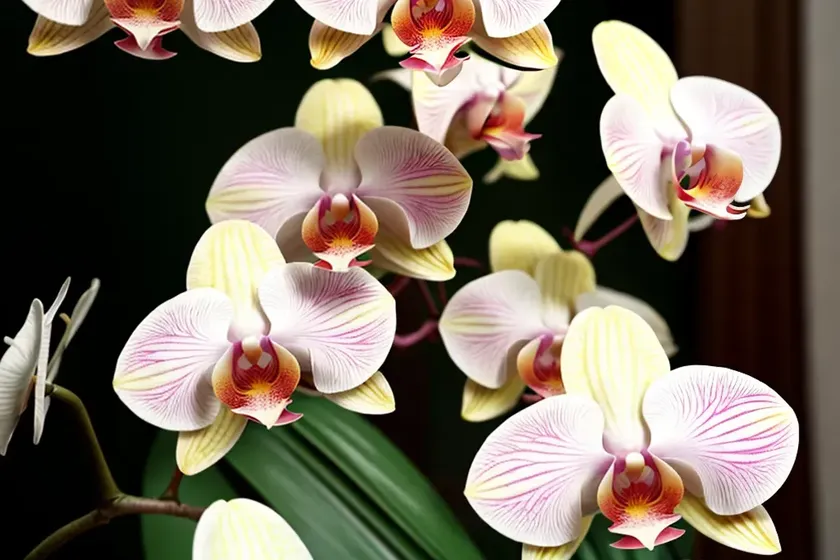
Phalaenopsis amabilis, commonly known as the moth orchid, is a stunning and popular species of orchid appreciated for its exquisite beauty and relatively low maintenance requirements. As a plant scientist specializing in orchid care, I am excited to delve into the world of Phalaenopsis amabilis and provide a comprehensive care guide for enthusiasts and beginners alike.
In this detailed guide, we will explore the fundamental aspects of caring for Phalaenopsis amabilis, including its cultural needs, uses, water and sunlight requirements, fertilizer application, soil preferences, pruning techniques, propagation methods, container selection, common diseases and pests, and various essential tips for successful cultivation.
What is Phalaenopsis amabilis (Moth Orchid)?
Phalaenopsis amabilis, belonging to the Orchidaceae family, is a species of orchid that is native to the Southeast Asian region, specifically found in countries such as Indonesia, Malaysia, the Philippines, and parts of Papua New Guinea. Its name “Phalaenopsis” is derived from the Greek words “phalaina,” meaning “moth,” and “opsis,” meaning “like,” alluding to the moth-like appearance of its flowers.
The moth orchid is renowned for its elegant, arching sprays of flowers, which showcase an array of colors, including shades of white, pink, purple, and yellow. The blooms possess a uniquely symmetrical structure and captivating patterns, often resembling delicate butterflies or moths in flight. This species has been a favorite among plant enthusiasts and collectors for generations due to its stunning appearance, long-lasting blooms, and adaptability to indoor environments.
Key Takeaways – Phalaenopsis amabilis (Moth Orchid)
Before delving into the specific care guidelines for Phalaenopsis amabilis, let’s highlight the key takeaways associated with this beloved orchid species.
- Plant Name: Phalaenopsis amabilis (Moth Orchid)
- Common Names: Moth Orchid, Anggrek Bulan
- Scientific Classification:
- Kingdom: Plantae
- Order: Asparagales
- Family: Orchidaceae
- Genus: Phalaenopsis
- Species: Phalaenopsis amabilis
Let’s proceed to discuss each aspect of Phalaenopsis amabilis care in detail, addressing its cultural requirements, uses, and various care tips.
Culture
Uses
Phalaenopsis amabilis holds significant importance within horticulture and is utilized in several capacities:
- Ornamental Beauty: The primary use of Phalaenopsis amabilis is for ornamental purposes, adorning homes, offices, and public spaces with its exquisite blooms.
- Cut Flowers: The long-lasting flowers of the moth orchid are frequently utilized in floral arrangements and bouquets due to their longevity and visual appeal.
- Hybridization: As a species with numerous varieties and color forms, Phalaenopsis amabilis is often used in hybridization programs to introduce its desirable traits, such as robustness and captivating flower patterns, into new cultivars.
Now, let’s dive into the specifics of caring for Phalaenopsis amabilis, starting with its water requirements.
Water
The water requirements of Phalaenopsis amabilis are crucial for its overall health and blooming success. Proper watering practices are essential in preventing issues such as root rot and dehydration. Here are some important points to consider:
- Watering Frequency: Phalaenopsis amabilis typically requires watering about once a week, but this can vary based on environmental conditions and the moisture retention of the growing medium.
- Watering Method: Water the plant thoroughly, allowing excess water to drain from the pot’s drainage holes. Avoid leaving the orchid in standing water, as this can lead to root suffocation and decay.
- Hydration Indicator: The ideal time to water the plant is when the growing medium is slightly dry to the touch. However, do not let the medium completely desiccate between waterings, as this can cause stress to the plant.
- Water Quality: It’s crucial to use water that is free from chemicals and excess minerals. Rainwater, distilled water, or water filtered with reverse osmosis systems are suitable options for maintaining optimal orchid health.
Ensure that the orchid’s container has proper drainage to prevent water accumulation. Additionally, consider the ambient humidity levels, as this can influence the plant’s water needs, especially in drier environments.
Sunlight
Effective exposure to sunlight is essential for the growth and blooming capacity of Phalaenopsis amabilis. Here are some key points to consider regarding its sunlight requirements:
- Light Intensity: Moth orchids thrive in bright, indirect light. Exposure to direct sunlight, especially during the intense afternoon hours, can lead to sunburn or leaf damage. Providing dappled or filtered light through sheer curtains or translucent blinds can help achieve the optimal light intensity.
- Duration of Light: Phalaenopsis amabilis generally benefits from about 12 to 14 hours of light per day. However, it’s important to avoid excessive exposure to artificial light during the night, as the plant requires a period of darkness for proper physiological processes.
- Seasonal Adjustments: In regions with distinct seasons, adjustments may be necessary based on the changing light conditions. During the warmer months, it may be beneficial to provide some shading during the peak of the day to prevent excessive heat and light exposure.
Fulfilling the moth orchid’s light requirements is vital for promoting sturdy growth and vibrant, long-lasting blooms.
Fertilizer
Appropriate fertilization is essential for supporting the growth and flowering of Phalaenopsis amabilis. Here are crucial considerations for effectively fertilizing this orchid species:
- Fertilizer Type: Utilize a balanced, water-soluble orchid fertilizer with an N-P-K ratio of approximately 20-20-20 or 20-10-20. Select a formula designed for orchids or utilize a fertilizer specifically formulated for flowering plants.
- Fertilization Schedule: During the active growing season, which typically spans from spring to early fall, feed the orchid with a diluted fertilizer solution about every two weeks. Reduce the frequency to once a month during the winter months when growth rates decrease.
- Proper Application: Apply the fertilizer solution to damp, well-hydrated roots to minimize the risk of root burn. Avoid direct contact between the fertilizer and the leaves or pseudobulbs, as this can lead to leaf damage and nutrient imbalances.
- Flush with Water: After applying the fertilizer, flush the potting medium with plain water to prevent the accumulation of excess salts, which can harm the orchid’s roots over time.
Effective fertilization assists in providing the essential nutrients required for robust growth, stamina, and prolific flowering in Phalaenopsis amabilis.
Soil
Selecting an appropriate growing medium for Phalaenopsis amabilis is pivotal in maintaining optimal root health and overall plant vigor. Consider the following guidelines when choosing or preparing the orchid’s soil mix:
- Aeration and Drainage: Opt for a well-draining, porous medium that promotes good aeration around the roots. A typical orchid mix consists of materials such as bark, sphagnum moss, perlite, and charcoal, which support efficient air circulation and water drainage.
- Moisture Retention: While excellent drainage is essential, the medium should also possess adequate moisture-retaining capabilities. This balance ensures that the roots remain consistently moist without becoming waterlogged.
- Repotting Needs: Phalaenopsis amabilis generally benefits from repotting every 1-2 years, or when the growing medium begins to decompose and lose its structural integrity. Select an appropriately sized container that accommodates the orchid’s root system with some room for growth.
Ensuring that the orchid’s growing medium facilitates proper drainage and root aeration is vital in preventing issues such as root rot and fungal diseases.
Pruning
Pruning is a valuable practice for maintaining the health and visual appeal of Phalaenopsis amabilis. Here are some essential aspects to consider regarding the pruning of this orchid species:
- Stem Maintenance: After a bloom spike has finished flowering, it can be pruned to encourage the development of new spikes. Cut the stem just above a node to prompt new growth.
- Leaf Management: When removing old or damaged leaves, exercise care to avoid injuring the plant. Utilize sterilized pruning tools to make clean cuts and minimize the risk of introducing pathogens to the plant.
- Aerial Roots: Aerial roots are a natural feature of Phalaenopsis amabilis and should not be pruned unless they are rotting or damaged. These roots aid in nutrient absorption and stability and should be left undisturbed whenever possible.
Pruning the orchid as needed promotes a tidy appearance and redirects energy for new growth and flowering potential.
Propagation
The propagation of Phalaenopsis amabilis allows enthusiasts to expand their orchid collection and share the beauty of this species with others. Here are key methods for propagating moth orchids:
- Keiki Production: Phalaenopsis amabilis often produces keikis, or miniature offshoots, along the flower spike or at the base of the plant. These keikis can be carefully removed and potted once they have developed several roots and a small leaf.
- Meristem Division: Propagation through meristem division involves carefully dividing the plant into sections, ensuring that each segment has viable roots and at least one growth point. These segments can then be potted individually and provided with appropriate care to facilitate new growth.
Propagation allows for the proliferation of Phalaenopsis amabilis and the preservation of its favored traits and unique varieties.
Container
Selecting a suitable container is essential for the well-being of Phalaenopsis amabilis and can influence factors such as root health, drainage, and overall plant stability. Here are key considerations when choosing a container for the moth orchid:
- Drainage Holes: Opt for a container with multiple drainage holes to facilitate the efficient removal of excess water, preventing the risk of waterlogging.
- Size and Space: Choose a container that provides ample space for the orchid’s root system while allowing for some room for growth. A container that is too large can retain excess moisture, while a cramped container can cause root constriction.
- Material Considerations: Containers made of transparent materials, such as clear plastic or glass, can aid in monitoring the root system and assessing moisture levels within the growing medium.
The container in which Phalaenopsis amabilis is housed plays a significant role in its overall health and adaptability to its growing environment.
Popularity
Phalaenopsis amabilis has garnered widespread popularity and acclaim among orchid enthusiasts and horticulturists worldwide. Its striking blooms, adaptability to indoor conditions, and relatively straightforward care requirements have contributed to its widespread appeal as a favored ornamental plant.
Common Diseases
Despite its resilience, Phalaenopsis amabilis is susceptible to certain diseases that can impact its health and blooming capacity. Some common diseases that may affect moth orchids include:
- Root Rot: Excessive moisture and poor drainage can lead to root rot, causing the orchid’s roots to become mushy and discolored. Prudent watering practices and well-draining growing media can help prevent this issue.
- Fungal Infections: Fungal diseases such as leaf spot and botrytis can affect the leaves and flowers of Phalaenopsis amabilis, leading to discoloration, spotting, and decay. Maintaining proper air circulation and avoiding excess moisture on the foliage can help prevent fungal infections.
Vigilance and proactive measures can aid in preventing and managing common diseases to safeguard the health and vitality of Phalaenopsis amabilis.
Disease Diagnosis
Diagnosing and addressing diseases in Phalaenopsis amabilis requires careful observation and prompt intervention. Here are key steps for accurately diagnosing and managing diseases in moth orchids:
- Visual Assessment: Regularly inspect the plant for any unusual discoloration, spotting, or wilting of leaves and flowers.
- Root Examination: Check the roots for signs of rot, discoloration, or mushiness, which can indicate issues such as root rot or fungal infections.
- Environmental Conditions: Review the plant’s care routine, including watering, light exposure, and air circulation, to identify potential factors contributing to disease development.
Prompt diagnosis and targeted treatment can aid in effectively addressing diseases and preserving the health of Phalaenopsis amabilis.
Common Pests
Several pests can pose a threat to the health and aesthetics of Phalaenopsis amabilis. Common pests affecting moth orchids include:
- Scale Insects: These small, immobile pests can appear as bumps on the leaves and stems, secreting a protective waxy covering.
- Aphids: Aphids are tiny insects that can cluster on the new growth of Phalaenopsis amabilis, causing distortion and yellowing of affected plant parts.
- Spider Mites: These minuscule pests can infest the underside of leaves, causing stippling, webbing, and a weakened appearance of the foliage.
Effective pest management strategies are essential for mitigating pest damage and maintaining the health of Phalaenopsis amabilis.
Botanist’s Tips
As a plant scientist specializing in orchid care, I recommend the following tips for successfully growing and caring for Phalaenopsis amabilis:
- Consistent Environment: Maintain a stable environment for the moth orchid, including consistent temperatures, humidity levels, and light exposure to minimize stress and promote steady growth.
- Observation and Adjustment: Regularly observe the plant for any signs of stress or deviation from normal growth, and adjust care practices accordingly to address any emerging issues.
- Gentle Handling: Handle the orchid with care to avoid damaging the delicate flowers, leaves, and roots. Use sterile tools when necessary to minimize the risk of transmitting diseases.
Adhering to these recommendations can contribute to the thriving growth and flourishing blooms of Phalaenopsis amabilis.
Fun Facts
Let’s wrap up our detailed care guide with some intriguing fun facts about Phalaenopsis amabilis:
- Ancient Symbolism: In traditional Chinese culture, Phalaenopsis amabilis is associated with love and elegance, often featured in art and literature as a symbol of refinement and grace.
- Epiphytic Adaptation: In its natural habitat, Phalaenopsis amabilis often grows as an epiphyte, perching on trees and absorbing nutrients from the air and decaying organic matter.
- Longevity: With proper care, a mature Phalaenopsis amabilis plant can continue to produce stunning blooms for several months, delighting enthusiasts with its longevity.
- Commemorative Species: The species name “amabilis” translates to “lovely” or “delightful,” embodying the enchanting allure of this beloved orchid.
These fun facts offer fascinating insights into the cultural significance and biological adaptations of Phalaenopsis amabilis, highlighting its enduring appeal and charm.
Links to External Resources
For further exploration and in-depth information on Phalaenopsis amabilis care, I recommend accessing the following reputable resources:
- American Orchid Society (AOS): The AOS website provides extensive resources and articles on orchid care, cultivation, and species-specific guidelines, offering valuable insights for orchid enthusiasts.
- Royal Horticultural Society (RHS): The RHS is a trusted source of horticultural information, featuring comprehensive guides, videos, and publications on orchid care and cultivation.
- Missouri Botanical Garden: The Missouri Botanical Garden offers botanical research, education, and resources, including information on orchid species and conservation efforts.
Exploring these resources can enrich one’s understanding of Phalaenopsis amabilis and provide additional support for successful cultivation and care practices.
In conclusion, Phalaenopsis amabilis, or the moth orchid, captures the hearts of plant enthusiasts with its delicate beauty and adaptability to diverse growing environments. By understanding and implementing the essential care guidelines outlined in this comprehensive guide, enthusiasts can foster thriving, blooming Phalaenopsis amabilis plants while appreciating the enchanting allure and rewarding nature of these captivating orchids.
As a plant scientist dedicated to promoting the welfare of ornamental plants, I encourage individuals to embrace the art of nurturing Phalaenopsis amabilis and experience the joy of witnessing its resplendent blooms in their indoor spaces.
In this comprehensive guide, we have thoroughly explored the distinct aspects of Phalaenopsis amabilis care, ranging from cultural requirements to disease management, propagation, and intriguing fun facts. By incorporating the recommended practices and insights provided in this guide, enthusiasts can embark on a fulfilling journey of cultivating and appreciating the timeless beauty of the moth orchid. Utilize the valuable information presented here to embark on a successful journey of caring for Phalaenopsis amabilis and reveling in the splendor of its resplendent blooms.
I hope this guide serves as an enriching and practical resource for individuals seeking to enhance their orchid care knowledge and uphold the legacy of Phalaenopsis amabilis, the cherished Moth Orchid.
Happy cultivating!
Disclosure: This guide is intended for educational and informational purposes, and the recommendations provided are based on the expertise and experience of the author as a plant scientist specializing in orchid care. Individual care practices may vary based on specific environmental conditions, and readers are encouraged to exercise discretion and seek professional advice for their unique plant care needs.
References
- American Orchid Society (AOS). (n.d.). Home Page. https://www.aos.org/
- Royal Horticultural Society (RHS). (n.d.). Home Page. https://www.rhs.org.uk/
- Missouri Botanical Garden. (n.d.). Home Page. http://www.missouribotanicalgarden.org/


