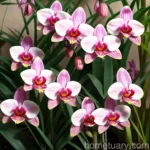
The Marvelous Phaius Tankervilleae (Nun’s Orchid): A Comprehensive Guide
Plants have always fascinated humans with their diversity, beauty, and unique characteristics. The world of orchids, in particular, showcases an extraordinary array of shapes, colors, and scents. Amongst the many orchid species, Phaius tankervilleae, also known as Nun’s Orchid, stands out for its elegant appearance and relatively easy cultivation. In this comprehensive guide, we will delve into the various aspects of Nun’s Orchid, including its cultural requirements, uses, key growth factors, common diseases and pests, as well as some fun facts. Whether you are a novice plant enthusiast or an experienced gardener, this guide will equip you with the knowledge to cultivate and appreciate the enchanting Phaius tankervilleae.
What is Phaius tankervilleae (Nun’s Orchid)?
Phaius tankervilleae, from the Orchidaceae family, is also commonly referred to as the Nun’s Orchid. This stunning orchid species is native to Southeast Asia, where it thrives in warm, tropical climates. The plant features long, lance-shaped leaves and produces impressive flowering spikes, bearing multiple large blooms with intricate patterns and hues.
Key Takeaways – Phaius tankervilleae (Nun’s Orchid)
- Nun’s Orchid, scientifically known as Phaius tankervilleae, is a striking orchid species appreciated for its splendid and long-lasting blooms.
- It flourishes in warm, tropical regions but can be successfully cultivated in other suitable environments.
- The plant requires moderate care and attention, making it an excellent choice for both novice and experienced growers.
- Nun’s Orchid is utilized for ornamental purposes owing to its captivating appearance and the ability to thrive as a potted plant or in outdoor gardens.
Culture
Uses
The spectacular blooms of Phaius tankervilleae make it a highly sought-after plant for ornamental purposes. Its impressive flowers are often showcased in floral arrangements, adding an exotic and luxurious touch to any setting. Additionally, Nun’s Orchid is a popular choice for landscaping projects, contributing to the creation of vibrant and visually appealing outdoor spaces.
Water
Nun’s Orchid exhibits a preference for consistently moist but well-drained soil. It is essential to maintain steady moisture levels, ensuring that the roots do not dry out. During active growth periods, regular watering is necessary, with a reduction in frequency during dormancy or resting phases. It’s crucial to strike a balance, avoiding both waterlogging and excessive drying of the root system.
Sunlight
In its natural habitat, Phaius tankervilleae thrives under dappled or filtered sunlight. When cultivating Nun’s Orchid, it is important to provide it with adequate but indirect light to prevent scorching of the foliage and flowers. Partial shade, especially during the hottest hours of the day, is beneficial, while prolonged exposure to harsh sunlight should be avoided.
Fertilizer
Appropriate fertilization is key to promoting healthy growth and robust blooming in Phaius tankervilleae. A balanced, water-soluble fertilizer with a higher phosphorus content should be used during the active growing season. This aids in bolstering the development of flower buds and enhancing the overall vigor of the plant. After the blooming period, a switch to a balanced, all-purpose fertilizer can support the plant’s nutritional needs as it prepares for the next flowering cycle.
Soil
Nun’s Orchid thrives in a well-draining, humus-rich substrate that mimics its native tropical habitat. A mixture of peat moss, coconut coir, and pine bark, supplemented with perlite or charcoal for improved aeration and drainage, forms an ideal growing medium. The pH level of the soil should be slightly acidic to neutral, ideally ranging from 5.5 to 6.5 for optimal nutrient uptake.
Pruning
Regular maintenance and pruning are essential for managing the growth of Phaius tankervilleae and promoting its overall health and appearance. Trimming away spent flower spikes, yellowing leaves, and any damaged or diseased parts helps in rejuvenating the plant, redirecting its energy towards new growth and blossoming. Pruning should be carried out with sanitized tools to minimize the risk of infection and injury to the plant.
Propagation
The propagation of Phaius tankervilleae can be accomplished through division, utilizing the division of pseudobulbs to establish new plants. This process is typically performed during the repotting phase, ensuring that each division possesses a healthy pseudobulb accompanied by roots. The newly divided segments are then transplanted into suitable growing containers or areas, where they can continue to grow and develop independently.
Container Popularity
Nun’s Orchid is widely favored as a container plant, appealing to many indoor and outdoor garden enthusiasts. Its adaptability to container cultivation makes it suitable for adorning interior spaces, patios, and balconies, lending a touch of elegance and charm to any environment. The versatility of containers allows for easy relocation and management of the plant, catering to individual preferences and spatial constraints.
Common Diseases
Like all plants, Phaius tankervilleae is susceptible to certain diseases and infections that can hinder its growth and vitality. Understanding these potential ailments and taking preventive measures are crucial for maintaining the plant’s well-being. Some common diseases that may affect Nun’s Orchid include fungal infections, bacterial rots, and viral diseases, which can manifest as leaf spots, wilting, or overall decline in plant health.
Disease Diagnosis
Early detection and diagnosis of plant diseases are instrumental in implementing effective treatment and control measures. Regular monitoring of the foliage, stems, and roots for any signs of abnormal discoloration, lesions, or unusual growth can aid in identifying potential diseases. Prompt action, such as isolating infected plants and employing targeted treatments, is essential to prevent the spread of diseases to other specimens.
Common Pests
Phaius tankervilleae may encounter various pests, including aphids, scale insects, spider mites, and snails, which can inflict damage to the plant’s foliage, flowers, and overall vitality. Vigilance and proper pest management strategies are vital for safeguarding the health and appearance of Nun’s Orchid. Implementing cultural controls, such as regular cleaning and maintenance, and if necessary, employing organic or chemical treatments, can help mitigate pest infestations.
Botanist’s Tips
- Monitor the moisture levels of the growing medium, ensuring that it remains consistently moist without becoming waterlogged, to support the healthy growth of Nun’s Orchid.
- Provide ample indirect light and minimize exposure to direct sunlight, especially during peak midday hours, to prevent leaf scorching and sun damage.
- Incorporate well-draining and aerated substrates to promote proper root development and prevent water stagnation, which can lead to root rot and other related issues.
- Regularly inspect the plant for signs of pests, diseases, or nutrient deficiencies, addressing any issues promptly to maintain the plant’s vigor and bloom quality.
Fun Facts
- Phaius tankervilleae is named after Lady Emma Tankerville, an English botanist and plant collector known for her contributions to horticulture and taxonomy.
- The vibrant flowers of Nun’s Orchid can vary in color, ranging from shades of white, cream, and pink to deep maroon and purple, displaying captivating patterns and markings that distinguish each bloom.
- In its natural habitat, Phaius tankervilleae thrives as an epiphytic or lithophytic plant, often found growing on trees, rocks, or other organic substrates in forested environments.
Links to External Resources
- American Orchid Society
- Royal Horticultural Society
- Missouri Botanical Garden
- International Phaius Alliance
In conclusion, Phaius tankervilleae, or Nun’s Orchid, is a captivating orchid species that enchants enthusiasts with its resplendent blooms and relatively manageable cultural requirements. By providing the appropriate care, attention, and a conducive environment, gardeners and plant enthusiasts can cultivate and admire the beauty of this remarkable orchid, adding a touch of exotic elegance to their indoor spaces or outdoor landscapes.
Remember, the key to successful growth lies in understanding and fulfilling the specific needs of Phaius tankervilleae, ensuring that it thrives and flourishes under your care. With the insights shared in this comprehensive guide, you are well-equipped to embark on a rewarding journey of cultivating and appreciating the remarkable Nun’s Orchid.
References
- Dodson, C. (2013). The Wild Orchids of North America, North of Mexico. Courier Corporation.
- Hew, C. S., & Lee, M. Y. (2013). Orchid Hybrids: Recognition, Registration and Naming. World Scientific Publishing Company.
- Pridgeon, A. M., Cribb, P. J., Chase, M. W., & Rasmussen, F. N. (2014). Genera Orchidacearum Volume 6: Epidendroideae (Part 3). Oxford University Press.