Physocarpus Opulifolius ‘Diabolo’ (Common Ninebark)
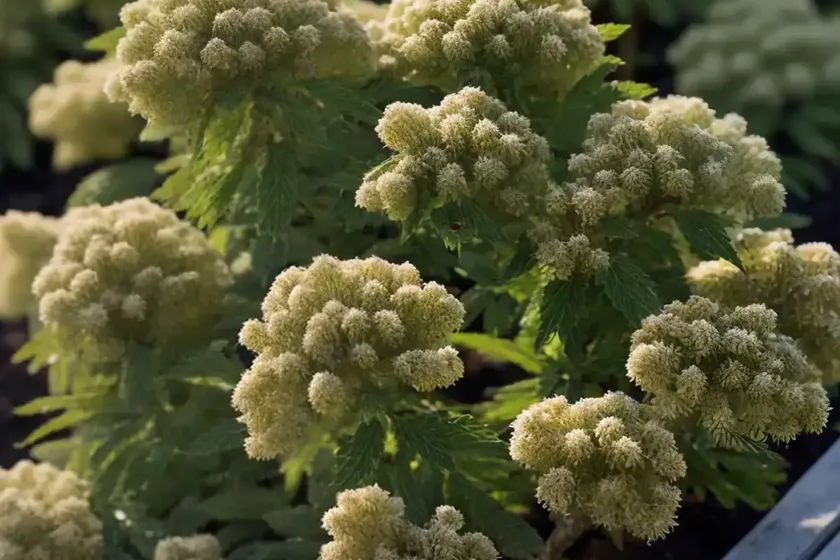
Physocarpus opulifolius ‘Diabolo’, commonly known as Common Ninebark, is a captivating and versatile deciduous shrub that adds year-round interest to any.
Introduction
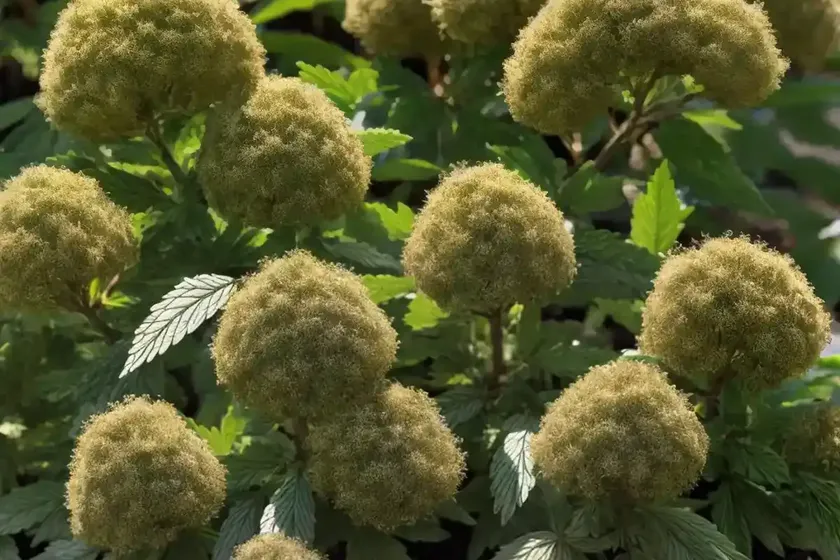
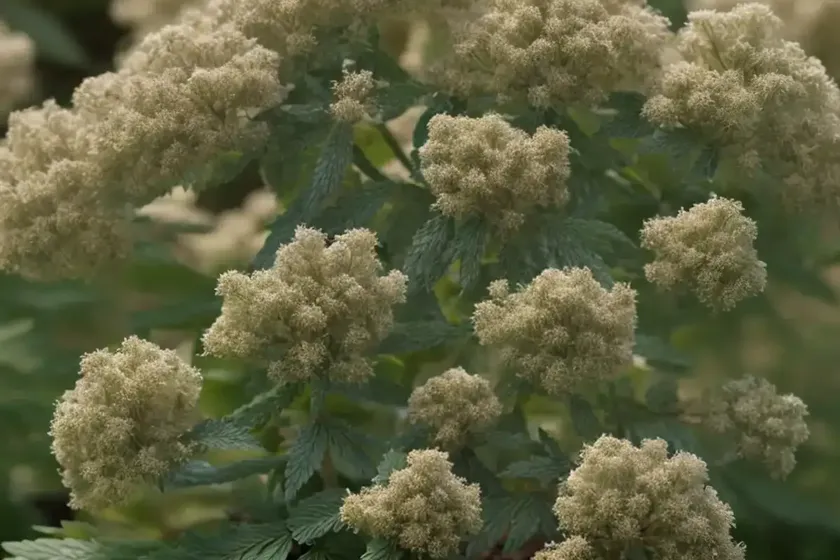
Physocarpus opulifolius ‘Diabolo’, commonly known as Common Ninebark, is a captivating and versatile deciduous shrub that adds year-round interest to any garden or landscape. This plant is renowned for its stunning foliage, attractive bark, and its ability to thrive in diverse environmental conditions. In this comprehensive guide, we will explore the various aspects of Physocarpus opulifolius ‘Diabolo’, including its culture, uses, maintenance, and much more.
Key Takeaways – Physocarpus opulifolius ‘Diabolo’
- Scientific Name: Physocarpus opulifolius ‘Diabolo’
- Common Name: Common Ninebark
- Cultivar: Diabolo
- Family: Rosaceae
- Type: Deciduous shrub
- Mature Height: 6-10 feet
- Mature Spread: 5-8 feet
- USDA Hardiness Zones: 2-8
- Sunlight: Full sun to part shade
- Water Needs: Moderate
- Soil Preferences: Well-drained, loamy soil
- Bloom Time: Late spring to early summer
- Foliage: Deep purple to bronze
- Uses: Hedge, border, mass planting, specimen plant
Culture
Uses
The Common Ninebark is a highly versatile plant that can be utilized in various landscaping scenarios. Its uses include:
- Hedge: Common Ninebark can be trained and pruned to form an attractive and functional hedge.
- Border Plant: It serves as an excellent border plant, creating a striking contrast with its deep purple foliage.
- Mass Planting: When planted in groups, the Common Ninebark can create a visually impactful display.
- Specimen Plant: Due to its stunning foliage and attractive bark, it can be showcased as a focal point in the garden.
Water
Physocarpus opulifolius ‘Diabolo’ has moderate water needs. It is essential to ensure that the plant receives sufficient water, particularly during the establishment phase and in periods of prolonged drought. However, it is crucial to avoid overwatering, as this can lead to waterlogged conditions, which may be detrimental to the plant’s health.
Sunlight
This plant thrives in a variety of light conditions, ranging from full sun to partial shade. However, for optimal foliage color and overall growth, it is recommended to provide it with at least 6 hours of direct sunlight per day.
Fertilizer
When it comes to fertilization, the Common Ninebark generally thrives in moderately fertile soils. A balanced, slow-release fertilizer can be applied in early spring to promote healthy growth and vibrant foliage.
Soil
Physocarpus opulifolius ‘Diabolo’ prefers well-drained, loamy soil. It is adaptable to various soil types, including clay and sandy soils, as long as they are well-draining.
Pruning
Pruning is an essential aspect of Common Ninebark care, and it serves multiple purposes, including maintaining the plant’s shape, promoting vigorous growth, and enhancing its visual appeal. Here are some key points to consider when pruning Physocarpus opulifolius ‘Diabolo’:
– Timing: Pruning is best carried out in late winter to early spring before new growth emerges.
– Techniques: Remove any dead, diseased, or damaged wood. Additionally, shaping the plant to the desired form and height can be achieved by selectively pruning the branches.
– Rejuvenation Pruning: Every few years, rejuvenation pruning can be performed by cutting back one-third of the oldest stems to ground level. This practice encourages the growth of new, vibrant stems and maintains the plant’s overall health.
Propagation
Common Ninebark can be propagated through various methods, including:
– Softwood Cuttings: Softwood cuttings can be taken in early summer and rooted in a moist, well-draining medium.
– Hardwood Cuttings: Hardwood cuttings can be harvested in late fall or winter and rooted in a similar manner to softwood cuttings.
– Division: Established plants can be divided in early spring, with each division containing a portion of the root system and several shoots.
Container Popularity
The Common Ninebark is also well-suited for container gardening. When grown in containers, it provides a striking focal point on patios, decks, or any outdoor living space. Additionally, container-grown Physocarpus opulifolius ‘Diabolo’ offers the flexibility to move the plant to an ideal location based on seasonal sunlight and temperature variations.
Common Diseases
While the Common Ninebark is generally resilient, it can be susceptible to certain diseases. Some common diseases that may affect Physocarpus opulifolius ‘Diabolo’ include:
– Powdery Mildew: This fungal disease appears as a white powdery coating on the leaves and can hinder photosynthesis and overall plant health.
– Leaf Spot: Leaf spot diseases can cause dark spots or lesions on the leaves, potentially leading to defoliation if left untreated.
– Rust: Rust diseases manifest as orange, yellow, or brown spots on the leaves and stems, often leading to premature leaf drop.
Disease Diagnosis
It is essential to closely monitor the plant for any signs of disease and take proactive measures to address the issue. Early diagnosis and treatment can significantly improve the plant’s chances of recovery. When diagnosing diseases on Physocarpus opulifolius ‘Diabolo’, consider the following:
– Symptoms: Identify any unusual spots, discoloration, or abnormalities on the leaves, stems, or overall plant appearance.
– Environmental Conditions: Consider the prevailing weather conditions and any factors that may contribute to the development of diseases, such as humidity, air circulation, and temperature.
– Pathogen Identification: If possible, identify the specific pathogen causing the disease to determine the most effective treatment or preventive measures.
Common Pests
Common Ninebark can encounter pest issues, with some of the most prevalent pests including:
– Aphids: These tiny insects can cluster on the new growth and undersides of the leaves, sucking sap from the plant.
– Spider Mites: Spider mites can cause stippling or speckling on the foliage and create fine webbing on the plant.
– Scale Insects: Scale insects can appear as small, waxy bumps on the stems and leaves, often leading to weakened plant vigor.
Botanist’s Tips
As a botanist, here are some insightful tips for successfully growing and maintaining Physocarpus opulifolius ‘Diabolo’:
– Mulching: Apply a layer of organic mulch around the base of the plant to help retain soil moisture, regulate soil temperature, and suppress weed growth.
– Regular Inspection: Routinely inspect the plant for any signs of disease, pest infestations, or nutrient deficiencies, and take prompt action if any issues are identified.
– Companion Planting: Consider planting compatible species alongside Common Ninebark to create harmonious and visually appealing combinations in the landscape.
Fun Facts
- The deep purple to bronze foliage of ‘Diabolo’ creates a unique and dramatic visual impact in the garden throughout the growing season.
- Common Ninebark derives its name from the distinctive peeling bark on older stems, which reveals multiple layers of reddish-brown inner bark.
- This plant is an excellent choice for wildlife gardens, as it can provide habitat and nectar sources for pollinators and other beneficial insects.
Links to External Resources
For further information on Physocarpus opulifolius ‘Diabolo’ and related topics, explore the following resources:
1. American Horticultural Society: Common Ninebark
2. University of Maryland Extension: Ninebark Diseases
3. Royal Horticultural Society: Propagating Shrubs
Physocarpus opulifolius Diabolo, Common Ninebark Diabolo, Diabolo Ninebark shrub, Ninebark Diabolo plant, Physocarpus opulifolius cultivar, Diabolo Ninebark care, Growing Physocarpus opulifolius Diabolo, Ninebark Diabolo pruning, Physocarpus opulifolius varieties, Diabolo Ninebark landscape uses, Common Ninebark Diabolo foliage, Diabolo Ninebark drought tolerance, Physocarpus opulifolius Diabolo propagation, Ninebark Diabolo garden design, Diabolo Ninebark winter hardiness, Physocarpus opulifolius shrub, Common Ninebark Diabolo colors, Diabolo Ninebark disease resistance, Physocarpus opulifolius Diabolo size, Ninebark Diabolo sun requirements, Diabolo Ninebark soil preferences, Physocarpus opulifolius Diabolo pruning tips, Common Ninebark Diabolo water needs, Diabolo Ninebark companion plants, Physocarpus opulifolius Diabolo focal point plant, Ninebark Diabolo seasonal interest, Diabolo Ninebark pollinator attractor, Physocarpus opulifolius Diabolo landscape specimen, Common Ninebark Diabolo fall color, Diabolo Ninebark wildlife habitat benefits, Physocarpus opulifolius Diabolo container gardening, Ninebark Diabolo leaf texture, Diabolo Ninebark four-season interest, Physocarpus opulifolius Diabolo native habitat, Common Ninebark Diabolo privacy hedge, Diabolo Ninebark border planting, Physocarpus opulifolius Diabolo low maintenance, Ninebark Diabolo focal point planting, Diabolo Ninebark mixed shrub border, Physocarpus opulifolius Diabolo urban garden plant, Common Ninebark Diabolo erosion control, Diabolo Ninebark compact variety, Physocarpus opulifolius Diabolo water conservation, Ninebark Diabolo striking foliage, Diabolo Ninebark layered garden design, Physocarpus opulifolius Diabolo naturalizing plant, Common Ninebark Diabolo dramatic color contrast, Diabolo Ninebark versatile landscape plant, Physocarpus opulifolius Diabolo mixed shrubbery, Ninebark Diabolo wildlife garden inclusion”
In conclusion, Physocarpus opulifolius ‘Diabolo’ is an exceptional shrub that offers a myriad of benefits and visual appeal in garden and landscape settings. Whether used as a focal point, border plant, or part of a mass planting, its striking foliage and adaptability make it a valuable addition to any outdoor space. By understanding its cultural needs, maintenance requirements, and potential uses, individuals can harness the full potential of this remarkable plant.


