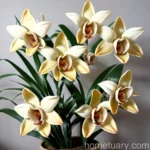
Cymbidium lowianum (Low’s Boat Orchid): A Comprehensive Guide
Cymbidium lowianum, commonly known as Low’s Boat Orchid, is a spectacular flowering plant highly prized for its vibrant and long-lasting blooms. These orchids are native to the tropical and subtropical regions of Asia and Australia, where they thrive in diverse habitats. With proper care and attention, Cymbidium lowianum can brighten up any garden or indoor space with its stunning display of flowers.
In this extensive guide, we will delve into the various aspects of cultivating, caring for, and enjoying Cymbidium lowianum, covering everything from its cultural requirements to common pests and diseases. Whether you’re a seasoned orchid enthusiast or a novice gardener eager to learn about these mesmerizing plants, this guide will equip you with the knowledge and skills to cultivate and nurture Cymbidium lowianum successfully.
Key Takeaways – Cymbidium lowianum (Low’s Boat Orchid)
Before we embark on our journey to explore the intricate world of Cymbidium lowianum, let’s first outline the key takeaways that will be covered in this comprehensive guide:
-
Cultural Requirements: Understanding the optimal conditions for cultivating Cymbidium lowianum, including its water, sunlight, fertilizer, and soil needs.
-
Propagation and Pruning: Exploring the techniques for propagating and pruning Cymbidium lowianum to ensure healthy growth and abundant flowering.
-
Container Gardening: Discovering the best practices for container gardening with Cymbidium lowianum, including suitable potting materials and pot selection tips.
-
Common Diseases and Pests: Identifying potential diseases and pests that may affect Cymbidium lowianum and learning effective control and prevention measures.
-
Botanist’s Tips and Fun Facts: Unearthing valuable tips from plant experts and uncovering fascinating facts about Cymbidium lowianum.
-
External Resources: Providing links to reputable external resources for further reading and information on Cymbidium lowianum.
Now that we have our roadmap laid out, let’s delve into the captivating world of Cymbidium lowianum and unravel the secrets to fostering these exquisite orchids.
Plant Name: Cymbidium lowianum (Low’s Boat Orchid)
Cymbidium lowianum, commonly known as Low’s Boat Orchid, is a species of orchid renowned for its resplendent flowers and robust growth habits. Belonging to the genus Cymbidium, these orchids are celebrated for their ornamental value and are cherished by enthusiasts and horticulturists worldwide.
Scientific Classification:
– Family: Orchidaceae
– Genus: Cymbidium
– Species: Lowianum
Natural Habitat:
Cymbidium lowianum is indigenous to regions across Asia and Australia, where it thrives in diverse ecological niches. These orchids are often found in subtropical and tropical habitats, including forests, mountainous regions, and even along riverbanks and streams.
With its elegant, boat-shaped flowers and an array of captivating colors, Cymbidium lowianum has captivated the hearts of plant lovers and has become a cherished addition to gardens, landscapes, and indoor spaces.
Now, let’s embark on a comprehensive exploration of the cultivation and care of Cymbidium lowianum, providing invaluable insights and practical guidance for fostering these enchanting orchids in your own environment.
Cultural Requirements
Cultivating Cymbidium lowianum successfully hinges on understanding and meeting its specific cultural requirements. From water and sunlight to soil and fertilizer, providing the ideal growing conditions is paramount for fostering healthy growth and vibrant blooms. Let’s delve into each of these critical aspects in detail.
Water
Watering Requirements:
Proper watering is crucial for the health and vitality of Cymbidium lowianum. These orchids generally prefer a consistent watering schedule, allowing the growing medium to approach dryness before rehydration. During the active growing season, which typically spans from spring to early fall, it is advisable to water the orchids when the top layer of the growing medium feels dry to the touch.
Overwatering can lead to root rot and other complications, so it’s essential to strike a balance and avoid waterlogged conditions. During the dormant period in winter, reduce the frequency of watering while ensuring that the orchids receive adequate moisture to prevent desiccation.
Watering Techniques:
When watering Cymbidium lowianum, it is recommended to thoroughly drench the growing medium, allowing excess water to drain freely from the container. This ensures that the roots receive ample hydration while minimizing the risk of water accumulation. Additionally, it’s beneficial to use tepid or room temperature water to avoid shocking the roots with extreme temperature differentials.
Sunlight
Sunlight Needs:
Cymbidium lowianum thrives in bright, indirect light, preferring a balance of sunlight and shade throughout the day. When grown outdoors, these orchids typically benefit from morning sunlight and partial shade during the intense midday and afternoon periods. In indoor settings, placing the plants near east or west-facing windows can provide the optimal light conditions for robust growth and flowering.
While adequate light is essential for promoting blooming, it’s crucial to shield Cymbidium lowianum from direct, harsh sunlight, which can lead to leaf burn and heat stress. Observing the plant’s response to its current light exposure can offer valuable insights into adjusting its position for an optimal balance.
Fertilizer
Fertilization Tips:
Providing appropriate nutrients is essential for sustaining the vigorous growth and flowering of Cymbidium lowianum. During the active growing season, a balanced, water-soluble orchid fertilizer with an N-P-K ratio of 20-20-20 or 30-10-10 can be applied at reduced strength every two to three weeks. It’s important to dilute the fertilizer according to the manufacturer’s recommendations to prevent overfeeding and potential damage to the orchids’ sensitive roots.
As the plants transition into the dormant phase in winter, it’s advisable to taper off fertilization or cease feeding altogether, allowing the orchids to undergo a natural rest period. Resume regular fertilization as new growth emerges in the following growing season to support robust foliage and prolific flowering.
Soil
Potting Medium Recommendations:
Cymbidium lowianum thrives in a well-draining growing medium that provides stability for the roots while allowing excess moisture to escape freely. A recommended potting mix for these orchids comprises a combination of coarse materials such as fir bark, perlite, and charcoal. This blend facilitates optimal aeration and drainage, preventing waterlogged conditions and fostering healthy root development.
When repotting Cymbidium lowianum, it’s crucial to utilize a fresh potting mix that accommodates the growing requirements of the orchids while providing the necessary support for their root systems. Routine repotting every two to three years, or when the growing medium breaks down and becomes compacted, can revitalize the plants and promote continued vigor.
Pruning
Pruning Techniques:
Pruning Cymbidium lowianum is an essential practice for maintaining the health and aesthetic appeal of the plants. As the orchids mature, spent flower spikes can be carefully trimmed at the base using sterilized pruning shears to redirect the plant’s energy towards new growth and flower production. Additionally, removing dead or yellowing leaves can enhance air circulation and prevent the spread of potential diseases.
When dividing mature clumps of Cymbidium lowianum for propagation or rejuvenation, it’s vital to ensure that each division possesses a healthy pseudobulb and an adequate root system. Pruning tools should be sanitized before and after use to minimize the risk of transmitting infections between plants.
Propagation
Propagation Methods:
Cymbidium lowianum can be propagated through division, allowing the generation of new plants from existing clumps. When dividing the orchids, it’s crucial to select robust divisions with several pseudobulbs and viable roots, as these are indicative of the division’s potential to establish and thrive independently.
Another method of propagating Cymbidium lowianum is through the cultivation of keiki, which are offshoots that develop along the flower spikes of mature plants. Keiki can be gently detached and potted individually once they have developed a few roots and a sizeable pseudobulb, offering a means of expanding the orchid collection and sharing the beauty of these plants with others.
Container Gardening
Container Selection:
When cultivating Cymbidium lowianum in containers, selecting the appropriate pots and potting materials is instrumental in providing a conducive environment for the orchids’ growth. Containers should feature ample drainage holes to prevent water accumulation, promoting aeration and preventing root suffocation. Additionally, utilizing pots with sufficient depth and width allows the orchids’ root systems to expand and flourish within the confines of the container.
Potting Mix Recommendations:
As mentioned earlier, a well-draining potting mix composed of coarse materials such as fir bark, perlite, and charcoal provides an ideal substrate for cultivating Cymbidium lowianum in containers. This blend facilitates moisture regulation and prevents the development of waterlogged conditions, fostering healthy root development and overall plant well-being.
Now that we have explored the critical aspects of cultural requirements, propagation, and container gardening for Cymbidium lowianum, let’s turn our attention to addressing potential challenges that may arise in the form of diseases and pests.
Common Diseases and Pests
Cymbidium lowianum, like any other plant, is susceptible to certain diseases and pest infestations. Recognizing the symptoms and implementing proactive measures to address these issues is crucial for safeguarding the health and vitality of the orchids. Let’s delve into the common diseases, pests, and effective methods for diagnosis and control.
Disease Diagnosis
Common Diseases:
Cymbidium lowianum may be susceptible to fungal infections, including botrytis, as well as bacterial and viral diseases that can manifest in various forms, including leaf spots, rot, and wilting. Sudden changes in environmental conditions, excessive moisture, and poor ventilation can contribute to the development of these ailments, underscoring the importance of diligent cultural practices and environmental management.
Diagnosis Techniques:
Upon observing irregularities in the appearance or behavior of Cymbidium lowianum, it is essential to conduct a thorough examination of the plants to assess their condition. This may involve inspecting the foliage, roots, and growing medium for signs of discoloration, lesions, or abnormalities. Additionally, monitoring the overall growth and vitality of the orchids can provide insights into their well-being and assist in identifying potential issues early on.
Common Pests
Potential Pests:
Cymbidium lowianum may be vulnerable to pest infestations, including aphids, scale insects, spider mites, and snails, among others. These pests can cause damage to the foliage, flowers, and overall health of the orchids if left unaddressed, underscoring the importance of vigilant pest management and control measures.
Pest Control Methods:
Implementing integrated pest management strategies, which may include the use of natural predators, horticultural oils, insecticidal soaps, and physical removal of pests, can be effective in mitigating pest populations and preventing widespread infestations. Regular monitoring and prompt intervention can help maintain a healthy balance within the growing environment and protect Cymbidium lowianum from the detrimental effects of pest activity.
Botanist’s Tips and Fun Facts
Botanist’s Tips
Expert Insights:
Plant experts and botanists offer valuable insights and recommendations for successfully cultivating and caring for Cymbidium lowianum. Leveraging their expertise can provide novice and experienced growers alike with practical strategies and techniques for optimizing the growth and flowering of these captivating orchids.
Cultivation Best Practices:
Botanists often emphasize the importance of maintaining consistent cultural practices, including proper watering, light exposure, and fertilization, as essential factors in nurturing healthy and robust Cymbidium lowianum plants. Additionally, their guidance on pest and disease management can offer invaluable support in safeguarding the orchids from potential threats.
Fun Facts
Intriguing Information:
Unearthing fascinating facts about Cymbidium lowianum can deepen one’s appreciation for these enchanting orchids. From their historical significance to their ecological roles and cultural symbolism, these fun facts provide an enriching glimpse into the captivating world of Cymbidium lowianum.
Now let’s explore some intriguing fun facts about Cymbidium lowianum, shedding light on the charm and allure of these remarkable orchids:
-
Historical Significance: Cymbidium lowianum has been cultivated for centuries and is steeped in rich historical and cultural significance, often revered as a symbol of elegance and beauty in various traditions and societies.
-
Ecological Importance: In their natural habitats, Cymbidium lowianum plays a crucial role in supporting diverse ecosystems, providing nectar and shelter for pollinators and other organisms.
-
Cultural Symbolism: These orchids are often associated with sentiments of love, admiration, and grace, making them a popular choice for gifts and ornamental displays in many cultures.
By exploring these botanist’s tips and fun facts, we gain a deeper understanding of the cultural and ecological significance of Cymbidium lowianum, elevating our appreciation for these captivating orchids.
Links to External Resources
To further enrich your knowledge and understanding of Cymbidium lowianum, we have curated a selection of external resources that offer valuable insights, expert guidance, and practical tips for cultivating and caring for these enchanting orchids:
- American Orchid Society (AOS): A reputable organization dedicated to promoting the appreciation and cultivation of orchids, offering a wealth of information on Cymbidium lowianum and other orchid species.
-
Royal Horticultural Society (RHS): The RHS provides comprehensive guidance on growing Cymbidium lowianum, tailored to both novice and experienced orchid enthusiasts.
-
Orchid Board: An online community of orchid enthusiasts, offering forums, articles, and resources for sharing knowledge and experiences related to Cymbidium lowianum and other orchid varieties.
-
Missouri Botanical Garden: A trusted botanical institution with an extensive plant database, featuring detailed information on the taxonomy, cultivation, and care of Cymbidium lowianum.
- Missouri Botanical Garden
By exploring these external resources, you can access a wealth of knowledge and expertise from reputable organizations and communities dedicated to the cultivation and appreciation of Cymbidium lowianum. Whether you seek in-depth botanical information, practical growing tips, or engaging discussions with fellow enthusiasts, these resources offer a myriad of opportunities to expand your understanding and enjoyment of these captivating orchids.
Conclusion
In conclusion, Cymbidium lowianum (Low’s Boat Orchid) is a captivating species of orchid renowned for its resplendent flowers and ornamental value. By understanding and meeting its cultural requirements, including water, sunlight, fertilizer, and soil needs, you can foster robust growth and prolific flowering in these enchanting orchids. Additionally, mastering the techniques for propagation, pruning, and container gardening allows you to expand your orchid collection and create stunning displays within indoor and outdoor settings.
Despite the potential challenges posed by diseases and pests, proactive diagnosis and effective control measures can safeguard the health and vitality of Cymbidium lowianum, ensuring their continued beauty and allure. By leveraging the insights of plant experts and uncovering intriguing fun facts about these orchids, you can deepen your appreciation for the rich historical, cultural, and ecological significance of Cymbidium lowianum.
Lastly, by exploring the curated external resources, you can access a wealth of knowledge and expertise from reputable organizations and communities dedicated to the cultivation and appreciation of Cymbidium lowianum, providing endless opportunities for learning, connecting with fellow enthusiasts, and enhancing your experience with these captivating orchids.
Whether you’re a seasoned orchid enthusiast or a novice gardener eager to explore the world of Cymbidium lowianum, the comprehensive guidance and practical insights offered in this guide equip you with the knowledge and skills to cultivate and appreciate these remarkable orchids with confidence and enthusiasm.
Cultivate Cymbidium lowianum successfully, unleash their unparalleled beauty, and embark on a captivating journey into the enchanting world of orchids. Happy growing!