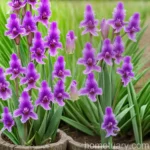
The Enchanting Phaius Orchid Group: An In-depth Care Guide
Orchids in the Phaius group are a captivating and diverse bunch, with a wide range of species and varieties that have mesmerized plant enthusiasts for centuries. From their unique characteristics to their cultivation and care requirements, there’s so much to explore and appreciate about these stunning orchids. In this comprehensive guide, we will delve into the world of Phaius orchids, unraveling their cultural significance, uses, and essential care guidelines for nurturing these botanical wonders.
What is the Phaius Orchid Group?
The Phaius group of orchids (Phaius) encompasses a variety of species that are cherished for their elegant and often fragrant blooms. These orchids are primarily terrestrial, meaning they grow in soil rather than on elevated surfaces like trees. With their broad, pleated leaves and showy inflorescences, Phaius orchids are valued for their ornamental beauty and are popular choices for both indoor and outdoor cultivation.
Key Takeaways – Phaius Orchid Group
Before we delve into the details of caring for Phaius orchids, let’s highlight some key takeaways that we will explore further in this guide:
- Phaius orchid varieties offer a wide range of colors, sizes, and shapes, allowing for a diverse and enchanting display in gardens and homes.
- Understanding the characteristics of Phaius orchids is crucial for providing the best care and growing conditions for these botanical marvels.
- Propagation methods for Phaius orchids enable enthusiasts to expand their collection and share the beauty of these orchids with others.
- Like all plants, Phaius orchids are susceptible to pests and diseases, requiring proactive care and maintenance to ensure their health and vitality.
Now, let’s embark on a fascinating journey into the world of Phaius orchids, where we’ll discover the best practices for caring for these remarkable plants.
Culture and Uses
Phaius orchids have a rich cultural history, with various species being utilized in traditional medicine and revered for their symbolism and aesthetic appeal. These orchids often play a significant role in floral arrangements and are cherished for their unique fragrance and presence in gardens, homes, and botanical displays.
The cultural significance of Phaius orchids is multifaceted and varies across different regions and traditions. From their use in religious ceremonies to their representation in art and symbolism, these orchids have woven themselves into the fabric of human culture, serving as sources of inspiration and admiration.
Uses
Phaius orchids are utilized in an array of settings and contexts, including:
- Ornamental Displays: Their exquisite blooms make Phaius orchids a popular choice for floral arrangements and decorative purposes.
- Traditional Medicine: In some cultures, specific species of Phaius orchids are used for their medicinal properties.
- Symbolism: Phaius orchids hold symbolic meanings in various cultures and are often associated with traits such as grace, beauty, and strength.
Understanding the cultural significance and uses of Phaius orchids provides a deeper appreciation for these plants and their impact on different aspects of human life.
Essential Care Guidelines
Caring for Phaius orchids requires a good understanding of their specific needs and preferences. From watering and sunlight requirements to fertilization and pest control, providing optimal care is essential for ensuring the health and vibrancy of these exquisite plants.
Water
Phaius orchids thrive in humid environments and require consistent moisture to support their growth and blooming cycles. Proper watering practices are essential for preventing issues such as root rot and dehydration, both of which can compromise the health of the plants.
Watering Guidelines:
- Consistent Moisture: While Phaius orchids should not be sitting in water, it’s essential to maintain a consistently moist growing medium.
- Drainage: Ensure that the pots or planting areas have adequate drainage to prevent waterlogging.
- Humidity: In drier climates, consider increasing humidity levels around the plants, especially during periods of low humidity.
By maintaining appropriate moisture levels, you can support the health and vitality of Phaius orchids, allowing them to flourish and produce stunning blooms.
Sunlight
Like many orchid species, Phaius orchids require filtered light and protection from direct sunlight, especially during the peak of the day. Understanding their light requirements is crucial for promoting robust growth and blooming.
Lighting Recommendations:
- Indirect Light: Place Phaius orchids in locations with indirect or dappled sunlight, such as near a north-facing window or under a sheer curtain.
- Avoid Harsh Sun: Protect the plants from intense sunlight, which can cause leaf burn and heat stress.
Providing the right balance of light ensures that Phaius orchids receive the energy they need for photosynthesis without being subjected to the potentially harmful effects of direct sunlight.
Fertilizer
Fertilization plays a vital role in supplying essential nutrients to Phaius orchids, supporting their growth, and facilitating robust blooming. Choosing the right fertilizer and applying it at the appropriate times are key considerations for promoting healthy orchid development.
Fertilizer Guidelines:
- Diluted Fertilizer: Use a balanced, water-soluble orchid fertilizer, and apply it at half to a quarter of the recommended strength.
- Frequency: Fertilize Phaius orchids every 2-4 weeks during the growing season, reducing or ceasing applications during the dormant period.
Balanced fertilization supports the overall health and vigor of Phaius orchids, contributing to their ability to produce stunning blooms and thrive in their environment.
Soil
As terrestrial orchids, Phaius orchids require a suitable growing medium that provides stability, aeration, and moisture retention. Understanding the ideal soil conditions for these orchids is essential for fostering healthy root systems and sustained growth.
Soil Considerations:
- Well-Draining Mix: Use a well-draining potting mix that retains moisture without becoming waterlogged, such as a blend of bark, perlite, and sphagnum moss.
- Stability: Ensure that the soil provides adequate support for the roots while allowing for air circulation and moisture retention.
- Neutral pH: Aim for a slightly acidic to neutral pH range (around 5.5-6.5) in the growing medium to support nutrient availability.
Choosing an appropriate soil mix and maintaining favorable soil conditions is fundamental for providing a hospitable environment for Phaius orchids to flourish.
Pruning
Pruning is an essential aspect of Phaius orchid care, enabling enthusiasts to remove spent blooms, trim damaged foliage, and promote new growth. Proper pruning techniques contribute to the overall health and appearance of the plants, allowing them to channel their energy into productive growth and flowering.
Pruning Practices:
- Remove Spent Blooms: Trim back the flower spikes once the blooms have faded to encourage the development of new blooms.
- Trimming Dead Foliage: Remove any yellowing or decaying leaves to prevent the spread of disease and enhance the aesthetic appeal of the plants.
- Division: Periodically divide overgrown clumps of Phaius orchids to rejuvenate and propagate the plants.
By practicing regular pruning, you can maintain the vitality and visual appeal of Phaius orchids, fostering a healthy and vibrant growing environment.
Propagation
The propagation of Phaius orchids allows enthusiasts to expand their collection and share the beauty of these plants with others. Understanding effective propagation methods and best practices is essential for successful reproduction and the cultivation of new orchid specimens.
Propagation Methods
Phaius orchids can be propagated through several methods, including:
- Division: Dividing clumps of mature Phaius orchids to create new plants and manage the size of existing ones.
- Backbulb Propagation: Utilizing dormant or mature backbulbs to produce new plantlets, promoting genetic diversity and prolific growth.
- Keiki Propagation: When Phaius orchids produce keiki or baby plantlets, these can be carefully separated and potted to establish new plants.
By employing suitable propagation techniques, orchid enthusiasts can expand their collection of Phaius orchids and contribute to the preservation and appreciation of these captivating plants.
Container Popularity
Phaius orchids are well-suited for container cultivation, allowing enthusiasts to appreciate their beauty up close and integrate them into various indoor and outdoor settings. Choosing suitable containers and understanding their benefits is crucial for fostering optimal growth and cultivating an attractive display of Phaius orchids.
Container Options
When selecting containers for Phaius orchids, consider the following options:
- Pots with Drainage: Choose pots with adequate drainage holes to prevent waterlogging and promote healthy root development.
- Breathable Materials: Select containers made from breathable materials such as terracotta or plastic with ventilation to encourage air circulation around the roots.
- Size Considerations: Use pots that accommodate the size of the orchid while allowing for a bit of room for growth.
Container gardening offers a versatile and convenient way to showcase Phaius orchids, whether as standalone displays or as part of larger decorative arrangements.
Common Diseases and Pest Control
Phaius orchids are susceptible to certain diseases and pests, requiring proactive measures to prevent and address these issues effectively. Recognizing common problems and implementing appropriate control strategies is essential for safeguarding the health and vitality of these botanical treasures.
Disease Diagnosis
Some of the common diseases that may affect Phaius orchids include:
- Root Rot: Caused by excessive moisture and poor drainage, leading to decay and deterioration of the root system.
- Fungal Infections: Manifesting as spots or lesions on leaves and pseudobulbs, often resulting from high humidity and poor air circulation.
- Bacterial Blight: Characterized by water-soaked lesions and tissue decay, often spreading rapidly in humid conditions.
By diligently monitoring the plants and addressing signs of disease promptly, enthusiasts can mitigate the impact of these threats and protect the well-being of their Phaius orchids.
Common Pests
Phaius orchids may encounter various pests, including:
- Aphids and Scale Insects: Sap-feeding pests that can weaken the plants and cause deformities in new growth.
- Spider Mites: Tiny arachnids that may infest orchids, leading to webbing and stippling on the leaves.
- Mealybugs: Soft-bodied insects that feed on plant sap and excrete honeydew, potentially causing sooty mold and plant stress.
Implementing preventive measures and employing targeted pest control methods is crucial for managing infestations and preserving the health and aesthetics of Phaius orchids.
Botanist’s Tips for Success
To ensure the success and vibrancy of Phaius orchids, consider these expert tips and recommendations:
- Cultural Understanding: Take the time to understand the natural habitat and ecological requirements of Phaius orchids to provide the most suitable growing conditions.
- Observation and Monitoring: Regularly observe the plants for signs of stress, disease, or pest infestations, allowing for timely intervention and adjustments to care practices.
- Adaptation: Be prepared to adjust care practices based on seasonal variations, environmental changes, and the specific needs of individual orchids.
By incorporating these insights into your care routine, you can enhance the well-being and flourishing of Phaius orchids, fostering a rewarding and enriching gardening experience.
Fun Facts about the Phaius Orchid Group
Expanding your knowledge of Phaius orchids can be a delightful journey filled with intriguing and captivating facts:
- Cultural Symbolism: In some cultures, Phaius orchids are associated with symbols of love, beauty, and elegance, making them popular choices for occasions such as weddings and celebrations.
- Fragrance Variation: Some species within the Phaius orchid group emit delightful fragrances, ranging from floral and sweet to spicy and aromatic, adding an olfactory dimension to their allure.
- Global Distribution: Phaius orchids are distributed across various regions, from tropical rainforests to subtropical environments, showcasing their adaptability and diversity.
By delving into the enchanting world of Phaius orchids, enthusiasts can gain a deeper appreciation for these botanical treasures and the wonders they offer.
Links to External Resources
As you continue your exploration of Phaius orchids, consider the following external resources for valuable insights, guidance, and inspiration:
- The American Orchid Society
- Royal Horticultural Society – Orchids
- Orchids.org
- Botanical Gardens and Arboretums
These resources provide a wealth of information and community engagement opportunities for orchid enthusiasts and plant lovers, offering a rich tapestry of knowledge and camaraderie.
In conclusion, the Phaius orchid group is a captivating and diverse ensemble of orchids, offering a treasure trove of beauty, fragrance, and cultural significance. By embracing the nuances of their care and cultivation, enthusiasts can nurture these botanical marvels and revel in the splendor they bring to gardens, homes, and hearts around the world.
As you embark on your journey with Phaius orchids, may the knowledge and insights shared in this guide serve as beacons of inspiration, guiding you toward a fulfilling and rewarding experience with these enchanting orchids.
Happy Gardening!