Plant Scientist’s Guide to Growing Petunia ‘Tidal Wave Cherry’
Introduction to Petunia ‘Tidal Wave Cherry’
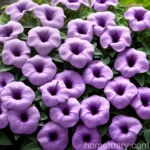
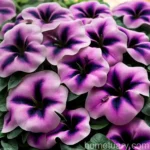
Petunia ‘Tidal Wave Cherry’ is a stunning annual flowering plant known for its vigorous growth and vibrant cherry-red blossoms. This popular variety is highly favored by gardeners and landscaping enthusiasts for its exceptional qualities and aesthetic appeal. In this comprehensive guide, we will explore the key aspects of cultivating and caring for Petunia ‘Tidal Wave Cherry’, delving into its culture, uses, maintenance, and much more.
What is Petunia ‘Tidal Wave Cherry’?
Petunia ‘Tidal Wave Cherry’ Characteristics
- Scientific Name: Petunia ‘Tidal Wave Cherry’
- Plant Type: Annual flowering plant
- Flower Color: Cherry red
- Growth Habit: Trailing and spreading
- Flowering Period: Spring to frost
- Sunlight Requirements: Full sun
- Watering Needs: Moderate
- Soil Type: Well-drained
- Height and Spread: 12-16 inches tall, 3-4 feet wide
- Special Features: Vigorous growth, heat and drought tolerance
Key Takeaways – Petunia ‘Tidal Wave Cherry’
- Petunia ‘Tidal Wave Cherry’ is a captivating annual plant cherished for its profuse cherry-red blooms and trailing growth habit.
- This variety thrives in full sun and exhibits extraordinary heat and drought tolerance, making it an excellent choice for landscapes and containers.
- With its vibrant colors and low-maintenance characteristics, Petunia ‘Tidal Wave Cherry’ is an ideal addition to flower beds, hanging baskets, borders, and various garden settings.
Culture
Uses
Petunia ‘Tidal Wave Cherry’ integrates seamlessly into a myriad of landscaping and gardening applications. Here are some common uses:
– Container Gardening: The trailing growth of Petunia ‘Tidal Wave Cherry’ makes it perfect for cascading over the edges of containers, hanging baskets, and window boxes.
– Landscape Borders: Plantings of ‘Tidal Wave Cherry’ along garden borders or pathways create a striking visual impact.
– Ground Cover: Due to its spreading nature, this petunia is an excellent choice for covering bare ground and suppressing weed growth.
– Mixed Plantings: It can be combined with other annuals in flower beds and borders, adding vivid color and texture to the landscape.
Water
Proper watering is crucial for the health and vitality of Petunia ‘Tidal Wave Cherry’. Here are some guidelines for watering this beautiful annual:
– Frequency: Water the plant thoroughly whenever the soil surface feels dry to the touch, aiming to keep the soil consistently moist but not waterlogged.
– Morning Watering: Watering in the morning allows the foliage to dry during the day, reducing the risk of fungal diseases.
Sunlight
Petunia ‘Tidal Wave Cherry’ thrives in full sun, benefitting from direct sunlight for the majority of the day. Adequate sunlight is essential for robust growth and prolific flowering.
Fertilizer
Regular fertilization is key to promoting healthy growth and continuous blooming in Petunia ‘Tidal Wave Cherry’. Consider the following fertilization recommendations:
– Balanced Fertilizer: Apply a balanced, water-soluble fertilizer every 2-3 weeks to provide essential nutrients for vigorous growth and prolific flowering.
– Dilution: Always follow the manufacturer’s instructions for proper dilution and application of the fertilizer.
Soil
The planting medium significantly influences the overall health and performance of Petunia ‘Tidal Wave Cherry’. Optimal soil conditions for this annual include:
– Well-Drained Soil: Ensure the soil is well-drained to prevent waterlogging, which can lead to root rot and other issues.
– Soil Amendment: Incorporating organic matter such as compost or well-rotted manure into the soil can improve its structure and fertility.
Pruning
Regular maintenance, including pruning, is essential for enhancing the appearance and longevity of Petunia ‘Tidal Wave Cherry’. Follow these pruning tips:
– Deadheading: Removing spent flowers encourages continuous blooming and prevents the plant from expending energy on seed production.
– Trimming Leggy Growth: If the plant becomes excessively leggy or sprawls beyond its intended area, trim it back to promote bushier growth.
Propagation
Propagating Petunia ‘Tidal Wave Cherry’ can be an exciting way to expand your plant collection. Consider the following methods for propagation:
– Seeds: Collecting and sowing seeds from mature plants is an economical way to propagate ‘Tidal Wave Cherry’ petunias.
– Cuttings: Taking stem cuttings and rooting them in a suitable growing medium is an effective method for vegetative propagation.
Container Popularity
Petunia ‘Tidal Wave Cherry’ is particularly well-suited for container gardening due to its trailing growth habit and vibrant blooms. Here are some popular container options for showcasing this stunning variety:
– Hanging Baskets: The cascading nature of ‘Tidal Wave Cherry’ makes it an ideal choice for hanging baskets, where its vibrant cherry-red flowers can spill over the edges.
– Window Boxes: Planted in window boxes, this petunia creates a stunning floral display, adding color and visual interest to exterior spaces.
– Container Combinations: Pairing ‘Tidal Wave Cherry’ with complementary plants in mixed containers can result in eye-catching combinations that enhance any outdoor setting.
Common Diseases
Disease Diagnosis
While Petunia ‘Tidal Wave Cherry’ is generally robust, it can be susceptible to certain diseases. Here are some common issues and their potential causes:
– Powdery Mildew: A fungal disease characterized by powdery white patches on the foliage, typically caused by high humidity and poor air circulation.
– Botrytis Blight: This fungal disease manifests as gray mold on the flowers and foliage, often in conditions of high moisture and reduced air movement.
– Pythium Root Rot: Excessive soil moisture can lead to root rot, evidenced by wilting, yellowing foliage, and eventual plant decline.
Common Pests
In addition to potential diseases, Petunia ‘Tidal Wave Cherry’ may also attract certain pests. Recognizing these pests and taking appropriate measures is vital for maintaining plant health:
– Aphids: These small, soft-bodied insects may gather on the tender shoot tips and flower buds, causing damage and distortion to the affected plant parts.
– Spider Mites: Infestations of spider mites can result in stippled and discolored foliage, often accompanied by fine webbing on the undersides of leaves.
Botanist’s Tips
- When planting Petunia ‘Tidal Wave Cherry’, ensure that the selected location receives abundant sunlight throughout the day to promote vigorous growth and profuse flowering.
- Regular deadheading and light pruning can help maintain the plant’s compact shape and encourage continuous blooming.
- Feeding ‘Tidal Wave Cherry’ petunias with a balanced fertilizer as directed can provide the necessary nutrients for strong, healthy growth and an abundance of colorful blooms.
Fun Facts
- Petunias, including the ‘Tidal Wave Cherry’ variety, are known for their trumpet-shaped flowers, which add a touch of elegance to garden landscapes.
- The term “petunia” is derived from a Native American word, reflecting the plant’s South American origins and cultural significance.
- ‘Tidal Wave Cherry’ petunias have been bred for their trailing growth habit and exceptional heat tolerance, making them an ideal choice for summer plantings.
Conclusion
In conclusion, Petunia ‘Tidal Wave Cherry’ is a captivating annual plant that undeniably captivates with its vibrant cherry-red blooms and trailing growth habit. By understanding its culture, uses, maintenance requirements, and potential challenges, gardeners and plant enthusiasts can cultivate this stunning variety with confidence. From container gardening to landscape enhancement, ‘Tidal Wave Cherry’ petunias offer a wealth of possibilities for creating vibrant and visually striking outdoor spaces.
For those seeking to elevate their gardens and outdoor living areas with an infusion of color and vitality, Petunia ‘Tidal Wave Cherry’ stands out as a top choice, delivering long-lasting blooms, vibrant growth habits, and effortless beauty throughout the growing season.